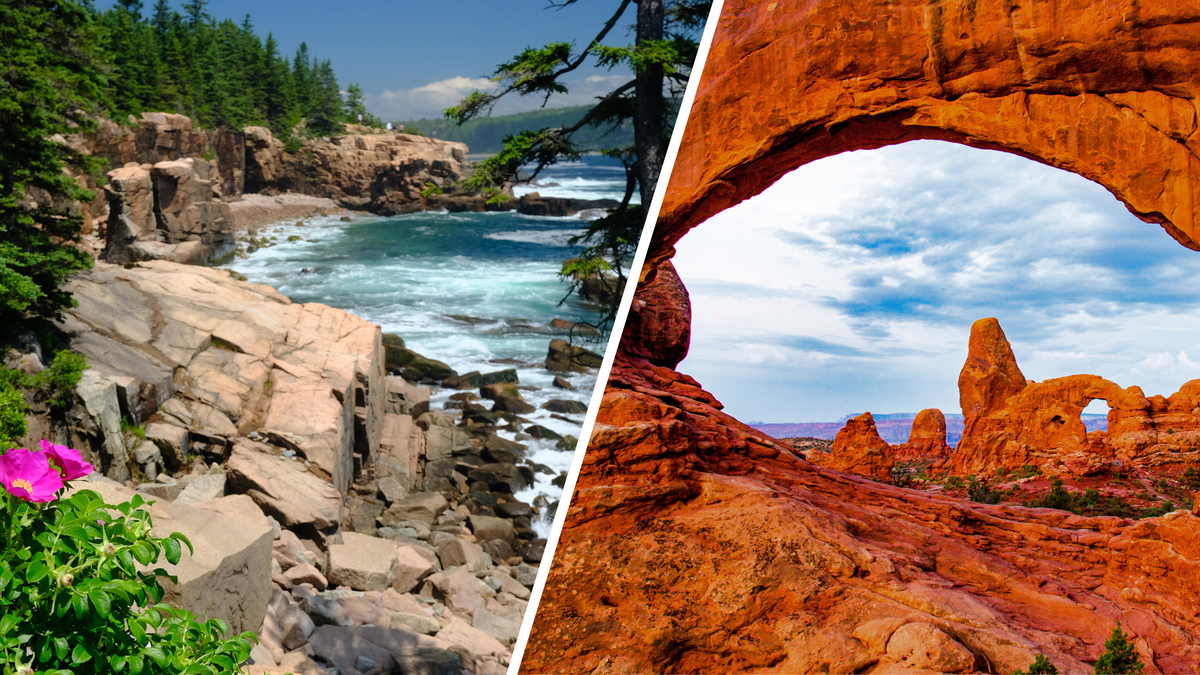
Дорнод бүсийн үндэсний хүрээлэнгүүд нь баруун бүсийн сүрлэг уулс, гүн хавцалтай харьцуулахад биологийн олон янз байдал, хүртээмжтэй байдлаараа аялагчдын анхаарлыг татдаг.
АНУ-ын нийт 63 үндэсний хүрээлэнгийн дийлэнх нь баруун хэсэгт байрладаг хэдий ч дорнод бүсийн есөн хүрээлэн нь байгалийн өвөрмөц тогтоц, түүхэн дурсгалт газруудаараа онцлог юм. Үүнд Acadia, Shenandoah, New River Gorge, Mammoth Cave, Great Smoky Mountains, Congaree, Everglades, Biscayne, Dry Tortugas зэрэг хүрээлэнгүүд багтдаг. Эдгээр газар нь явган аялал, уулын аялал, усны спорт болон агуйн судалгаа хийхэд тохиромжтой.
Биологийн олон янз байдлаараа Great Smoky Mountains нь дэлхийд дээгүүрт тооцогддог бөгөөд 22,000 гаруй зүйлийн амьтан, ургамал бүртгэгдсэн байдаг. Everglades нь 악어 (alligator), матар (crocodile) болон бусад ховор амьтдын өлгий нутаг бол, Mammoth Cave нь дэлхийн хамгийн урт агуйн систем гэдгээрээ алдартай. Эдгээр хүрээлэн нь зөвхөн байгалийн үзэсгэлэнгээр зогсохгүй, экосистемээ хадгалан үлдээсэн чухал бүс нутаг юм.
Дорнод бүсийн хүрээлэнгүүд нь АНУ-ын хүн амын төвлөрөл ихтэй хэсэгт байрладаг тул жуулчдад хүрэхэд илүү дөхөм байдаг. Тухайлбал, Shenandoah-г нийслэл хотоос, Acadia-г Нью-Йорк хотоос хэдхэн цагийн дотор хүрч үзэх боломжтой. Мөн Blue Ridge Parkway зэрэг авто замын дагуух бүсүүд нь хөгжил багатай, байгалийн төрхөө хадгалсан орчинд аялах боломжийг олгодог.
Дэлгэрэнгүйг эх сурвалжаас харах
↓Эх сурвалжийг нээх ↓
Let me start by saying this is not a competition. All of our national parks are amazing and no one park is better than another. It’s like being a parent and someone asking you to choose a favorite. No kid is better than the other, they’re just different. At least, that’s what parents are supposed to say, but we all know that’s not true: Parents have favorites. They just don’t say it out loud. So yes, all national parks are wonderful, it’s not a competition. But if we’re in the trust tree, I’ll tell you that Eastern national parks are better than Western national parks.
There, I said it. It feels good to get that off my chest.
I totally get the hype that surrounds some of the iconic parks in the Western United States. I’ve stood at the edge of the Grand Canyon and contemplated the insignificance of humankind. I’ve been hit by vertigo on Angels Landing and stared up at Half Dome and been awestruck at the sheer size of the rock. Western parks are immense and full of dramatic features. As Outside‘s national park columnist who lives in Asheville, I have a soft spot in my heart for parks in the Eastern U.S., and I’m tired of everyone saying all of the cool stuff is out West. So I’m going to use this column to stand up for Eastern national parks.
Eastern vs.Western National Parks
If we’re going to just look at the numbers, Western parks win the race handily. There are 63 full-fledged national parks in the U.S., and 40 of them are in the Western half of the country.The East has just 13, and that’s only if you’re willing to lump Indiana, Michigan, Ohio, and Minnesota into the Eastern U.S. These are not Eastern states. (Just listen to the accent of a Michigan native and you know they’re not from the East.)So take the Midwest out of the equation and the East is left with just nine national parks.
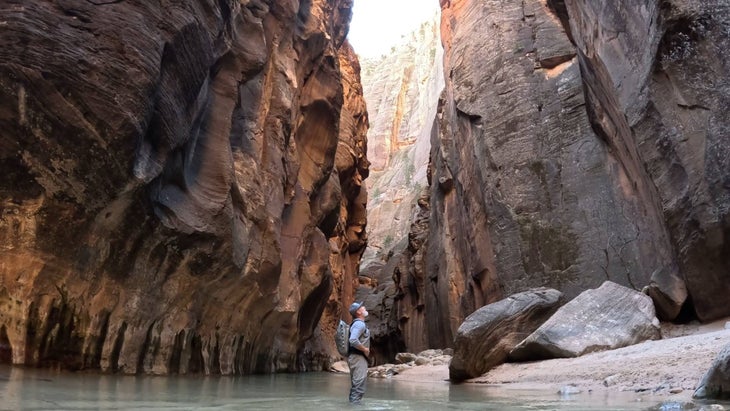
In no particular order, we have Acadia, Shenandoah, New River Gorge, Great Smoky Mountains, Mammoth Cave, Congaree, Everglades, Biscayne, and Dry Tortugas.
It’s a short list, but every national park in the East is an absolute banger.
- Acadia: Craggy shoreline, kayaking routes, lobster rolls.
- Shenandoah: Farmland meets rocky peaks and lush forests.
- New River Gorge: Let’s combine world-class rock climbing with world class whitewater and contain it within a single park!
- Mammoth Cave: Uh, just read the name. “Mammoth Cave.”
- Great Smoky Mountains (GSMNP): 6,000-foot peaks and the most biodiverse park in the National Park System
- Congaree: A badass swamp.
- Everglades: Gators, man. And crocs!
- Biscayne: Lagoons and islands galore.
- Dry Tortugas: Pretend you’re shipwrecked on a deserted island with snorkeling gear and kayaks.

National Parks out West: Superlatives Galore
Now, there’s no denying that Western national parks protect a lot of landscape superlatives. Tallest mountain in the U.S. (Denali National Park), tallest vertical rock face in the world (El Cap in Yosemite), deepest lake in the U.S. (Crater Lake National Park). I mean, the water is boiling and tie-dyed in Yellowstone. That’s pretty cool. But Western parks are just trying too hard. “Look at me! My mountains are so big!”
We get it, you have very big mountains and very deep ditches. Settle down. Meanwhile, Eastern parks contain a quiet dignity that’s expressed through more nuanced landscapes. It’s like the difference between watching an episode of Temptation Island and The Great British Baking Show. Sure, Temptation Island is flashy, but we all know which show puts you in a better mood.
So, here are three reasons why Eastern national parks rival Western national parks.
Why Eastern National Parks Are Better.
1. Biodiversity
Great Smoky Mountains National Park is considered one of the most biodiverse regions in the temperate world, with more than 22,000 known species documented within its borders. And that’s just the beginning, as scientists are constantly discovering new species and estimate the park holds around 80,000 to 100,000 life forms in total. There are probably more species in a parking lot in the Smokies than in all of Rocky Mountain National Park. Bucket list animal sightings in GSMNP are black bears and massive elk, which stand five feet tall at their shoulders.
And that’s just one park. Look at the Everglades, which is one of the last spots where you can find the Florida panther, and one of the only spots in the world where both alligators and crocodiles coexist, thanks to the mix of saltwater and freshwater habitats. Not to mention manatees, pythons (invasive, but still…) and more than 350 species of birds. Gators, crocs, panthers, and manatee—now that’s a safari.
2. There’s Grandeur Here, Too
OK, there’s nothing like the Grand Canyon on the East Coast. We’ve got canyons, but not to that scale. And scale is where Western Parks steal the show. They’re just bigger. The mountains, the gorges, the cliffs—Yosemite Valley is unlike anything else in the country. The sheer volume of the trees inside Sequoia National Park is awesome in the most literal sense of the word. I get it.
But you want grandeur? How about exploring the longest-known cave system in the world. Mammoth Cave has more than 425 miles of known passages lurking beneath the surface. If you’re looking for in-your-face beauty, show up to Shenandoah National Park in late September and early October when the entire hardwood forest has been painted red, yellow, and orange. It’s a showstopper of a performance.
And have you ever seen fireflies lighting up a meadow during a summer night? It’s spectacular. Even more spectacular: The species of synchronous fireflies found inside GSMNP that coordinate their light show. This park is one of the few places in the world where you can see these synchronous fireflies.
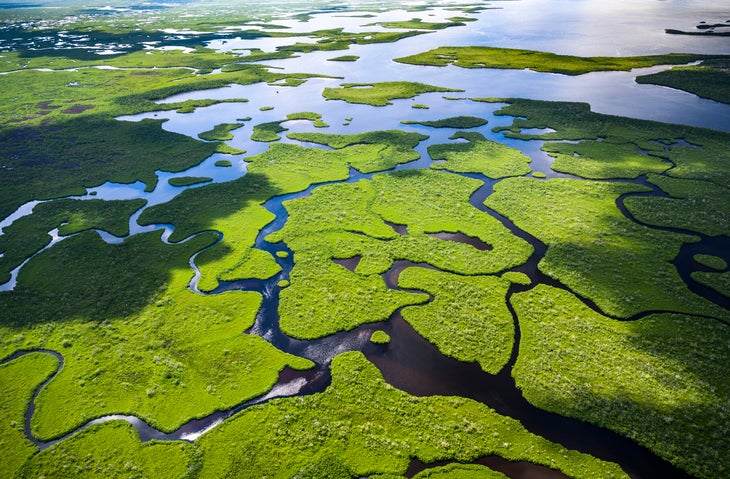
The East has big parks too. The Everglades is 1.5 million acres, making it the largest tropical wilderness in the U.S. The Seminole called it “the river of grass” because it contains an actual moving river that’s up to 60 miles wide.
Grandeur. Boom.
3. Accessibility
Sure, some of these Eastern parks get crowded, but that’s actually the biggest asset these parks bring to the table: they’re accessible. Half of the country’s population lives east of the Mississippi. You can dream about going to Yosemite Valley, but you can actually drive to Shenandoah from the nation’s capital in just a few hours and experience America’s best idea in person.
I grew up at the base of Kennesaw Mountain National Battlefield, which is a historic park within the National Park System located on the edge of Atlanta. It has an extensive trail system that traverses about 3,000 acres of surprisingly rugged hills and mountains. I run there every time I visit my parents and I’m astonished at the variety of languages I hear on the trail. It’s a national park inside a major, diverse city, and people of all backgrounds get to enjoy it. That’s the sort of accessibility that typifies parks on the East Coast: The Everglades is essentially a suburb of Miami; Great Smoky Mountains National Park is within a day’s drive of half the country’s population; and Acadia is just seven hours from New York City.
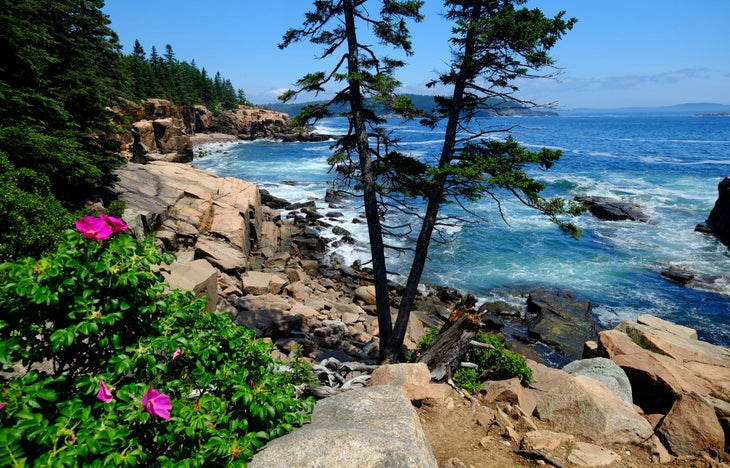
That proximity to the masses brings the grandeur and beauty of our National Park System out of the magazines and documentaries and puts it in our backyards. That’s invaluable.
Those are just the top three reasons why Eastern parks are the best parks. I could keep going. The Eastern U.S. has the most famous footpath in the world, the Appalachian Trail, which has gorgeous stretches through Great Smoky Mountains and Shenandoah. The Blue Ridge Parkway, managed by the National Park Service, is a two-lane road that travels 469 miles through the Southern Appalachians, making it the longest linear park in the country. Think about that. The Park Service had the foresight to preserve an entire road corridor through the Southern Appalachians. No stoplights, no development, just farms, forests and long-range views. A drive on the Blue Ridge Parkway is like traveling back in time. And it’s here,in the Eastern U.S.
Can you travel back in time in Glacier or Grand Teton? I don’t think so.
Graham Averill is Outside magazine’s national parks columnist. He travels to Western parks often and thoroughly enjoys his time there, but it’s possible he’s biased because he was born and raised in the East and has a chip on his shoulder because everyone says all the cool stuff is out West.
The post National Parks Out West Get All the Hype, but I Prefer Our Eastern Ones. Here’s Why. appeared first on Outside Online.

