“Конкордын угсаа залгамжлагч” гэгдэх X-59 онгоц дуунаас хурдан нислэгийн үе шатыг амжилттай давж, төлөвлөсөн техникийн үзүүлэлтүүдээ баталгаажууллаа.
NASA-гийн “Quesst” төслийн хүрээнд 10 орчим жил хөгжүүлж буй X-59 онгоц хамгийн сүүлийн туршилтын үеэр 55,000 фут өндөрт, 1.4 Мах буюу дуунаас хурдан хурдтайгаар нислэг үйлдлээ. Энэхүү үзүүлэлт нь ирээдүйн арилжааны зориулалттай дуунаас хурдан нисэх онгоцнуудын бодит ажиллагааг бүрэн харуулж байна.
Уг төслийн гол зорилго нь дуунаас хурдан нислэгийн үед үүсдэг хүчтэй дууны цохилтын (sonic boom) асуудлыг шийдвэрлэхэд оршиж байв. Уламжлалт онгоцнуудаас ялгаатай нь X-59-ийн хийц нь дууны хурдыг давахад үүсэх дуу чимээг эрс багасгаж, ойролцоогоор 100 метрийн зайд машины хаалга хаагдах чимээтэй дүйцэхүйц “дууны тогшилт” (sonic thump) болгон бууруулжээ.
Олон улсад дуунаас хурдан нислэгийн үед үүсэх чанга дуу чимээг хуулиар хориглосон байдаг тул энэхүү технологийн дэвшил нь иргэний агаарын тээвэрт дуунаас хурдан нислэгийг эргэн нэвтрүүлэхэд чухал алхам болж байна. Хэдийгээр арилжааны нислэг эхлэхэд хугацаа шаардлагатай байгаа ч X-59-ийн энэхүү туршилт нь техникийн болон хууль эрх зүйн саад бэрхшээлүүдийг даван туулах боломжтойг нотлон харууллаа.
Дэлгэрэнгүйг эх сурвалжаас харах
↓Эх сурвалжийг нээх ↓
The new NASA X-59, the Son of Concorde as some people call it, reached its supersonic target points for the first time, which sounds great but requires some context.
NASA had set several target points, which is corporate speak for the ‘plane did what we wanted it to do’.
And that’s certainly good news.
More importantly, NASA seems to have solved the ultimate problem.
This is why they’re talking about ‘target points’
With enough time and money and no legal and bureaucratic constraints, building a supersonic aircraft is technically doable.
However, if you want to build a commercially viable aircraft that can legally fly supersonic from, say, London to New York, which is what Concorde did, there are a lot of boxes you need to check.
So when they say the aircraft achieved its ‘target points’ and its ‘mission-design’ – the Quesst mission – performance, what they mean is the plane did exactly what they hoped it would.
There are two main things, two main items on the menu, so to speak.
Has NASA solved the sonic boom problem that Concorde had?
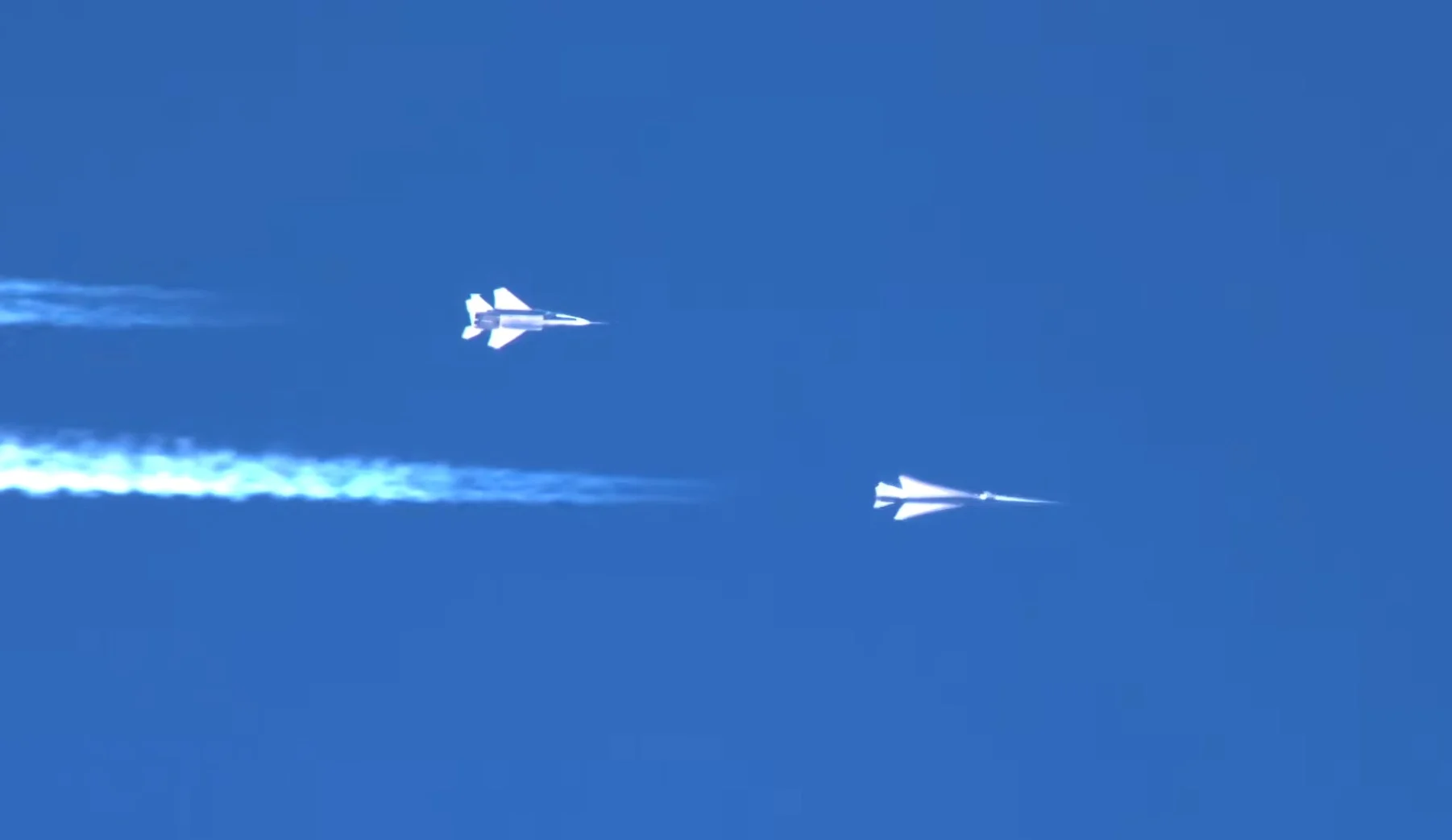
The X-59 – or Son of Concorde as some people call it – has been in development for about 10 years, but NASA is accelerating.
Over the last couple of years, they built a working prototype, got it first to near-supersonic speeds, and then to supersonic-level speeds.
In their latest test, the NASA X-59 was able to fly at an altitude of 55,000 feet at Mach 1.4, which is basically a real-world simulation of what similar planes are expected to do when they become commercially available.
The second thing is the sonic boom, which NASA has apparently removed.
One of the biggest problems with supersonic flying is that several countries outlawed the sonic boom, the distinctive (and loud) noise the plane makes when it breaks the sound barrier.
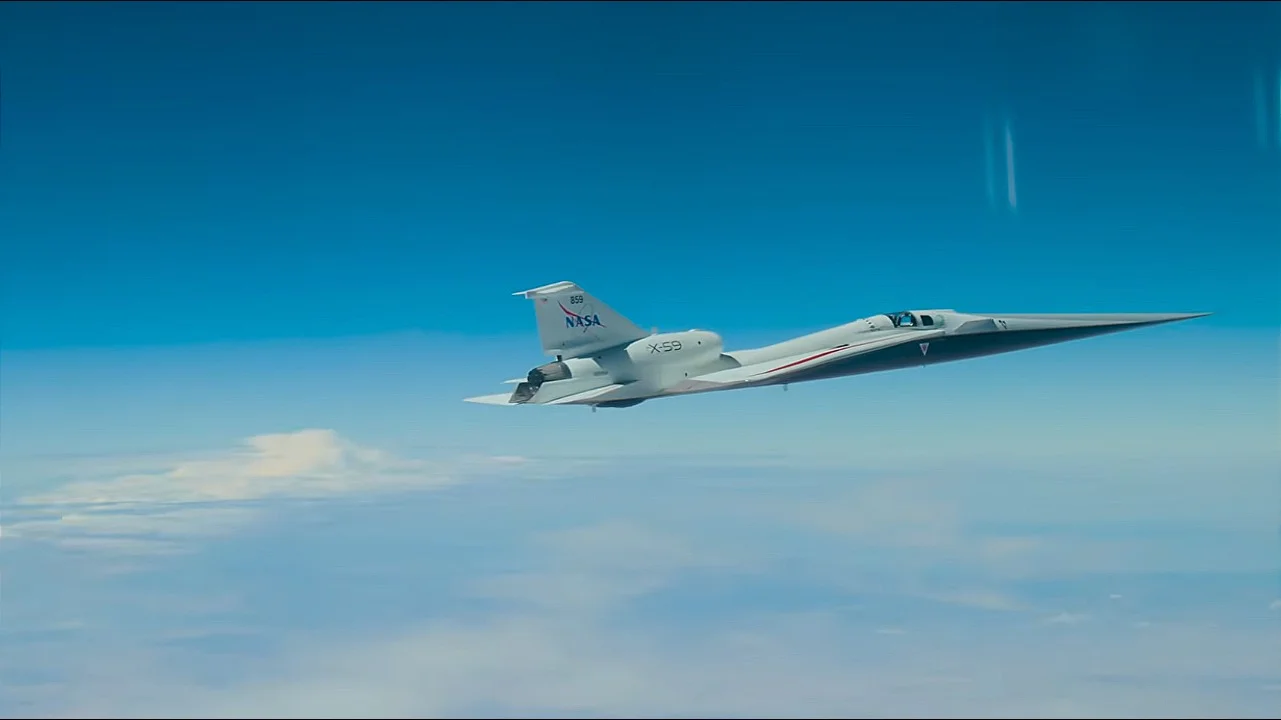
Unlike traditional supersonic aircraft that produce a disruptive, jarring sonic boom, the X-59 is uniquely engineered to generate a quiet‘sonic thump’.
It produces the same noise as someone slamming a car door about 100 yards from you.
We’re still a long way from flying supersonic again.
But this is certainly a step in the right direction.