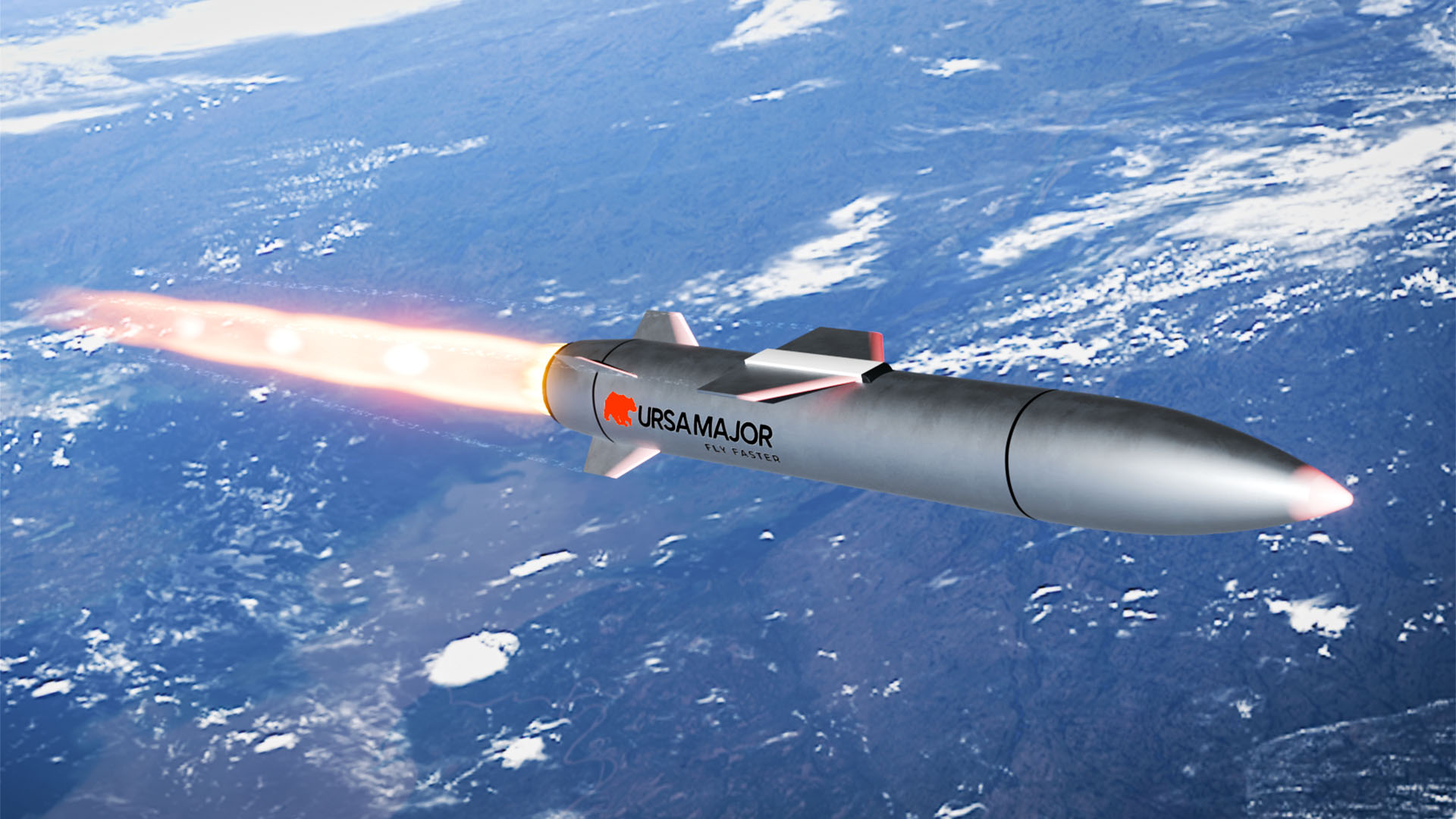
Ursa Major компани батлан хамгаалах салбарын зэвсэглэлийн дутагдлыг нөхөх зорилгоор 3D хэвлэх технологид суурилсан гиперсоник пуужин болон хатуу түлшний хөдөлгүүрийн шинэ шийдлүүдийг танилцууллаа.
Ursa Major компанийн гүйцэтгэх захирал Крис Спагнолеттигийн мэдээлснээр, 2026 оны эхээр олон нийтэд танилцуулсан “Havoc” гиперсоник пуужин нь өртөг багатай, үр ашиг өндөртэй байхаар бүтээгджээ. Тус пуужин нь 3D хэвлэх технологиор үйлдвэрлэсэн хөдөлгүүртэй бөгөөд дайсны радарт өртөх магадлал багатай, нислэгийн үеэр маневрлах өндөр чадвартай юм. Энэхүү систем нь АНУ-ын зэвсэгт хүчний тулгамдсан асуудал болох пуужингийн нөөцийг хурдан хугацаанд нөхөх, үйлдвэрлэлийн процессыг хялбарчлах зорилготой ажээ.
Тус компани нь зөвхөн хөдөлгүүр нийлүүлэгч байхаас гадна пуужингийн эцсийн бүтээгдэхүүн үйлдвэрлэгч болон өргөжин тэлж байна. Ялангуяа хатуу түлшний пуужингийн хөдөлгүүр (SRM) үйлдвэрлэхдээ модульчлагдсан, уян хатан үйлдвэрлэлийн шугамыг ашиглаж байгаа нь өөр өөр төрлийн пуужинг богино хугацаанд солиж үйлдвэрлэх боломжийг бүрдүүлжээ. Ингэснээр металл эд ангийг 36 сар гаруй хугацаанд үйлдвэрлэдэг уламжлалт арга барилаас татгалзаж, шаардлагатай тохиолдолд үйлдвэрлэлийн хүчин чадлаа хурдан нэмэгдүүлэх давуу талтай юм.
“Havoc” пуужингийн гол хөдөлгүүр болох “Draper” нь устөрөгчийн хэт исэл болон пуужингийн түлшээр ажилладаг бөгөөд агаар мандлын дотор болон гаднах орчинд аль алинд нь ажиллах чадвартай. Энэхүү систем нь агаарын болон газрын тавцангаас харвах боломжтой, нислэгийн чиглэлээ дур мэдэн өөрчлөх, хурдаа тохируулах чадвартай стратегийн чухал зэвсэг гэдгийг тус компани онцолж байна. 2027 онд уг пуужингийн бүрэн хэмжээний гиперсоник нислэгийн туршилтыг хийхээр төлөвлөж байгаа бөгөөд энэ нь АНУ-ын батлан хамгаалах салбарт шинэ боломжийг нээх юм.
Дэлгэрэнгүйг эх сурвалжаас харах
↓Эх сурвалжийг нээх ↓
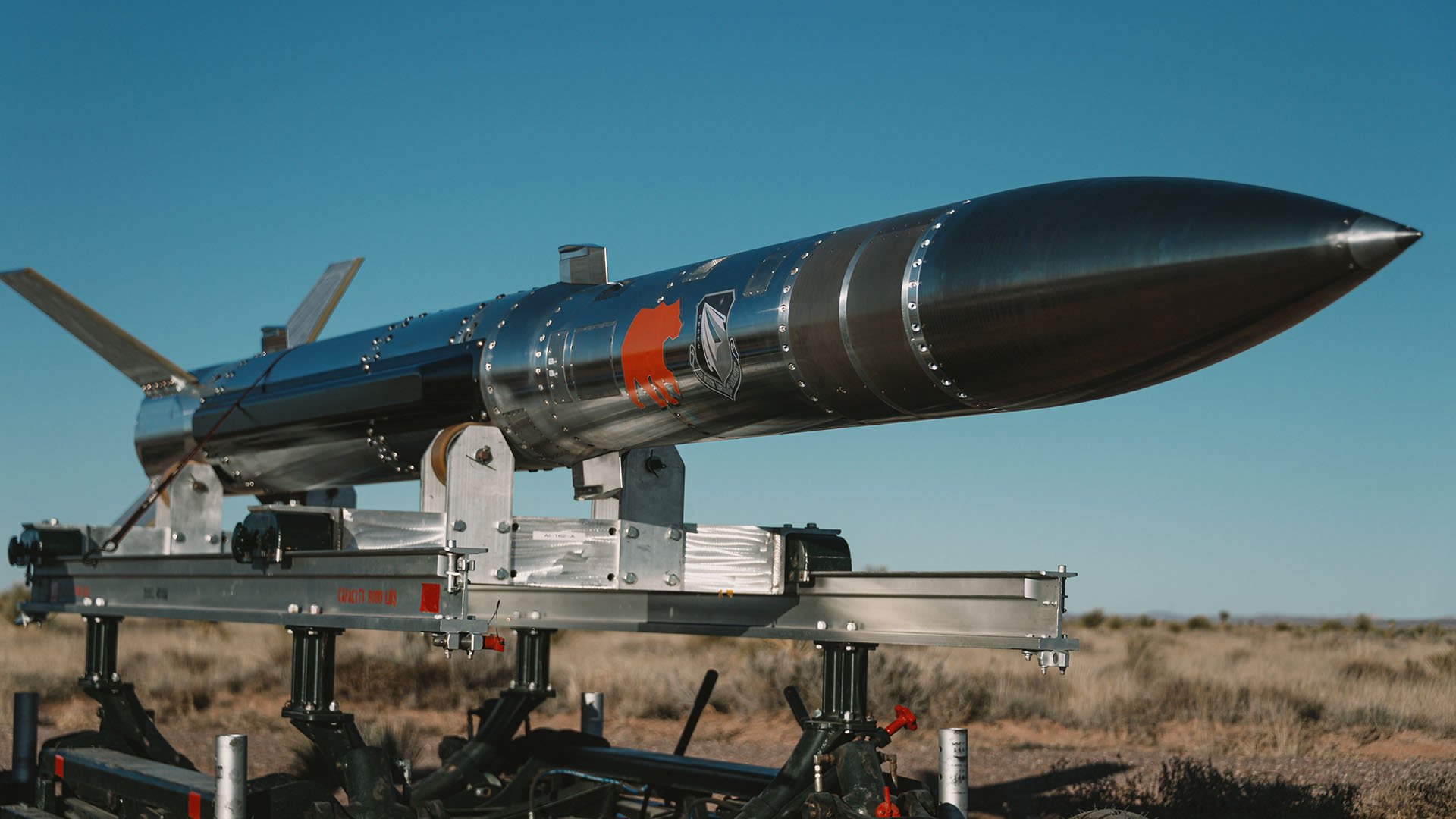
“Imagine the scenario; one of our Havoc hypersonic missiles loaded on an F-15EX Eagle with a mission profile locked-in and ready to go. This new missile is designed for low-cost and high-effect – it’s very difficult for an adversary to track in flight,” explains Chris Spagnoletti, chief executive officer of Ursa Major, as he discusses the company’s expanding hypersonics activities. Part of a company strategy to help overcome critical Department of War munitions shortages, Ursa Major’s Havoc was unveiled in early 2026. With a unique 3D-printed propulsion system, Havoc has been envisioned as a hypersonic missile that aims to re-write the rulebook for these types of weapons.
Ursa Major’s ambitious vision comes at a time of something of a renaissance in U.S. aerospace development and defense manufacturing, with newer firms establishing major positions within a rapidly evolving marketplace. These fresh takes on cutting-edge defense technologies also come as the United States celebrates its 250th birthday and looks back on a history of unlikely up-starts changing the world with new ideas and ways of doing business. It’s in this same spirit that Ursa Major looks to stake its claim.
The firm is evolving from a propulsion provider into a prime contractor and integrator with a keen focus on hypersonics and solving a need for affordable high-speed missiles at scale for the U.S. and its allies. In recent operations, the U.S. has fired a vast number of standoff air-to-ground weapons including more than 850 Tomahawks cruise missiles in the recent war with Iran and hundreds of high-end interceptors, stressing a system that’s been constrained by prolonged replenishment timelines.
Spagnoletti says he strongly believes that hypersonic missiles are “the most important and pressing issue within critical munitions, with solid rocket motors coming close behind.” The company’s approach to design and production in both of these areas means Spagnoletti sees Ursa Major as being “well positioned to solve” these pressing requirements for the U.S. military.
“We are innovating on manufacturability and on new munition systems,” he continues. “It’s all under the umbrella of scalable munitions. Ursa Major’s founders really focused on developing very complicated propulsion systems, but with a strong propensity on design for manufacturability – essentially developing very high performing rocket engines as low-cost and as reliably as possible.”
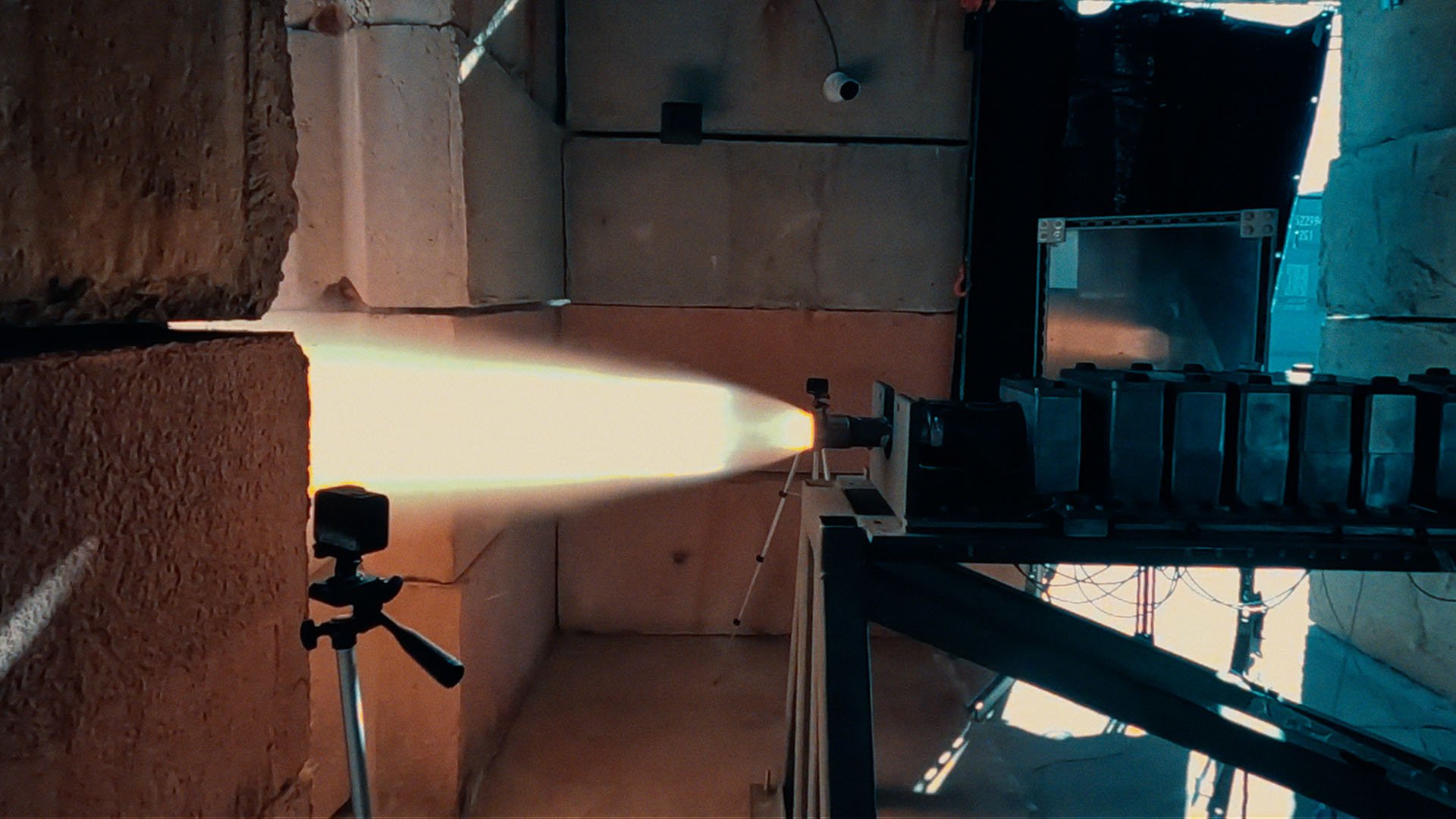
Ursa Major has produced hundreds of engines and motors and accumulated more than 135,000 seconds of hotfire test time in under a decade. From its very beginnings the company has innovated through advanced manufacturing techniques that have evolved to leverage AI-enabled 3D-printing, specifically metal printing. “We’re looking at the problem set, and the landscape here is about how we can help the United States catch up as quickly as possible. We don’t just want a “me too” product, because we find there’s a lot of that in this space. This is about finding real answers to the desperate need to replenish our critical munitions fast,” says Spagnoletti.
Solid rocket motors in high demand
Having started out with liquid rocket engines, Ursa Major increasingly saw a burgeoning requirement for solid rocket motors (SRMs) for munitions, which Spagnoletti says have remained tied to traditional manufacturing approaches. Ursa Major says its approach to SRM manufacturing is designed to complement and strengthen the broader defense industrial base by providing flexible manufacturing capacity, common architectures, and modernized production methods.
Ursa Major’s manufacturing approach fundamentally changes how SRMs are designed and built using additive manufacturing, modular tooling, and software-backed production cells. This enables rapid switching between SRM variants without expensive retooling, which reduces production timelines and increases flexibility.
In addition, Ursa Major’s highly-loaded grain technology increases motor performance and range without increasing motor size. By leveraging common architectures and using a limited set of qualified propellants, it says it can reduce qualification timelines and simplify production across multiple variants. The company’s energetics (solid propellent grain) strategy aims to expand domestic propellant capacity and reduce dependence on fragile supply chains, while using reliable mix, cast, and cure processes.
“Both in the liquid rocket engine side, and in solid rocket motors, the approach from the outset is deeply embedded in our culture; how we design, how we build, how we scale,” says Nick Doucette, co-founder and vice president of strategic operations for Ursa Major. “We came at the manufacturing problems from a completely different direction. We started out building liquid rocket engines, which were – to a degree – supporting the launch industry. That approach allowed us to develop new platforms that use new types of fuels or higher performance rates and lower costs.”
“From the start it helped support a growing launch industry, but very quickly it started to find its way into the hypersonics community as our engines, products, and performance points really started to solve some interesting problems. As we leaned heavily into the hypersonics needs, we realized that the early Ursa Major approach in manufacturing and the types of tech that we’re using are really solving some of the actual problems, and that led to our solid rocket motor programs.”
When building solid rocket motors, the inert part of the manufacturing leverages additive manufacturing heavily – Ursa Major avoids fixed tooling. “For example, after we qualify a motor, say a specific diameter booster, and then the government comes back to us and says that the adversaries have adapted. Now they want slightly different thrust, or maybe get additional range. We’ve already thought about that, our manufacturing line doesn’t need to change. We can use the same manufacturing line and adapt it,” explains Spagnoletti.
“We kept the energetics formulation essentially the same – it’s tried and true and it has been munition-tested for years – but we looked at the problem from the manufacturability of the entirety of the system. From a contracting point of view, this gives the government a lot more flexibility and to be as agile as the adversary. This has been happening on the development side for the past three years, working with several primes and the U.S. Navy. They’re inherently leveraging our ability to turn things fast, and now that’s translating into contracts for us.”
“The Navy really understood our approach to manufacturing,” adds Doucette. “They challenged us to apply our approach with liquid rockets to the solid rocket motor industry. To look at the problems and peel back the onion on solid rocket motors. What we found is that the choke point actually lies the metallic components that make what we call the inert tube section, that then gets packed with the energetics. The energetics are difficult for sure, but what actually chokes the supply chain is the 36-plus months to make the metallic tube structures. To compound the problem, all these production lines of the last 30, 40, 50 years are designed around one platform. Can you imagine an automotive company that has a huge expensive factory but only ever makes one car model! I mean, it would economically go out of business.”
“We have demonstrated that, by looking at the steps to make a solid rocket motor, be it metal printing the end domes or how we do the internal features and make the actual case to how we in some cases load the highly-loaded grain to get more performance, we can do all of it on the same production line for any motor between two inches and 22 inches in diameter. The same equipment, the same people, the same factory footprint. If we want to scale, we just copy paste the factory. If the demand signal changes in a year – which if recent conflicts give us any indication they probably will – that factory can switch over to a different munition. We just stop making one size and tool up for the new size in a matter of months.”
Ursa Major’s primary 93-acre corporate headquarters is located in Berthoud, about an hour north of Denver, Colorado. Here the company has the facilities to test its liquid rocket engines on site and it also designs, develops, and manufactures here. “Our main building is really split in half,” explains Spagnoletti. “On one side we have liquid rocket engine manufacturing and development to power hypersonics, and on the other behind a steel rolling door are the solid rocket motor development and low-rate production as part of our replenishment of critical munitions.”
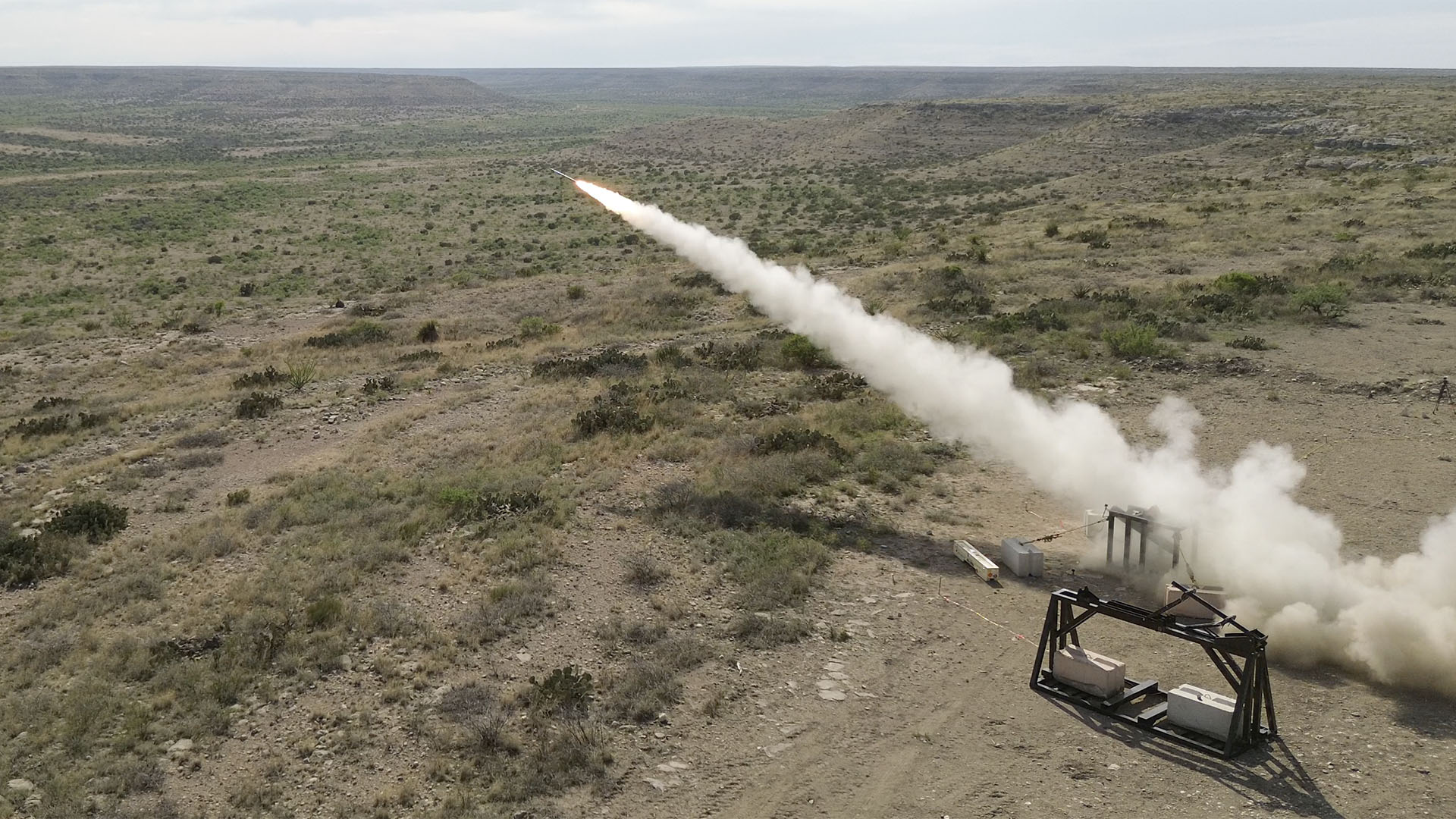
“At the Colorado site, we’re actually grinding, mixing, casting, curing thousands of pounds of energetics per year for our solid rocket motors, with a lot of automation built-in to not only protect the people but also to make the process more consistent. We have another site for our high volume solid rocket motor production – it needs a lot of space – and we are targeting to manufacture hundreds of thousands of pounds of energetics for use in various shapes and sizes by the middle of 2027.”
The company has expanded with more than 400 acres for SRM production in Galeton, Colorado.
Solid rocket motors of all sizes
Nick Doucette already sees the solid rocket motor work evolving. “We will eventually boost-power our Havoc system with our solid rocket motors. Remember, we got into SRMs due to seeing the critical munition needs, with an open door for manufacturing innovation and a problem we want to help solve. So we’ve built a manufacturing approach and we are now building a multitude of different size classes for different customers.”
The smallest SRM that Ursa Major is actively working on is for the Advanced Precision Kill Weapons System, or APKWS, from BAE Systems. “This currently uses a very dated motor and there’s been a lot of need in the industry to essentially innovate on that motor,” explains Doucette. “So we’ve been working extensively with both BAE Systems and the U.S. Air Force on that particular platform, especially with highly loaded grain, and we see a very promising future there.”
Doucette explains that Ursa Major has already made several hundred 2.75-inch motors for testing and development. This will be an extended range version of the motor, packing a significantly larger amount of energetic material into the same size rocket casing.
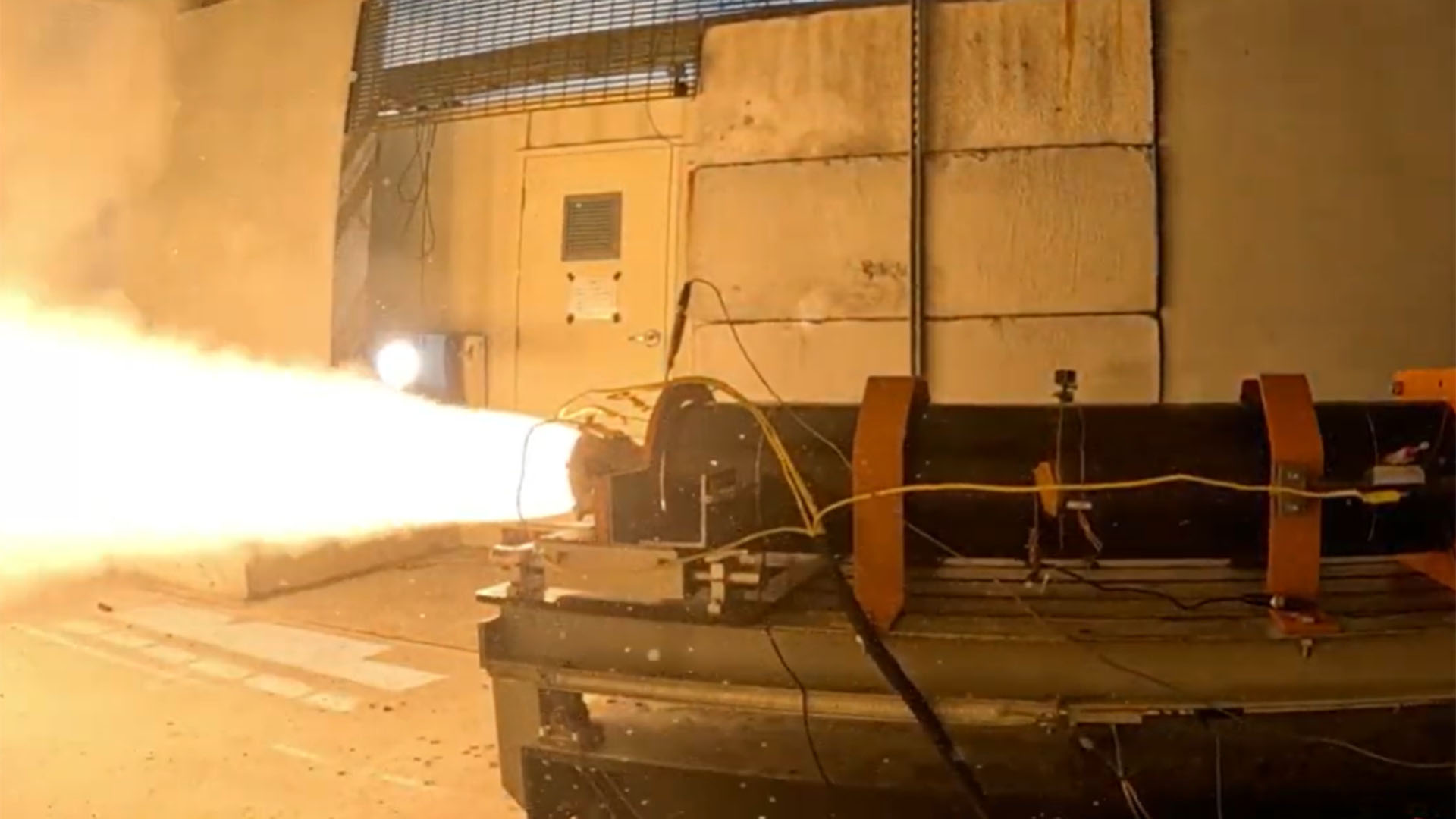
In 2024, Ursa Major won a contract with the Naval Energetics Systems and Technologies (NEST) program to develop and test a new design to apply its SRM manufacturing processes to the Mk104 dual-thrust rocket motor that powers the U.S. Navy Standard Missile 2 (SM-2), used for surface-to-air defense, and the SM-6 anti-air, land, and sea missile.
Trusted solid rocket motor providers are in limited supply, and the versatility of Ursa Major’s production process opens up a raft of potential opportunities, particularly in the missile defense space. The 10-14-inch range is what Doucette calls a “sweet spot” for interceptor missiles.
Asked about air-to-air missiles, Doucette says: “of course, we’re looking at it. There’s been a lot of conversations around how Ursa Major would approach the problem, but we have a lot going on already, so we’re making sure we don’t try to swallow the whole critical munitions list at once.”
“Most of these larger hypersonic weapons are all boosted,” adds Doucette. “These have a booster in the back end, and we have additionally completed internal work to develop that 22-inch diameter SRM capability. So now we can do anything from 2-inch to 22-inch on that same production line using our common modular manufacturing approach.”
Unleashing Havoc
Ursa Major’s parallel efforts in hypersonics brings the story full circle. Alongside the solid rocket motors business, hypersonic missiles have become a critical part of the company’s efforts, as Nick Doucette picks up the story.
“There’s two specific products that Ursa Major makes in the hypersonics realm right now. The first is an engine that’s liquid oxygen-powered with rocket fuel. We call it Hadley, and we’ve had that for the better part of a decade. Hadley powers the Stratolaunch hypersonic Talon A testbed, for example. We don’t make the vehicle, we just provide the engine and support services, and Hadley has flown 10 times now.”
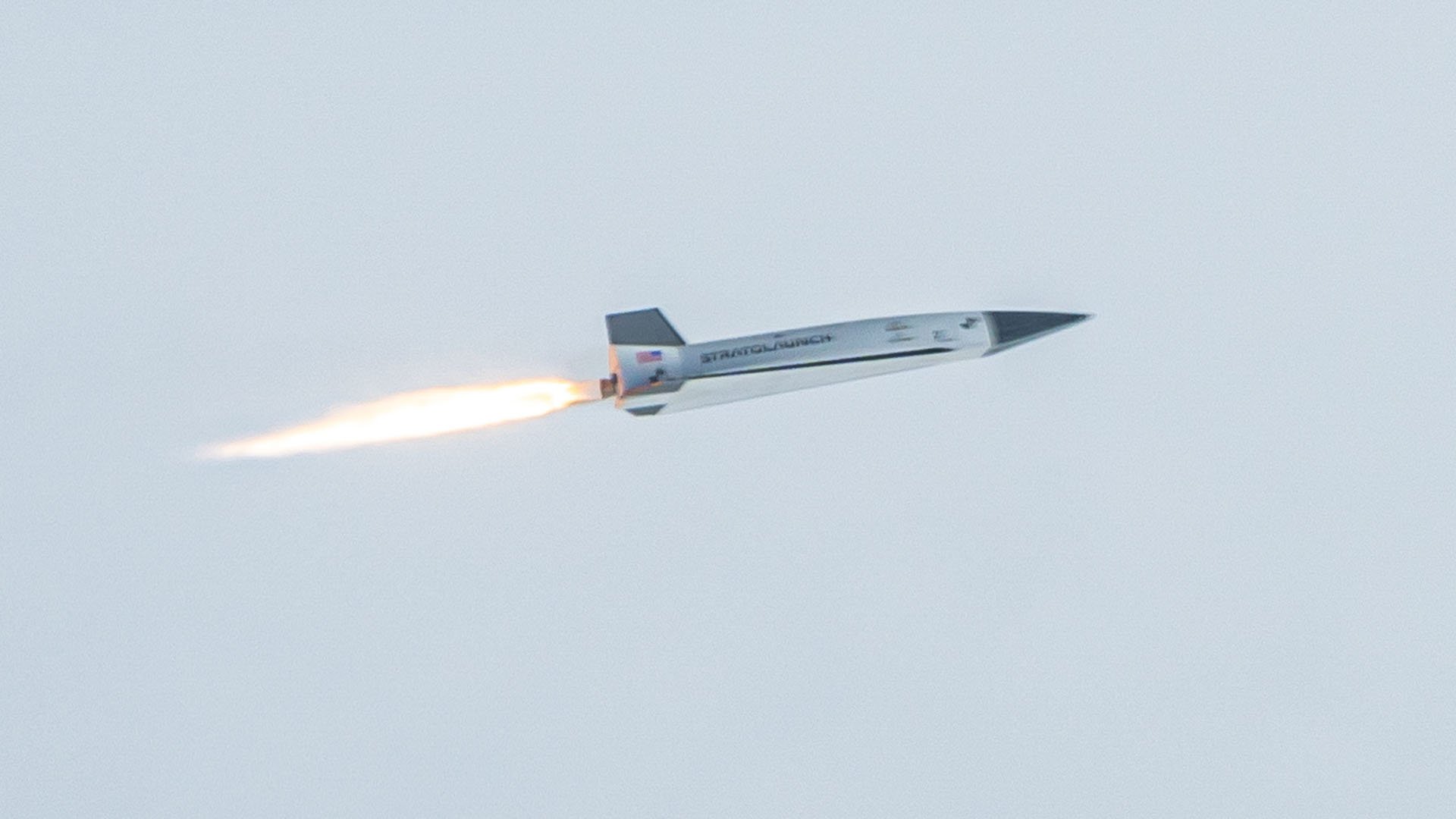
“The challenge with Hadley is that it uses cryogenic liquid oxygen, which presents a whole suite of issues from a tactical perspective. A military user can’t sit and wait for the propellant to get cold, like you do with liquid oxygen. We needed to make a similar engine, slightly lower thrust, a little smaller, but essentially in the same packaging, make it storable and most importantly, make it tactical, so that you can drop it from a plane or shoot it vertically from a ship. So we switched from liquid oxygen to hydrogen peroxide.”
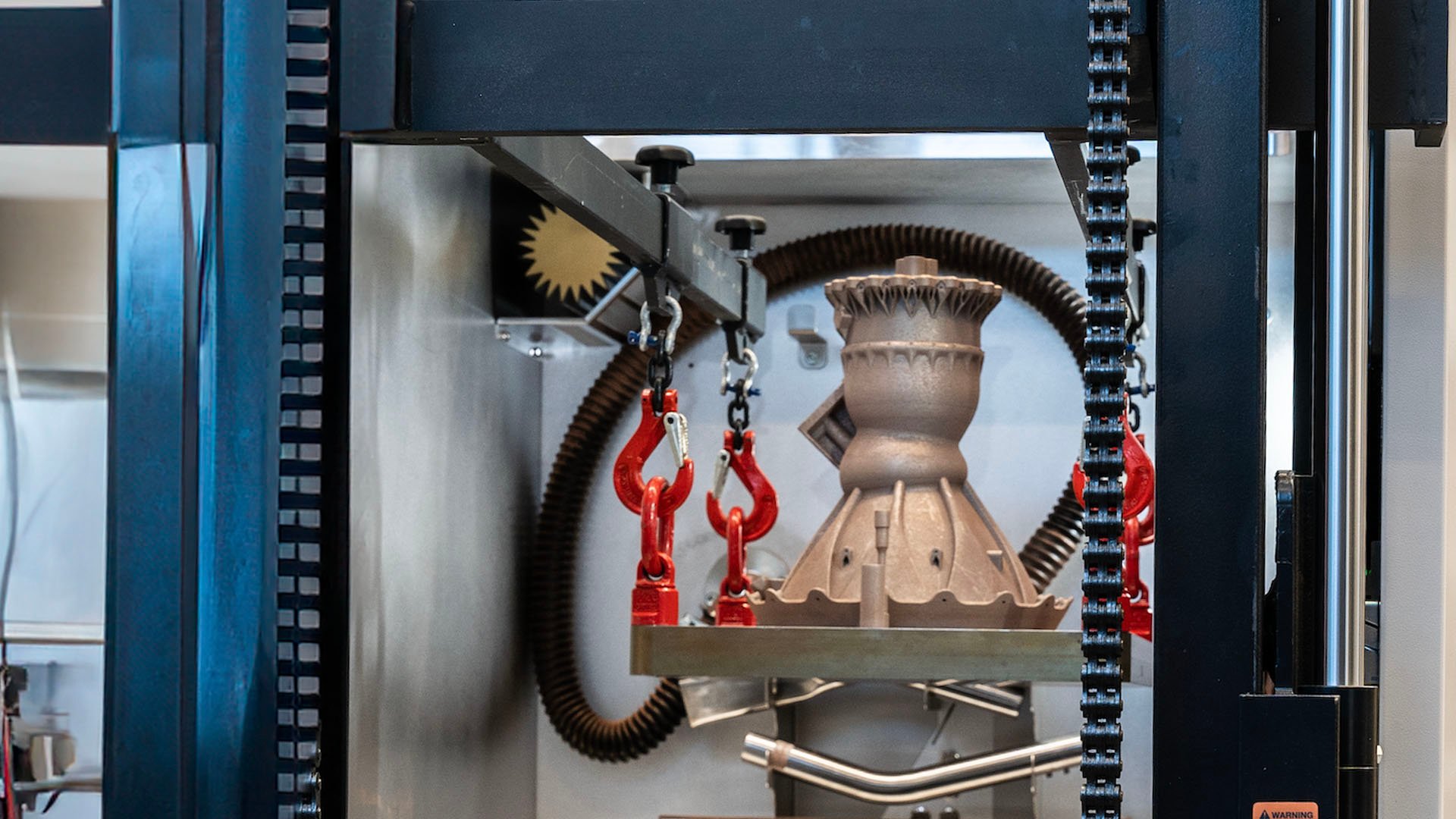
“The catch there was that the only way we were able to do that in the right packaging, tightness, and density, was to use 3D-printing. Fast-forward through six years of insane additive development and the Draper engine became a reality. It simply would not have been possible without massive advances in the additive world because of the complexity of what we’re doing geometrically. It’s a really challenging thing to do.”
Draper is a 4,000-pound-thrust engine that is powered by hydrogen peroxide and rocket fuel. Its use of non-cryogenic storable propellants enables long-duration storage, rapid deployment, and operational flexibility in real-world conditions. Its massive potential drove Ursa Major to search for a suitable hypersonic vehicle design to match it with.
“We strongly believed that Draper introduced a differentiating threat vector for any adversary,” Doucette continues. “China has had boost-glide hypersonics for a decade. Other hypersonic designs use a scramjet, which are costly and complex. Draper opened up hypersonic performance, where you have a wide range of trajectories and adaptability as well as other really creative mechanisms that, to be honest, the adversaries don’t have. I mean it’s wildly different, which we see as being a very valuable asset to the national security arsenal.
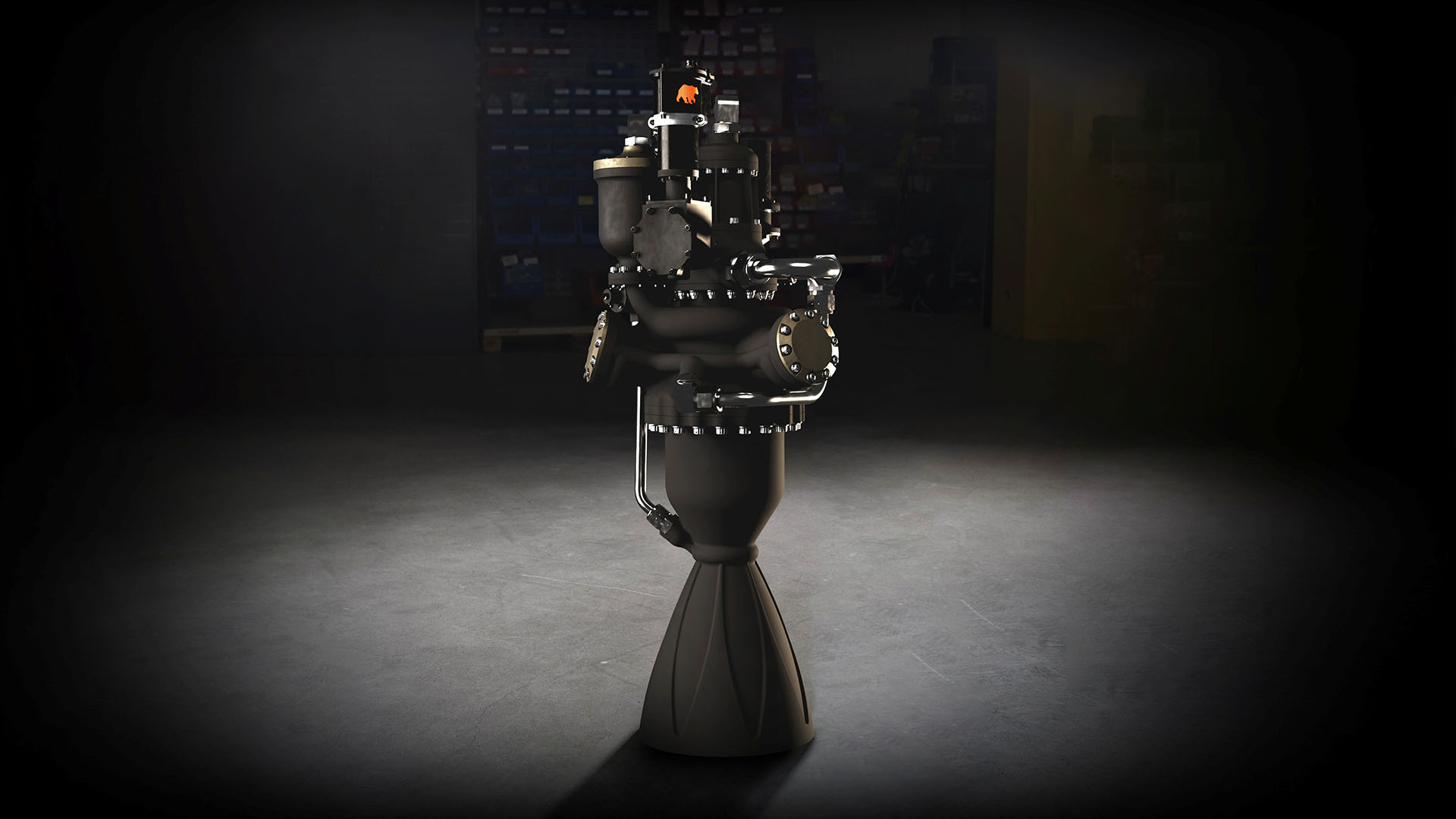
“The concept of using a liquid rocket engine for a hypersonic weapon is absolutely game changing. Draper can be throttled – unlike solid rocket motors that use a pre-mixed propellant and oxidizer that cannot be controlled once ignited – plus it’s designed to be more safely stored than other liquid rocket engines, providing the tactical storage capabilities that are typical of a solid rocket motor.”
Doucette says that Ursa Major looked to find a partner for the vehicle itself, but concluded that none were suitable, particularly when it came to moving fast. The decision was made to go it alone in-house with an air vehicle. The result is Havoc, which is designed like other hypersonic programs to fly in excess of mach 5, and intended to be launched in a variety of ways; as a single-stage from an aircraft or ground-launched with added booster stages. It’s also designed to run out at circa $3-million apiece. “We entered a rapid campaign in partnership with the Air Force Research Laboratory and we went from concept to flight-ready in about six months,” Doucette says.
Hypersonic missiles currently in testing with the USAF include the AGM-183A Air-Launched Rapid Response Weapon (ARRW), which is a boost-glide hypersonic system, with rocket boost and an unpowered glide vehicle inside. The Hypersonic Attack Cruise Missile, or HACM, also features rocket boosters, but with an air-breathing scramjet second stage vehicle. Both are limited to operations in the Earth’s atmosphere – whereas Havoc can operate either in or above the atmosphere.
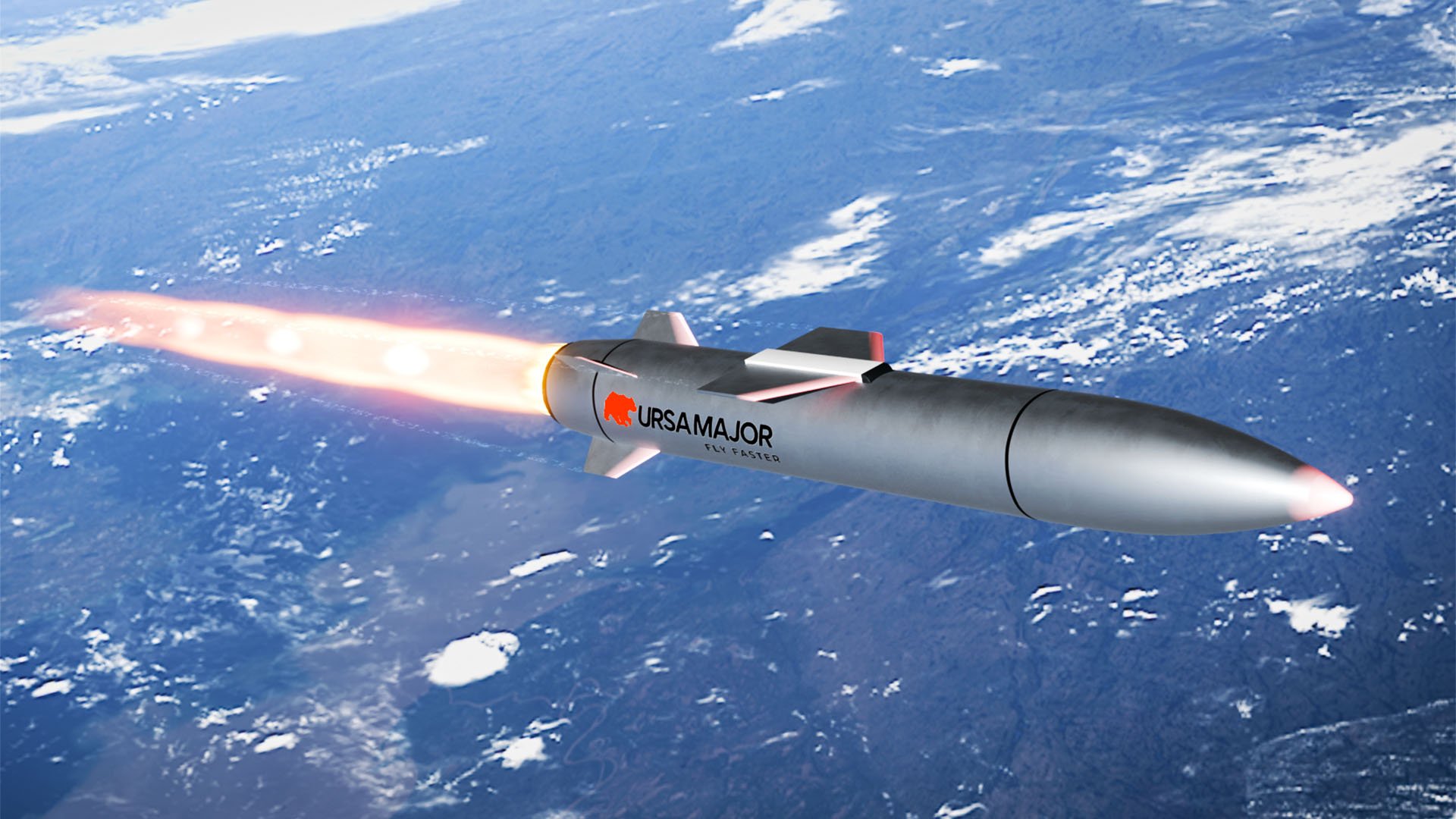
“With regard to propulsion in aerospace defense, there’s three main types; air-breathing, solid powered, and liquid powered,” Doucette explains. “In the world of hypersonics, specifically, we’re talking about fast-moving, somewhat unpredictable, missile systems that are moving at over five times the speed of sound. You have the same propulsion methods, but liquid fuel has never really been introduced.”
“The air-breathing hypersonic weapons are typically scramjets and ramjets, which the U.S. has been developing for a very long time. They’re expensive and exquisite, but very long range.
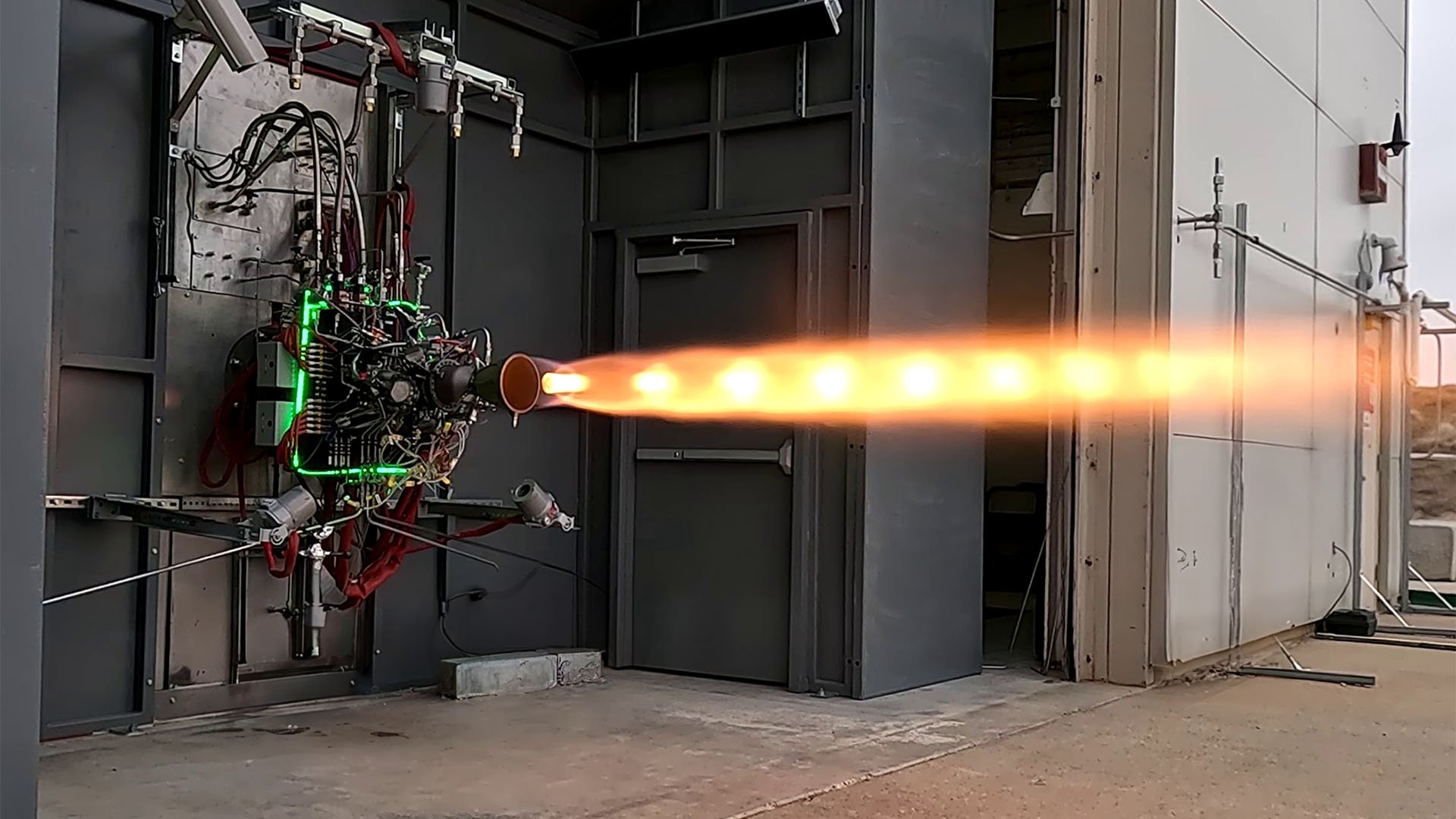
“China has something in the order of 600-700 operational boost-glide systems in its arsenal right now. This is not new to them. They’ve been practicing, watching, and rehearsing.” Doucette warns that the U.S. fielding a boost-glide or scramjet hypersonic weapon may not really change the dynamic, which is why Ursa Major’s argument for its liquid-powered weapon is so strong.
“The novelty of being liquid-powered is that it carries its own oxidizer and fuel, which means it can go anywhere – in the atmosphere, out of the atmosphere, high, low. A solid rocket can technically do the same thing, but the big difference with the liquid system is that it can turn on and off an infinite number of times. A solid is going where it’s going, but a liquid could be on one trajectory and a split second later turn it off, then instantaneously head on a different trajectory because you can maneuver it from a powered vector perspective. Draper is also fully throttleable down to 10% all the way up to 100%.”
There are currently no competing systems that have the ability to bridge the gap between running in atmosphere and out of atmosphere with such a degree of throttle control. Ursa Major is currently the only company with a hypersonic vehicle and experience in the liquid-powered hypersonic realm. It has twice ground-launched from a rail what it calls “Havoc Block 0” in partnership with the Air Force Research Laboratory, under its Affordable Rapid Missile Demonstrator (ARMD) program. These demonstrator flights have been designed as multi-domain tests. “The great thing about Havoc is that we can alter the wings, add our solid rocket motor boost system, and it means we can ground launch, VLS [vertical launch system] launch, or air-launch,” Doucette says.
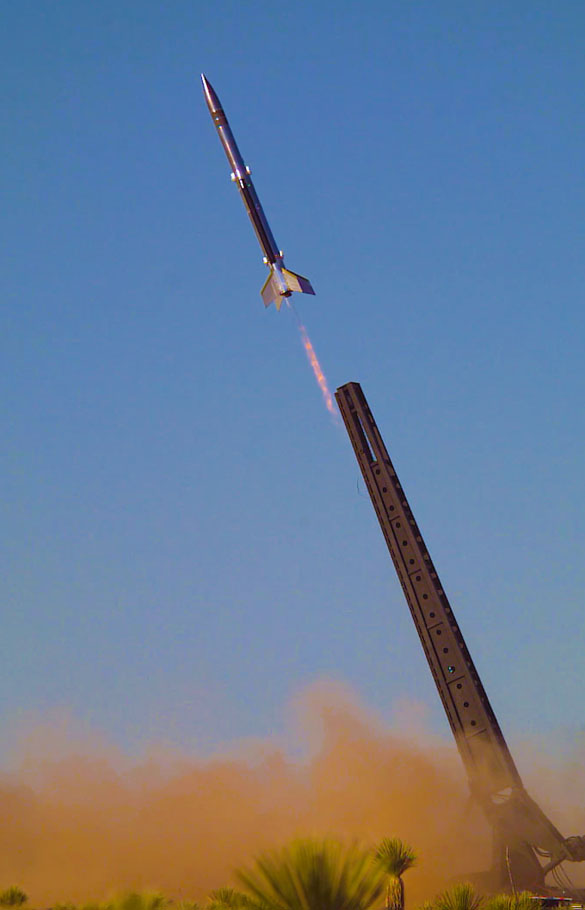
“Havoc provides something the Department of War has not previously seen,” adds Chris Spagnoletti. “Having a mid- and long-range tactical weapon that can deep throttle, turn on and off at will, is agnostic to atmosphere, rapidly change vector, accelerate and de-celerate, skim the sea, fly outside the atmosphere – this really opens up the aperture of what a munition can do. This is very tough for conventional systems to figure out what it’s intending to do.”
Rapidly scaling production
Spagnoletti says Ursa Major’s hypersonic program can scale quickly because of the company’s additive manufacturing and AI-driven manufacturing processes. Draper’s liquid propellant also has additional advantages when it comes to production. “We can drain the fuel, bring them into a facility, and that now-inert system doesn’t need massive keep-out distances,” explains Spagnoletti. “So, say in a 100,000 square foot building, we can produce 500 full-up missile systems per year inert, then fuel them right before we ship them or at the operational location.”
“Some companies are advocating for things like multi-year contracts, and that really matters to them because they’re setting up rigid long-term production lines. We’ve flipped that on its head where if a customer decides in say five years they want this weapon to look different, we have a common modular approach that we can swap things out. Most of the aerospace systems I’ve worked on in my career have long five or 10-year windows. Design, build, qualify – they don’t want to make hardware changes because it’s going to take ages and cost a lot of money to modify and qualify those systems. They’re inherently resistant to change, not because they don’t want to help and adapt, but because the system allows a massive amount of inertia, production lines have rigid tooling and processes, they can’t adapt. What’s different about Ursa Major is, again, that we design for manufacturability and leverage advanced manufacturing.’
In addition to its Colorado facilities mentioned earlier, Ursa Major also has a plant in Youngstown, Ohio, which is a center of excellence for 3D-printing, they then ship to Berthoud for final assembly and test. A lot of parts and components are manufactured in house, including valves, tanks, pressurization systems, avionics, but it does have dependency on some external suppliers where appropriate. “We have some really strong partnerships where we can’t bring things in-house. We’re such experts in additive manufacturing that we know when not to do it.”
“Importantly, we are not reducing costs by using the cheapest parts. In my 36 years in the aerospace industry, when it comes to building a critical munition, I know the devil’s in the details – it has to work every time and there’s only so cheap you can go before you start to sacrifice reliability. Some of our competitors are trying to achieve a lower cost hypersonic system, which is great, but those are typically salvo weapons where you just launch a lot of them. The Havoc missile system is more of a strategic asset.”
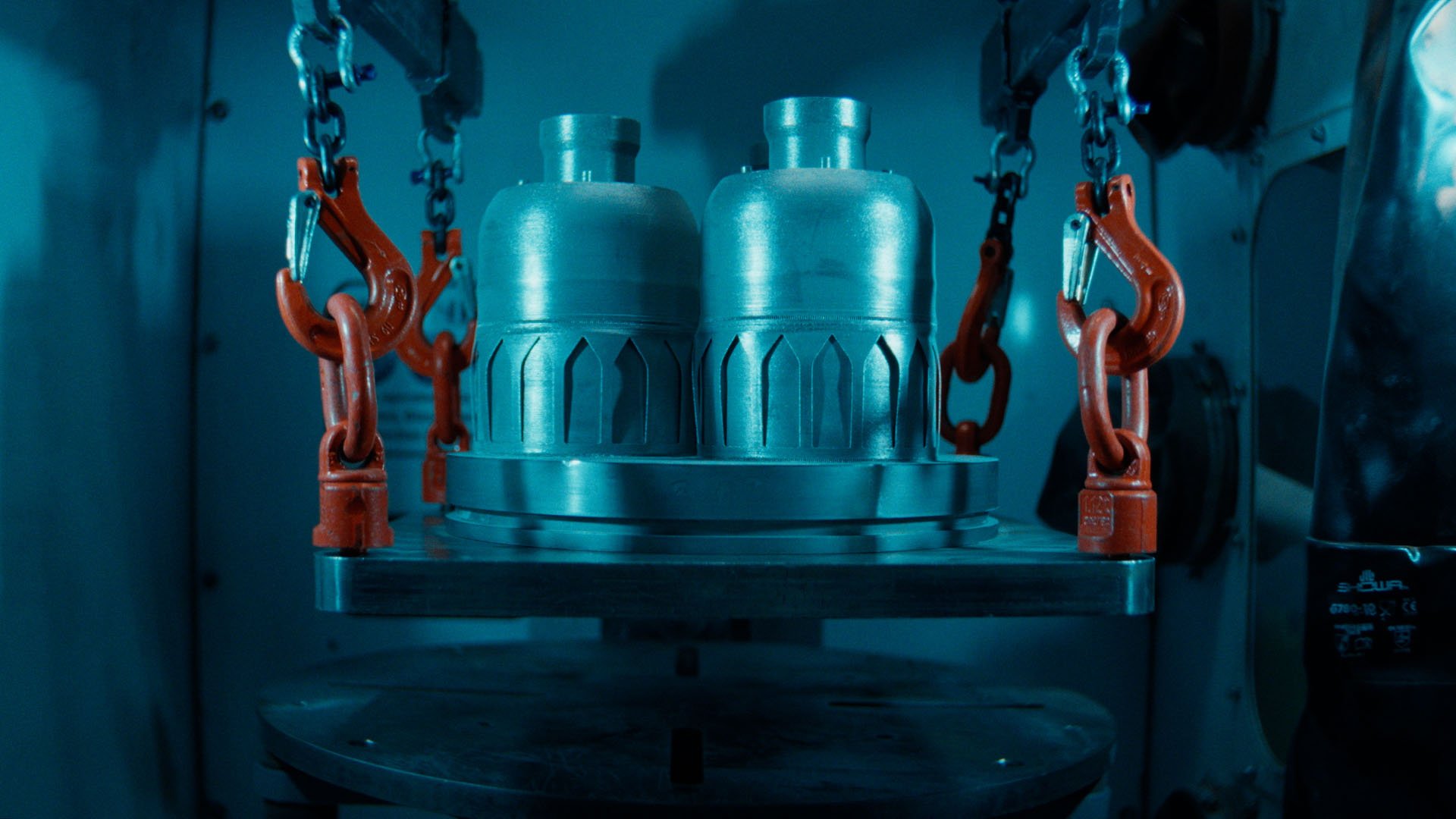
Ursa Major is making significant moves in the U.S. military’s missile stockpile recapitalization effort. It has opened up versatile methods of producing solid rocket motors, and it has demonstrated the functionality of Havoc with the Air Force Research Laboratory, including the concept of operations with the liquid rocket. Spagnoletti points out that the U.S. used to use liquid rockets prior to the advent of solid rocket motors. Use of additive manufacturing and 3D-printing is always in the conversation too, it’s how this company can scale its innovations fast.
The next major milestone it’s driving towards is a follow-on demonstration phase for Havoc – a boosted, full hypersonic flight. “We’re pushing for that in 2027,” says Spagnoletti.
As America marks its 250th year, the dream of a hypersonic missile with a 3D-printed engine that can be delivered in large quantities at an affordable price could materialize into another significant landmark in the story of American defense innovation. At least that’s Ursa Major’s goal, and it appears to look more promising by the day.
The post 3D-Printing Engines To Power Hypersonic Weapons Is Fast Becoming A Reality appeared first on TWZ.

