Эрдэмтэд гэдэс болон тархины холбоо хамаарлыг судалснаар хямд өртөгтэй хүнсний нэмэлт тэжээл нь өндөр настнуудын танин мэдэхүйн чадварт эерэгээр нөлөөлж болохыг тогтоожээ.
2024 онд Nature Communications сэтгүүлд хэвлэгдсэн ихэрүүдийн судалгаагаар уураг болон пребиотик нэмэлтийг өдөр тутам хэрэглэх нь 60-аас дээш насны хүмүүсийн ой тогтоолтын тестийн оноог сайжруулж байгааг илрүүлжээ. King’s College London-ийн судлаачид 36 хос ихэр оролцуулсан энэхүү хоёр талын “сохор” судалгаагаар инулин болон фруктоолигосахарид (FOS) хэрэглэсэн хүмүүсийн гэдэсний микробиомд өөрчлөлт орж, ашигтай Bifidobacterium бактери нэмэгдсэнийг тогтоосон байна. Гериатрийн эмч Клэр Стивс болон судлаач Мэри Ни Лохлайн нарын дүгнэснээр, энэхүү хямд, хүртээмжтэй ургамлын гаралтай эслэг нь хөгшрөлтийн явц дахь тархины эрүүл мэндийг дэмжих ирээдүйтэй арга байж болох юм.
Энэхүү сэдвийг үргэлжлүүлэн Wageningen University-ийн эрдэмтэд 2024 онд PRECODE эмнэлзүйн туршилтыг эхлүүлжээ. Уг судалгаагаар чикорийн инулин, тэсвэртэй декстрин болон далайн замагны полисахарид гэсэн гурван төрлийн эслэгийн танин мэдэхүй болон микробиомд үзүүлэх нөлөөг плацебо буюу мальтодекстрин хэрэглэсэн бүлэгтэй харьцуулан судалж байна. 60-аас дээш насны оролцогчид 26 долоо хоногийн турш эдгээр эслэгийг хэрэглэж байгаа бөгөөд 2027 онд туршилт албан ёсоор дууссаны дараа үр дүн тодорхой болно.
Гэдэс болон тархины хоорондох нарийн холбоог судлах нь олон төрлийн өвчнийг эмчлэх шинэ гарц болж магадгүй хэмээн эрдэмтэд үзэж байна. Гэсэн хэдий ч, 2025 онд нийтлэгдсэн судалгаагаар гэдэсний микробиом дахь бактерийн тэнцвэргүй байдал нь олон төрлийн склероз зэрэг өвчинтэй холбоотой болохыг харуулсан ч эдгээр дутагдлыг нэмэлт тэжээлээр бүрэн нөхөх боломжтой эсэх нь одоогоор тодорхойгүй хэвээр байна.
Дэлгэрэнгүйг эх сурвалжаас харах
↓Эх сурвалжийг нээх ↓
Cheap daily supplements are changing how scientists view the gut and its connection to the brain.
In 2024, a rigorous twin study published in Nature Communications found that taking daily protein and prebiotic supplements can improve memory test scores in people over age 60.
The study has been cited nearly 100 times since, and the idea has inspired whole new clinical trials investigating how some supplements may protect against dementia.
Later that year, scientists at Wageningen University in the Netherlands launched the PRECODE clinical trial, which stands for Gut-brain Health Effects of PREbiotics in Older Adults With Suspected COgnitive DEcline.
It’s the first human study to investigate the combined cognitive and microbial effects of three distinct dietary fibers: chicory inulin, resistant dextrin, and seaweed polysaccharide, compared to a placebo (maltodextrin).
For 26 weeks, participants over 60 have consumed these dietary fibers twice a day, mixed into water, tea, or coffee, and they have had regular brain scans and cognitive tests to track how they are faring.
We’ll know more in 2027 when the trial finishes.
Inulin, a dietary fiber in thefructanclass, is the same dietary supplement that proved so good for the brain in that first 2024 twin study.
Watch the video below for a summary of the 2024 study:
During that double-blinded trial, researchers tested two inexpensive plant-fiber prebiotics that are available over the counter in many countries.
The other,fructooligosaccharide(FOS), is a plant carbohydrate often used as a natural low-calorie sweetener.
To look into how these supplements affectedthe aging brain, researchers at King’s College London enrolled 36 pairs of twins, all at least 60 years old.
Each duo was randomly split: one twin received a daily prebiotic mixed into protein powder, while the other received aplacebopowder.
The twins who unknowingly took inulin or FOS generally scored higher on a cognitive test three months later.
What’s more, the daily fiber supplements were linked to subtle changes in the gut microbiome between twins.
The beneficialBifidobacterium, for instance, was more plentiful in those taking inulin or FOS.
Studies on mice suggest thatBifidobacteriumreduces cognitive deficitsby regulating gut-brain connections.
“We are excited to see these changes in just 12 weeks. This holds huge promise for enhancing brain health and memory in our aging population,”saidMary Ni Lochlainn, a geriatric medicine researcher at King’s College London, when the findings were published in 2024.
“Unlocking the secrets of the gut-brain axis could offer new approaches for living more healthily for longer.”
King’s College London (KCL) is home to the UK’s largest adult twin registry, andtwin studies are highly valuablewhen it comes to differentiating betweenthe effects of genetics and the environmenton human health.
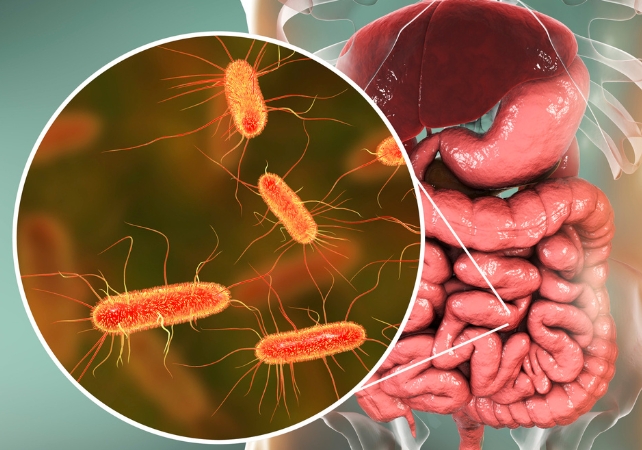
Past studies on rodentssuggest that high-fiber supplements, such as inulin and FOS, can ‘feed’ the colon’s microbiome, allowing ‘good’ bacteria to thrive.
Some of these bacterial players arealso linkedto improved cognitive function in both mice andhumans.
Evidence for the close relationshipbetween the gutand the brainis growingyear after year. Some experts are now so convinced by the results that theyrefer to the gutasthe body’s ‘second brain’.
But the way these two nervous systems work together remains a mystery.

The twin study at KCL hints that consuming certain ‘brain foods‘ could be a promising way to treat cognitive decline, adding toresearch suggesting key nutrientsmay be able to slow its progress.
“These plant fibers, which are cheap and available over the counter, could benefit a wide group of people in these cash-strapped times. They are safe and acceptable too,”saidgeriatrician Claire Steves at KCL.
“Our next task is to see whether these effects are sustained over longer periods and in larger groups of people.”
That’s what the PRECODE trial seeks to address. The trial investigators hope this ongoing study into fiber supplements will “provide an in-depth evaluation of the microbiota-gut-brain axis in older adults, at risk of cognitive decline.”
Related:117-Year-Old Woman’s Diet Could Help Us All Live Longer
In 2025, researchers reportedthat in humans and mice, a lower Bifidobacterium-to-Akkermansiaratio in the gut microbiome is linked to multiple sclerosis, and this imbalance was also associated with more severe disease.
Whether these deficiencies can be remedied with supplements, however, remains unknown.
Thegut has its fingers in many bodily ‘pies’, including the immune system and the central nervous system.
Feeding its microbiomecertainprebiotics and probioticscould open the door to treatinga plethora of illnessesand diseases.
The PRECODE trial could give us a first taste of that possibility.
The twin study was published inNature Communications.
This article was fact-checked by Clare Watson and edited by Rebecca Dyer. While we pride ourselves on our process, we are only human. If you spot a mistake, please let us know.

