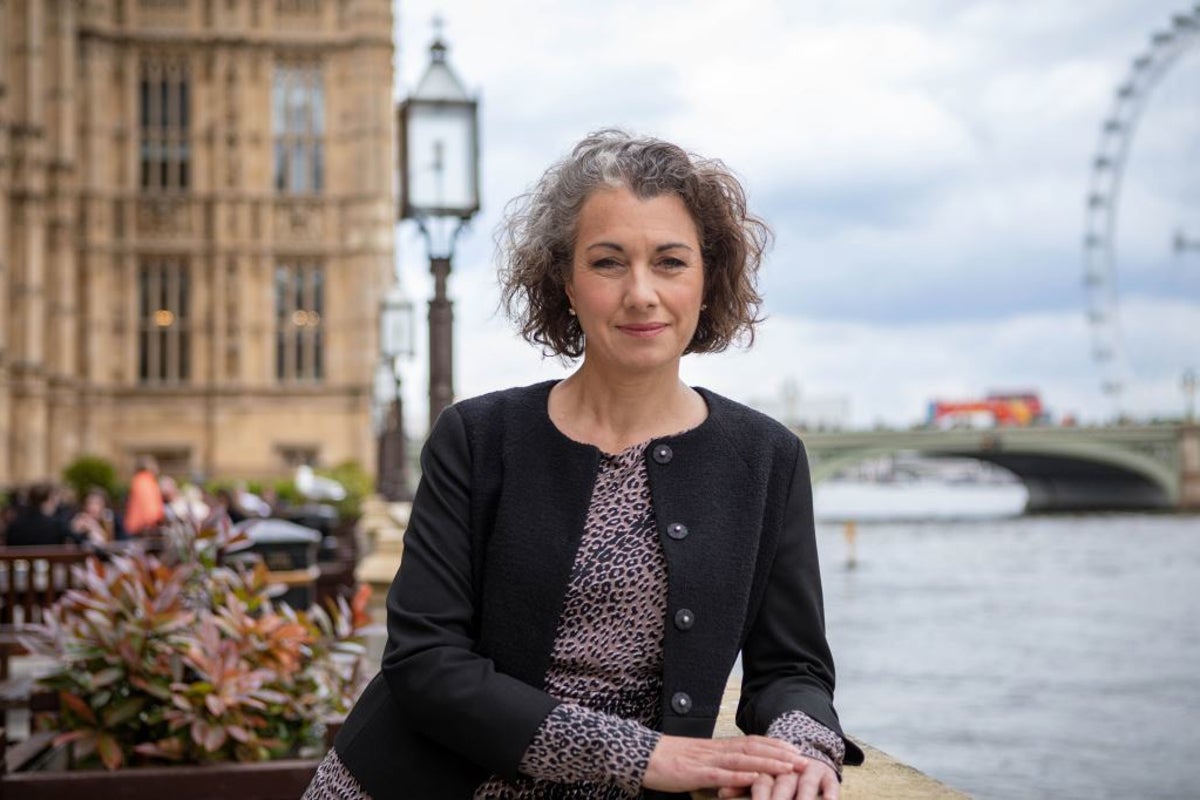
Их Британийн парламентын гишүүд Үндэсний аюулгүй байдлын (Төрийн эсрэг заналхийлэл) тухай хуулийн төсөл нь хүмүүнлэгийн тусламж үзүүлэгчдийг хуулийн хариуцлагад татахад хүргэж болзошгүйг анхааруулж, засгийн газрыг нэмэлт арга хэмжээ авахыг уриаллаа.
Тус хуулийн төсөл нь дайсагнасан улс орнуудын үйл ажиллагаанаас хамгаалах зорилготой боловч хориг арга хэмжээнд өртсөн бүс нутагт ажиллаж буй тусламжийн байгууллагуудын үйл ажиллагааг санамсаргүйгээр гэмт хэрэгт тооцох эрсдэлтэй гэж үзэж байна. Парламентын Олон улсын хөгжлийн хорооны дарга Сара Чэмпион засгийн газраас хүмүүнлэгийн байгууллагуудыг хамгаалах заалтуудыг хуульд тусгасан ч энэ нь хууль эрх зүйн эрсдэлийг бүрэн арилгахгүй байгааг тэмдэглэв.
Их Британийн Гадаад хэргийн сайд Иветт Күүпер дэлхийн геополитикийн тогтворгүй байдал нэмэгдэж буй энэ үед улс орон олон улсын хөгжлийн бодлогоо шинэчлэх шаардлагатайг онцолсон юм. Хэдийгээр тусламжийн төсвийг танаж байгаа ч Их Британи улс мөргөлдөөнтэй бүс нутгуудад хүмүүнлэгийн үүрэг гүйцэтгэсээр байх болно гэж тэрээр мэдэгджээ.
Гэвч төрийн бус байгууллагуудын сүлжээ болох Bond байгууллагын гүйцэтгэх захирал Ромилли Грийнхилл хүмүүнлэгийн тусламжийн хөтөлбөрүүдийг танах нь урт хугацааны энх тайвныг тогтооход сөрөг нөлөөтэйг анхаарууллаа. Тэрээр засгийн газрыг дипломат харилцаа болон батлан хамгаалах салбарын нэгэн адил олон улсын хөгжлийн асуудалд тууштай хандахыг уриалж байна.
Дэлгэрэнгүйг эх сурвалжаас харах
↓Эх сурвалжийг нээх ↓
<![CDATA[{"className":"sc-1ge0fwe-0","newsletterData":{"pianoFieldName":"receiveTheView","regTitle":"View from Westminster","subscriptionGroup":"view_from_westminster","subscriptionGroupId":"b95d438b-1c8a-4bcc-b662-ba3e12f2afc5","type":"the_view_westminster","pathPrefix":"/news/uk/politics","associatedAuthors":["Kate Devlin","Millie Cooke","Athena Stavrou"],"title":"Stay on top of the latest political news with our View from Westminster newsletter","mobileTitle":"Get the latest political headlines with our free email","imageSrc":"https://static.independent.co.uk/static-assets/images/newsletters/viewFromWestminster1_1_new.png","label":"I would like to receive morning headlines Monday – Friday plus breaking news alerts by email“,”newsletterKey”:”receiveViewFromWestminster”,”regSourceSection”:”UK Politics”,”regSourceNewsletter”:”NSC”},”isClimate”:false}]]>
The government has been urged to take action to protect those undertaking aid work from prosecution under a new national security bill, during what a leading MP has called “one of the most dangerous times in history for humanitarian aid workers.”
The legislation, designed to strengthen the UK’s response to hostile state activity, has prompted warnings from aid agencies that it could inadvertently criminalise legitimate humanitarian assistance in areas controlled by sanctioned individuals or organisations.
Sarah Champion, the Labour chair of parliament’s International Development Committee, welcomed changes to the legislation in the wake of the points raised – including the concession to provide for express defences for humanitarian organisations – but warned they stopped short of removing the legal risks facing aid organisations operating in conflict zones.
cookie.trim() === ‘__DEBUG__=true’)) { console.log(‘Ad logs: “mpu1”, injectedAtParagraph: 3’); }]]>
As the National Security (State Threats) Bill returns to the House of Commons for debate, Ms Champion said: “We are already at one of the most dangerous times in history for humanitarian aid workers and we must ensure that the government does not make things worse.”
“I am imploring the government to take further action to ensure that we avoid what could be a chilling effect on the activities of humanitarian organisations.”
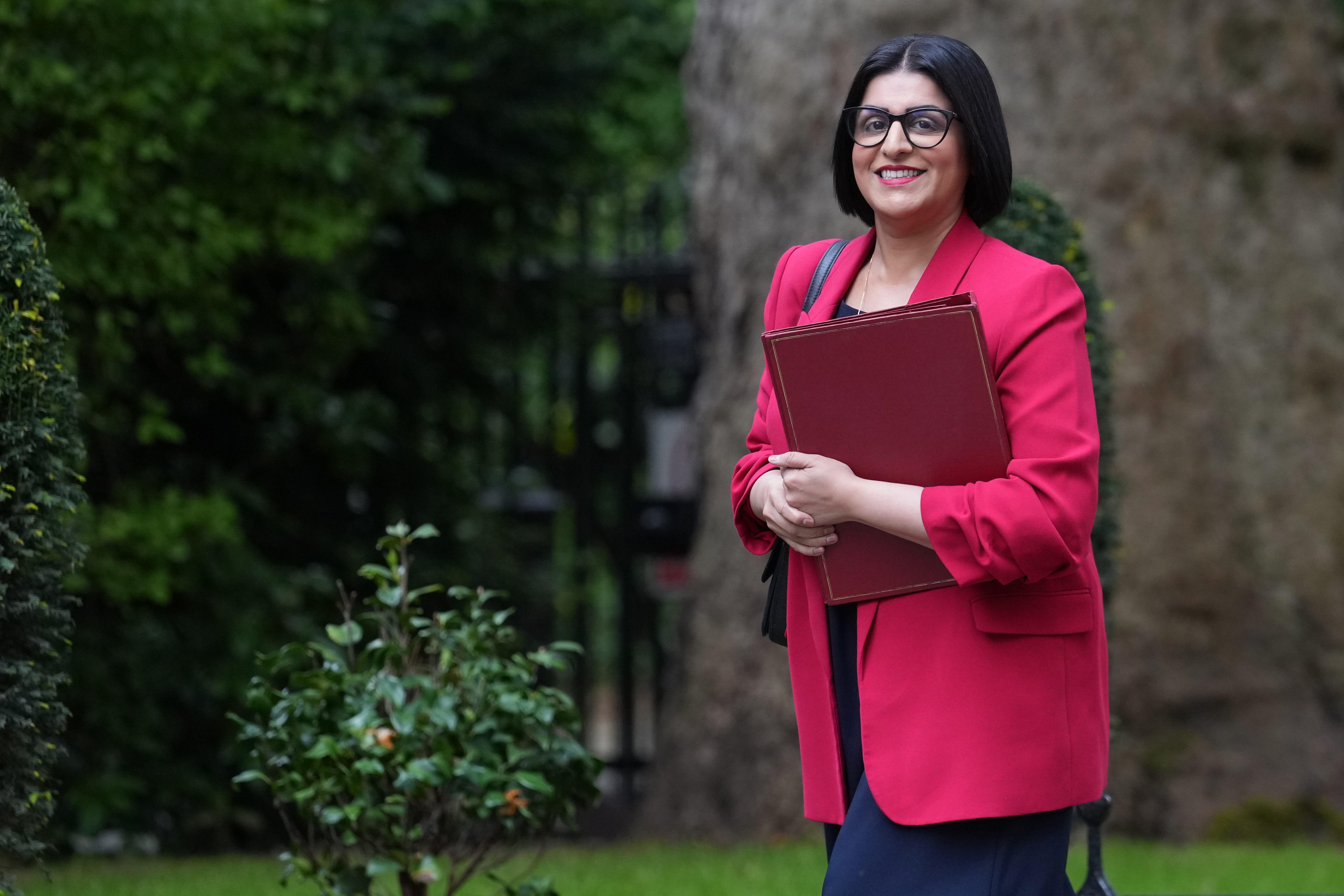
Ms Champion said she had written to the home secretary, Shabana Mahmood, ahead of earlier stages of the Bill, warning that new offences “may have unintended consequences” for the delivery of humanitarian assistance in complex environments.
cookie.trim() === ‘__DEBUG__=true’)) { console.log(‘Ad logs: “taboola-carousel-thumbnails”, injectedAtParagraph: 6’); }]]>
She said the International Development Committee had also raised the issue during Commons debates and worked with peers to press the government to amend the legislation.
Last year the committee concluded that aid workers should not face “unnecessary bureaucratic obstacles or legal risks and ambiguity” simply for delivering humanitarian assistance.
cookie.trim() === ‘__DEBUG__=true’)) { console.log(‘Ad logs: “mpu2”, injectedAtParagraph: 8’); }]]>
The government has argued the existing amendments to the bill strike the right balance between protecting national security and ensuring legitimate humanitarian activity can continue unhindered.
The renewed intervention comes as ministers seek to reassure the international development sector that the UK will remain engaged overseas, despite significant cuts to the aid budget, which mean prioritising international partnerships and organisations over direct country-to-country aid.
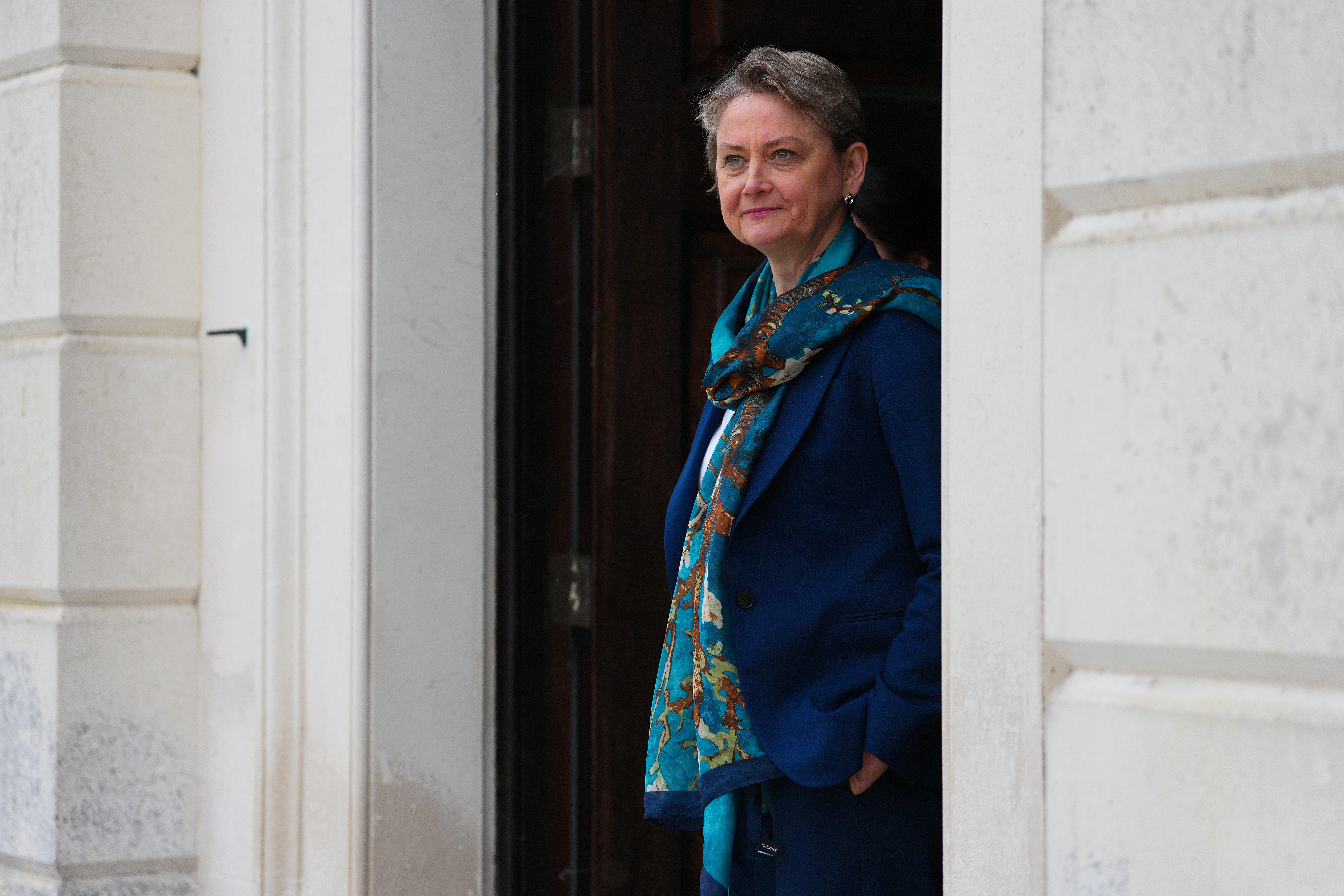
Writing for the think tank Chatham House, Foreign Secretary Yvette Cooper said the UK must remain an “international champion” on humanitarian crises, development and climate change even “where budgets are lower”.
cookie.trim() === ‘__DEBUG__=true’)) { console.log(‘Ad logs: “mpu3”, injectedAtParagraph: 11’); }]]>
She argued the UK should continue supporting fragile and conflict-affected states while reshaping development policy to treat countries as investment partners “so they can move beyond aid”.
“The world is more dangerous than it has been for decades, and families across the United Kingdom are feeling the impact,” she said, adding that we are facing a storm of geopolitical instability, economic coercion, AI and climate change that is likely to get worse.
As the world changes, we can be a principled architect of what comes next, realistic about challenges, but determined to shape the world for the better,” she said. “That is how we make our country safer, our economy stronger and our people more secure.”
In response to the essay by Ms Cooper, Romilly Greenhill, CEO of Bond, the UK network for Non-governmental organisations (NGOs), said:
“The foreign secretary is right to highlight the UK’s role in responding to mounting threats to global stability, and to reaffirm the values of multilateralism, justice and humanitarianism that underpin it.
“Defence, diplomacy and development are three legs of the same stool: together, they protect people at home and abroad from insecurity and uncertainty. We cannot build lasting peace while slashing UK aid programmes that stop conflict taking hold in the first place.
“If the UK government is serious about restoring its reputation on the global stage… it must show the same commitment to international development as it does to diplomacy and defence, with strong leadership at the heart of government.”
This article has been produced as part of The Independent’s Rethinking Global Aid project

