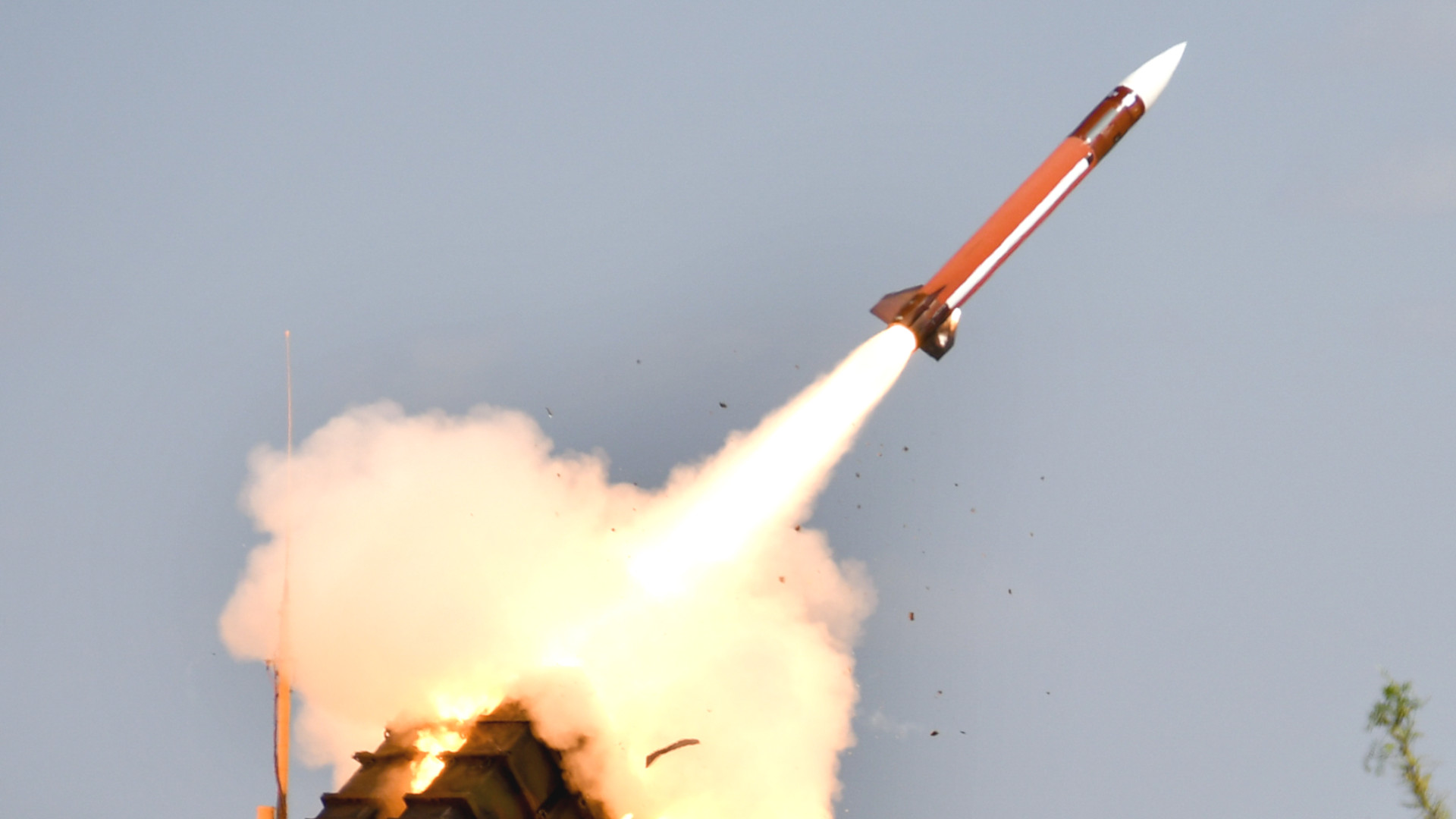
Украины Ерөнхийлөгч Владимир Зеленский болон тус улсын Агаарын цэргийн хүчнийхэн Patriot зенит пуужингийн системийн сумны нөөц дууссанаас болж Оросын баллистик болон гиперсоник пуужингуудыг устгах боломжгүй болсныг даваа гарагт мэдэгдэв. Өнгөрсөн шөнө Киев хот руу хийсэн томоохон цохилтын улмаас 20 хүн амиа алдаж, олон арван хүн шархаджээ.
Украины Агаарын цэргийн хүчний мэдээлснээр, Оросын талаас харвасан 23 ширхэг Iskander баллистик пуужин болон зургаан ширхэг Zircon гиперсоник пуужинг агаарын довтолгооноос хамгаалах системээр саатуулж чадаагүй байна. Гэсэн хэдий ч тус улсын агаарын хамгаалалт 351 дроны 326-г нь, мөн 33 Kh-101 болон зургаан Kalibr далавчит пуужинг устгаж чаджээ. Агаарын цэргийн хүчний төлөөлөгч Юрий Игнатын хэлснээр, Оросын тал баллистик пуужингийн эсрэг ашиглах Patriot системийн сумны хомсдолыг ашиглан ийм төрлийн цохилтыг хэрэгжүүлж байна.
Украин улс НАТО-гийн дээд хэмжээний уулзалтын өмнө холбоотнуудаасаа агаарын довтолгооноос хамгаалах нэмэлт сум нийлүүлэхийг шаардаж байна. Владимир Зеленский Норвеги улстай 200 ширхэг пуужин худалдан авахаар тохиролцсон ч одоогоор нэг ч пуужин ирээгүй байгааг онцолжээ. Германы Батлан хамгаалахын сайд Борис Писториус тус улс Patriot системд зориулсан PAC-3 загварын пуужин худалдан авахад 200 сая ам.долларын санхүүжилт олгохоо мэдэгдсэн байна.
Patriot системийн пуужингийн нийлүүлэлт нь зөвхөн Украины асуудал бус, дэлхий даяар тулгарч буй хомсдол болоод байна. АНУ-ын Батлан хамгаалах яам үйлдвэрлэлээ нэмэгдүүлэхээр ажиллаж байгаа ч Ойрхи Дорнод дахь мөргөлдөөн болон бусад улс орнуудын эрэлт хэрэгцээ нь нөөцийг шавхаж байна. Lockheed Martin компани 2026 оны нэгдүгээр сард байгуулсан гэрээний дагуу Patriot пуужингийн жилийн үйлдвэрлэлийг 2000 ширхэгт хүргэхээр төлөвлөж байгаа юм.
Дэлгэрэнгүйг эх сурвалжаас харах
↓Эх сурвалжийг нээх ↓
Due to a major shortage of Patriot interceptors, Ukraine was unable to shoot down any of the Iskander ballistic missiles or Zircon hypersonic cruise missiles launched by Russia in a deadly overnight barrage, Ukrainian President Volodymyr Zelensky and Air Force officials stated on Monday. The attack, largely on Kyiv, killed at least 20 and wounded scores more, according to Ukrainian authorities.
The missile and drone strike came a day ahead of the NATO summit, where Zelensky is expected to push allies for more anti-missile munitions. The barrage also took place as Ukraine is working to develop its own missile interceptor supply so it doesn’t have to rely on donations.
“The reason for this is precisely the insufficient supply of interceptor missiles,” Zelensky complained on X. “It is very important that the world, especially America and our European partners, come out of the NATO summit in Ankara with strong decisions to support our defense of the sky, and hence, the protection of ordinary people’s lives. As long as the missiles for the ‘Patriots’ remain in the warehouses of allies, this only encourages Russia to continue ‘destroying’ residential buildings. The US and Europe have enough power to stop this terror.”
The Ukrainian Air Force said all 23 Iskanders and six Zircons fired by Russia overnight evaded its air defenses.
“In order to shoot down ballistic missiles, you need to have something to shoot them down,” Ukrainian Air Force spokesman Yuriy Ignat said on national TV. “There are enough Patriot systems – a constant supply of missiles is needed.”
According to Ignat, the Russian military “is deliberately exploiting Ukraine’s shortage of Patriot interceptor missiles by relying heavily on ballistic weapons, which are far more difficult to intercept than cruise missiles or drones,” the Ukrainian Militarnyi publication noted.
By contrast, the Ukrainian Air Force said it downed 326 of 351 drones, 31 of 33 Kh-101 cruise missiles and all six Kalibr cruise missiles in the overnight attack.
“To shoot down ballistic missiles, you need something to shoot them down with. Patriot systems are sufficient — what’s needed is a constant supply of missiles. We have a certain… serious shortage of interceptor missiles,” — Ukrainian Air Force spokesman Ignat on today’s… pic.twitter.com/1POwwNCi58
—
MilitaryNewsUA
(@front_ukrainian) July 6, 2026
Last week, Zelensky complained that allies were not living up to their commitments to provide promised anti-missile munitions.
“Ukraine needs an appropriate defense package,” Zelensky said on July 2 after another massive Russian barrage in which none of the four Zircons and only four of 74 Iskanders were intercepted.
“We need these missiles; we are exerting maximum pressure and negotiating,” Zelensky proffered. “There are countries with which we reached agreements and to whom we have already transferred funds—cases involving NASAMS [National Advanced Surface-to-Air Missile System] and others.”
Zelensky singled out Norway.
“For instance, regarding Norway…there was an agreement to pay for two hundred missiles. Yet, not a single one of those two hundred missiles has arrived.”
The timely delivery of promised aid could have helped “save homes and lives,” Zelensky added, emphasizing that what Ukraine needs from its partners is “simply for them to do what was agreed upon.”
Zelenskyy: Ukraine needs a powerful protection package, particularly missiles. There are countries with which agreements have already been signed and funds transferred, but the supplies are not arriving.
In particular, Norway was ready to pay for 200 missiles for Ukraine, but… pic.twitter.com/8U4NHzCbUl
—
Despite Zelensky’s plea for more interceptors, Ignat on Monday acknowledged that the “shortage of Patriot interceptors is not limited to Ukraine but is a global issue,” a subject TWZ has frequently reported on.
As we have previously noted, between U.S. usage in recent Middle East conflicts, sustained consumption by Ukraine and commitments to nearly 20 other nations that are facing increasing threats, the supply of Patriot interceptors is a major problem. Even before Ukraine gained the system and the multiple flare-ups in the Middle East, the depth of the global Patriot missile arsenal and the ability to build enough interceptors in a crisis was concerning. Now demand has exploded and rationing is occurring, with some customers being told their orders are going to be diverted to replenish U.S. stocks. This practice even predates the second Trump administration, with the Biden White House telling allies their orders will be diverted to Taiwan and Ukraine.
Still, the Pentagon has more recently maintained that it has sufficient stocks, even as it scrambles to increase production.
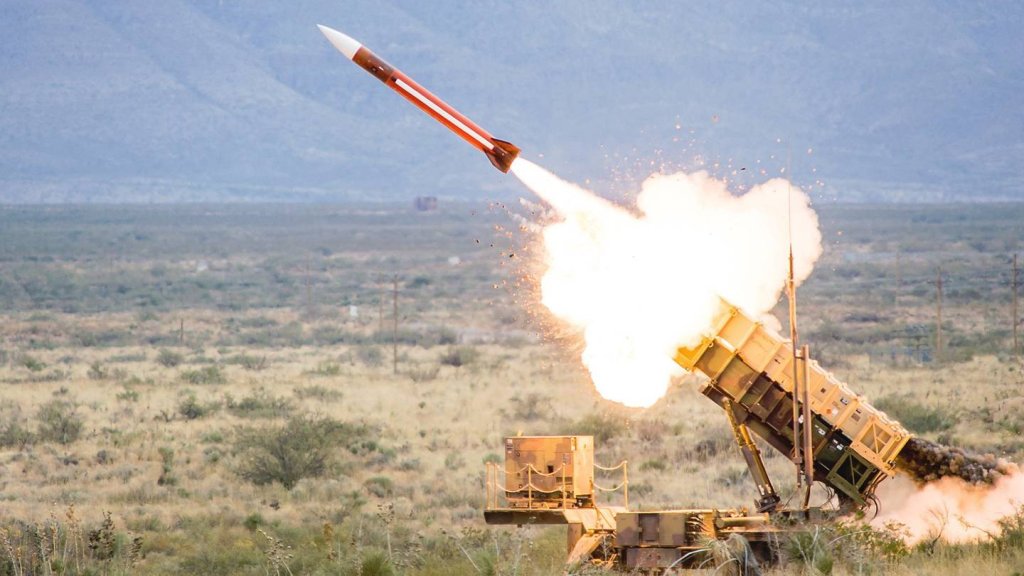
TWZ recently addressed the supply of these munitions in a story about a new report from the Center for Strategic and International Studies (CSIS).
The report, on the severity of the depletion of U.S. advanced weapons stockpiles, found that current production PAC-3 MSE “is around the baseline rate of 650 interceptors per year, with half the deliveries going to the United States and the rest to allies and partners.”
Under a contract with the Pentagon inked in January, Lockheed is committed to boosting Patriot annual production to 2,000.
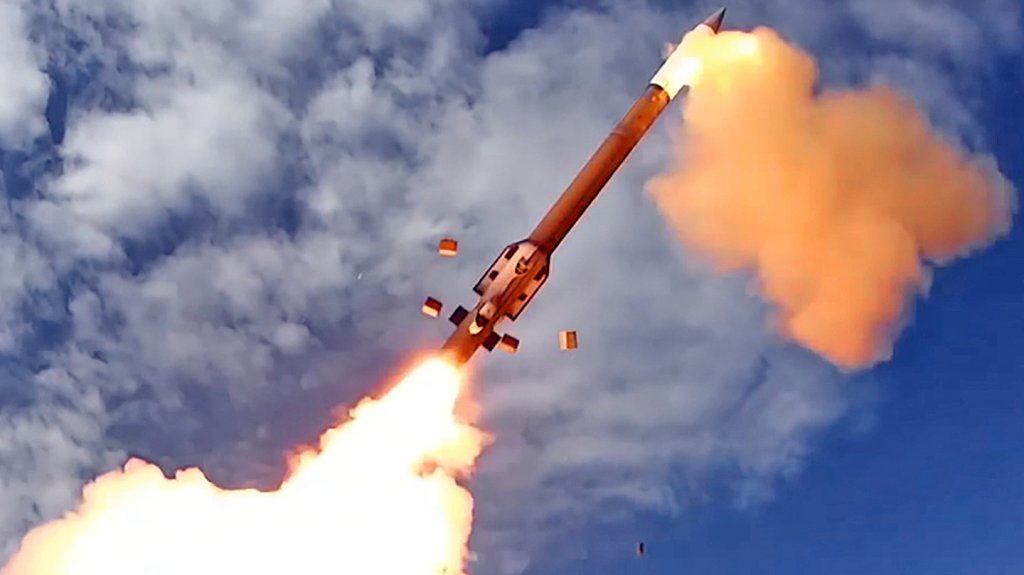
The ability of the U.S. to supply Patriot interceptors to Ukraine was of sufficient concern to Congress that last month it ordered the Pentagon to explain how it could increase that flow of Patriot PAC-3 interceptors to the war-torn nation.
Speaking to reporters in Ankara today ahead of the summit, NATO Secretary General Mark Rutte said the U.S. is actively delivering Patriot interceptors to Ukraine to fulfill its defense commitments, however, “there is a limit to the amount of interceptors that are in NATO territory.”
There is at least some small amount of help on the way for Ukraine.
Speaking to reporters in Brussels before a meeting of NATO defense ministers last month, German Defense Minister Boris Pistorius announced that Germany would provide $200 million to procure air defense munitions under the Prioritized Ukraine Requirements List (PURL) system, which finances the purchase of American-made weapons and ammunition for Ukraine.
“In this way, we are literally saving lives every night and every day,” Pistorius said. He also announced that Germany would participate in the JUMPSTART (Joint Ukraine Multinational Program – Services, Training and Articles Rapid Timeline) mechanism. JUMPSTART focuses specifically on procuring interceptor missiles for Patriot air defense systems.
“We have agreed to contribute by allocating $200 million for the purchase of PAC-3 guided missiles,” the German defense minister said.
A donation of $200 million buys roughly 40-50 Patriot PAC-3 MSE interceptors.
The price and lead times of these weapons is leading the U.S. Army to press defense contractors to develop a new Patriot interceptor costing about $1 million a piece.
German Defense Minister Pistorius stated that Germany will allocate another $400 million to Ukraine for air defense and missiles for Patriot systems within the framework of PURL. pic.twitter.com/21R0BGiQy3
— UATV English (@UATV_en) June 18, 2026
Meanwhile, Krzysztof Bosak, co-leader of Poland’s far-right, anti-Ukrainian Confederation party and Deputy Marshal of the Sejm, claimed on X that the Polish government transferred Patriot interceptor missiles to Ukraine in March without notifying the legislative body.
“It turns out that in March, in secret from the Sejm, the government handed over to Ukraine expensive and hard-to-obtain interceptor missiles for Patriot systems,” Bosak stated on X. “They had been purchased by Poland from the USA in order to build a multi-layered air defense system, which you’ve been hearing about in the media for years, and which to this day has not been completed. These are the only missiles that Poland possessed/possesses, capable of countering Russian Iskander missiles that threaten Poland and are deployed in the Kaliningrad Oblast.”
Wychodzi, że w marcu, w tajemnicy przed Sejmem, rząd oddał Ukrainie drogie i trudne do kupienia pociski przechwytujące do systemów Patriot.
Były one zakupione przez Polskę od USA w celu budowy wielowarstwowego systemu obrony przeciwlotniczej, o którym od lat słyszycie w… https://t.co/0c0QgKNJwI
— Krzysztof Bosak
(@krzysztofbosak) July 4, 2026
In addition to seeking more donated interceptors, Ukraine is also developing its own.
Fire Point, the Ukrainian company that makes several drones as well as the FP-5 Flamingo cruise missile, is working on a domestically designed and produced “anti-ballistic shield.” The backbone of this system is the company’s FP-7.x interceptor missile. In February, the company demonstrated tests of the weapon.
That shield “is aerodynamically ready, but still not combat-capable without full integration,” the Kyiv Post noted earlier this month. “Chief designer Denys Shtilerman said the system depends on radars, command centers, a secure data link, and a European-developed seeker head. The company is working with partners to combine these elements into a functioning missile defense network.”
In our past reporting, we have pointed out that Ukraine has turned the tide of late, at least to some degree, with attacks on Russian logistics bogging down the Kremlin’s attempts to gain more territory. These strides were made in large measure because of Ukraine’s increased drone production and advancements in communications and AI-enabled guidance on those weapons.
While Russia pounds Kyiv, Ukraine has been very busy pounding Russia with long-range standoff strikes, as well. Ukraine’s dizzying array of long-range drones, and as of late, cruise missiles, striking energy infrastructure deep into Russia, among other high-value targets, are taking their toll. In addition, Kyiv is developing its own ballistic missiles. As Ukraine’s long-range strike capabilities seem to be growing now at a compounding rate, the risk to Russian targets farther from Ukraine’s border increase. Russia has no ability to defend such huge swathes of its country against these attacks.
With this in mind, while Ukraine certainly has a tough road ahead being all but defenseless against ballistic missile attacks, Russia has its own separate, but in some ways similar set of glaring air defense problems. All this highlights one of the biggest issues with higher-end air defenses — the enemy can always seek to create more strike weapons than air defenses can deal with, especially over the long term. Considering the costs, complexities, and lead times of modern high-end interceptors like PAC-3 MSE, it’s a fairly easy equation to solve for, at least for now. The same goes for Ukraine. With Russian air defenses already spread very thin due to commitments in Ukraine and the need to defend very high-value installations and assets, defending against massive drone and cruise missile attacks that can happen over vast expanses of territory simply isn’t possible.
In other words, the cracks are really showing in both combatants’ air defense umbrellas four and a half years after the war began.
Contact the author: howard@twz.com
The post Out Of Patriot Interceptors, Ukraine Can’t Down Any Ballistic Missiles Striking Kyiv appeared first on TWZ.

