
АНУ-ын Ерөнхийлөгч Дональд Трамп НАТО-гийн гишүүн орны батлан хамгаалах зардлын асуудлаар Испани улсад өргөн хүрээтэй худалдааны хориг тавих чиглэлийг албаны хүмүүст өгчээ.
Ерөнхийлөгч Дональд Трамп лхагва гарагт гаргасан шийдвэрээрээ Сангийн сайд Скотт Бессентэд Испани улстай хийх бүх төрлийн худалдаа болон харилцан айлчлалыг зогсоохыг үүрэг болгов. АНУ-ын Сангийн яам, Худалдааны яам болон Худалдааны төлөөлөгчийн газар хоригт хамрагдах Испанийн бүтээгдэхүүний жагсаалтыг боловсруулж байгаа бөгөөд эхний ээлжид тодорхой салбаруудыг хязгаарлах магадлалтай байна.
Хуулийн мэргэжилтнүүдийн үзэж буйгаар, Трамп энэхүү алхмыг хэрэгжүүлэхийн тулд “Олон улсын онцгой байдлын эдийн засгийн эрх мэдлийн тухай хууль”-ийг (IEEPA) ашиглах боломжтой юм. Энэ нь улс орны аюулгүй байдалд “ер бусын буюу онцгой аюул” заналхийлсэн нөхцөлд онц байдал зарлах замаар хэрэгждэг арга хэмжээ боловч Испани шиг НАТО-гийн холбоотон улсад үүнийг хэрхэн хэрэглэх нь эргэлзээтэй байгааг шинжээчид онцолжээ.
Хоёр улсын эдийн засгийн харилцаа өндөр түвшинд буюу жилийн 74.5 тэрбум ам.долларын бараа, үйлчилгээний эргэлттэй байдаг. Энэхүү хориг нь эм, оливын тос, гоо сайхны бүтээгдэхүүн, цахилгаан тоног төхөөрөмж зэрэг импортын бүтээгдэхүүнээс гадна агаарын тээвэр, газрын тос зэрэг экспортын салбарт сөрөг нөлөө үзүүлж, хоёр талын 200,000 орчим ажлын байрыг эрсдэлд оруулах магадлалтай юм.
Испани улс 2026 онд батлан хамгаалах зардалд дотоодын нийт бүтээгдэхүүнийхээ 2 хувийг зарцуулахаар төлөвлөж байгаа нь Трампын шаардаж буй 5 хувийн босгоос хамаагүй доогуур байна. Испани улс сүүлийн жилүүдэд цэргийн зардлаа нэмэгдүүлж, Украйнд олон тэрбум еврогийн тусламж үзүүлж байгаа хэдий ч АНУ-ын зүгээс НАТО-гийн хүрээн дэх санхүүжилтийн асуудлаар ийнхүү хатуу байр суурь баримталж байна.
Дэлгэрэнгүйг эх сурвалжаас харах
↓Эх сурвалжийг нээх ↓
President Donald Trump has ordered officials to prepare a potential sweeping trade embargo against Spain, dramatically escalating a dispute over the country’s defense spending.
In a directive issued Wednesday, Trump instructed Treasury Secretary Scott Bessent to “cut off all trade … including visits” with Spain, while ordering officials to draw up a list of Spanish products that could be blocked in the coming days.
U.S. officials said the Treasury Department, Commerce Department and U.S. Trade Representative are preparing “a menu” of products that could face restrictions, suggesting any embargo could begin with targeted industries rather than an outright ban.
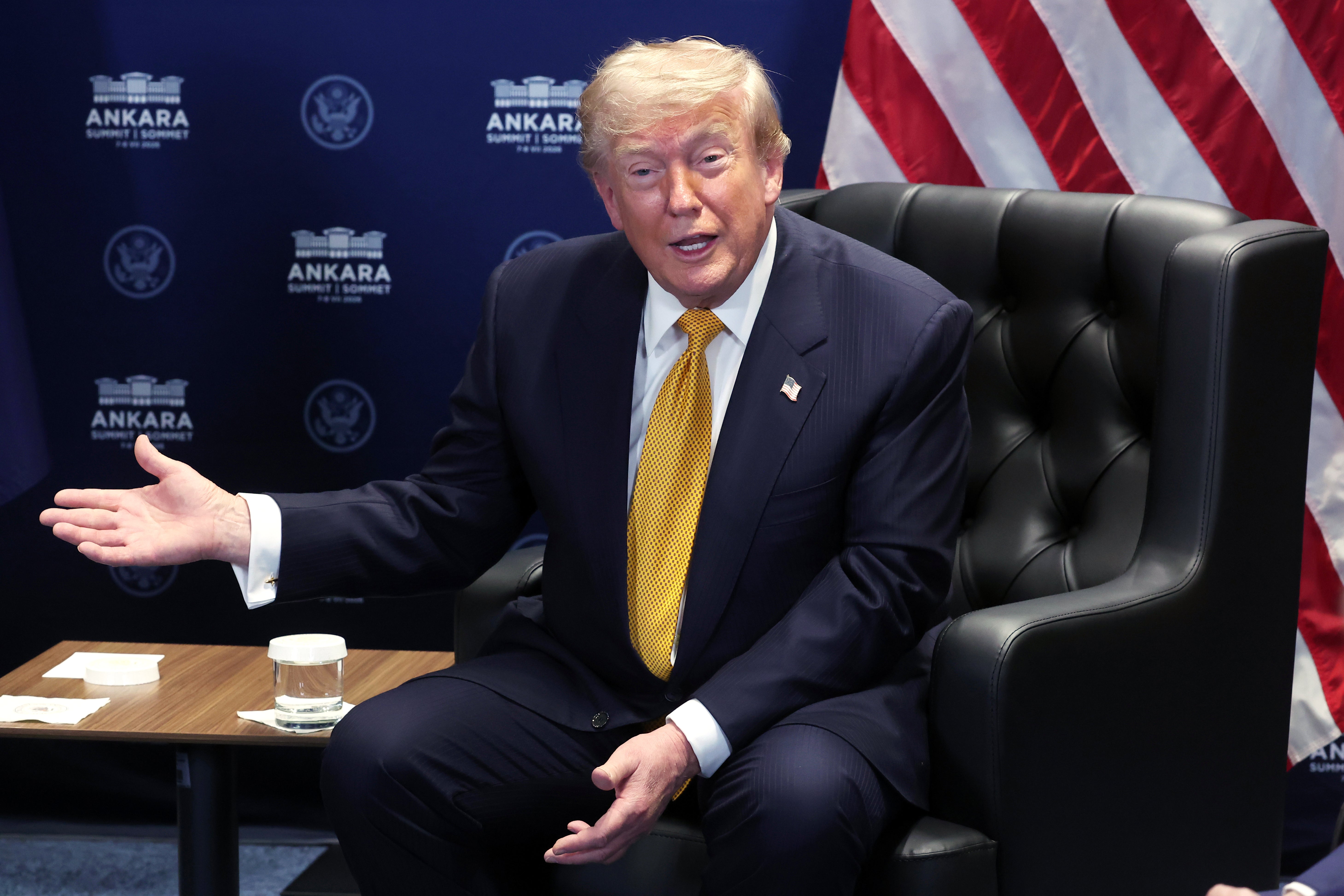
Legal experts say Trump could attempt to invoke the International Emergency Economic Powers Act (IEEPA), a law typically used to impose sanctions on countries such as Iran, Russia and North Korea. To do so, he would need to declare a national emergency involving an “unusual or extraordinary threat” to the United States.
“It’s hard to see” how Spain, a NATO ally, meets that threshold, said Peter Shane, a law professor at New York University. But former Senate trade counsel Mayur Patel said the law could still give Trump authority to impose an embargo, even if it is later challenged in court.
The economic stakes are high.
The U.S. and Spain traded $47.9 billion in goods last year, rising to $74.5 billion when services such as tourism are included. Spain is America’s 23rd-largest trading partner, while the U.S. runs a trade surplus with the country.
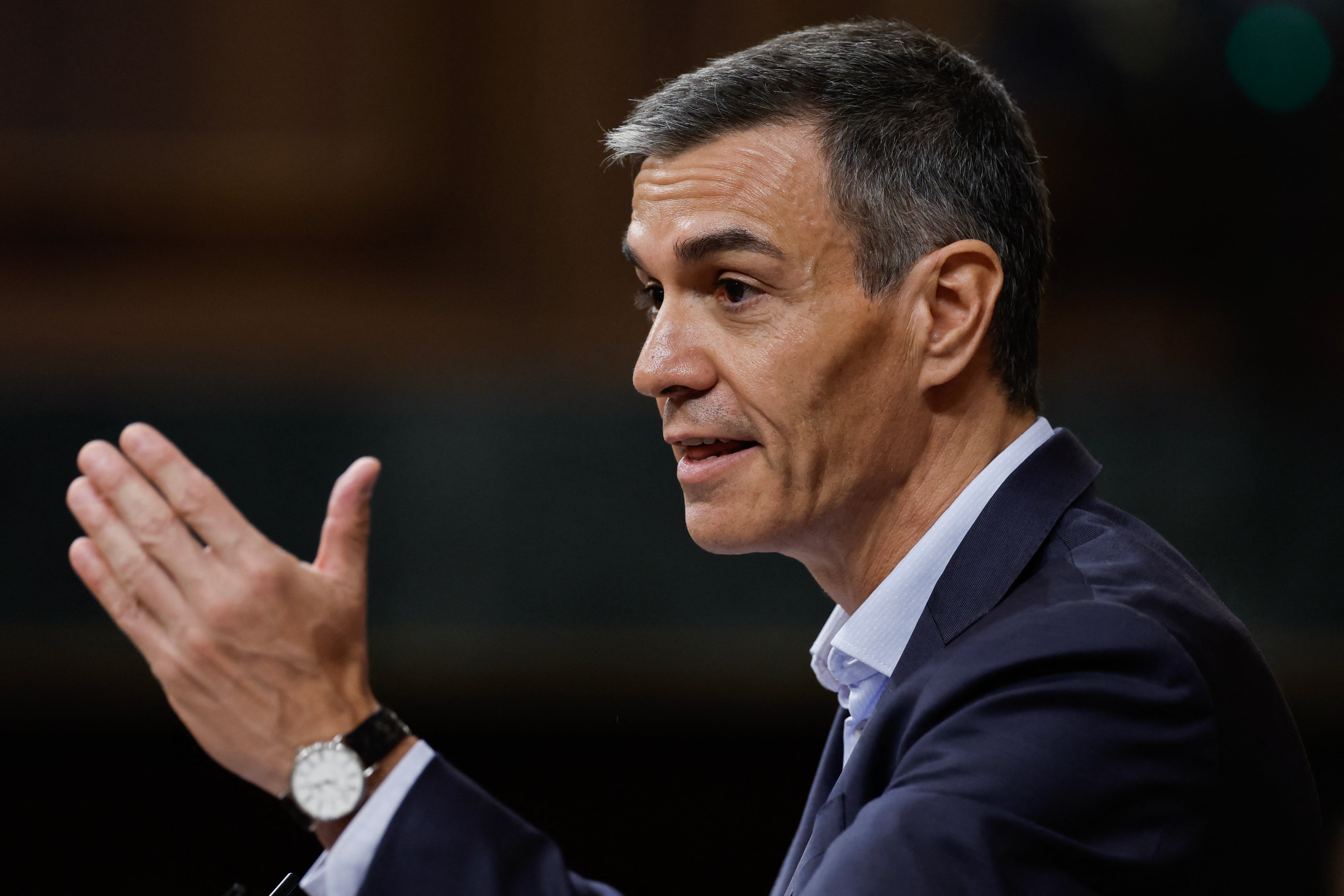
An embargo could disrupt imports, including pharmaceuticals, olive oil, cosmetics, and electrical equipment, while also affecting U.S. exports, such as crude oil, aircraft, and medicines.
It could also shake investment on both sides of the Atlantic. Spanish companies have invested more than $111 billion in the United States, while American firms have invested more than $132 billion in Spain, supporting roughly 200,000 jobs.
Trump’s order also raised questions about travel. It remains unclear what he meant by cutting off “visits,” or whether any restrictions would apply to tourists, business travelers or athletes. More than 4.4 million Americans visited Spain last year, making them one of the country’s biggest sources of tourism revenue.

If a full embargo proves legally difficult, Trump has other options, including targeted sanctions, national-security trade restrictions, and anti-dumping measures against specific Spanish products.
The dispute comes after Trump repeatedly criticized Spain for refusing to meet his preferred NATO defense spending target. He first threatened trade action last year and, in March, ordered officials to examine an embargo on Spanish goods.
Spain plans to spend about 2% of GDP on defense in 2026, well below Trump’s preferred 5% target, despite sharply increasing military spending in recent years and providing billions of euros in aid to Ukraine.


