
АНУ-ын Пентагоны бодлогын асуудал эрхэлсэн дарга Элбриж Колби Латин Америкийн орнуудад хандан “Монрогийн сургаал”-ыг шинэчлэн хэрэгжүүлэхээ мэдэгдлээ.
Перу улсын Куско хотод болсон Америк тивийн Батлан хамгаалахын сайд нарын бага хурлын үеэр Элбриж Колби АНУ-ын шинэ стратегийг танилцууллаа. Энэхүү бодлогын хүрээнд АНУ-ын цэрэг арми хар тамхины наймаатай тэмцэх зорилгоор далайд ажиллагаа явуулах, Венесуэлийн ерөнхийлөгч Николас Мадурог албан тушаалаас нь буулгах зэрэг арга хэмжээг авч хэрэгжүүлж байна. Мөн Эквадор зэрэг улстай хамтарсан сөрөг тагнуул болон хар тамхины эсрэг ажиллагааг эрчимжүүлэхээр төлөвлөж байгаа аж.
Колбигийн тайлбарласнаар, АНУ-ын батлан хамгаалах бодлого нь улс орны аюулгүй байдал, хууль бус цагаачлал, хар тамхины эсрэг тэмцэлтэй шууд холбоотой юм. Тэрээр энэхүү бодлогыг империализм гэж үзэх нь буруу бөгөөд АНУ нь Латин Америкийн орнуудын аюулгүй байдлыг бэхжүүлэх замаар өөрийн ашиг сонирхлыг хамгаалахыг зорьж байна гэв. АНУ нь тус бүс нутгийн орнуудаас хөрөнгө мөнгө шаардах бус, харин бүс нутгийн тогтвортой байдлыг хангахын тулд түншүүдийнхээ чадавхыг нэмэгдүүлэхэд анхаарна гэдгийг онцоллоо.
Одоогоор Латин Америкийн олон оронд баруун жигүүрийн үзэл баримтлалтай засгийн газрууд гарч ирж байгаа нь АНУ-ын энэхүү бодлоготой нийцэж байна. Тухайлбал, Колумбийн шинэ засгийн газар хар тамхины эсрэг хатуу арга хэмжээ авч, эдийн засгийн шинэчлэл хийхээ амлаад байна. АНУ-ын зүгээс эдгээр улсад батлан хамгаалах зардлаа ДНБ-ий 1-ээс дээш хувьд хүргэх, БНХАУ-ын бүс нутаг дахь нөлөөг хязгаарлахыг уриалж байна.
Дэлгэрэнгүйг эх сурвалжаас харах
↓Эх сурвалжийг нээх ↓
<![CDATA[{"className":"sc-1ge0fwe-0","newsletterData":{"pianoFieldName":"receiveInsideWashingtonNews","regTitle":"Inside Washington","subscriptionGroup":"inside_washington","subscriptionGroupId":"af764e04-87eb-45e6-a84b-a7455ba70a1e","type":"inside_washington","pathPrefix":"/news/world/americas/us-politics","associatedAuthors":["Eric Garcia","John Bowden"],"title":"Sign up for the daily Inside Washington email for exclusive US coverage and analysis sent to your inbox","mobileTitle":"Get our free Inside Washington email","imageSrc":"https://static.independent.co.uk/static-assets/images/newsletters/insideWashington1_1.png","label":"I would like to receive morning headlines Monday – Friday plus breaking news alerts by email“,”newsletterKey”:”receiveInsideWashington”,”regSourceSection”:”US politics”,”regSourceNewsletter”:”NSC”},”isClimate”:false}]]>
The administration of Donald Trump moved on Wednesday to rally Latin American nations behind a reimagined Monroe Doctrine, the 19th-century policy asserting U.S. primacy across the Americas, which critics often associate with decades of American interventionism.
In Cusco, Peru, Pentagon policy chief Elbridge Colby invoked the so-called “Donroe Doctrine” – a play on Trump’s name – explaining a significant policy shift. This includes the U.S. military initiating strikes against drug boats in the fall and the deposition of Venezuelan president Nicolas Maduro in January. The Pentagon is also planning joint counter-narcotics operations with allied countries, a strategy already underway in Ecuador.
“No longer do we separate America’s defense strategy from the concerns of regular Americans – from the flood of lethal drugs into their communities and the accompanying horrendous violence, or from the impact of unchecked illegal migration into our nation,” Colby stated, according to prepared remarks.
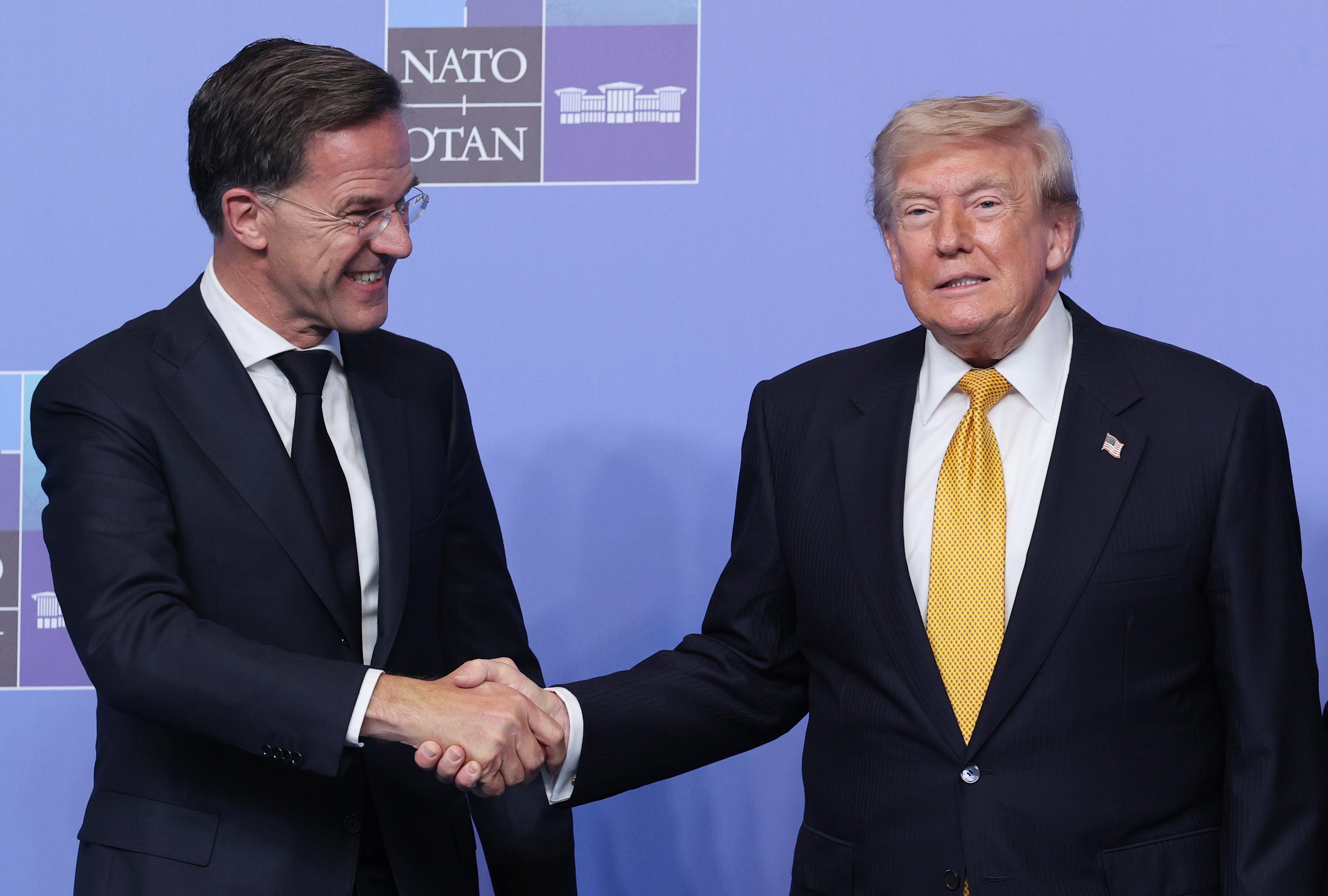
Colby acknowledged concerns about Trump’s embrace of the Monroe Doctrine but dismissed them as rooted in a “distorted” view. Addressing the Conference of Defense Ministers of the Americas, which includes Canada, he asserted, “The best tradition of the Monroe Doctrine is about protecting our own security and interests by empowering and enabling Latin American nations.”
cookie.trim() === ‘__DEBUG__=true’)) { console.log(‘Ad logs: “mpu1”, injectedAtParagraph: 4’); }]]>
Critics contend that the U.S. rhetoric amounts to modern-day imperialism. However, Colby argued that the U.S. cannot be compared to historical imperial states like Britain or Portugal, which he characterized as smaller nations that exploited colonies for wealth and power.
“The fact is that America doesn’t need your assets or your dependency,” Colby declared. “America is an enormous country, by far the world’s most powerful state, with the world’s largest and most dynamic market, its most productive economy, its dominant currency, splendid stores of raw materials.” He later added, “We seek your success in securing our neighborhood.”
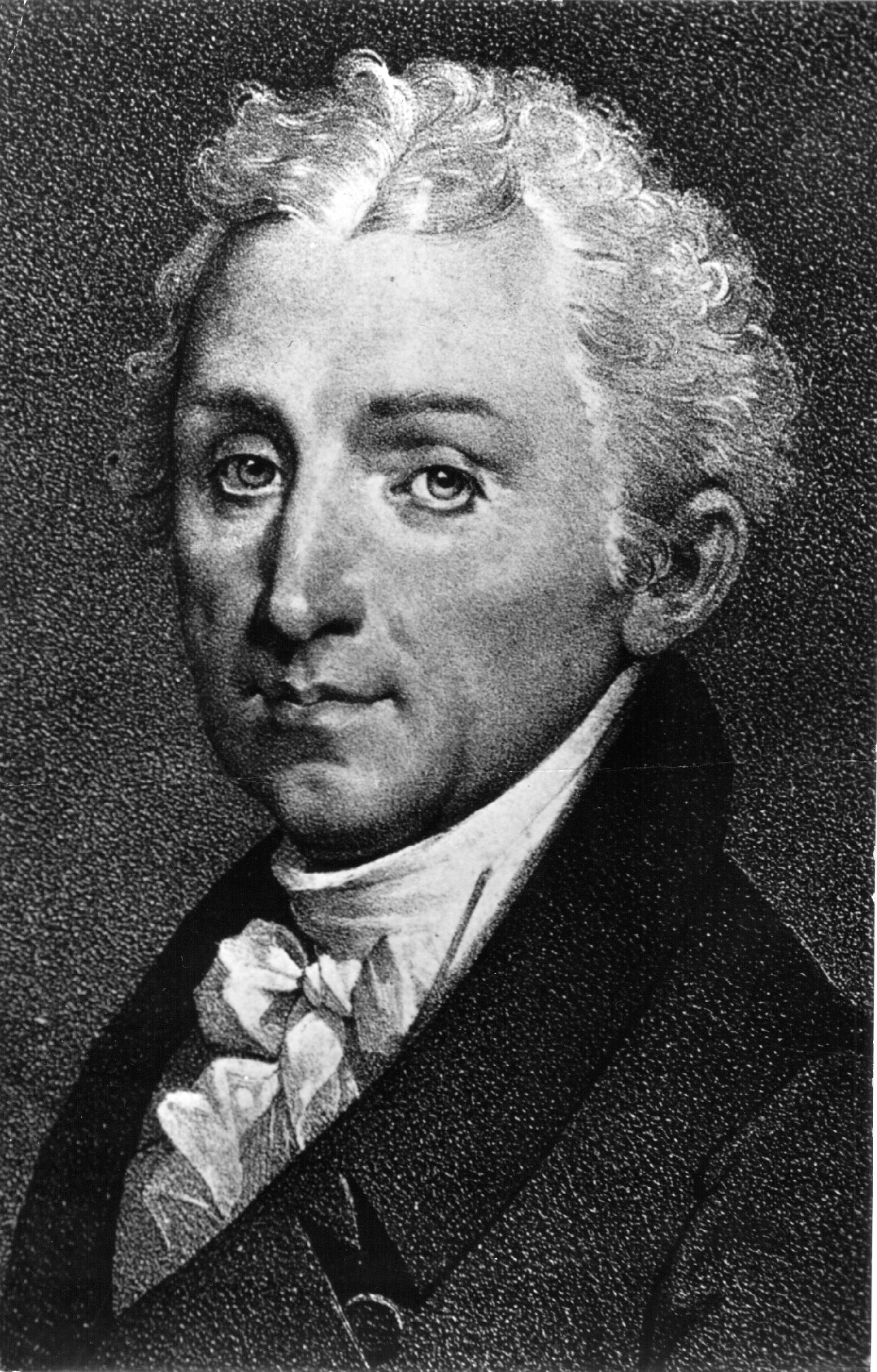
Colby’s speech coincides with a wave of right-wing, pro-Trump governments emerging across the region. This includes conservative Keiko Fujimori in Peru and Abelardo de la Espriella in Colombia. These nations join Argentina, Chile, Ecuador, Bolivia, and Panama in a distinct rightward shift, reversing the “pink tide” that brought several leftist governments to power in the early 2020s. Across the region, once-fringe hard-right candidates have gained momentum by promising crackdowns.
cookie.trim() === ‘__DEBUG__=true’)) { console.log(‘Ad logs: “taboola-carousel-thumbnails”, injectedAtParagraph: 7’); }]]>
In Colombia, the United States had previously imposed sanctions on leftist president Gustavo Petro, accusing him of failing to curb the drug trade. His successor, De la Espriella, has pledged to join Trump’s “Shield of the Americas,” crack down on drug traffickers, ease business regulations, lower taxes, and revive oil and gas projects halted under Petro.
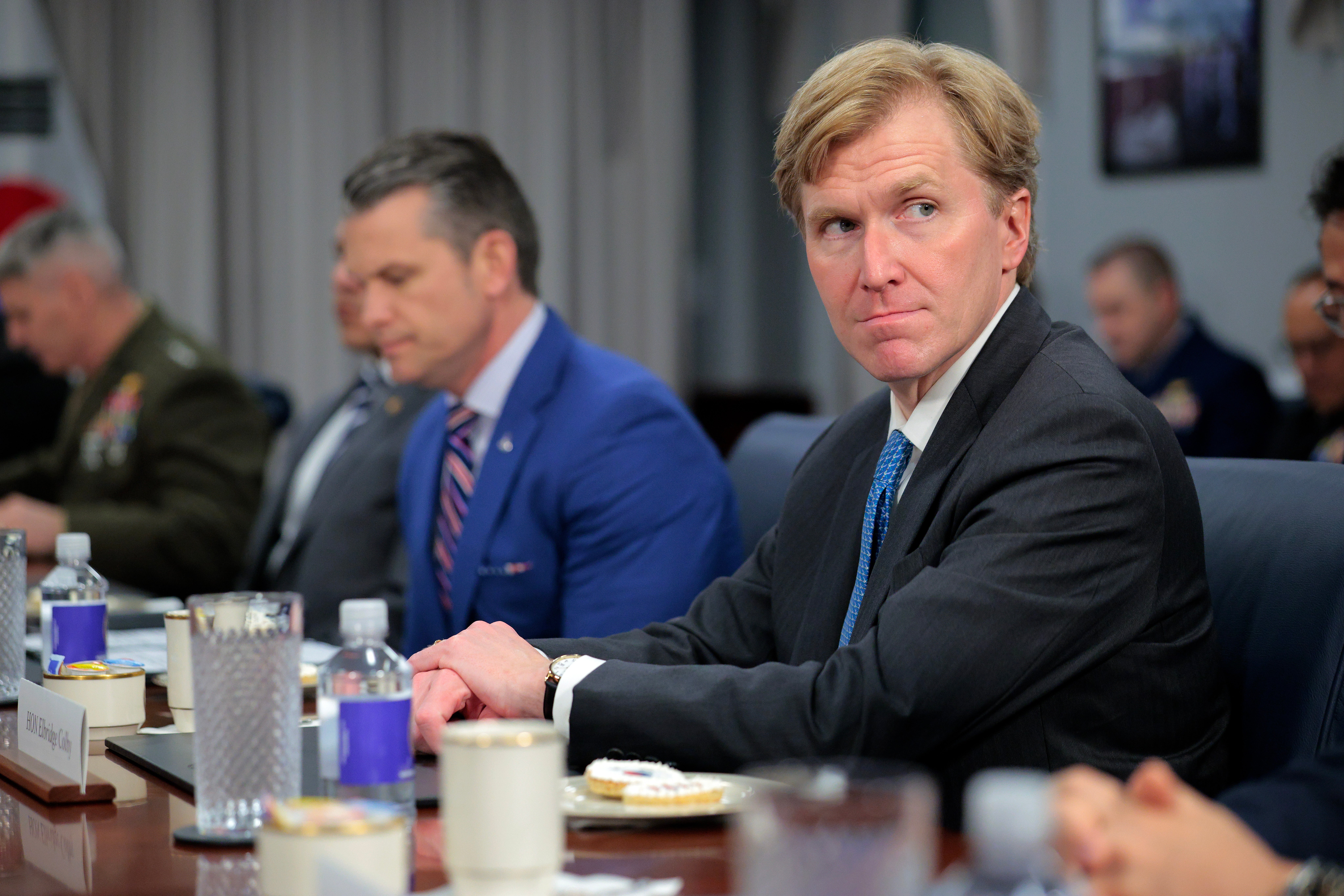
Trump has also urged like-minded governments to counter China’s growing influence in Latin America, including Panama with its strategic canal, which Trump has threatened to reclaim by force if necessary.
cookie.trim() === ‘__DEBUG__=true’)) { console.log(‘Ad logs: “mpu2”, injectedAtParagraph: 9’); }]]>
Colby urged Latin American nations to “protect your critical assets” from external actors, presumably referring to China. Echoing U.S. demands of European and Asian allies, he also pressed Latin American nations to increase their defense spending, noting that some allocate less than 1% of their GDP. “There is no reason why any country, particularly those facing significant narco-terrorist threats, should spend so little on defense,” Colby concluded.

