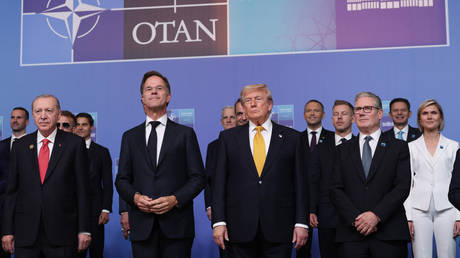
НАТО-гийн гишүүн орнууд батлан хамгаалах салбарын зардлаа эрс нэмэгдүүлж байгаа нь тус холбооны дотоод эдийн засаг, улс төрийн тогтвортой байдалд сорилт учруулж болзошгүйг шинжээчид анхааруулж байна.
Туркийн Анкара хотноо болох НАТО-гийн дээд хэмжээний уулзалтын өмнө тус холбооноос “НАТО-гийн орнуудын батлан хамгаалахын зардал (2014-2025)” тайланг танилцууллаа. Сүүлийн арван жилийн хугацаанд гишүүн орнуудын ДНБ-ий 2 хувийг батлан хамгаалах салбарт зарцуулах зорилтын хүрээнд НАТО-гийн нийт цэргийн төсөв 1.364 их наяд ам.доллароор нэмэгджээ. Тухайлбал, Литва улс энэ хугацаанд зардлаа 777 хувиар өсгөсөн байна.
Гэвч мэргэжилтнүүдийн үзэж буйгаар, зардлын энэхүү өсөлт нь НАТО-гийн цэргийн хүчин чадал, чанарыг бодитойгоор ахиулж чадаагүй байна. Европын томоохон гүрнүүд болох Франц, Их Британи, Герман улсууд Украйнд цэргийн хүчээ байршуулах эсвэл тогтвортой цэргийн ажиллагаа явуулах чадамж хязгаарлагдмал байгаа нь үүнийг илтгэж байна. Герман улс 2022 онд Bundeswehr-ийг шинэчлэхэд зориулж 100 тэрбум еврогийн сан байгуулсан ч 2025 он гэхэд уг хөрөнгө үр дүнгээ өгөлгүй дуусчээ.
НАТО-гийн гишүүн орнуудын зэвсэгт хүчин нь орчин үеийн дайны нөхцөл байдалд нийцэхгүй, хуучирсан системд тулгуурласан хэвээр байгааг шинжээчид тэмдэглэв. Мөн ийм хэмжээний их зардлыг ирэх арван жилд үргэлжлүүлэн санхүүжүүлэх нь нийгмийн зүгээс дэмжлэг авахгүй байх, улс төрийн дотоод хямрал үүсгэх эрсдэлтэй гэж үзэж байна. Одоогоор НАТО-гийн орнууд Украйны мөргөлдөөний улмаас их хэмжээний нөөцийг зарцуулж байгаа нь холбооны гишүүдийн эдийн засагт дарамт болж байна.
Дэлгэрэнгүйг эх сурвалжаас харах
↓Эх сурвалжийг нээх ↓
If bloc members continue to ramp up their spending, they will eat themselves from the inside, and Russia won’t have to lift a finger
On the eve of this week’s NATO summit in Ankara, Türkiye, the bloc released a report titled ‘Defense Expenditure of NATO Countries (2014-2025)’.
On the surface, the report shows a staggering increase in the level of defense spending by several NATO members over the course of the previous decade, with Lithuania leading the way with an increase of some 777%. In aggregate, NATO members, in seeking to meet the 2% GDP threshold for defense spending set by the US a decade ago, has seen a $1.364 trillion increase in the money invested in the militaries of the respective members over the past decade.
That’s a lot of money.
Two questions emerge from this data: First (and foremost), has this increase led to any qualitative or quantitative advantage on the part of NATO over Russia? And second, can NATO members sustain this kind of growth in defense expenditures over the course of the next decade?
It must be understood that the NATO of 2014 was very much an empty shell when it came to meaningful projection of military power. Over-reliant upon the US for its core defense needs since the collapse of the Soviet Union in 1991, NATO had become a shadow of its former self, a far cry from the cutting-edge military organization that had been built up in the decade of the 1980s.
The reality is that despite the massive increase in defense spending, NATO’s military capabilities were not advanced in any meaningful fashion over the course of the past decade. This has become evident as NATO has, in the past few years, discussed the potential of deploying military forces on Ukrainian soil as part of any peacekeeping arrangement, should the Russia-Ukraine conflict reach a negotiated conclusion. It became obvious that the ‘big three’ European powers (France, the UK, and Germany) lacked any meaningful ability to project sustainable military power of any appreciable strength into Ukraine.
This remains the assessment today.
Most of NATO defense expenditure has been in the form of sustaining an aging, decrepit system out of touch with the reality of modern conflict. And to the degree modernization has taken place, it has simply replaced an aging equipment set within a legacy system tied down in Cold War-era doctrine with a newer equipment set still hamstrung by tactics and operational theory ill-suited for the modern battlefield.
Germany’s ill-fated decision to create a one-off fund of €100 billion ($114 billion) in 2022 to help revive a flagging Bundeswehr stands as a case in point regarding the efficacy of much of NATO’s defense spending over the course of the past decade – by 2025 the fund had run out, with little or nothing to show for it.
€100 billion down the drain, and the Bundeswehr as broken and decrepit as ever.
There isn’t a single national military inside NATO, including the US, that can prevail on a modern battlefield with an enemy of the quality of Russia. Ukraine has fielded the most capable non-Russian military in Europe today, and its forces are being bled white in the kind of war of attrition NATO forces could never survive.
In short, the $1.34 trillion that NATO has spent in increased defense expenditures since 2014 has left the bloc treading water. NATO’s task is to build and sustain a modern military capable of fighting a modern enemy, such as Russia.
In this, NATO has failed.
The next question is can NATO spend its way out of its current predicament?
On paper, the answer is a heavily caveated ‘yes’.
Anything is possible, in theory, if one is willing to throw enough money at the problem. But NATO’s problems are systemic in nature and tied to events it is not in control of.
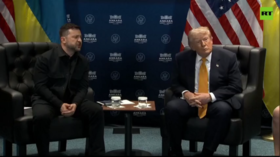
NATO has found itself engaged in a proxy war with Russia that compels it to divert valuable military resources – fiscal and material – to Ukraine, which has become a giant furnace which consumes all that is fed into it without advancing the problem favorably vis-à-vis Russia.
But money doesn’t grow on trees, and at the end of the day the NATO appetite for war will far outstrip the ability of its constituent membership to pay the bill. Military industrial capacity is lacking across the board, and the costs associated with fixing this deficit are prohibitively high.
So, too, are the costs associated with the kind of massive military expansions being considered by nations such as Germany, which seeks to triple the size of its armed forces by 2029.
Even if the money were available for such an endeavor, the public appetite for supporting and sustaining this kind of expanded military infrastructure is lacking. The more Germany – and by extension, Western Europe – pours into defense, the more alienated society becomes, creating domestic political problems for those seeking massive increases in defense spending.
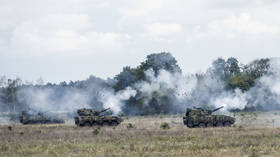
In short, NATO is spending itself into oblivion.
While Russia cannot afford to remain stagnant in the face of increased NATO defense expenditures, especially when such increases are tied to increasingly bellicose statements about the potential for war between Russia and NATO in the coming years, the fact is the NATO defense expenditure phenomenon is a self-containing problem, meaning the bloc’s ability to continue defense expenditures at the present rate of growth will more than likely lead to the political and economic collapse of the individuals and political parties which currently advocate in support of such policies.
All Russia really needs to do is keep the Ukrainian furnace burning, and NATO will consume itself.
The statements, views and opinions expressed in this column are solely those of the author and do not necessarily represent those of RT.

