
АНУ-ын ерөнхийлөгч Дональд Трамп Ираны талтай байгуулсан гал зогсоох хэлэлцээрийг хүчингүй болгож, тус улсын эсрэг цэргийн ажиллагааг дахин эхлүүлэх шийдвэр гаргалаа.
Даваа гарагт болсон уулзалтын үеэр Төрийн нарийн бичгийн дарга Марко Рубио болон Батлан хамгаалахын сайд Пит Хегсет нар Ираны хүчин Ормузын хоолойд зорчиж байсан арилжааны гурван хөлөг онгоц руу халдсан талаар Ерөнхийлөгчид мэдээлжээ. Үүний хариуд АНУ-ын зүгээс Ираны байршлуудад хоёр өдрийн турш агаарын болон пуужингийн цохилт өгч, Ираны газрын тосны борлуулалтад тавьсан хоригоо дахин сэргээв. Ерөнхийлөгч Трамп Ирантай хэлэлцээр хийх нь цаг гарз гэж үзэж байгаагаа илэрхийлсэн байна.
Өнгөрсөн зургаадугаар сарын 17-нд Францын Версаль хотноо байгуулсан 14 зүйл бүхий хэлэлцээрээр талууд дайсагнасан ажиллагааг зогсоож, хоолойг нээхээр тохиролцсон байсан юм. Гэвч Ираны хүчин арилжааны хөлөг онгоцнуудыг пуужин болон дроноор сүрдүүлж, нэгэн танкерыг шатааснаар уг хэлэлцээр ийнхүү нуран унав. АНУ-ын албаны хүмүүсийн зүгээс Ираныг хүчирхийллийн замыг сонгосон гэж буруутгаж байгаа бол тус улсын Батлан хамгаалах яам хөлөг онгоцнуудыг хамгаалах зорилгоор Ормузын хоолойд тэнгисийн цэргийн бүслэлт тогтоох хувилбарыг авч үзэж байна.
АНУ-ын дэд ерөнхийлөгч Жэй Ди Вэнс хэрэв Иран улс хөлөг онгоцнууд руу гал нээхээ зогсоохгүй бол АНУ хатуу хариу арга хэмжээ авах болно гэдгийг мэдэгдлээ. Олон улсын худалдааны гол зам болох Ормузын хоолой дахь мөргөлдөөн нь дэлхийн зах зээл дэх шатахууны үнийн өсөлтөд шууд нөлөөлж байна. АНУ-ын Ардчилсан намын төлөөлөгчид ерөнхийлөгчийн энэхүү шийдвэрийг шүүмжилж байгаа ч АНУ-ын засаг захиргаа Ираныг цөмийн зэвсэгтэй болохыг хэзээ ч зөвшөөрөхгүй гэсэн байр суурьтай хэвээр байна.
Дэлгэрэнгүйг эх сурвалжаас харах
↓Эх сурвалжийг нээх ↓
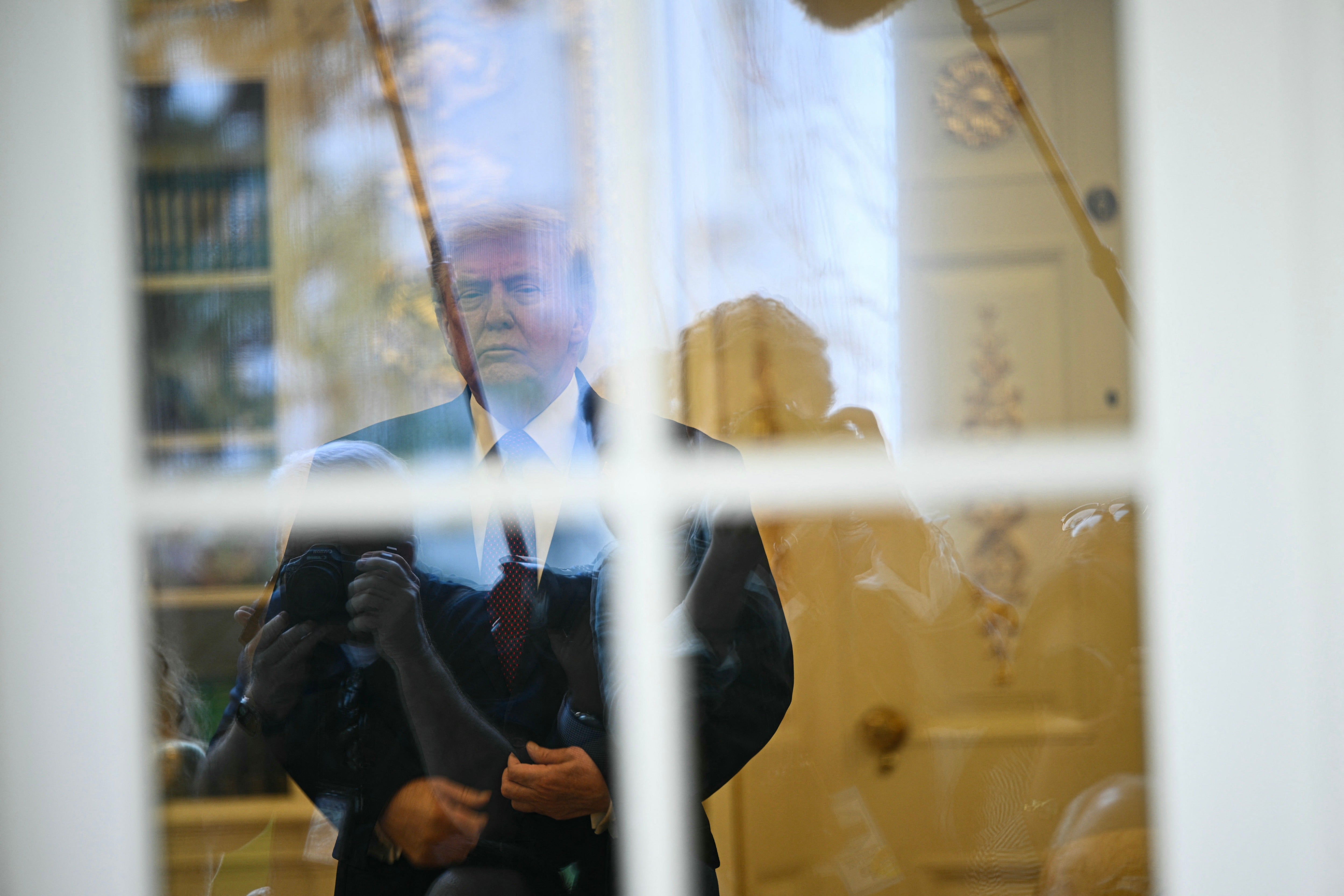
During a Monday Oval Office meeting, a furious Trump decided he had enough and determined the ceasefire with Iran was finished, according to a new report.
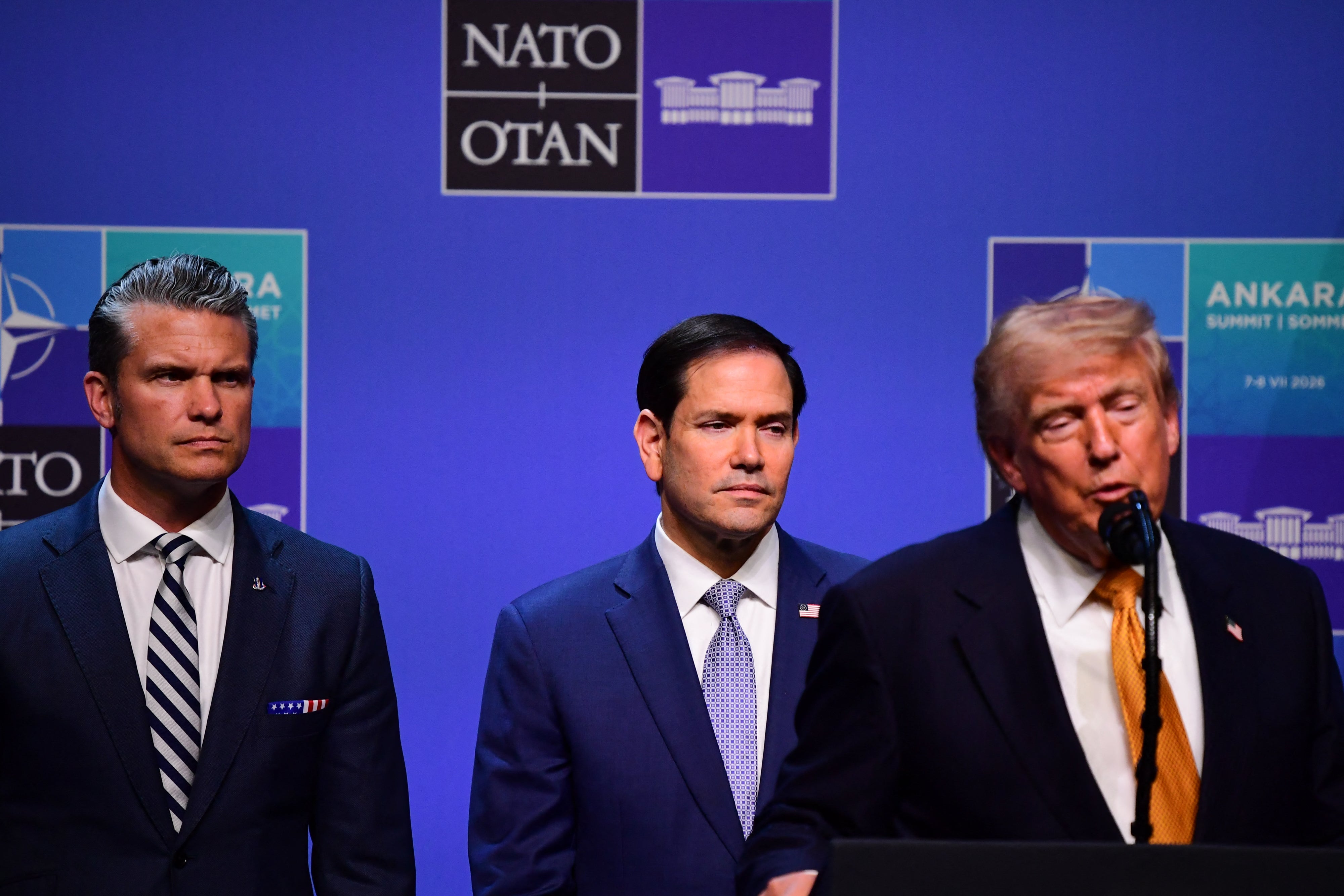
Shortly before Trump departed for a NATO summit in Turkey, Secretary of State Marco Rubio and Defense Secretary Pete Hegseth joined him in the West Wing. They informed him that Iran had fired on three ships traversing the Strait of Hormuz within a span of a few hours.
Outraged, Trump asked his top advisers whether Tehran was negotiating in good faith toward a final deal to end the war, sources familiar with the matter told The Wall Street Journal. “In the end, after discussing it with his senior aides, the president decided they weren’t,” the outlet reported.
The response was swift. Trump ordered a barrage of strikes against Iran over the next two days, reinstated sanctions on Iranian oil sales and threatened to reimpose a U.S. blockade in the strait. On Wednesday, any ambiguity surrounding the ceasefire was dispensed with when the president said: “To me, I think it’s over.” Dealing with the Iranians, in his telling, was “a waste of time.”
Trump’s actions and statements this week have marked a sharp break from last month, when he signed a memorandum of understanding with Iran, which he hailed as a significant breakthrough in the pursuit of peace. The agreement brought an end to the conflict that started on February 28, when the U.S. and Israel launched attacks on Iran. Trump has long said the war was to prevent Iran from having a nuclear weapon.
The 14-point agreement — signed in Versailles on June 17 — called for an immediate cessation of hostilities, the reopening of the strait and a final deal within 60 days. In the wake of the latest strikes, those prospects appear increasingly remote, raising the likelihood that a war already viewed unfavorably by the public may grind on.
When reached for comment by The Independent, a U.S. official pinned the blame for the latest escalations on Iran.
“As the world knows, President Trump’s first preference is always peace and diplomacy,” the official said. “Unfortunately, Iran has chosen the path of violence – and they are reaping the consequences of that decision. The United States will not stand idly by while Iran commits acts of international terrorism, and President Trump will never allow Iran to have a nuclear weapon.”
The situation came to a head over the weekend in the Strait of Hormuz, the vital trade route that, before the conflict, carried roughly 20 percent of the world’s oil. Traffic has been reduced significantly throughout the war, leading to a surge in global fuel prices.
As a trio of commercial ships approached the southern route on Sunday, they received a warning via radio transmission from Iran. According to Journal, the message stated: “This route is not safe…Our missiles and drones are ready to fire at you.”
Moments later, the threat materialized. Iranian forces launched missiles at vessels, including a tanker that was soon engulfed in flames, forcing its crew to abandon ship.
The escalation followed mounting frustration in Tehran, where officials have been seeking to tighten their grip on the strategic waterway. Their anger had reportedly been stoked by a secret U.S. military effort to help guide commercial traffic through the strait’s southern passage.
But the strike also provoked a reaction in Washington. Trump, who had said he was giving Iran “a week off” from negotiations for the funeral of Ayatollah Ali Khamenei, was reportedly incensed by the attack.
On Tuesday and Wednesday, the U.S. struck a series of targets across the Middle Eastern nation.
U.S. Central Command asserted that American forces initiated the strikes “to impose heavy costs for targeting and attacking commercial shipping crewed by innocent civilians in an international waterway.”
“The deal is very simple,” Vice President JD Vance told a Wisconsin crowd on Wednesday. “If they shoot at ships, we’re going to knock the hell out of them.”
The U.S. also revoked a 60-day license issued last month by the Treasury Department, which had waived sanctions on Iranian oil as part of an effort to end the fighting.
The 80-year-old president further hinted that the U.S. could reimpose its naval blockade in the strait, stating on Wednesday: “We may put it back.” U.S. Navy ships are positioned and ready should Trump decide to restore the blockade, according to the Journal.
The administration’s actions have drawn scorn from Democrats, many of whom have opposed the war from the start.
“The so-called ceasefire in the Middle East has collapsed. Again,” House Minority Leader Hakeem Jeffries wrote in a post on X on Wednesday. “Donald Trump’s reckless war of choice in Iran has been a disaster.”
In a CBS News poll released last month, 78 percent of respondents said they want the war to be over, while 69 percent said the conflict has not been worth the cost.


