
НҮБ-ын зуучлалтайгаар Киприйн асуудлыг зохицуулах шинэ хэлэлцээрийн төсөл боловсруулагдаж байгаа нь 52 жил үргэлжилсэн улс төрийн мухардалд цэг тавих боломжийг бүрдүүлж байна.
НҮБ-ын Ерөнхий нарийн бичгийн даргын тусгай элч Мария Анжела Холгин өмнөх холбооны улсын загвараас татгалзаж, илүү уян хатан бүтцийг санал болгож байна. Энэхүү төсөл нь Грек болон Турк гаралтай кипричүүдийн байр суурийг нэгтгэж, улс төрийн тэгш эрх бүхий хоёр бүрэлдэхүүн хэсэгтэй, төвлөрсөн эрх мэдлийг хязгаарласан засаглалын тогтолцоог бий болгохыг зорьжээ. Хэлэлцээрийн хүрээнд Туркийн тал газар нутгийн тодорхой хэсгийг, тухайлбал Мараш амралтын газрыг шилжүүлэн өгөх нөхцөлтэйгөөр хүлээн зөвшөөрөгдөх боломжтой юм.
Энэхүү үйл явц нь Их Британийн хувьд онцгой ач холбогдолтой бөгөөд тус арлын нутаг дэвсгэрт байрлах Британийн хоёр цэргийн бааз нь Ойрх Дорнод дахь нөхцөл байдлыг зохицуулахад чухал үүрэг гүйцэтгэдэг. Ойрын хугацаанд Ираны зүгээс хийсэн халдлагын дараа HMS Dragon хөлөг онгоцыг тус бүс нутагт байршуулж, Британи болон холбоотнуудын ашиг сонирхлыг хамгаалах арга хэмжээ авсан билээ. Шинэ төлөвлөгөөнд 1960 оны баталгааны тогтолцоог НАТО-гийн загвараар орлуулах, олон улсын цэргийн оролцоог хязгаарлагдмал байдлаар хадгалах хувилбарыг тусгасан байна.
Талууд тохиролцоонд хүрэх тохиолдолд хоёр эсвэл гурван жилийн шилжилтийн үеийг хэрэгжүүлэхээр төлөвлөж байгаа бөгөөд үүнд шууд худалдаа, нислэгийн харилцааг нээх, байгалийн хийн олборлолтыг хамтран удирдах зэрэг асуудлууд багтаж байна. Хэдийгээр Туркийн Бүгд Найрамдах Умард Кипр улсын ерөнхийлөгч Туфан Эрхүрман уг саналыг хэлэлцэхэд нээлттэй байгаа ч Киприйн засгийн газар дотоодын улс төрийн нөхцөл байдлаас шалтгаалан болгоомжтой хандаж байна. НҮБ-ын зүгээс энэхүү санаачилгыг бүс нутгийн тогтвортой байдлыг хангах, Европ болон дэлхийн бусад улс орнуудад үлгэр жишээ болохуйц шийдэл болно гэж найдаж байгаагаа илэрхийлжээ.
Дэлгэрэнгүйг эх сурвалжаас харах
↓Эх сурвалжийг нээх ↓
A deal being drafted by the United Nations to end the Cyprus crisis could end 52 years of stalemate with a watered down federal solution close to Turkish demands for two separate states.
The prospect of a deal would be hugely significant for the UK because of the ongoing status of its two sovereign bases on the island which are crucial for dealing with problems in the Middle East.
It also follows an attack by Iran on one of those bases during the recent war started by Donald Trump and the relocation of UK destroyer HMS Dragon to protect British and allied interests there.
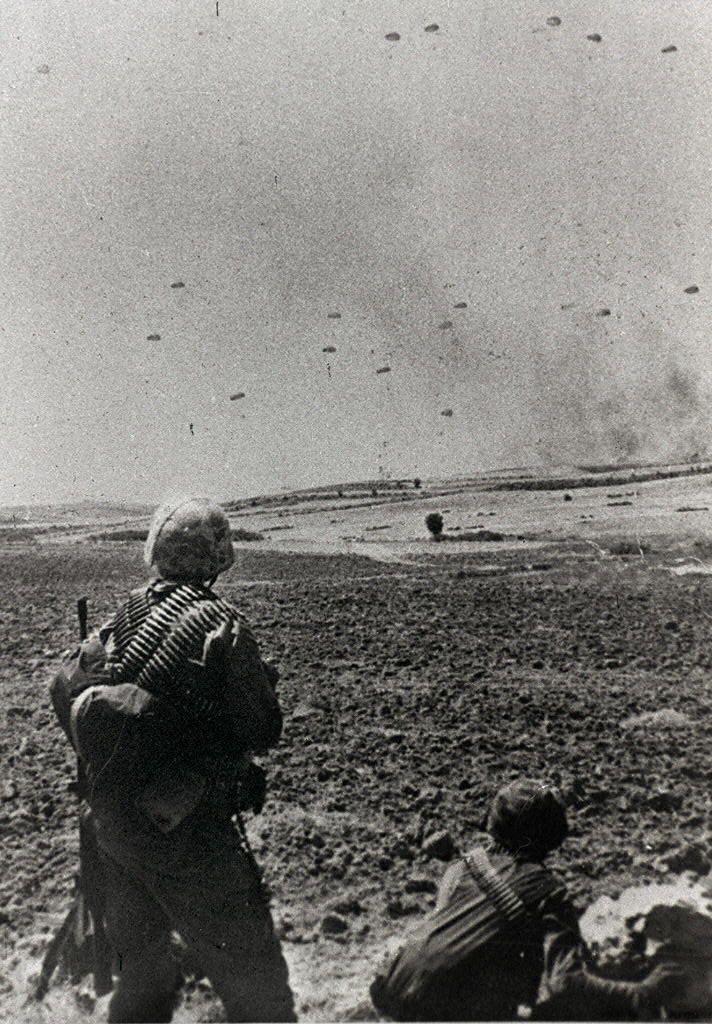
The Mediterranean island has been formally split since 1974 after a military coup on the island saw an attempt to unite it with Greece and an outbreak of fighting between the Greek and Turkish Cypriots.
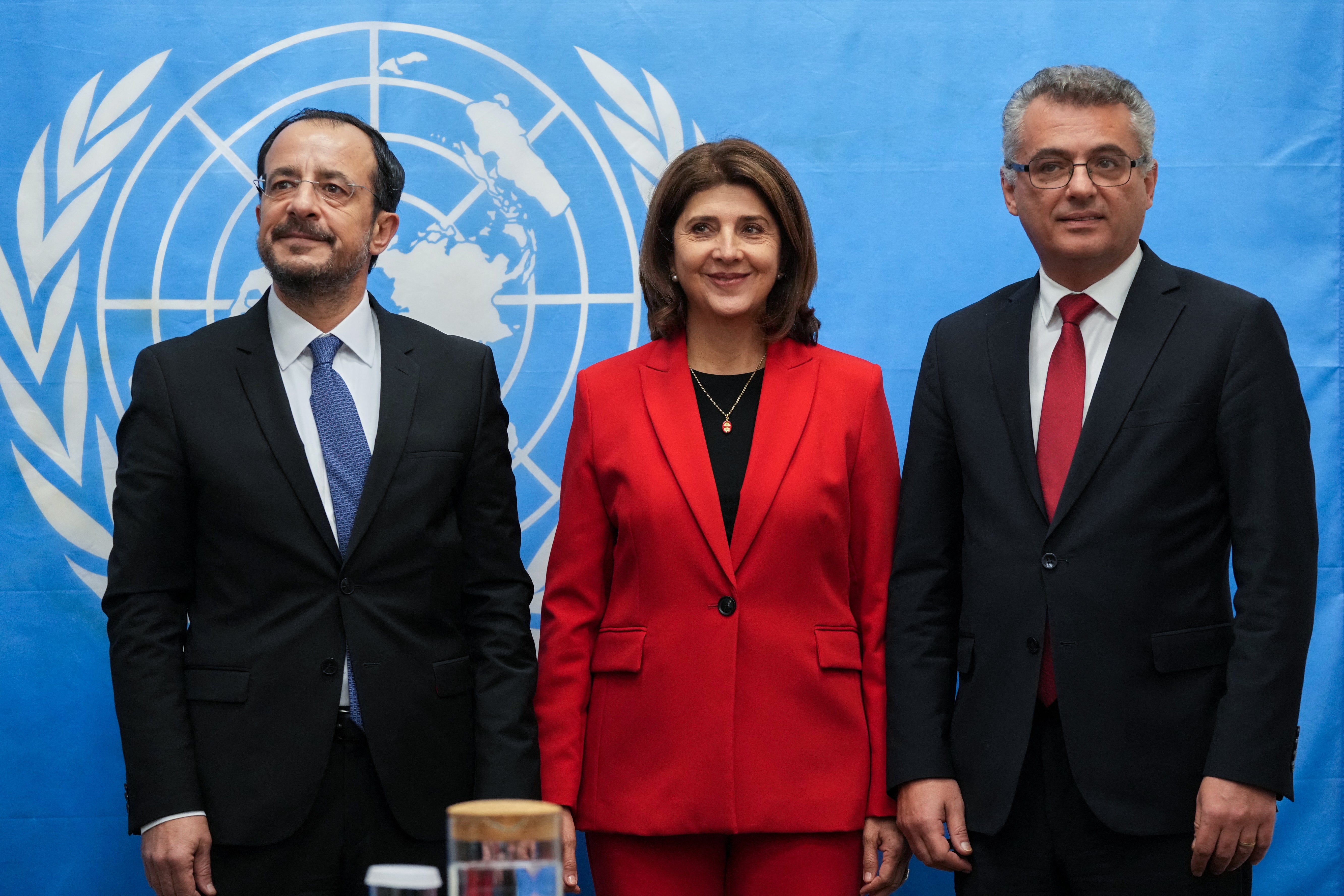
The intervention by the Turkish army on 20 July 1974 led to the island being divided between north and south with the unrecognised Turkish Republic of Northern Cyprus (TRNC) unilaterally declaring independence in 1983.
However, María Ángela Holguín, the UN secretary-general’s personal envoy for Cyprus, has been working on a deal with the TRNC arguing that the status of Turkish Cypriots is not being treated equally as was originally agreed when the island was given independence from the British empire in 1960.
Details seen by The Independent suggest that Ms Holguin is proposing a looser solution within the EU moving away from the federal model of previous negotiations.
She is understood to hope that the structure is one that Greek Cypriots could call a federation and Turkish Cypriots a confederation – bridging the gap through deliberate “constructive ambiguity.”
Under the TRNC’s previous president Ersin Tatar, backed by the Turkish government in Ankara, the Turkish Cypriots pushed for a pure two state solution. But since winning the election last year the TRNC’s new president Tufan Erhürman has adopted a more flexible approach.
Crucially, the UN draft solution would potentially create two constituent states with political equality and a drastic reduction in shared competences; most day-to-day governance handled by the two states, with a small central structure for what cannot be left to each side.
But in exchange for recognition and autonomy, the TRNC would have to cede land including the deserted resort of Maraş (Varosha).
For shared competences there would be a rotating presidential council led by the two leaders (a 2-1 or 3-1 ratio in favour of the Greek Cypriot side); an overarching council of Greek Cypriot and Turkish Cypriot MPs rather than a directly elected federal parliament; a joint cabinet of roughly five or six ministries (foreign affairs, defence, internal affairs/citizenship, finance, European affairs).
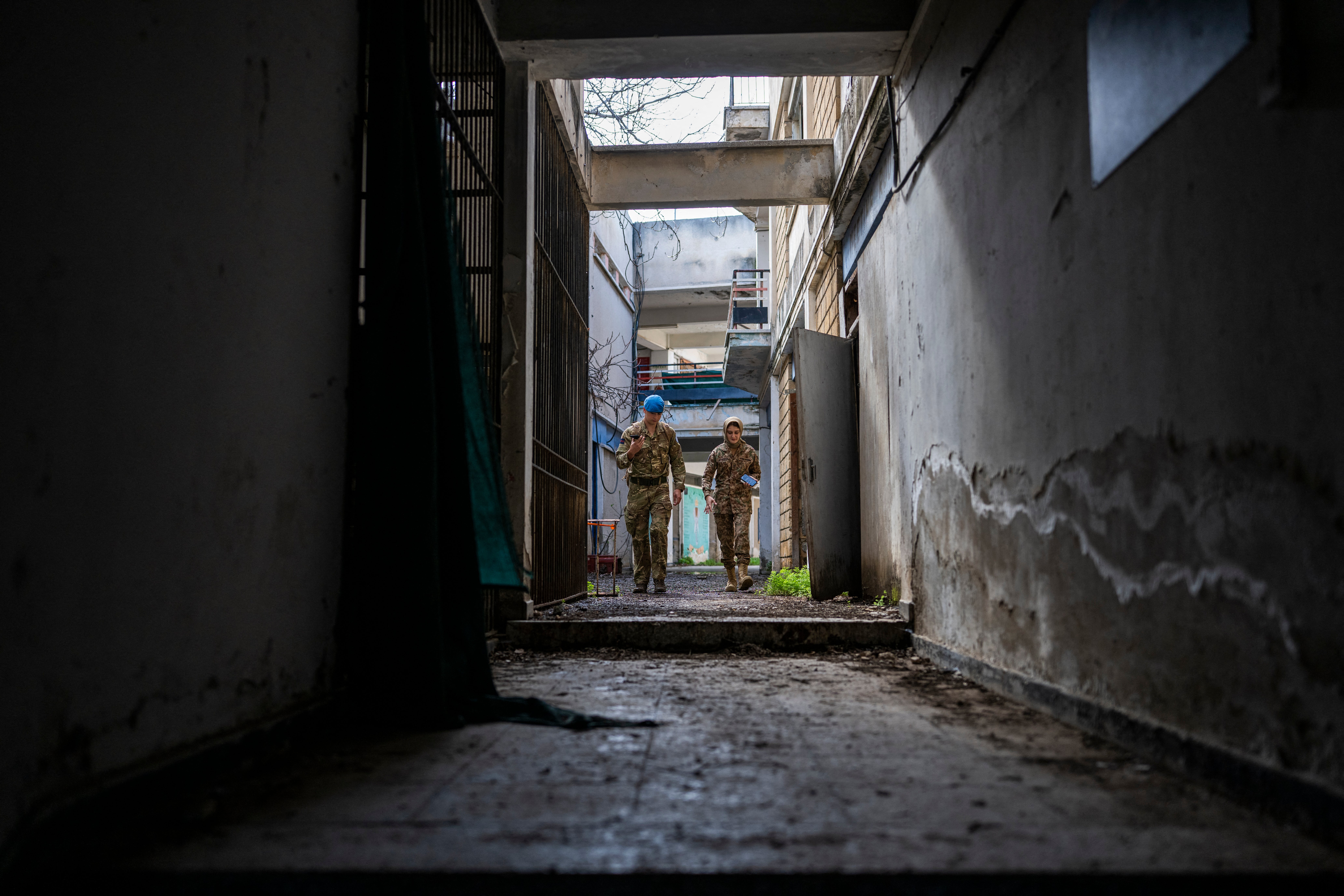
At least one decisive vote for a Turkish Cypriot minister in the Council of Ministers – central to genuine political equality – is being proposed as a safeguard but could become a sticking point in the talks.
The Cypriot government in the south wants to see the removal of Turkish forces from the island which they consider to be an army of occupation while the TRNC insists it is there for their protection.
To deal with the guarantor system set up in 1960 of the UK, Turkey and Greece would be replaced with a Nato formula, potentially allowing a small multinational presence on the island.
The UN is understood to be looking at a two or three year transition period, with initial territorial returns (Varosha first) and the gradual introduction of the Turkish Cypriot side’s “three Ds” – direct trade, direct flights and direct contacts – plus easing of Turkish restrictions and access to Turkish ports.
There is also a hope of possible movement on natural gas exploitation, and an explicit tie between a Cyprus settlement and the Türkiye-EU agenda with regards to the customs union, making this part of a broader EU-Turkey package.
It is understood that the TRNC’s President Erhürman is more ready to negotiate such a framework; while Cypriot President Nikos Christodoulides is more hesitant, balancing the process against domestic political pressures.
The talks have been ongoing for decades with the Annan deal being rejected at the last minute by the Greek Cypriots in 2004. An attempt at talks in Crans Montangne in 2017 almost revived the deal but also failed.
Spyros Miltiades, deputy high commissioner for Cyprus in London, said: “As far as I know, there has been no formal UN proposal that either side has been asked to respond to. The ideas being circulated appear to be speculative rather than a concrete proposal or plan. Any meaningful progress would need to come through the established UN-led process and within the agreed UN framework.”
TRNC President Erhürman said on Facebook: “Our people’s will for a solution is clear. We have stated our support for the efforts of UN secretary-general and we continue to support them.
“We had said that there was no plan, only some ideas (if anyone had doubts, I think they have understood that there should be no doubt with the new statements). Nevertheless, we informed our Political Parties Council, our trade unions, our Youth Coordination Desk, our business organizations, and anyone who wished to be informed about the ideas.
“Our only concern is the rights, future, equality, security, and engagement with the world of our people, especially our children, and the preservation of the position of Turkish Cypriots as ‘subjects.’”
In a statement on 1 July Ms Holguín said: “I recognise past efforts and difficult negotiations throughout history.
“I am convinced that Cypriots can cooperate and share a vision of the future for the new generations. Cyprus truly has the potential to become a central regional actor by uniting around common interests, while respecting its own internal characteristics and diversity.
“Cyprus can be a place where bridges are built in all directions and coexistence is promoted in this complex Eastern Mediterranean region. As such, Cyprus can truly become an example for the region, for Europe and for the rest of the world.”



