АНУ-ын Эрүүл мэнд, хүний үйлчилгээний яамны (HHS) хяналтын байгууллага сүүлийн хагас жилд 5.56 тэрбум ам.долларын хэмнэлт болон нөхөн төлбөр бүрдүүлж, 1,212 хувь хүн, байгууллагыг холбооны эрүүл мэндийн хөтөлбөрүүдээс хассан байна.
Аравдугаар сараас гуравдугаар сар хүртэлх хугацааг хамарсан тайланд дурдсанаар, тус байгууллага зарцуулсан нэг ам.доллар тутамд 12.70 ам.долларын өгөөжтэй ажиллажээ. Энэхүү санхүүгийн үзүүлэлт нь теле-анагаах ухааны салбарын луйврын хэрэг болон Kaiser Permanente, CVS Health зэрэг компаниудын Medicare Advantage хөтөлбөртэй холбоотой томоохон хэргүүдийн үр дүнд бий болсон байна. Гэсэн хэдий ч энэ нь тус агентлагийн сүүлийн хоёр жилийн хугацаан дахь хамгийн бага идэвхтэй ажиллагаа болсныг тэмдэглэжээ.
Тус байгууллагын хууль сахиулах ажиллагаа ерөнхийдөө буурсан үзүүлэлттэй байна. Тухайлбал, эрүүгийн болон иргэний хэрэг хянан шийдвэрлэх ажиллагаа өмнөх тайлант үеийн 833-аас 604 болж, эрүүгийн хэрэгт шилжүүлсэн тохиолдол 1,451-ээс 1,168 болж тус тус буурчээ. Мөн Medicare болон холбооны бусад хөтөлбөрөөс хассан тохиолдол хоёр жилийн өмнөх 1,795-аас 1,212 болж буурсан нь Засгийн газрын эрүүл мэндийн салбар дахь луйврын эсрэг “урьд өмнө байгаагүй том арга хэмжээ авч байна” гэх мэдэгдэлтэй зөрчилдөж байна.
Тайлангийн аргачлалд 2025 оны эхээр өөрчлөлт орсон бөгөөд одоогийн “нийт мөнгөн дүн” гэсэн үзүүлэлт нь бодит бэлэн мөнгө бус, харин төлөвлөсөн хэмнэлт болон нөхөн төлөхөөр тохиролцсон дүнг багтааж байна. АНУ-ын дэд ерөнхийлөгч Ж.Д.Вэнсээр удирдуулсан ажлын хэсэг луйврын эсрэг “зогсолтгүй” тэмцэнэ гэдгээ мэдэгдсэн ч тайланд дурдсан аудит нь зарим тохиолдолд зохион байгуулалттай гэмт хэрэг бус, харин баримт бичгийн алдаа болон хяналт сул байдлаас үүдэлтэй төлбөрийн зөрчлүүд байгааг илрүүлжээ.
Дэлгэрэнгүйг эх сурвалжаас харах
↓Эх сурвалжийг нээх ↓
The U.S. Department of Health and Human Services’ watchdog says it generated $5.56 billion in expected recoveries and projected savings over six months and barred 1,212 individuals and companies from federal healthcare programs. But the financial haul came as the agency’s enforcement activity fell to its lowest level in at least two years, undercutting the Trump administration’s portrayal of an unprecedented healthcare fraud crackdown.
In its semiannual report to Congress covering October through March, the HHS Office of Inspector General (OIG) said it returned $12.70 for every dollar spent. The total was driven by several major cases, including a 15-year prison sentence for a telemedicine software executive tied to a $1 billion fraud scheme and $674 million in settlements with Kaiser Permanente affiliates and CVS Health’s Aetna over Medicare Advantage billing.
Despite those headline recoveries, overall enforcement declined. Combined criminal and civil actions dropped to 604, down from 833 in the previous reporting period, while criminal referrals fell to 1,168 from 1,451. Exclusions from Medicare and other federal healthcare programs also declined to 1,212, continuing a two-year downward trend from 1,795. The figures show no increase in enforcement compared with the same period under the Biden administration.

The report’s headline financial figure also reflects a methodology change introduced in early 2025. The OIG’s “total monetary impact” measure combines projected savings with money ordered or agreed to be repaid, rather than cash actually recovered. A glossary in the report notes the figures should not be interpreted as funds already collected.
The report comes as Vice President JD Vance, HHS Secretary Robert F. Kennedy Jr., and Centers for Medicare & Medicaid Services Administrator Mehmet Oz promote what the White House has described as an “unrelenting” fight against healthcare fraud. The OIG is now part of a Vance-led White House fraud task force.
Oz has separately claimed the government identified about $2 billion in improper spending on people in the country illegally, though that figure does not appear in the watchdog’s report. Instead, the report highlights improper payments to deceased enrollees across 35 states, Puerto Rico and Washington, D.C.
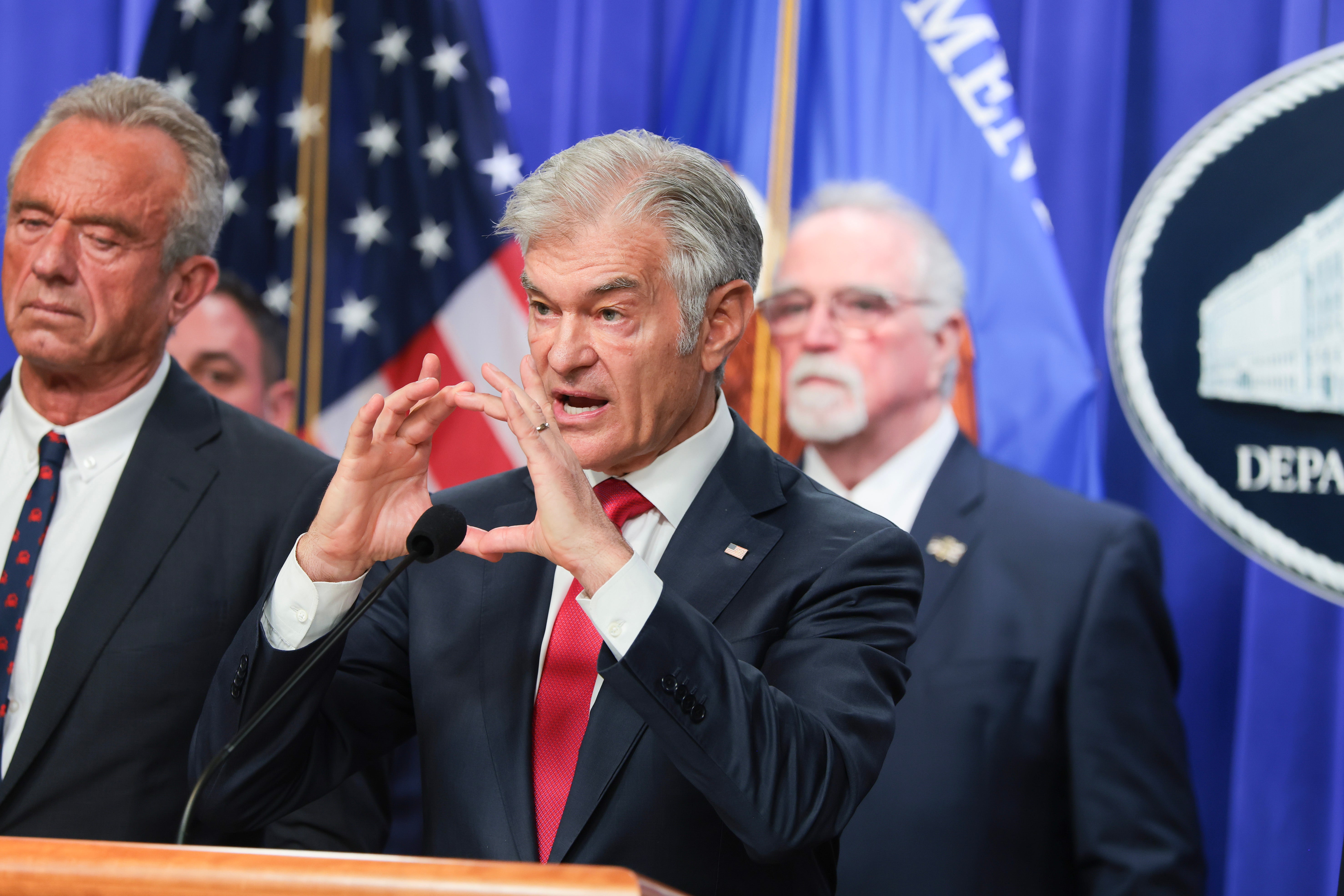
The administration has also pointed to autism-related Medicaid spending as evidence of widespread fraud. But OIG audits in Indiana, Wisconsin, Maine and Colorado found hundreds of millions of dollars in improper or potentially improper payments for applied behavior analysis therapy because of documentation errors, unsigned assessments, cloned session notes, uncredentialed staff and weak oversight—not organized criminal schemes.
The report is the first signed by Inspector General T. March Bell, a Republican lawyer confirmed by the Senate in December. Bell previously led a House investigation into Planned Parenthood and served in the HHS Office for Civil Rights during Trump’s first administration.