
Ажилд орох өргөдөл гаргагчдын дунд хар тамхины шинжилгээний эерэг дүн өссөнөөр компаниуд ажилд авах бодлогоо өөрчлөн шинэчилж байна.
Quest Diagnostics байгууллагын 2025 оны тайлангаар, тус улсын ажиллах хүчний 19.1 хувь нь үс шинжилгээний аргаар хийсэн хар тамхины сорилоор эерэг дүн үзүүлсэн нь 2021 онтой харьцуулахад 46 хувиар өссөн үзүүлэлт юм. Эдгээр эерэг тохиолдлын 52.5 хувийг марихуаны хэрэглээ эзэлж байна. Шээсний шинжилгээгээр бүх төрлийн хар тамхины хэрэглээ 4.3 хувьтай тогтвортой байгаа ч марихуаны хэрэглээ 3.9 хувиас 4.4 хувь болж өсчээ.
Ажиллах хүчний хомсдол болон хууль эрх зүйн орчны өөрчлөлтөөс үүдэн олон компани ажилд орох өмнөх үзлэгийг халж эхэллээ. Fisher Phillips хуулийн фирмийн судалгаагаар ажил олгогчдын тал хувь нь ажилд горилогчдоос марихуаны шинжилгээ авахаа больсон байна. Томоохон корпорацуудын хувьд Amazon, Home Depot, Citigroup зэрэг компаниуд нийтийн аюулгүй байдалтай холбоогүй ажлын байранд урьдчилсан шинжилгээ хийхээс татгалзжээ.
Үндэсний аюулгүй байдлын зөвлөлийн шинжээчдийн үзэж буйгаар, ажил олгогчид ажилтны хувийн амьдралыг бус, ажлын байран дээрх гүйцэтгэлд нөлөөлөхүйц саатал буюу ажлын байрны аюулгүй байдлыг илүүтэй анхаарах болсон байна. Хэдийгээр зарим муж улс марихуаны хэрэглээг зөвшөөрч, ажил олгогчдын хяналтыг хязгаарлаж байгаа ч аюулгүй байдал өндөр шаарддаг салбаруудад шүлсний шинжилгээ зэрэг илүү нарийвчлалтай аргуудыг ашиглах нь нэмэгджээ. Одоогоор АНУ-ын холбооны түвшинд эмнэлгийн зориулалттай марихуаныг ангиллыг бууруулах асуудал хөндөгдөж байгаа нь цаашид ажил эрхлэлтийн дүрэм журамд өөрчлөлт орохыг харуулж байна.
Дэлгэрэнгүйг эх сурвалжаас харах
↓Эх сурвалжийг нээх ↓
<![CDATA[{"className":"sc-1ge0fwe-0","newsletterData":{"pianoFieldName":"receiveEveningHeadlinesUSNews","regTitle":"Evening Headlines","subscriptionGroup":"us_evening_headlines","subscriptionGroupId":"4326e634-422a-4447-8e1e-604a937cd3b5","type":"daily_news","pathPrefix":["/us","https://www.independent.co.uk/news/world/americas","/news/world/americas/crime"],"title":"The latest headlines from our reporters across the US sent straight to your inbox each weekday","mobileTitle":"Your briefing on the latest headlines from across the US","imageSrc":"https://static.independent.co.uk/static-assets/images/newsletters/usEveningHeadlines1_1.png","label":"I would like to receive morning headlines Monday – Friday plus breaking news alerts by email“,”newsletterKey”:”receiveEveningHeadlines”,”regSourceSection”:”Americas”,”regSourceNewsletter”:”NSC”},”isClimate”:false}]]>
Nearly one in five American workers tested positive for drug use in long-term screenings last year, driven by a rise in cannabis consumption that is forcing companies to reevaluate their hiring practices.
According to new data from Quest Diagnostics, 19.1 percent of workers screened via hair analysis in 2025 returned a positive result, representing a 46 percent increase from 2021. Marijuana accounted for 52.5 percent of those positive hair tests.
As more states legalize marijuana, positive drug test results are reaching some of their highest levels in years. Traditional urine tests showed that the overall rate for all drugs combined held steady at 4.3 percent last year. However, positive results specifically for marijuana rose to 4.4 percent, up from 3.9 percent in 2021.
cookie.trim() === ‘__DEBUG__=true’)) { console.log(‘Ad logs: “mpu1”, injectedAtParagraph: 3’); }]]>
Tests that look back further reveal even higher numbers. Over a five-year period, positive hair tests for marijuana jumped nearly 60 percent, reaching 15.1 percent of all workers screened. In random tests using hair samples, that figure was even higher, with 21 percent testing positive.
“These findings demonstrate the importance of a comprehensive approach to impairment mitigation in the workplace,” Claire Bryant, senior program manager of workplace wellbeing at the National Safety Council, said in the report. Bryant added that employers must address the root causes of substance misuse through supportive policies and recovery benefits.
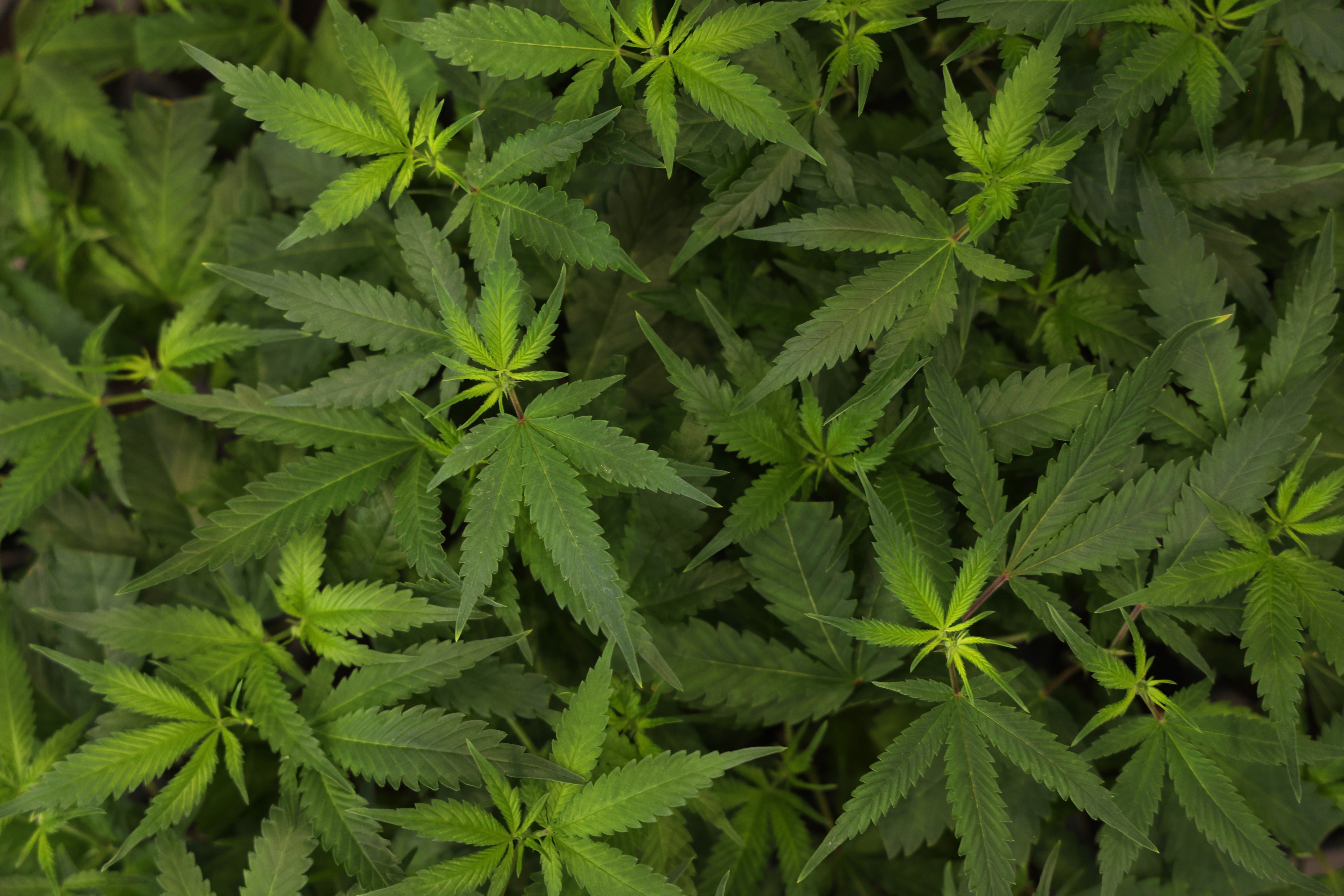
These numbers are changing how corporate leaders view the drug. Outside of safety-sensitive fields like trucking and construction, a growing number of employers now treat marijuana similarly to alcohol, focusing on whether a worker is impaired on the clock, rather than what they do in their free time.
cookie.trim() === ‘__DEBUG__=true’)) { console.log(‘Ad logs: “taboola-carousel-thumbnails”, injectedAtParagraph: 6’); }]]>
The difficulty of finding qualified workers has also led many companies to drop pre-employment screenings entirely, according to a report by the Wall Street Journal.
In a survey of nearly 1,000 employers conducted by the employment law firm Fisher Phillips, roughly half of the companies said they no longer screened job candidates for marijuana before hiring them. Among the employers who kept the testing policies in place, 44 percent said it made recruiting harder, and nearly a quarter said they were considering loosening their rules.
cookie.trim() === ‘__DEBUG__=true’)) { console.log(‘Ad logs: “mpu2”, injectedAtParagraph: 8’); }]]>
“I’ve had other employers tell me, ‘If I test for that, I’m not gonna have any applicants,’” Todd Logsdon, a partner at Fisher Phillips, said, adding that companies are becoming highly selective about which roles require screening.
Logsdon suggested that for many firms, the safest strategy may be to eliminate pre-hire testing and monitor exclusively for active workplace impairment.
cookie.trim() === ‘__DEBUG__=true’)) { console.log(‘Ad logs: “mpu3”, injectedAtParagraph: 10’); }]]>
Major corporations have already shifted away from the practice. Amazon stopped testing most job applicants for marijuana in 2021, and companies like Home Depot, AutoNation and Citigroup have largely dropped pre-hire screening for roles that do not involve public safety, according to The Wall Street Journal.
Still, companies hiring for roles involving public safety are sticking with strict drug testing and are increasingly turning to saliva tests instead of traditional urine screens. Quest Diagnostics reported that 11.1 percent of oral fluid tests came back positive for marijuana last year. In random saliva tests, the positive rate rose to 6.3 percent, a 14.5 percent increase since 2021.
Jason S. Hudson, scientific and laboratory director of workforce solutions at Quest Diagnostics, stated in the report that alternative methods like hair and oral fluid were significantly more resistant to tampering or substitution than traditional urine tests.
“This gives employers more accurate insight into safety risks,” Hudson said.
Corporate policies are further complicated by different state rules. New York, for instance, bars companies from testing most job applicants and employees for the drug altogether. According to the Marijuana Policy Project, at least two dozen states now have laws on the books to protect workers who use medical marijuana.
Federal rules could also change down the line. The acting U.S. attorney general signed an order to reclassify medical marijuana as a less dangerous drug under federal law, a shift that could eventually affect drug-testing rules for federal programs.

