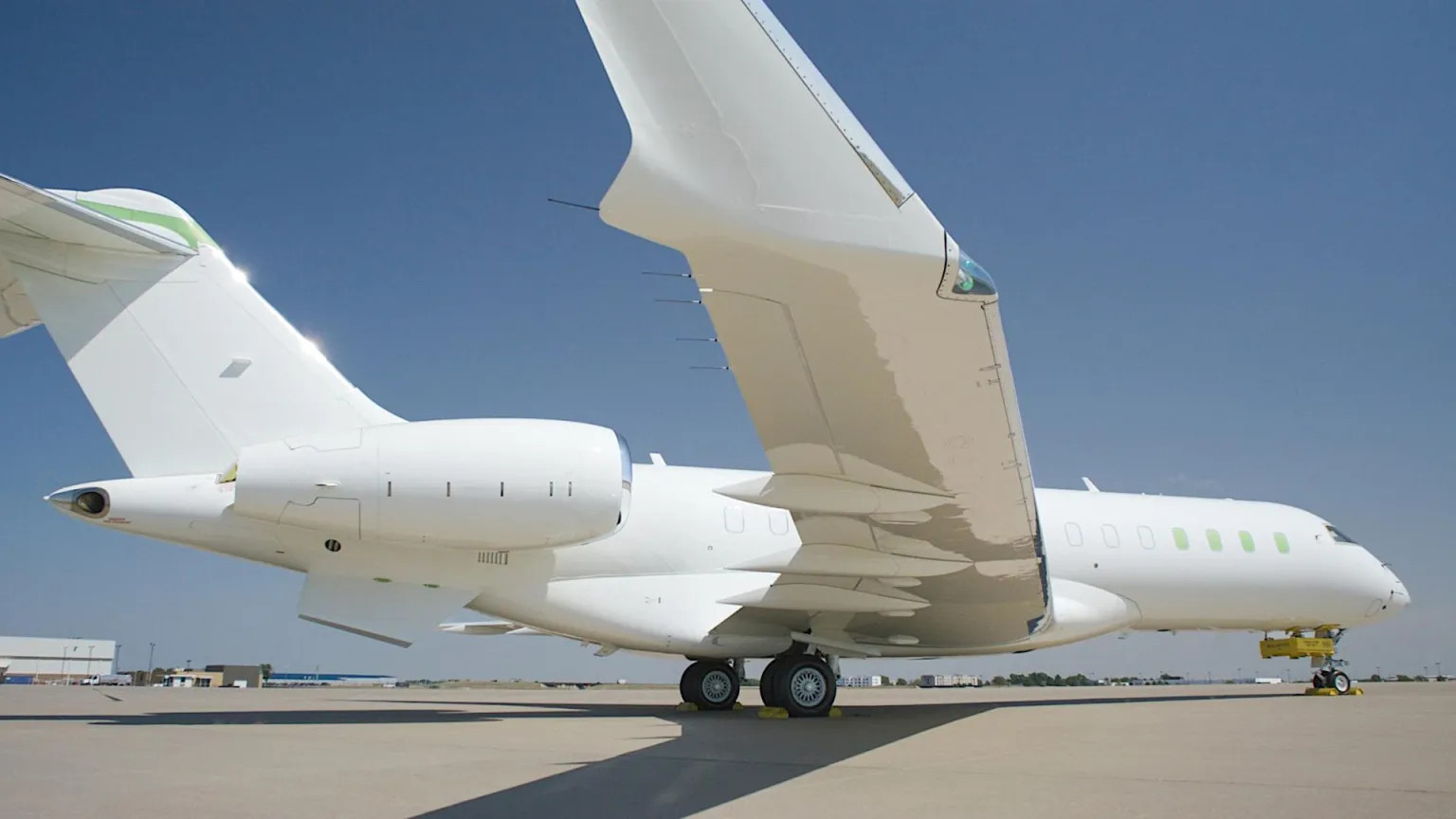
АНУ-ын арми тагнуул, ажиглалт, тандалтын (ISR) чадавхыг шинэчлэх хүрээнд ME-11B HADES тагнуулын онгоцны парк болон нисгэгчгүй системийн анхны батальоноо Техас дахь Форт Хүүд баазад байрлуулахаар шийджээ.
АНУ-ын арми энэ оны эцсээр ME-11B HADES загварын анхны туршилтын онгоцыг хүлээн авах төлөвтэй байна. Bombardier Global 6500 бизнес онгоцыг суурь болгон бүтээж буй эдгээр агаарын хөлөг нь өмнөх турбовинтот онгоцуудтай харьцуулахад илүү өндөрт, хурдан бөгөөд алсад нисэх чадвартай юм. HADES систем нь алсын зайн нисгэгчгүй онгоцнуудыг хөөргөх чадамжтай бөгөөд энэ нь дайсны агаарын довтолгооноос хамгаалах бүсэд орохгүйгээр гүн тагнуул хийх боломжийг бүрдүүлнэ.
Энэхүү шийдвэр нь Жоржиа мужийн Форт Гордон дахь 116-р Цэргийн тагнуулын бригадыг Форт Хүүд рүү шилжүүлэн нэгтгэх үйл явцын нэг хэсэг юм. Мөн Форт Стюарт дахь 224-р Цэргийн тагнуулын батальоныг нисгэгчгүй системийн батальон болгон зохион байгуулж, 2027 он гэхэд Форт Хүүд рүү шилжүүлэхээр төлөвлөжээ. Шинэ батальон нь MQ-1C Gray Eagle нисгэгчгүй онгоц болон мэдээлэл боловсруулах нэгжүүдээс бүрдэх юм.
Армийн удирдлагын зүгээс 116-р бригадыг нэг цэгт төвлөрүүлэх нь дэлхий даяарх агаарын тагнуулын ажиллагааны шуурхай байдал болон үр ашгийг нэмэгдүүлнэ гэж үзэж байна. 2028 оны санхүүгийн жил гэхэд энэхүү нэгтгэх үйл явцаар 1,200 гаруй цэргийн алба хаагчийг Форт Хүүд баазад нэмж байрлуулах юм.
Дэлгэрэнгүйг эх сурвалжаас харах
↓Эх сурвалжийг нээх ↓
The U.S. Army has announced that its future fleet of ME-11B High Accuracy Detection and Exploitation System (HADES) aircraft will be based at Fort Hood in Texas. The service says it will also establish a first-of-its-kind operational drone battalion at this base as part of a larger consolidation of aerial intelligence, surveillance, and reconnaissance (ISR) assets. This all follows the Army’s retirement of the last of its turboprop ISR planes last year.
The Army shared the ME-11B basing plans in the context of the relocation of the 116th Military Intelligence Brigade, headquartered at Fort Gordon in Georgia, to Fort Hood. That process is now underway. The most recent iteration of the 116th has been serving as the Army’s main aerial ISR formation since 2014. Over the past 12 years, the brigade has also overseen units at several other bases across the country, including ones already at Fort Hood.
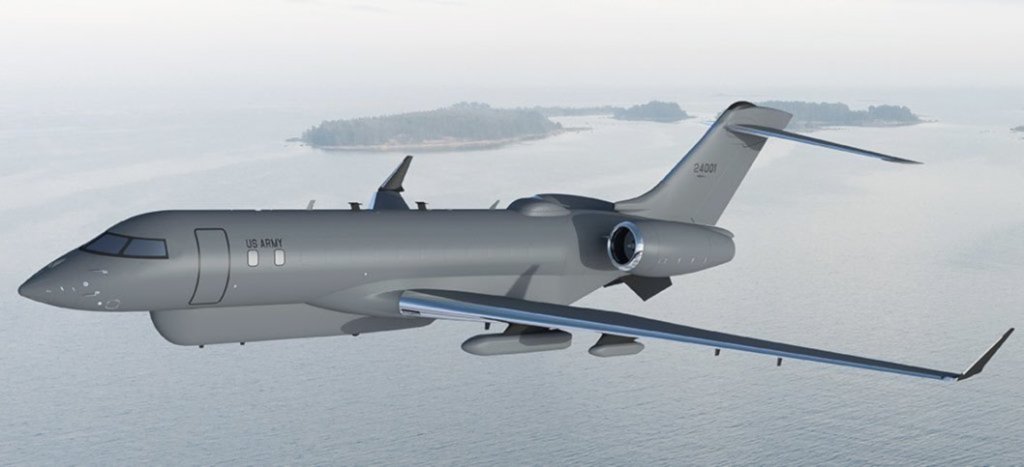
The Army is currently expecting to take delivery of the first ME-11B prototype before the end of the year. The service is also in the process of acquiring two additional prototypes. The Army plans to buy at least six production examples, but this number could grow in the future. The HADES jets are being converted from Bombardier Global 6500 business jets.
“The move, authorized on March 3, 2026, by then-Chief of Staff of the Army General Randy George, positions the brigade to lead the deployment of the Army’s High Accuracy Detection and Exploitation System (HADES) marking a pivotal step in the modernization of the nation’s global aerial intelligence, reconnaissance, and surveillance (AISR) capabilities,” according to an Army release today. “This relocation consolidates and redesigns the Army’s only fixed-wing AISR brigade to better support multi-domain and large-scale combat operations globally.”
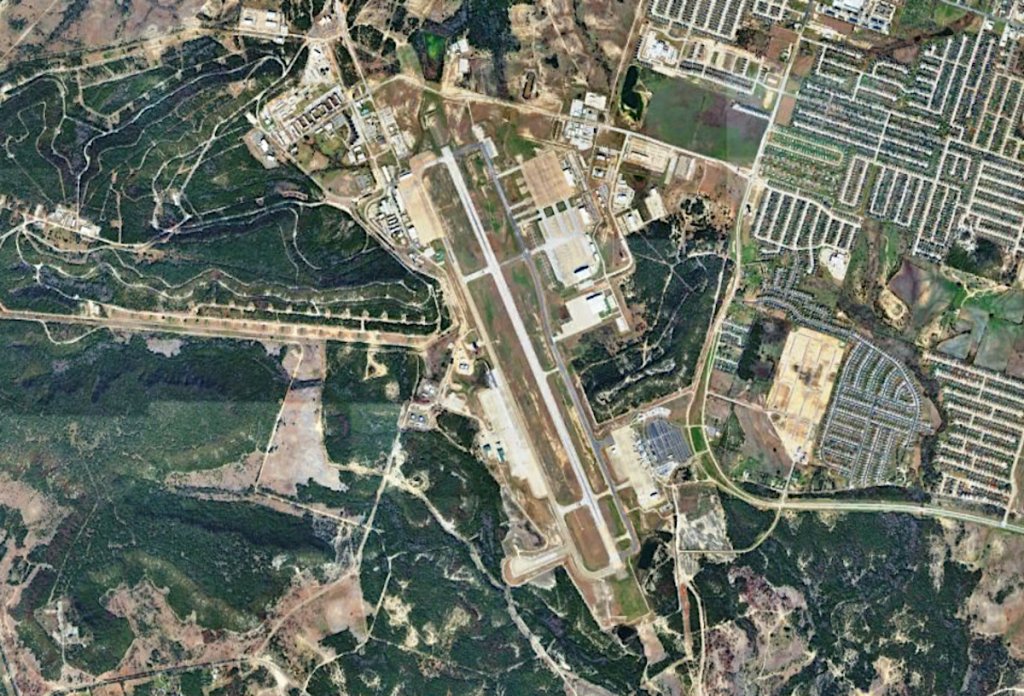
Fort Hood is one of the largest Army facilities anywhere globally. It has its own airstrip, Robert Gray Army Airfield, which is collocated with Killeen Regional Airport. Signs that the ME-11Bs would be based there had already emerged last month with a contracting notice regarding planned work on hangars at this airfield, specifically to accommodate the new jets.
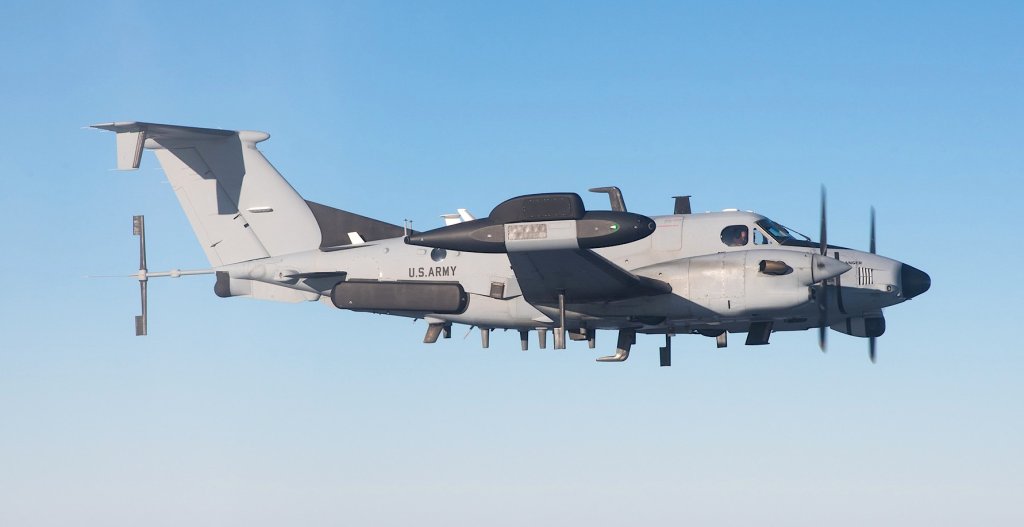
The Army sees HADES as a critical part of a broader paradigm shift in how it will provide aerial ISR support going forward. The ME-11Bs fly higher, faster, and farther, than any of the now-retired turboprop types the Army previously operated. As such, the HADES aircraft will be able to get to and from operating areas faster, and stay on station longer. Compared to their predecessors, the jets’ onboard sensors and datalinks will have better lines of sight from their perches, too. That higher operating ceiling allows the aircraft to use a slant angle to peer deeper into denied areas while still flying international airspace and further away from potential threats.
The concepts of operations for HADES, as the Army has described them publicly so far, also envision the planes launching extremely long-range drones. With ranges of around 620 miles (1,000 kilometers) or more, the idea is that the drones will dramatically extend the sensor reach of their launch platforms, and keep them further away from hostile air defenses. The service says the air-launched drone capability will offer a way to provide a penetrating intelligence-gathering capacity able to support future high-end operations without the need for a very stealthy or otherwise extremely costly platform.
“In 70 or 80 years, there would be 0.1% of the time when you wouldn’t be able to fly ISR [intelligence, surveillance, and reconnaissance missions] because you would be afraid of the threat, potentially, or the threat would be too high to fly,” Andrew Evans, Director of Strategy and Transformation with the Office of the Deputy Chief of Staff of the Army, or G-2, explained to TWZ and other outlets at the Army Aviation Association of America’s (AAAA) 2026 Warfighting Summit in April. “That means that 99.9% of the time of a life of the system, it is a useful system for deterrence, for building pattern of life, target development, and so on and so forth. So we’re building a system that can be used for 99.9% of the useful life of the system.”
“There will be nothing in the world that we can’t touch with a combined range of HADES and what we can launch off of this thing,” Evans added. “I don’t think anybody’s safe in the future from a sensing perspective.”
Evans offered additional details about plans for HADES, and hinted at additional advanced capabilities planned for the jets down the line. Each jet will have two hardpoints under each wing for external stores, which could include pods with additional sensors or other systems. You read more about all of this here.
Significant questions about the Army’s HADES plans do still exist, including when it comes to filling capacity gaps left by the retirement of dozens of turboprop ISR aircraft. As noted, the service currently plans to acquire just six production HADES jets on top of the three prototypes. This is down from the original expected fleet size, which was still just a dozen aircraft.
The Army does envision a future aerial ISR ecosystem that includes other assets, including high-altitude balloons. Those lighter-than-air platforms could take on other missions, as well, and even be able to deploy swarms of uncrewed aerial systems. The service has also been at least been experimenting withhigh-altitude, extreme-endurance drones. Space-based ISR assets are set to play an ever-more-important role across the U.S. military, too.
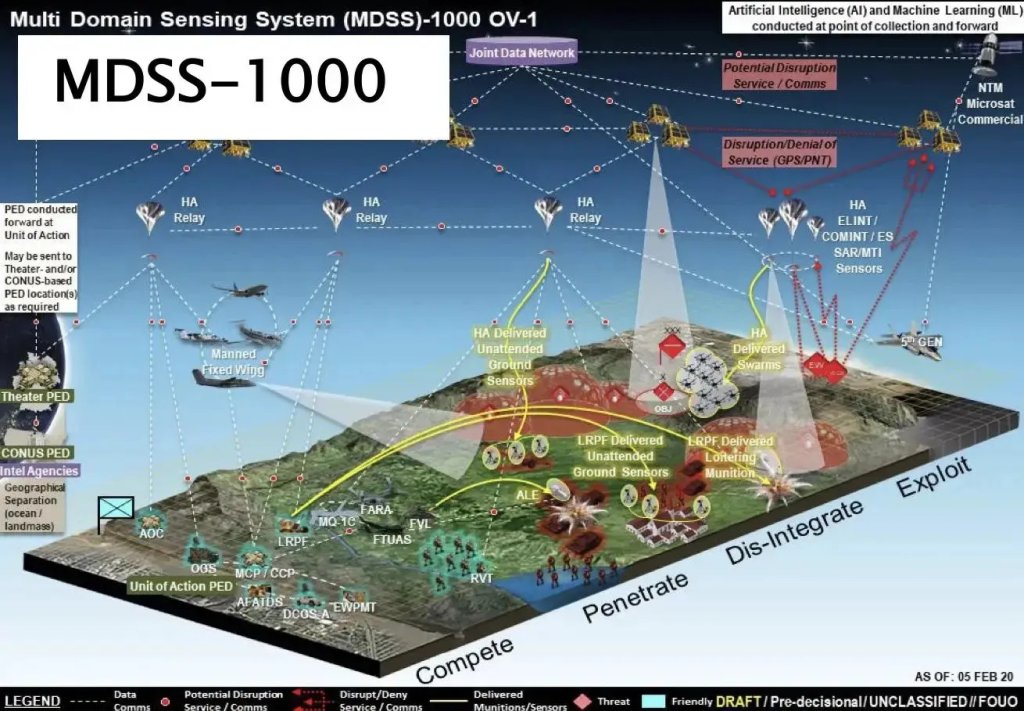
The potential for new drone developments brings us back to the Army’s additional plan to stand up what it is currently calling simply the Unmanned Aircraft System (UAS) Battalion at Fort Hood.
“The companies merging to form the UAS Battalion are currently engaged in global operations, and their consolidation will enhance the brigade’s agility, deployability, and lethality,” the Army’s release today says. “The 116th MIB (AI) remains the Army’s sole unit deploying small, tailored forward elements to launch UAS remotely operated from home station, significantly reducing sustainment and mobility costs.”
The 224th Military Intelligence Battalion, currently based at Hunter Army Airfield, which is part of Fort Stewart in Georgia, will at least form the core of the new drone formation.
“Following the divestment of its manned fleet, the 224th Military Intelligence Battalion strategically pivoted to focus entirely on unmanned aerial intelligence. This transition aligns with the U.S. Army’s new force structure, under which the 224th is designated to become thefirst unmanned aerial system battalion in the Army,” according to the unit’s official website at the time of writing. “This new chapter includes a change of station from Hunter Army Airfield, Georgia, to Fort Hood, Texas, scheduled for completion by 2027. The move will consolidate the entire 116th Military Intelligence Brigade in a single location, enhancing its operational capabilities.”
“The newly formed battalion will consist of a Headquarters and Headquarters Company, two [MQ-1C] Gray Eagle companies, and one processing, exploitation, and dissemination (PED) company,” the 224th’s official page adds. “These strategic initiatives position the 224th at the forefront of the future of Army aerial intelligence.”
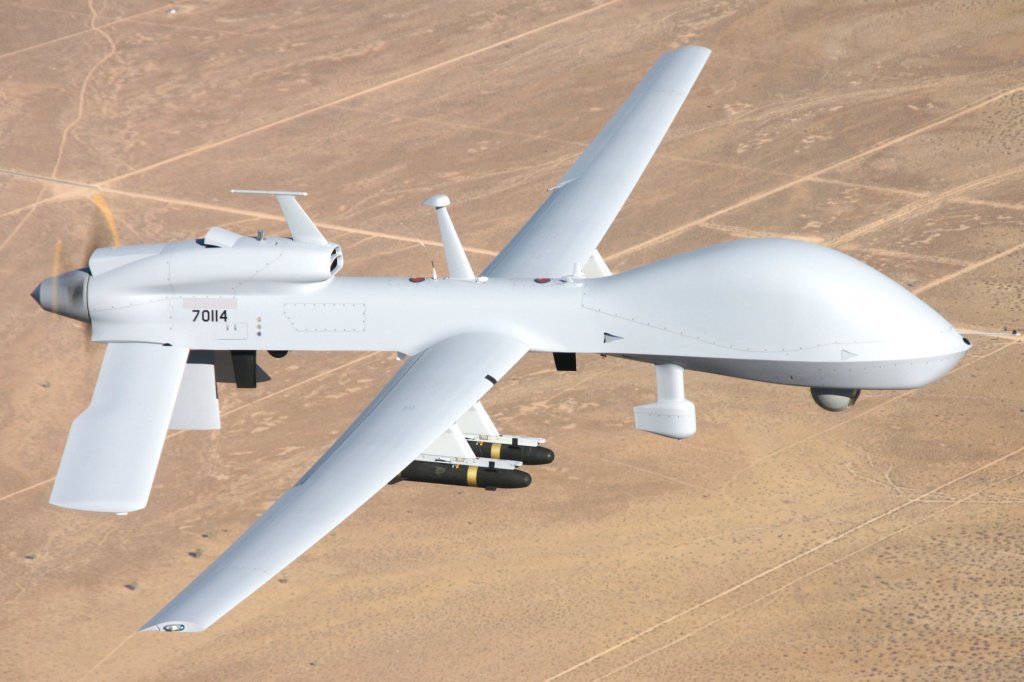
However, it is unclear from the details in the Army’s release today whether personnel or assets from other existing units might be part of the “merging” that forms the new UAS Battalion. The formation could grow further in the future. The service says the overall consolidation of the 116th Intelligence Brigade is set to bring 1,228 additional personnel to Fort Hood from Fort Gordon, Fort Stewart, and Fort Bliss (also in Texas), between now and Fiscal Year 2028.
The Army also has other MQ-1C companies assigned to combat aviation brigades at bases across the country. There are additional Gray Eagle units within the service’s elite 160th Special Operations Aviation Regiment, as well.
It should be noted here that the Army’s present leadership has been vocal in its desire to move on from the MQ-1C, a design with its roots in the Global War on Terror. The service has openly questioned the design’s survivability and general relevance in future conflicts. It has also seen pushback from Congress. Gray Eagles have been actively engaged in operations against Iran this year, as have their MQ-9 Reaper cousins.
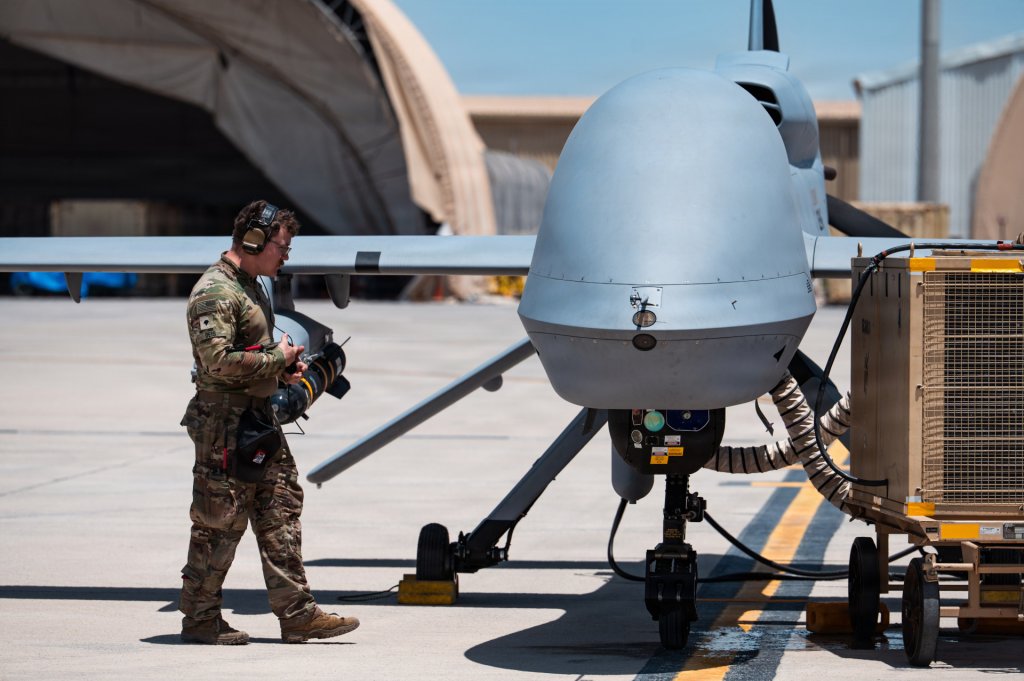
The U.S. Air Force has also previously sought to retire its MQ-9s after raising questions about their value outside of lower-intensity fights. More recently, the service has described them as star players in the conflict with Iran, despite substantial combat losses. This has all fueled a renewed debate about the Reaper’s future, as you can read more about in detail here. The Air Force has now also partnered with the Defense Innovation Unit (DIU) on a new MQ-9 replacement effort that puts major emphasis on modularity and lower costs.
The Army’s aerial ISR ecosystem is certainly in the midst of a major watershed moment, with HADES being just one part of the future equation. Fort Hood is also now set to be the focal point for those plans as they continue to evolve.
“The key to the future of Aerial ISR is the consolidation at Fort Hood of the mighty 116th!” Army Maj. Gen. Timothy Brown, head of the service’s Intelligence and Security Command (INSCOM), said in a statement per the release today.
Central to that consolidation effort, and the broader future of Army aerial ISR, will be the arrival of new HADES jets at the base in Texas.
Contact the author: joe@twz.com

