АНУ-ын ерөнхийлөгч Дональд Трамп Ормузын хоолойгоор дамжин өнгөрөх хөлөг онгоцнуудад 20 хувийн татвар ногдуулж, тус бүс нутагт тэнгисийн цэргийн бүслэлтээ сэргээх шийдвэр гаргаснаар газрын тосны үнэ дөрвөн долоо хоногийн дээд цэгтээ хүрлээ.
Ормузын хоолойд АНУ-ын тэнгисийн цэргийн бүслэлт сэргэсэнтэй холбоотойгоор газрын тосны үнэ өсөж, бүс нутгийн геополитикийн нөхцөл байдал хурцадлаа. Даваа гарагт АНУ-ын ерөнхийлөгч Дональд Трамп тус хоолойг хяналтдаа авч, дайсагнасан хүчний цэргийн чадавхыг сулруулах арга хэмжээ авч буйгаа мэдэгдэв. Энэхүү шийдвэр нь зургаадугаар сарын 17-нд байгуулсан харилцан ойлголцлын санамж бичгийн дараах тогтвортой байдлыг алдагдуулж байна.
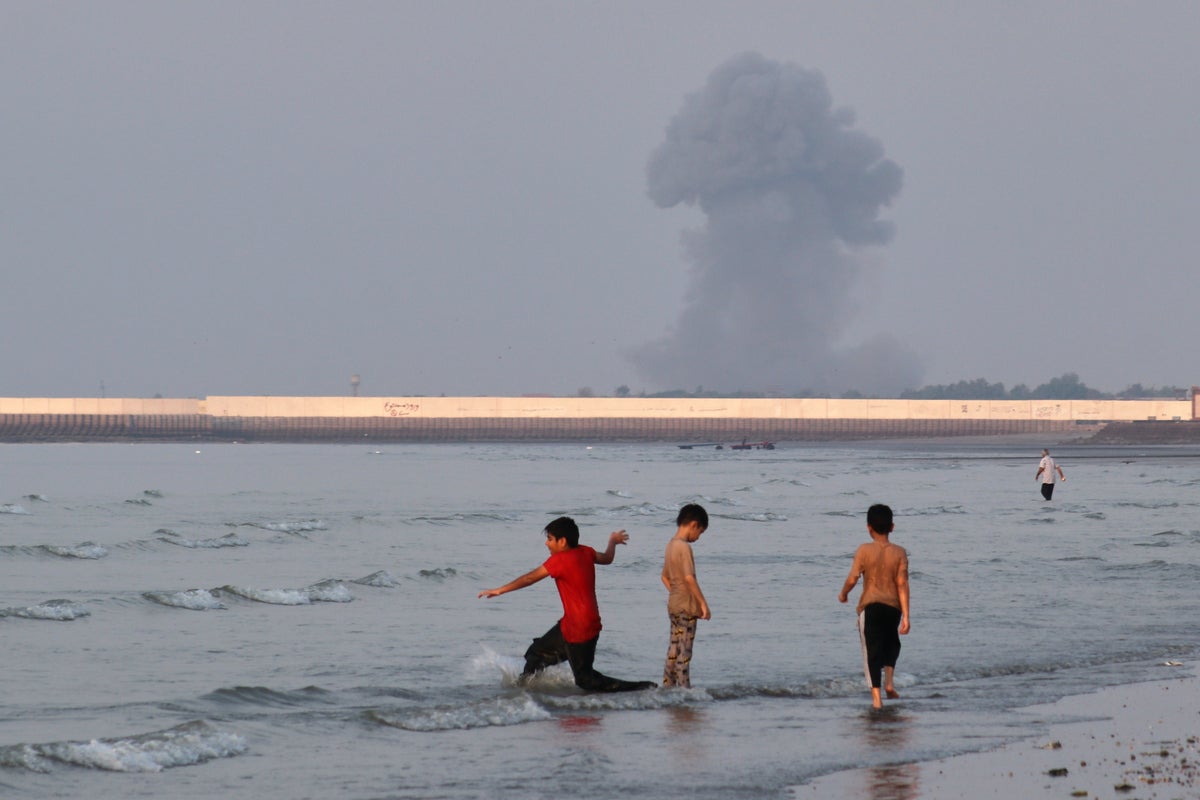
Бүс нутгийн мөргөлдөөн хурцдаж, Арабын Нэгдсэн Эмират Улсын хоёр газрын тос тээвэрлэгч онгоц Ираны далавчит пуужингийн цохилтод өртсөний улмаас нэг хүн амиа алдаж, найман хүн шархаджээ. Үүний хариуд АНУ-ын Төв командлал Ираны цэргийн объектуудад гурав дахь шөнө дараалан агаарын цохилт өгч буйгаа баталсан байна. Ираны YJC мэдээллийн агентлагийн мэдээлснээр Бандар Аббас боомт болон Киш арал дээр хэд хэдэн дэлбэрэлт болжээ.
Citi банкны шинжээчид АНУ-ын энэхүү алхам нь цэргийн мөргөлдөөнийг улам даамжруулж, газрын тосны үнийн тогтворгүй байдлыг бий болгох эрсдэлтэй гэж үзэж байна. Иран улс АНУ-ын завсрын сонгууль хүртэл хэлэлцээрийг цуцалж болзошгүй байгаа нь эрчим хүчний зах зээлд сөрөг нөлөө үзүүлж, хөрөнгийн биржүүд дээр хувьцааны ханш унахад хүргэв. АНУ-ын цэргийн хүчин худалдааны хөлөг онгоцнуудын аюулгүй байдлыг хангах нэрийн дор ажиллагаагаа үргэлжлүүлнэ гэдгээ мэдэгдээд байна.
Дэлгэрэнгүйг эх сурвалжаас харах
↓Эх сурвалжийг нээх ↓
<![CDATA[{"className":"sc-1ge0fwe-0","newsletterData":{"pianoFieldName":"receiveClimate","regTitle":"Independent Climate","subscriptionGroup":"climate","subscriptionGroupId":"5a7ac7c1-5f39-48c0-8ee8-0b8e43b9e451","type":"climate_change","pathPrefix":"/climate-change","associatedAuthors":["Stuti Mishra"],"title":"Sign up to the Independent Climate email for the latest advice on saving the planet","mobileTitle":"Get our free Climate email","imageSrc":"https://static.independent.co.uk/static-assets/images/newsletters/climate1_1.png","description":"Sign up for news and advice on saving the planet","label":"I would like to receive morning headlines Monday – Friday plus breaking news alerts by email“,”newsletterKey”:”receiveClimateNewsletter”,”regSourceSection”:”Business”,”regSourceNewsletter”:”NSC”},”isClimate”:true}]]>
Oil prices climbed to their highest level in four weeks on Tuesday after the United States reinstated a naval blockade on Iran and announced plans to charge ships a 20 per cent toll on all cargo transiting the Strait of Hormuz.
Brent crude futures rose 2.1 per cent to $85.11 a barrel in early Tuesday trading, while West Texas Intermediate, the US crude benchmark, gained 2.3 per cent to $79.91 a barrel, extending gains after Brent surged 9.6 per cent in the previous session – its biggest single-day rise since May 2020.
Prices have now climbed to their highest levels since the US and Iran signed a memorandum of understanding on 17 June aimed at ending the conflict.
cookie.trim() === ‘__DEBUG__=true’)) { console.log(‘Ad logs: “mpu1”, injectedAtParagraph: 3’); }]]>
US president Donald Trump announced on Monday that Washington was reimposing a blockade on Iranian shipping in the strait and would levy fees on all vessels transiting the waterway.
“We’re hitting them very hard. And it’ll continue, and we’ll see what happens,” he told reporters in the Oval Office.
“We’re knocking out all of their offensive capability and we’re controlling the straits. We’re putting the blockade back.”
In a post on Truth Social, he described the United States as the “guardian” of the vital oil transit route, and US Central Command said the blockade would take effect at 4pm ET on Tuesday.
cookie.trim() === ‘__DEBUG__=true’)) { console.log(‘Ad logs: “taboola-carousel-thumbnails”, injectedAtParagraph: 7’); }]]>
The move marks a significant shift from longstanding US policy supporting unrestricted navigation through the Strait of Hormuz, through which roughly a fifth of global oil supplies passed before the conflict began in February.
cookie.trim() === ‘__DEBUG__=true’)) { console.log(‘Ad logs: “mpu2”, injectedAtParagraph: 8’); }]]>
Shipping traffic had begun to recover following the June interim agreement but has now slumped again.
The renewed confrontation has sharply escalated tensions across the Gulf. Two UAE oil tankers were struck by Iranian cruise missiles while sailing through the southern lane of the strait in Omani territorial waters, the United Arab Emirates ministry of defence said, killing one Indian crew member and injuring eight others.
cookie.trim() === ‘__DEBUG__=true’)) { console.log(‘Ad logs: “mpu3”, injectedAtParagraph: 10’); }]]>
Iran also launched attacks targeting Bahrain, while US Central Command confirmed American forces had begun a third consecutive night of strikes against Iranian military targets.
“These strikes will continue imposing a heavy cost on Iranian forces and degrade their ability to attack innocent civilians and commercial shipping in the Strait of Hormuz,” the US military said.
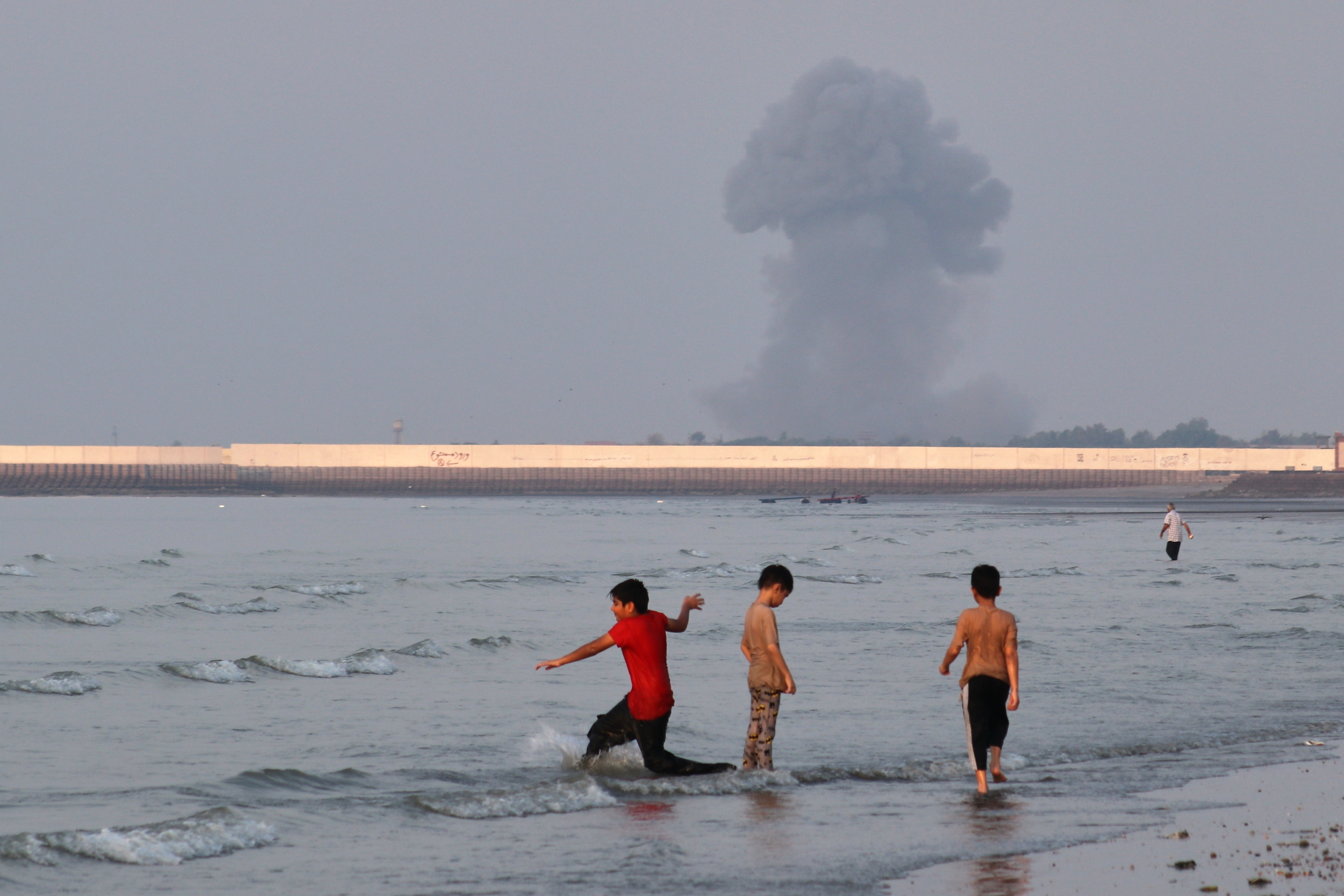
Seven explosions were reported in the port city of Bandar Abbas and two more on Kish Island, according to Iran’s semi-official YJC news agency.
Citi warned that Mr Trump’s shipping fee proposal materially raised the risk of further military escalation.
“The possibility that the Iranian regime walks away from the MoU until after the mid-term US elections has also risen, a scenario which would most likely see higher for longer oil prices,” the bank wrote in a report published early Tuesday.
Although prices remain well below the wartime peak of nearly $120 a barrel, analysts warned that continued military escalation could trigger further volatility.
The uncertainty also weighed on Wall Street, where the S&P 500 fell 0.7 per cent on Monday, the Dow Jones Industrial Average slipped 0.4 per cent and the Nasdaq composite dropped 1.4 per cent as investors reacted to rising geopolitical risks and higher energy costs.

