ChatGPT нь 2026 оны Хөлбөмбөгийн дэлхийн аварга шалгаруулах тэмцээний үр дүнг урьдчилан таамаглах мэдээллийг Kalshi платформоос шууд харуулах шинэ функцийг нэвтрүүлэв.
OpenAI нь хэрэглэгчдэд цаг үеийн мэдээллийг хүргэх зорилгоор таамаглалын зах зээлийн Kalshi компанитай хамтран ажиллаж эхэлжээ. Тус компани ChatGPT-ийн хайлтын хэсэгт 2026 оны Хөлбөмбөгийн дэлхийн аварга шалгаруулах тэмцээнтэй холбоотой таамаглалын мэдээллийг “Source: Kalshi” гэсэн тэмдэглэгээтэйгээр харуулах юм. OpenAI-ийн зүгээс уг мэдээллийг зөвхөн мэдээллийн зорилгоор ашиглах бөгөөд ChatGPT дотор бооцоо тавих боломжгүй гэдгийг тодотгов.
Хоёр компанийн хооронд хийгдсэн уг хэлэлцээрийн талаар олон нийтэд албан ёсоор зарлаагүй бөгөөд OpenAI үүнийг төлбөртэй сурталчилгаа гэж үзэхгүй байгаа аж. Хэдийгээр OpenAI мэдээллийг зөвхөн лавлагаа зориулалттай гэж тайлбарлаж байгаа ч Kalshi-ийн өгөгдөл нь үндсэндээ бооцооны зах зээлийн чиг хандлагыг илэрхийлдэг юм. Kalshi нь өнгөрсөн хугацаанд CNN болон CNBC зэрэг томоохон хэвлэл мэдээллийн байгууллагуудтай ч мөн хамтын ажиллагааны гэрээ байгуулжээ.
Таамаглалын зах зээлийн нэр хүнд өсөхийн хэрээр хэрэглэгчдийн сонирхол нэмэгдэж байгаа ч санхүүгийн эрсдэл өндөр байна. Тухайлбал, Polymarket платформын судалгаагаар 2022 оноос хойш нийт хэрэглэгчдийн 70 орчим хувь нь алдагдалтай ажиллаж, хожлын дийлэнх хувийг хамгийн идэвхтэй цөөн хэдэн хэрэглэгч хүртсэн болохыг тогтоожээ. OpenAI болон Kalshi компаниуд энэхүү хамтын ажиллагааны талаарх дэлгэрэнгүй мэдээлэл өгөх хүсэлтэд хариу өгөөгүй байна.
Дэлгэрэнгүйг эх сурвалжаас харах
Эх сурвалжийг нээх ↓
Online search has become a nightmare, littered with AI-generated misinformation, spammy sites that brute-force their way to the top of results, and tons of sponsored results. It’s been enough to lead people to start using ChatGPT as their de facto search engine, which can only mean one thing: time to enshittify that, too (you know, more than it already is). According to the New York Times, OpenAI struck a deal with prediction market Kalshi to show the current odds for World Cup games right in ChatGPT’s responses.
The agreement between Kalshi and OpenAI has not been announced publicly, the Times notes. Results that include Kalshi data note the source, but offer no disclosure if the data is part of a paid advertisement or sponsorship. According to OpenAI’s own documentation about advertisements in ChatGPT: “Ads can appear below the end of a response. Ads are clearly labeled as sponsored and visually separated from ChatGPT’s response.” So presumably, whatever the arrangement between the companies, OpenAI is not considering it to be Kalshi simply paying for placement.
On a help page specific to ChatGPT Search, the company offered a slight bit of additional clarity: “For queries related to the 2026 World Cup, ChatGPT may show predictive information sourced from Kalshi to provide timely context about upcoming matches. If and when this information appears, it will always be clearly labeled with ‘Source: Kalshi.’”
OpenAI claims the data is for “informational purposes only,” and notes that “You cannot place bets through ChatGPT,” per the company’s usage policies.
That’s a handy bit of distance that the company places between itself and Kalshi, but it’s worth noting that there is little informational purpose for Kalshi data other than betting. It is a reflection of what people are betting their money on and is meant to be used by other people to bet their own money. It may provide a snapshot of public and “expert” or insider sentiment, but even that is in what is effectively a gambling context.
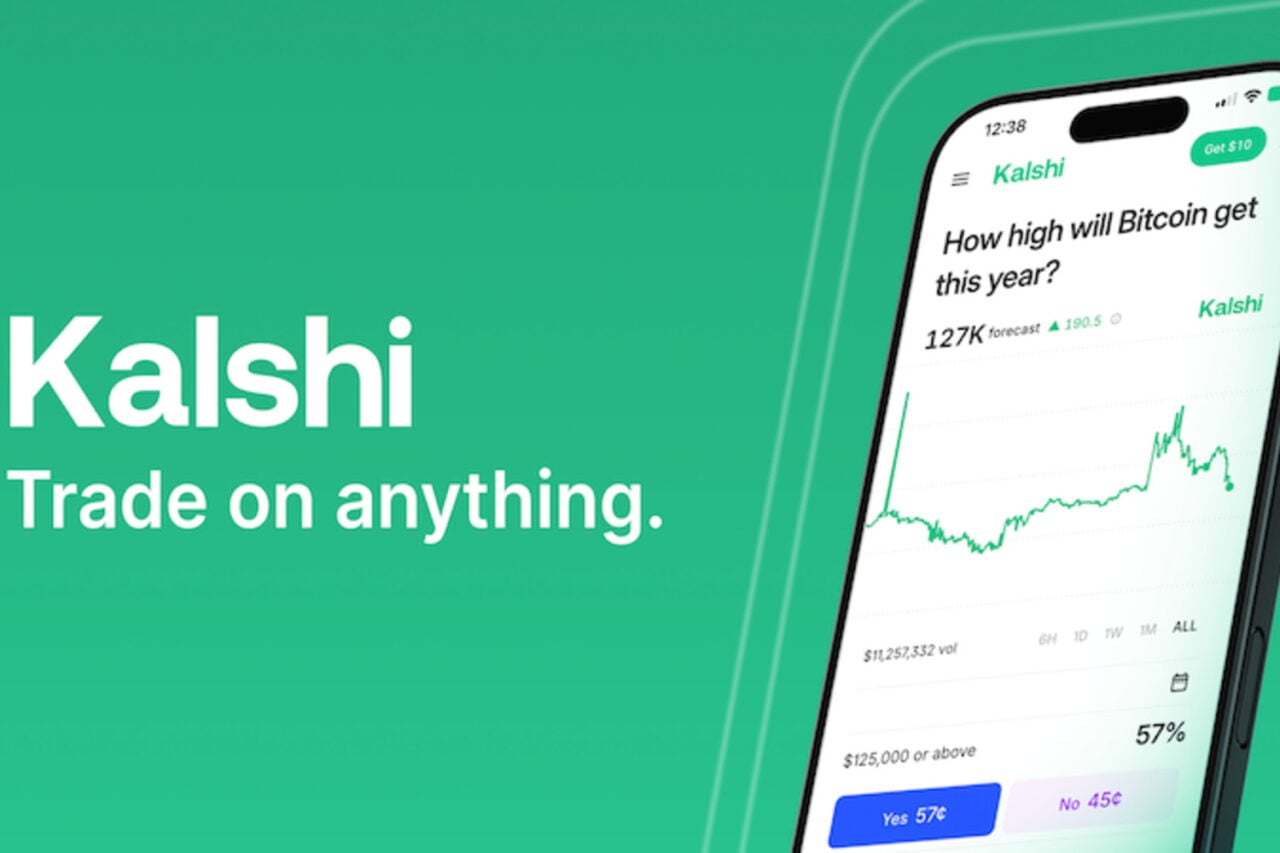
Whatever OpenAI and Kalshi would like to call their arrangement, it’s another in a line of deals that Kalshi has entered into in recent months to make sure their data is everywhere. Late last year, the company that says it wants to “trade on anything” entered into deals to provide market information to CNN and CNBC, which have since integrated that information into their platforms.
Given the widespread normalization of prediction markets, it’s no wonder more people are jumping in all the time. And look, you’re welcome to do whatever you want with your money, just know that the odds are not in your favor. A recent study that analyzed bettors on Kalshi competitor Polymarket found that since 2022, about 70% of accounts have a net loss across their activity, and 77% of all winnings have been funneled to the top 1% of users on the platform.
Gizmodo reached out to both OpenAI and Kalshi for additional information about the apparent partnership, but did not receive a response at the time of publication.

