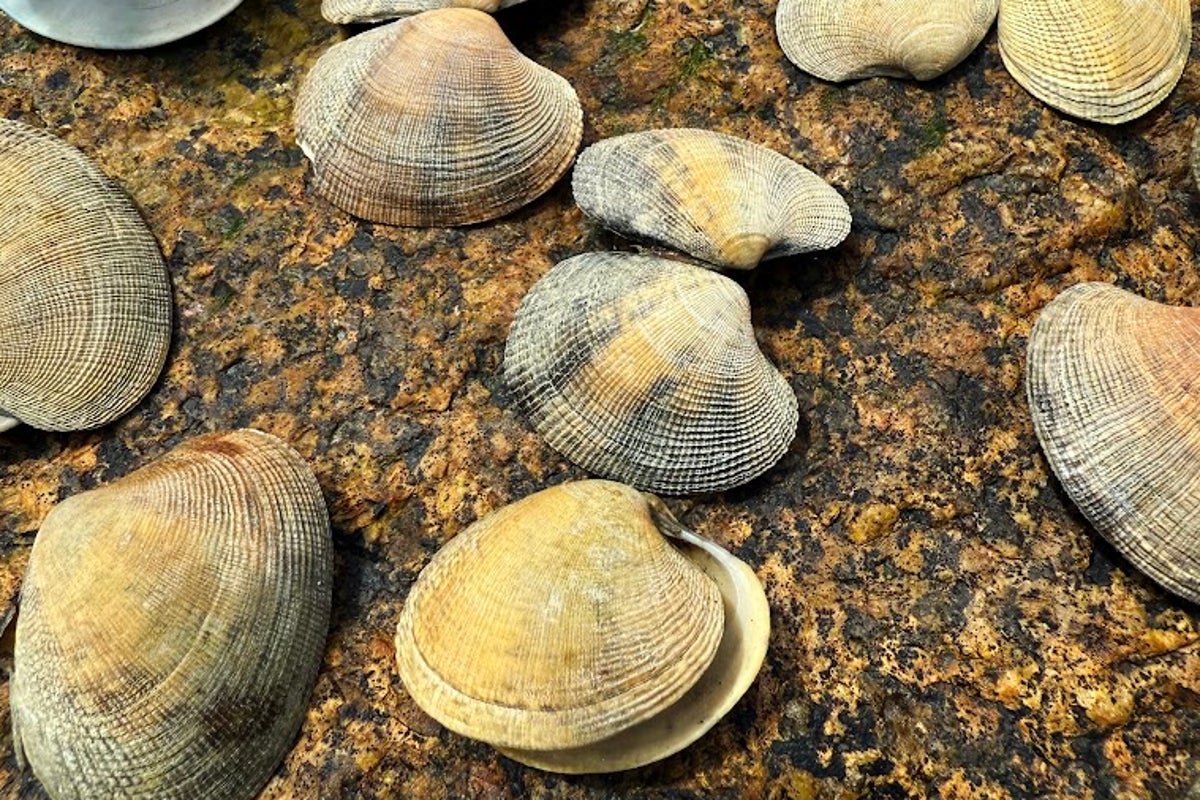
АНУ-ын хойд хэсгийн эрэг орчмоос анх удаа Манила хясаа олдсон нь экологийн хувьд анхаарал татаж байна.
Массачусетсийн их сургуулийн судлаачид АНУ-ын баруун хойд Атлантын далайн эрэг дагуу Манила хясааны /Ruditapes philippinarum/ нөхөн үржихүйн анхны колони илэрснийг баталжээ. Энэхүү төрөл зүйл нь ОХУ, Япон, БНХАУ-ын эрэг орчмоос гаралтай бөгөөд дэлхийн бусад бүс нутагт санамсаргүй болон санаатайгаар тархсан байдаг.
Судалгааны баг орон нутгийн загасчдаас ирсэн мэдээллийн дагуу 2023-2025 оны хооронд Кейп-Код, Бостоны боомт, Салем сав газар зэрэг бүс нутагт ажиглалт хийжээ. “Biological Invasions” сэтгүүлд нийтлэгдсэн тайланд дурдсанаар, тус хясаа нь дэлхий даяар 7 тэрбум ам.долларын зах зээл бүхий эрэлт ихтэй бүтээгдэхүүн боловч экологийн хувьд түрэмгийлэгч төрөлд тооцогддог байна.
Эрдэмтэд шинээр илэрсэн энэхүү төрөл зүйл нутгийн уугуул хясаануудын амьдрах орчныг булаацалдах, тэдэнтэй эрлийзжих эсвэл орон нутгийн махчин амьтдын хүнсний эх үүсвэр болж экосистемд хэрхэн нөлөөлөхийг цаашид судалж байна. Судлаачид уг хясааны тархалтыг анхааралтай ажиглаж, АНУ-ын Атлантын далайн эрэгт үзүүлэх нөлөөллийг тодорхойлохоор ажиллаж байна.
Дэлгэрэнгүйг эх сурвалжаас харах
↓Эх сурвалжийг нээх ↓
<![CDATA[{"className":"sc-1ge0fwe-0","newsletterData":{"pianoFieldName":"receiveEveningHeadlinesUSNews","regTitle":"Evening Headlines","subscriptionGroup":"us_evening_headlines","subscriptionGroupId":"4326e634-422a-4447-8e1e-604a937cd3b5","type":"daily_news","pathPrefix":["/us","/news/world/americas","/news/world/americas/crime"],"title":"The latest headlines from our reporters across the US sent straight to your inbox each weekday","mobileTitle":"Your briefing on the latest headlines from across the US","imageSrc":"https://static.independent.co.uk/static-assets/images/newsletters/usEveningHeadlines1_1.png","label":"I would like to receive morning headlines Monday – Friday plus breaking news alerts by email“,”newsletterKey”:”receiveEveningHeadlines”,”regSourceSection”:”Americas”,”regSourceNewsletter”:”NSC”},”isClimate”:false}]]>
Manila clams, an invasive species prized as a culinary delicacy across the world, have been found along the northwest Atlantic coastline of the U.S. for the first time, according to scientists.
“Given that Manila clams are everywhere else in the northern hemisphere, it was only a matter of time before they showed up here, and we’ve been keeping an eye out for them,” University of Massachusetts researcher Aly Putnam, who helped discover the new U.S. population, told MassLive.
The investigation began when scientists got a series of tips that the clams might be in the area from a researcher and local fishermen who reported seeing “weird clams” that might the invasive species.
cookie.trim() === ‘__DEBUG__=true’)) { console.log(‘Ad logs: “mpu1”, injectedAtParagraph: 3’); }]]>
James T. Carlton, emeritus professor of marine sciences at Williams College, then urged researchers to seek out living specimens, in case unusual clam shells were the remains of someone’s dinner or fishing bait, rather than a genuine arrival of an invasive species.
“Find me living clams,” he recalled telling the group, in an interview with the UMass website.
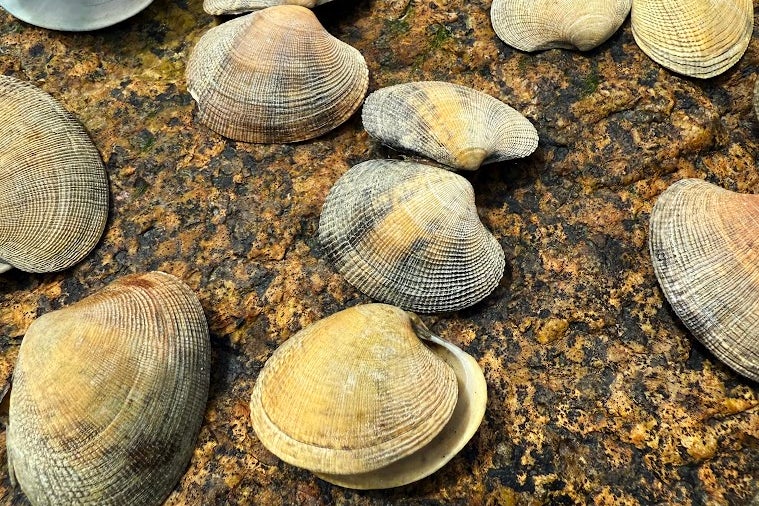
Putnam, along with researchers from MIT Sea Grant and the Center for Coastal Studies, and citizen naturalists, eventually observed the clams in Cape Cod and Boston Harbor between 2023 and 2025, in populations reaching as far north as Salem Sound, according to their research, published earlier this month in the journal Biological Invasions.
The clams (full name: Ruditapes philippinarum) are native to coastal regions in Russia, Japan and China, and have since spread worldwide thanks to a combination of accidents and intentional introductions to new habitats.
cookie.trim() === ‘__DEBUG__=true’)) { console.log(‘Ad logs: “taboola-carousel-thumbnails”, injectedAtParagraph: 6’); }]]>
Many cultures prize the “delicious” Manila clam, driving demand that anchors a $7 billion-per-year industry around the species, according to UMass.
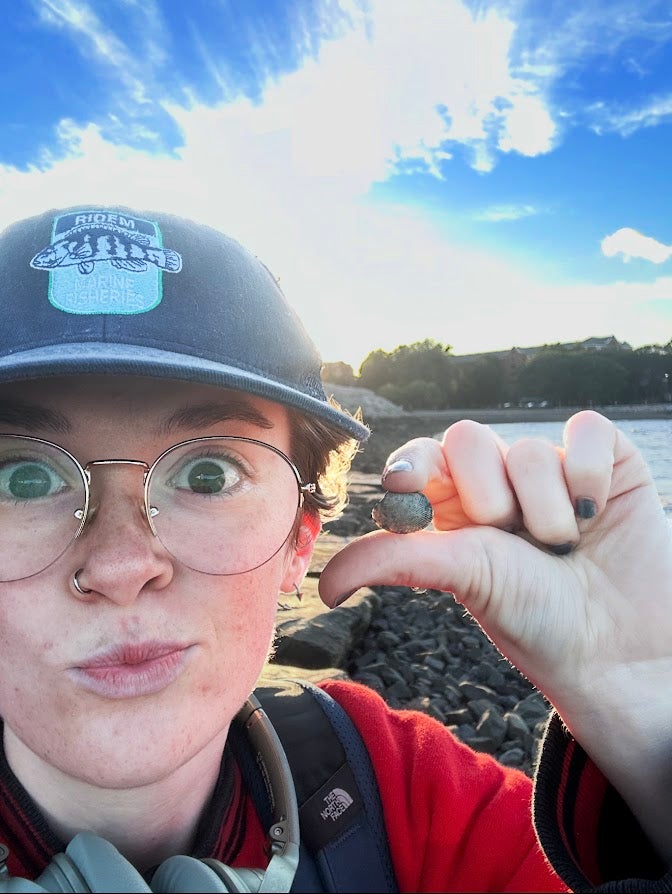
Further study is needed to understand how the arrival of the clam will impact the local ecosystem, scientists say.
cookie.trim() === ‘__DEBUG__=true’)) { console.log(‘Ad logs: “mpu2”, injectedAtParagraph: 8’); }]]>
The new species could outcompete native shellfish, hybridize with similar species or potentially relieve pressure on native species by providing an alternative food source for local predators.
The researchers plan to continue tracking the spread of the Manila clams now that they have reached Atlantic shores in the region.

