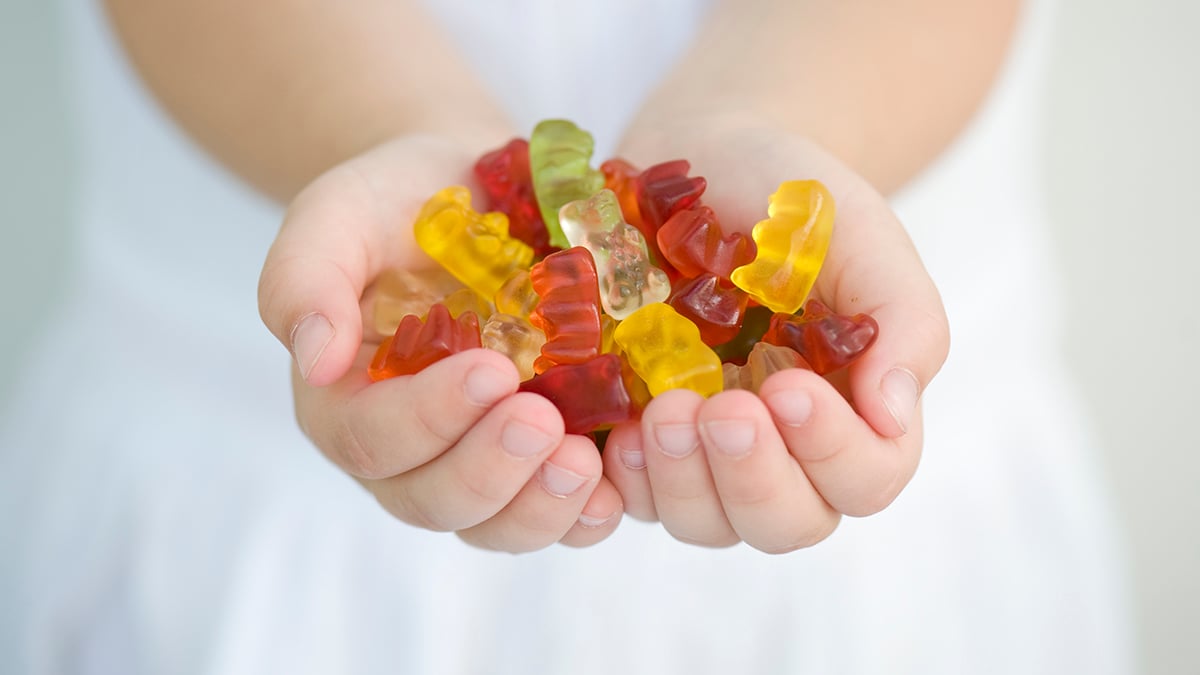
Японы судлаачдын хийсэн шинэ туршилтаар ашигтай бактери агуулсан чихэр нь буйлны үрэвсэл болон цусжилтыг бууруулахад эерэг нөлөө үзүүлж болохыг тогтоожээ.
Institute of Science Tokyo-ийн судлаачид буйлны үрэвсэлтэй 116 оролцогчийг хамруулан зургаан долоо хоногийн турш судалгаа явуулжээ. Оролцогчдын нэг хэсэгт бактериар баяжуулсан чихэр, нөгөө хэсэгт нь плацебо буюу идэвхгүй бодис бүхий чихэр өгч харьцуулсан байна. Судалгааны явцад оролцогчдод шүдээ угаах талаар тусгай зааварчилгаа өгөөгүй бөгөөд зөвхөн чихрийн нөлөөг ажиглажээ.
Судалгаагаар Lactiplantibacillus pentosus хэмээх халааж идэвхгүйжүүлсэн бактери буюу “постбиотик” агуулсан чихэр хэрэглэсэн хүмүүсийн буйлны цусжилт мэдэгдэхүйц буурсан байна. Судлаач Таканори Иватагийн тайлбарласнаар, чихэр зажлах нь шүлсний ялгаралтыг нэмэгдүүлж, амны хөндийн эдэд ашигтай бактерийн нөлөөг уртасгадаг аж. Энэ нь амны хөндийн бактерийн тэнцвэртэй байдлыг хадгалах, үрэвслийг намдаах замаар буйлны эрүүл мэндийг дэмжих боломжтойг харуулж байна.
Гэсэн хэдий ч судлаачид энэхүү үр дүн нь харьцангуй даруухан үзүүлэлт болохыг тэмдэглэжээ. Цаашид эдгээр бактерийн нөлөөлөх үндсэн механизм болон урт хугацааны үр нөлөөг нарийвчлан судлах шаардлагатай байна. Уг бүтээл нь 2050 он гэхэд буйлны хүнд хэлбэрийн өвчлөлд өртөх эрсдэлтэй 1.5 тэрбум хүнд туслах нэмэлт арга хэрэгсэл болж магадгүй юм.
Судалгааны үр дүнг The Journal of Periodontology сэтгүүлд нийтэлжээ.
Дэлгэрэнгүйг эх сурвалжаас харах
↓Эх сурвалжийг нээх ↓
There’s a heap of compelling evidence that keeping your pearly whites squeaky clean benefits the rest of your body, as well as your mouth.
But sweet, sugary gummies are probably not what comes to mind if you’re thinking about ways to better your oral health; quite the opposite, in fact.
However, a new formulation loaded with bacteria has just been tested in a Japanese study and might offer an innovative way to maintain good gum health.
Researchers led by a team from the Institute of Science Tokyo in Japan wanted to see if there was a way to ward off damaging gum disease (or periodontitis) beyond the basics of daily brushing and flossing.
They discovered that snacking on gummy chews loaded with beneficial bacteria could reduce gum bleeding and improve health markers in people with mild gingivitis (where the gums bleed and swell, often leading to periodontitis).
The findings are reported in The Journal of Periodontology and are based on results from 116 participants over six weeks – roughly half of whom ate bacteria-boosted gummies twice daily, while the other half unknowingly ate placebos.
“By evaluating the gummies under normal daily living conditions, we were able to better understand their practical potential for supporting gum health,” says periodontologist Takanori Iwata, from the Institute of Science Tokyo.
Over time, it’s become increasingly apparent that conditions like gum disease can be brought on and exacerbated by a bad mix of microbes in the mouth.
There have been several studies looking at how flooding the mouth with beneficial bacteria – that boost the immune system and crowd out the bad bacteria – might help improve oral health, but there’s still a lack of consensus over the best approach.
“Rather than solely focusing on bacterial eradication, management efforts of periodontal disease have shifted toward restoring and maintaining a symbiotic microbiota, known as eubiosis,” write the researchers in their published paper.
In this study, rather than using live bacteria (probiotics), the researchers opted for dead bacteria (postbiotics), specifically the Lactiplantibacillus pentosus species.
The thinking is that “postbiotic” bacteria are more stable and therefore successfully packaged into treats than live ones, and live or not, the presence of the bacteria may change the mouth ecosystem or have anti-inflammatory effects.
Eating gummies is also quick and easy, so participants were likely to stick to their assigned treatment.
The bacteria-loaded gummies (and the placebo gummies, to a lesser but non-significant degree) effectively reduced Bleeding On Probing (BOP) – a standard measure of inflamed gums, given as a percentage area of the mouth showing signs of bleeding.
“Delivering treatment in a gummy formulation offers practical advantages: chewing increases salivary flow and prolongs the contact of the active agents with oral tissues, which may partially explain the mild reduction in BOP in both groups,” write the researchers.
“Notably, these outcomes were achieved in the absence of oral hygiene instructions, supporting the external validity of the intervention.”
That’s one of the key strengths of the study: The participants weren’t given any instructions about regular tooth brushing. It seems that the gummy treatment works in the real world, where we might not remember to look after our teeth every day.

There are some caveats to bear in mind too. The difference between the bacteria gummy group and the placebo group in terms of bleeding reduction wasn’t huge: BOP in the real gummy group dropped from 17.6 to 12.3 percent on average during the study, compared with 18.9 to 16.6 percent among the placebo participants.
Overall, its a win for postbiotics, even if it’s a modest win. These bacteria, inactivated by heat, are easier to manufacture and store – and can still have benefits for oral hygiene even in their postbiotic state, according to this research.
Next, the team wants to investigate how the bacteria actually reduce bleeding at a fundamental level, and how these gummies might work over a longer period.
With up to 1.5 billion people thought to be at risk of severe gum disease by 2050, a simple healthy snack could make a significant difference.
Related: Painless Swab Detects Oral Cancers in an Hour, With Over 95% Accuracy
“Our findings suggest that postbiotic-based approaches can be adopted to support the management of gingival inflammation in individuals at an increased risk of periodontal disease, offering an additional management option,” the researchers conclude.
The study has been published in The Journal of Periodontology.
This article was fact-checked by Rachel Garner and edited by Clare Watson. While we pride ourselves on our process, we are only human. If you spot a mistake, please let us know.

