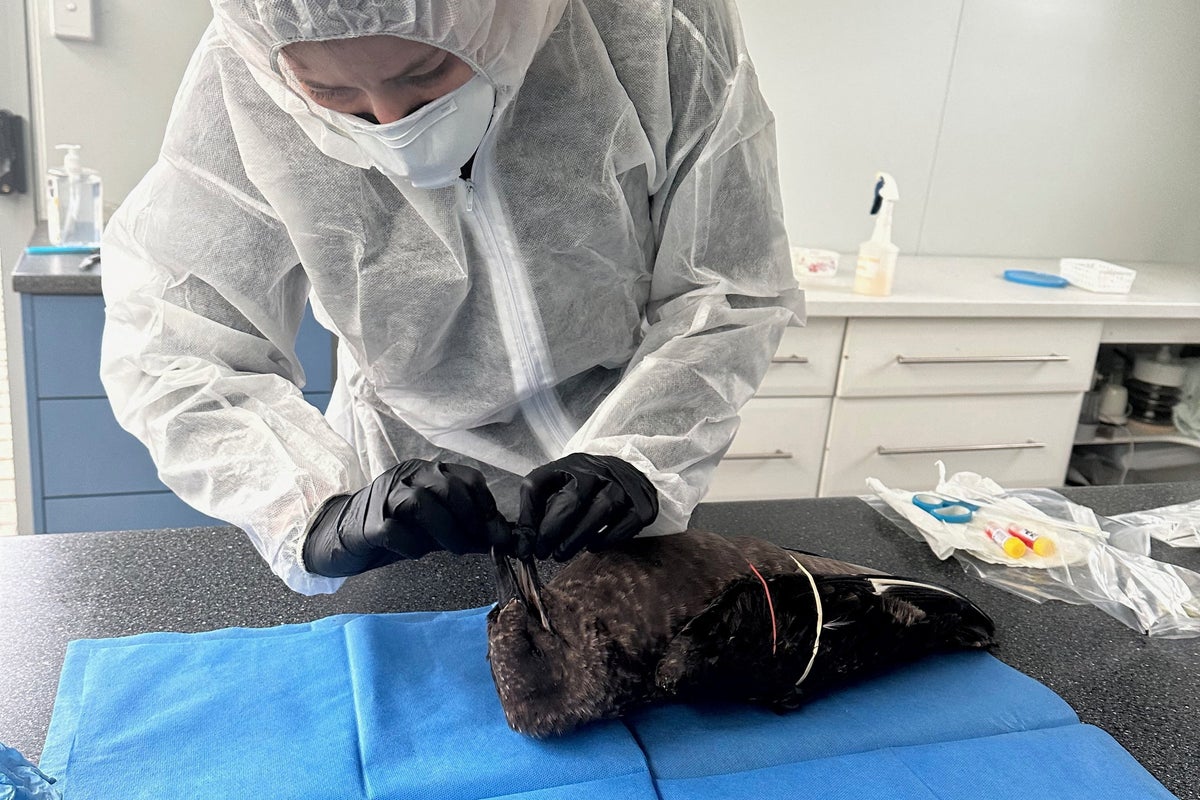
Шинэ Зеландын нийслэлийн ойролцоох эргээс халдвартай далайн шувуу олдсоноор тус улсад шувууны ханиадны аюул нүүрлээд байна.
Шинэ Зеландын Биоаюулгүй байдлын сайд Эндрю Хоггардын мэдээлснээр, Веллингтон хотын ойролцоох эргээс олдсон бор өнгөтэй “skua” шувуунаас H5N1 вирусийн халдвар илэрчээ. Энэ нь тус улсад бүртгэгдсэн анхны тохиолдол бөгөөд хөрш Австрали улсад өнгөрсөн сард уг вирус илэрсэнтэй ижил төстэй нөхцөл байдал үүсэж болзошгүйг албаныхан анхааруулж байна. Одоогоор шувуудын дунд олноор үхэх явдал гараагүй бөгөөд гэрийн тэжээвэр шувуу болон бусад амьтдад халдварласан шинж тэмдэг илрээгүй байна.
Шинэ Зеландын зэрлэг шувуудын популяци нь эх газрын хөхтөн амьтадгүй орчинд хувьсан хөгжсөн тул ийм төрлийн вирусийн халдварт маш эмзэг байдаг. Ялангуяа нисдэггүй, газарт үүрээ засдаг олон төрөл зүйл нь устах аюулд ороод байгаа тул эрх баригчид нэн ховордсон такахе, какапо зэрэг шувуудын үржлийн үндсэн бүлгийг вакцинжуулах арга хэмжээг эхлүүлжээ.
Мэргэжилтнүүдийн үзэж байгаагаар, хэрэв халдвар хурдацтай тархвал тус улсын биологийн олон янз байдалд ноцтой хохирол учрах эрсдэлтэй байна. Засгийн газраас шувууны аж ахуй эрхлэгчид болон олон нийттэй хамтран биоаюулгүй байдлын төлөвлөгөөг хэрэгжүүлж, өвчилсөн болон үхсэн шувуунд хүрэхгүй байхыг иргэдэд анхаарууллаа. Шинэ Зеланд улс дэлхий даяар тархсан энэхүү өвчинтэй тэмцэх бэлтгэлээ хангасан гэж үзэж байгаа бөгөөд нөхцөл байдлыг үргэлжлүүлэн хянаж байна.
Дэлгэрэнгүйг эх сурвалжаас харах
↓Эх сурвалжийг нээх ↓
New Zealand has confirmed its first case of the deadly H5N1 bird flu, raising concerns for the country’s uniquely vulnerable wildlife after an infected migratory seabird was found on a beach near the capital, Wellington.
Biosecurity minister Andrew Hoggard said New Zealand may see a similar pattern to cases reported in neighbouring Australia, where there have been 14 confirmed or presumed positive detections of H5 bird flu as of Wednesday.
The case in a single ocean-going seabird – a brown skua – comes after the virus was detected last month in Australia, the last continent to report the virus.
The virulent H5 strain has spread through wild bird and mammal populations since 2021, killing millions and infecting poultry and dairy farms as well as some farmworkers.
“There is no evidence of any mass mortality in wildlife or transmission between wild birds in New Zealand. There has been no detection in poultry,” Mr Hoggard said.
“The situation is being closely monitored, but at this stage there is no evidence of any illness beyond this seabird. We’ve had people out on Petone Beach checking and found no other issues.”
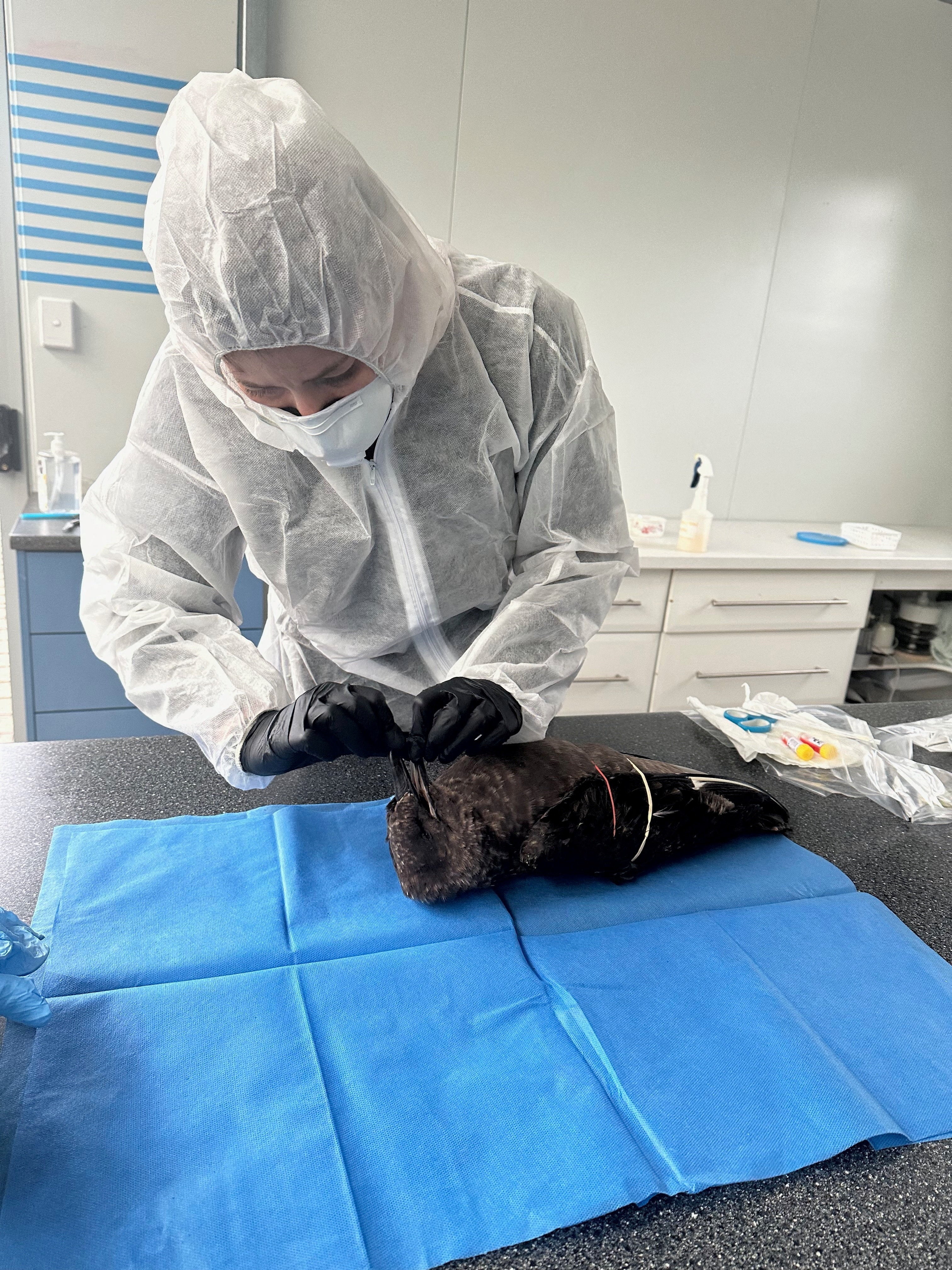
He said they would continue to monitor the beach and surrounding areas.
“We ask the community to be alert and follow advice about reporting sick or dead birds. It is vital that people do not touch or handle unwell birds.”
New Zealand has been preparing for the arrival of H5N1, working with the poultry industry to develop biosecurity and resilience plans.
New Zealand’s wild birds are unusually vulnerable because they evolved for millions of years without native land mammals, leaving many species flightless, ground-nesting and poorly equipped to defend themselves against predators.
That isolation made them unique but also left them highly exposed to habitat loss and introduced pests such as stoats, rats and feral cats. Many species are already endangered, putting them at great risk of extinction if the virus spreads rapidly.
Health officials have started a vaccination programme for 300 core breeding birds from five of the country’s most endangered species, including flightless takahē and kākāpō.
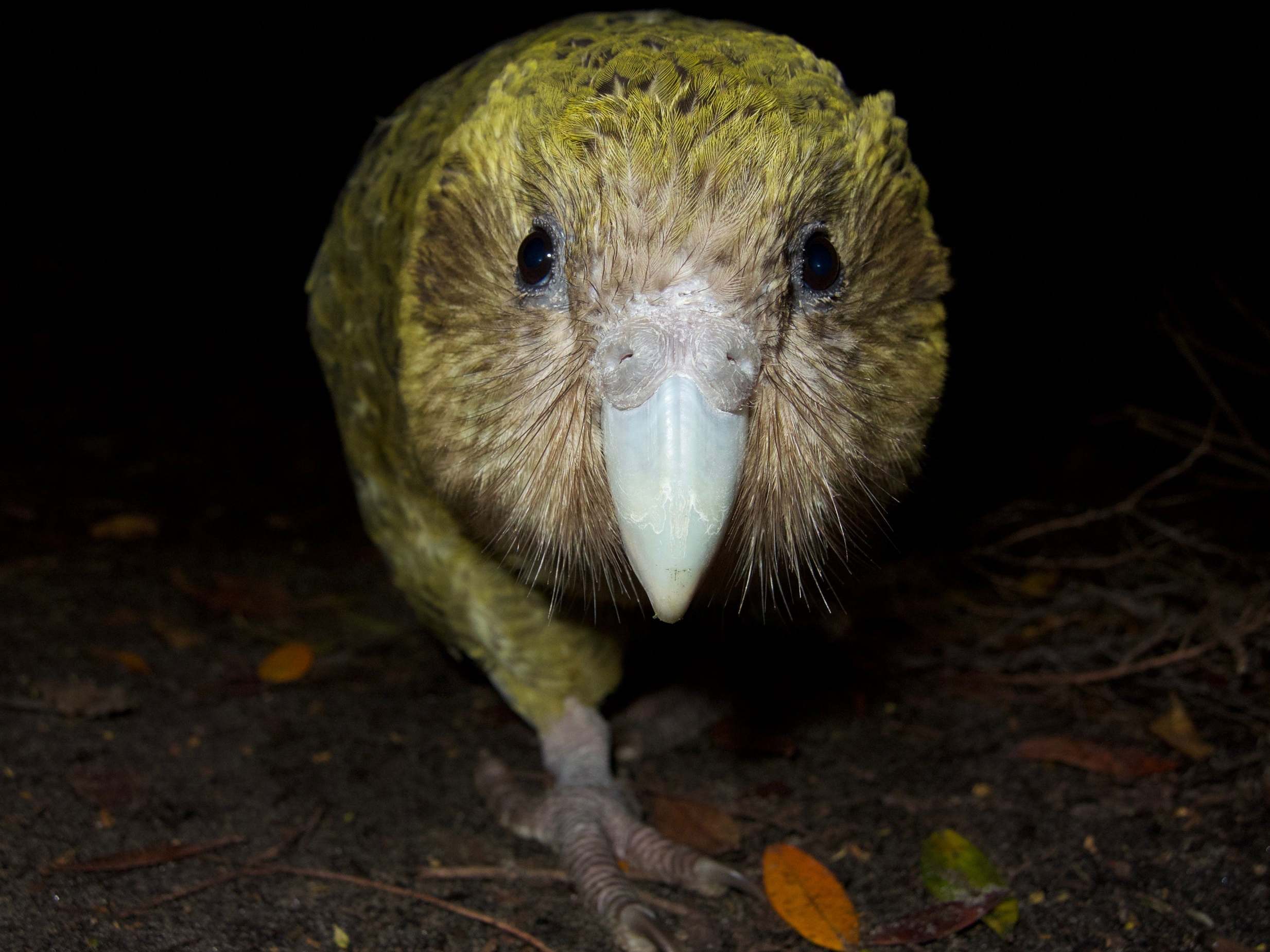
Brett Gartrell, professor of wildlife health at Massey University, said that he was worried that bird flu could push some of the country’s critically endangered birds to extinction.
“We are incredibly worried about New Zealand’s biodiversity because our birds have never had to deal with anything like this before,” Mr Gartrell said.
“If it spreads quickly in New Zealand, we could be in trouble … those core group of birds that (officials) want to protect with the vaccination won’t be fully immune if it spreads too quickly.”
Mr Hoggard said New Zealand was well prepared to respond to H5 bird flu, adding that the government agencies had been working with industry and councils to protect poultry production, wildlife and communities.
“I feel like we are very well prepared for this disease arriving here, we are effectively the last place in the world to get it. We’ve been able to see how it’s impacted other countries around the world. In terms of being prepared, we’re as prepared as we possibly can be.
“It’s spread all across the globe, everyone else has learned how to live with it, we’re going to go through that process now as well.”

