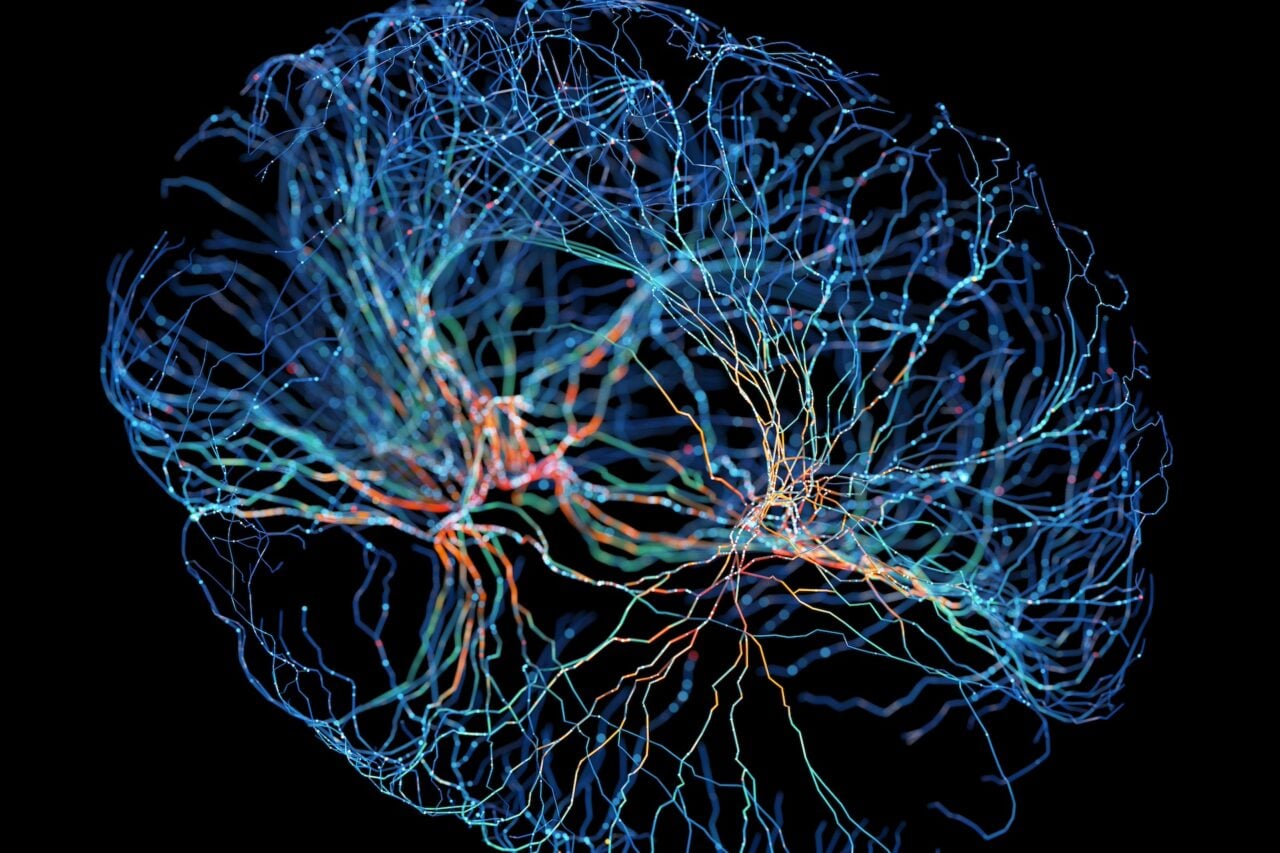
Хятадын нейротехнологийн “Neuracle” компани тархины үйл ажиллагааг удирдах арилжааны зориулалттай төхөөрөмжийг хүнд амжилттай суулгасан анхны тохиолдлыг бүртгэлээ.
“Neuracle” (мөн Borui Kang Medical Technology гэгддэг) компанийн хөгжүүлсэн “NEO” хэмээх зоосны хэмжээтэй төхөөрөмжийг нуруу нугасны гэмтлийн улмаас гараа хөдөлгөх чадваргүй болсон өвчтөнд суулгажээ. Уг төхөөрөмж нь тархины сенсомотор кортексийн гадаргуу дээр байрлаж, өвчтөний гарын хөдөлгөөнийг төсөөлөх үед үүсэх цахилгаан дохиог бүртгэн, робот бээлийг удирдах боломжийг олгодог. Энэхүү технологи нь гуравдугаар сард Хятадын Үндэсний эмнэлгийн бүтээгдэхүүний ассоциацаас арилжааны зориулалтаар ашиглах зөвшөөрөл авсан анхны инвазив BCI систем болсон юм.
Энэхүү амжилт нь тус салбарт Илон Маскийн “Neuralink” компанитай өрсөлдөх Хятадын байр суурийг бэхжүүлж байна. “Neuralink” 2024 онд хүний тархинд чип суулгасан боловч АНУ-ын Хүнс, эмийн хяналтын газраас (FDA) одоогоор албан ёсны зөвшөөрөл аваагүй байгаа бөгөөд одоогийн байдлаар 21 оролцогчтойгоор эмнэлзүйн туршилтаа үргэлжлүүлж байна.
Дэлхий дахинд мэс заслын бус аргаар тархийг компьютерт холбох технологиуд ч хурдацтай хөгжиж байна. Тухайлбал, “Meta” компани тархины дохиог бичвэр болгон хувиргадаг “Brain2Qwerty” системийн шинэ хувилбараа танилцуулсан бол Хятадын “BrainCo” компани хиймэл оюун ухаанд суурилсан бионик гар бүтээжээ. Эдгээр бүтээн байгуулалт нь Хятад улсын таван жилийн төлөвлөгөөнд тусгагдсан квант тооцоолол, хиймэл оюун ухаан бүхий робот болон цөмийн нэгдлийн технологийн нэгэн адил стратегийн чухал ач холбогдолтойд тооцогдож байна.
Дэлгэрэнгүйг эх сурвалжаас харах
Эх сурвалжийг нээх ↓
China is determined to become a global leader in the burgeoning market for brain-computer interfaces, or BCIs. This week, it took a big step towards achieving that goal.
Multiple Chinesenews outlets reported on Wednesday that Chinese neurotechnology firm Neuracle (also known as Borui Kang Medical Technology) had performed the world’s first successful surgical implant of a commercial BCI in the brain of a patient who’d lost mobility in his hand following a spinal cord injury a decade ago.
The device—called Neural Electronic Opportunity, or NEO—is roughly the size of a coin. It contains eight electrodes and is surgically implanted onto the surface of the brain’s sensorimotor cortex, where it records electrical signals fired between neurons as a patient imagines moving their hand. It then sends those signals to a computer, which translates them into motor signals enacted by a robotic glove worn by a patient. NEO was approved by China’s National Medical Products Association in March, making it the first invasive BCI to be given the thumbs-up for commercial use by a national regulatory agency.
It’s a big win for Neuracle as it ramps up its competition with Elon Musk’s Neuralink. In 2024, that company successfully implanted a BCI in a human brain—though that was not the first ever successful BCI. Neuralink has yet to receive approval from the Food and Drug Administration, a required step before bringing a new medical treatment or drug to market in the U.S. Musk’s company said earlier this year that it had twenty-one people enrolled in clinical trials.
While China’s Neuracle and Musk’s Neuralink have thus far focused their efforts on surgical implants—which obviously carry a fair bit of risk for patients—other companies have been connecting the human body to computers through other, less invasive routes.
Last month, for example, Meta unveiled the latest version of its Brain2Qwerty system, which leverages a large language model to translate brain activity into written text. The company said that tool could help people suffering from ALS and other neurodegenerative illnesses who have lost the ability to speak to once again be able to communicate their thoughts to others. Another Chinese firm called BrainCo, meanwhile, has developed a bionic prosthetic hand that operates using AI and a technique called electromyography.
While Chinese AI developers have been racing to catch up with their American counterparts, the country is also investing heavily in its national efforts to build BCIs. They were one of the core priorities outlined earlier this year by the Chinese government’s latest five-year plan, along with quantum computing, AI-powered robots, nuclear fusion, and other key strategic technologies, according to Reuters.