АНУ-ын Төрийн департамент Саудын Арабын Хаант Улсад 2 тэрбум ам.долларын өртөг бүхий “Advanced Precision Kill Weapon System” (APKWS II) лазерын удирдлагатай пуужингийн иж бүрдлийг худалдахыг зөвшөөрлөө.
Энэхүү хэлэлцээрийн хүрээнд Саудын Араб агаар-агаар болон агаар-газар ангиллын тус бүр 10,000 ширхэг удирдлагын хэсэг, LAU-131/A пуужин харвагч төхөөрөмж, Mk66 пуужингийн хөдөлгүүр болон тэсрэх хошууг худалдан авах юм. Уг зэвсэглэлийг Саудын Арабын зэвсэгт хүчин Eurofighter Typhoon болон F-15SA сөнөөгч онгоцнууддаа суурилуулан ашиглах төлөвтэй байна.
Ойрхи Дорнод дахь АНУ-ын цэргүүд байрлаж буй бүс нутагт Ираны зүгээс халдлага нэмэгдэж, Йемен дэх Хути босогчидтой холбоотой хурцадмал байдал үүсээд байгаа энэ үед уг хэлэлцээрийг баталсан нь Саудын Арабын үндэсний аюулгүй байдлыг бэхжүүлэх зорилготой гэж АНУ-ын Төрийн департаментаас мэдэгдэв. APKWS II систем нь нисгэгчгүй онгоц (дронууд) болон далавчит пуужингуудыг устгахад өндөр өртөгтэй пуужингуудаас хамаагүй хямд, үр дүнтэй шийдэл болж байгаа юм.
АНУ-ын Агаарын цэргийн хүчний удирдлагуудын мэдээлснээр, уг системийг дронуудын эсрэг үндсэн зэвсэг болгон ашиглаж байна. Нэгж өртөг нь 15,000-20,000 ам.доллар хүрдэг APKWS II нь AIM-120 зэрэг агаар-агаар ангиллын пуужингуудтай харьцуулахад хамаагүй бага зардлаар байг устгах боломж олгодог тул Саудын Араб ч мөн энэхүү хэмнэлттэй аргыг нэвтрүүлэхээр зорьж байна.
Дэлгэрэнгүйг эх сурвалжаас харах
↓Эх сурвалжийг нээх ↓
The State Department has approved a possible $2 billion deal to sell up to 20,000 Advanced Precision Kill Weapon System (APKWS II) laser guidance kits to the Kingdom of Saudi Arabia. The approval for these munitions comes as Iran is increasing attacks on nations hosting U.S. troops in the Middle East and tensions with the Houthi rebels of Yemen are heating up again.The air-to-air variant has become a critical cost effective weapon to shoot down large numbers of long-range one way attack drones and lower-end cruise missiles. Meanwhile, the air-to-ground variant provides extremely precise low-collateral strike capabilities against a wide variety of targets.
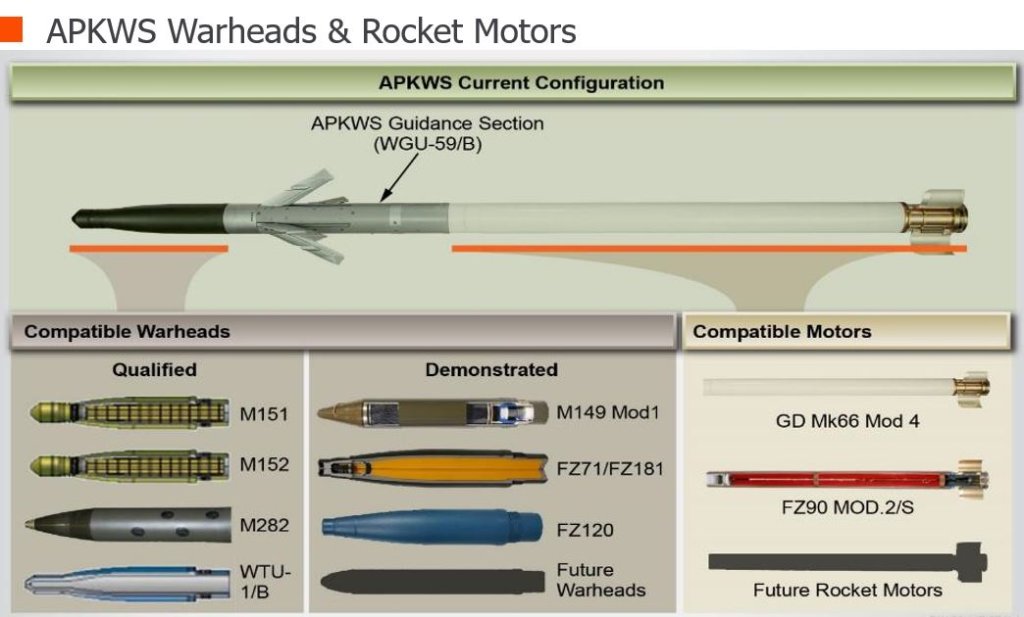
Saudi Arabia wants to buy 10,000 APKWS II air-to-air guidance sections and up to 10,000 air-to-ground guidance sections. The package includes an undisclosed number of LAU-131/A seven-shot 70mm rocket pods, Mk66 rocket motors, Mk-152 high explosive warheads and proximity fuzes.
All versions of the APKWS rocket are made up of three basic components: a laser guidance section inserted between one of a variety of warhead options and a standard 70mm rocket motor.
An air-to-air optimized variant, designated the AGR-20F and also referred to as the Fixed Wing, Air Launched, Counter-Unmanned Aircraft Systems Ordnance (FALCO), was subsequently developed. The FALCO configuration includes a proximity fuze and changes to the munition’s guidance and sensing algorithms.
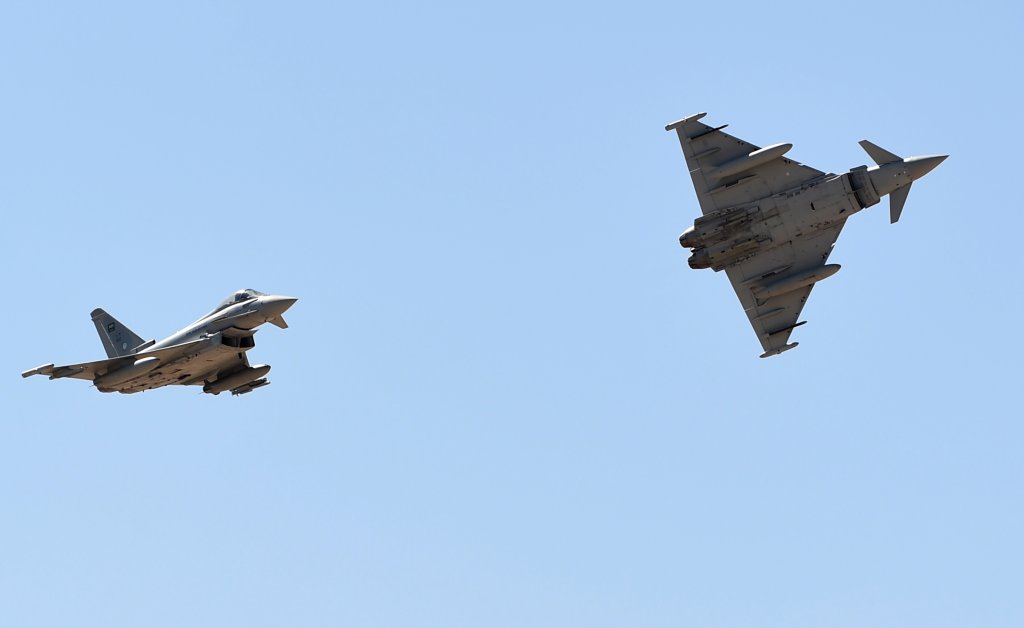
The deal does not include the rockets themselves, and the State Department notice does not say on which aircraft the Royal Saudi Air Force will carry these munitions. However, they will most likely be loaded onto the RSAF’s Eurofighter Typhoon and F-15SA fighter jets.
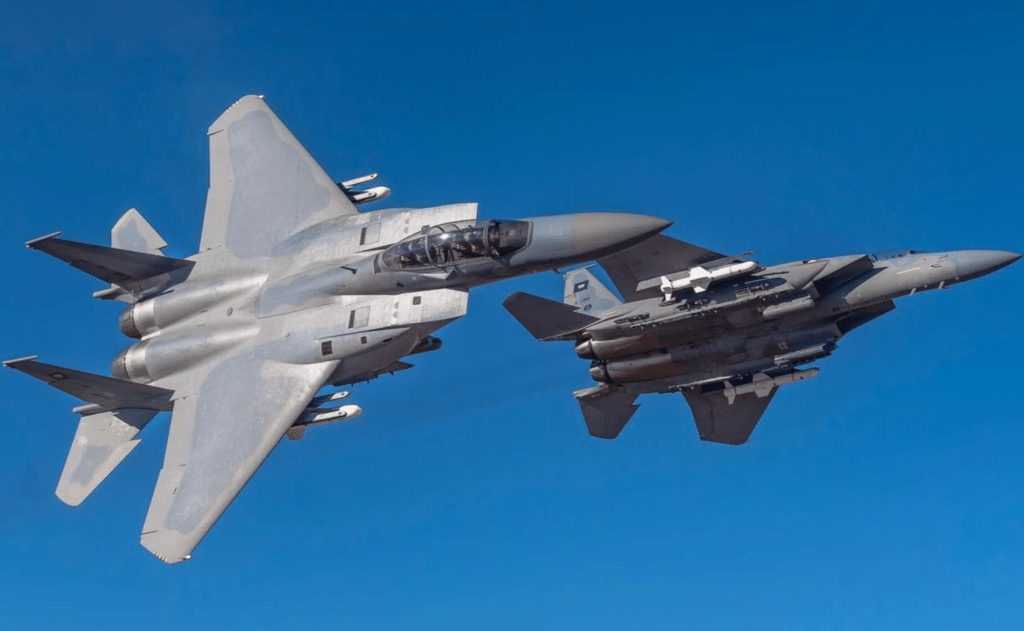
As we have previously reported, an air-to-air APKWS capability is being rapidly added to an increasing number of U.S. military aircraft. U.S. Air ForceF-15E Strike Eagle, F-16C Viper, and A-10 Warthog combat jets are known to be cleared to employ the weapon. The USMC’s legacy F/A-18 Hornets can also now use APKWS against aerial targets. Other types, like the U.S. Navy’s F/A-18E/F Super Hornet, will likely receive the munitions too. The Eurofighter Typhoon has been recently cleared to employ APKWS, as well.
TWZ was the first to report that U.S. Air Force F-16 Vipers were employing APKWS IIs, originally designed as air-to-ground munitions, as a lower-cost option for downing Houthi drones. Today, Ukrainian F-16s are employing APKWS against Russian drones.
As we noted earlier in this story, this all comes as Iran has been lobbing missiles and drones across the region in response to U.S. attacks. In addition, Saudi Arabia and the Houthis recently traded strikes on airports.
“This proposed sale will support the foreign policy and national security objectives of the United States by improving the security of a Major non-NATO Ally that is a force for political stability and economic progress in the Gulf Region,” the State Department said in a release. “The proposed sale will improve Saudi Arabia’s capability to deter current and future threats by strengthening its homeland defense, and improving interoperability with U.S. forces, and other regional and NATO forces. The proposed sale will also augment Saudi Arabia’s operational aircraft and enhance its air-to-air, and air-to-ground self-defense capability. The Kingdom of Saudi Arabia will have no difficulty absorbing this equipment and services into its armed forces.”
U.S. Air Force leaders have lauded the APKWS II system.
“It’s our primary weapon against a drone,” Air Force Lt. Gen. Derek France, head of Air Forces Central (AFCENT), the service’s top command in the Middle East, told us last year on the sidelines of the Air & Space Forces Association’s 2025 Air, Space, and Cyber Conference. “We’ve had multiple shoot-downs with it.”
Since then, APKWS has become the primary weapon system used by American fighters to shoot down Iran’s long-range one-way attack munitions, doing so for just a tiny fraction of the cost of the cheapest available air-to-air missile. The Saudis have the same use case and are keenly aware of just how expensive downing drones can be via a fighter platform after years of fighting the Houthis in Yemen. You can read all about this here. The APKWS II guidance section has a unit cost between $15,000 and $20,000, with the rocket motor and warhead adding a few thousand dollars more to the full price tag. Current generation AIM-120 air-to-air missiles cost around $1 million apiece, while the AIM-9X has a price point around $450,000.
With the APKWS being nearly plug-and-play on both the F-15SA and the Typhoon, the Saudis are clearly preparing to shoot down a lot of drones far more cheaply than in the past with their current fighter force.
Contact the author: howard@twz.com
The post Saudis Cleared To Buy A Whopping 20,000 Laser-Guided Rockets appeared first on TWZ.