Secretlab-ийн шинээр гаргасан Atlas сандал нь оффисын болон тоглоомын орчинд тохиромжтой, авсаархан хийцтэй ч Titan Evo загварыг гүйцэхэд бэрх байна.
Secretlab Atlas нь энгийн бөгөөд гоёмсог загвараараа онцлог, гэрийн оффист бага зай эзэлдэг “task chair” буюу ажлын сандал юм. Тус сандал нь NanoFoam Composite болон SoftWeave Plus зэрэг чанартай материалаар хийгдсэн бөгөөд соронзон толгойн дэр зэрэг тав тухыг нэмэгдүүлэх шийдлүүдийг агуулжээ. Хэдийгээр суухад эвтэйхэн, нурууны дэмжлэг сайтай ч Titan Evo загвартай харьцуулахад тохируулгын боломж хязгаарлагдмал юм.
Техникийн хувьд Atlas нь 3D гарын түшлэг, RE-CURVE суурин нурууны түшлэгтэй бөгөөд Titan Evo-гийн 4D гарын түшлэг, L-ADAPT нурууны дэмжлэг, хөнгөн цагаан суурийн бүтэцтэй харьцуулахад дутагдалтай талуудтай. Ялангуяа хөдөлгөөнт нурууны дэмжлэг байхгүй нь удаан хугацаагаар суухад мэдрэгддэг сул тал болж байна.
Үнийн хувьд Atlas нь 519 доллараас эхэлж байгаа боловч ижил төстэй эсвэл илүү өргөн боломжтой Titan Evo загвар нь зарим тохиолдолд хямд эсвэл ойролцоо үнэтэй байдаг. Иймд Atlas нь зөвхөн овор багатай, үзэмжтэй загвар чухалчилдаг хэрэглэгчдэд илүү тохиромжтой сонголт байж болох юм. Ерөнхий дүнгээр бол Secretlab-ийн Titan Evo нь одоог хүртэл тус компанийн шилдэг тоглоомын сандлын байр суурийг хадгалсаар байна.
Дэлгэрэнгүйг эх сурвалжаас харах
↓Эх сурвалжийг нээх ↓
The Secretlab Atlas has a lot going for it. It fits snugly into a home office and it’s very comfortable for use throughout the day (with regular breaks, of course). It’s even good for a spot of gaming in the evening, if you’re so inclined, providing you understand that this isn’t explicitly a gaming chair. It’s a task chair—whatever that means.
Google tells me a task chair is a chair designed for sitting at a desk. One website described a task chair as a chair specifically designed for doing tasks. Fascinating. Nevertheless, Secretlab is using the designation to separate the Atlas from the ever-popular Titan Evo, and in doing so, alluding to its sleeker form and more civilian appearance.
The Atlas looks excellent in situ. It’s a smart-looking chair for the discerning gamer. It’s halfway to a gaming throne and definitely passable in a modern office without raising eyebrows. Doubly so providing you pay for the premium model. Though this is where things get tricky for the Atlas.
The Atlas is on the expensive side for the features it offers, especially when compared to the Titan Evo. It’s not easy to beat the best gaming chair of the past four years, and while the Atlas does serve a slightly different audience, for us gamers, the Titan Evo is yet to meet its match. It’s not a whole lot more expensive than the Atlas—at times, I’ve even seen it going cheaper.
Buy if…
✅ You are limited on space: Any gaming chair takes up a lot of room, but the Secretlab Atlas definitely looks and feels a lot less dominating in a smaller space. It’s pretty sleek.
✅ You want hardwearing materials: We’ve tested Secretlab’s leatherette over many years of use and it’s still looking great. NanoGen and SoftWeave versions similarly hold up well over long periods in our experience.
Don’t buy if…
❌ You want the best gaming chair: If you want the best, that is still the Titan Evo. It has better ergonomics, replaceable armrest cushions, and a metal wheelbase. It’s just an all-round better chair.
❌ You want adjustable lumbar support: The Atlas lacks any adjustable lumbar support, preferring a sculpted RE-CURVE backrest instead. We prefer the L-ADAPT four-way adjustable support on the Titan Evo.
Features
|
Atlas |
Titan Evo |
|
|---|---|---|
|
Size |
Regular (<178 cm/<5’10” | <100 kg/<220 lbs) Large (178 – 195 cm/5’10” – 6’5″ | <120 kg/<265 lbs) |
Small (<169 cm/<5’6″ | <90 kg/<200 lbs Regular (170-189 cm/5’7″-6’2″ | < 100 kg/< 220 lbs) XL (181-205cm/5’11”-6’9″ | 80-180 kg/175-395 lbs) |
|
Fabric |
SoftWeave Plus or NanoGen Hybrid Leatherette or Neo Hybrid Leatherette |
SoftWeave Plus or NanoGen Hybrid Leatherette or Neo Hybrid Leatherette |
|
Options |
Standard, Premium (w/ NanoFoam) |
Classic, Next-Gen |
|
Armrests |
3D |
4D w/ CloudSwap |
|
Lumbar support |
RE-CURVE fixed backrest |
4-Way L-ADAPT Lumbar Support System |
|
Head pillow |
Yes, magnetic |
Yes, magnetic |
|
Wheelbase |
Reinforced Nylon |
Aluminium Alloy |
|
Recline |
100-120° |
85-165° |
|
Price |
Regular: $519/£429 Regular Plus: $699/£599 Large: $539/£459 Large Plus: $719/£629 |
Regular: $579/£469 (£419) Regular NanoGen: $799/£669 (£619) XL: $629/£539 (£489) XL NanoGen: $849/£729 (£679) |
There are a range of options available for the Secretlab Atlas, from basic and premium finishes to a range of colours and materials. I’m testing the Atlas Dune+ model, in a size L. That means it features two of Secretlab’s proprietary materials: NanoFoam Composite and SoftWeave Plus fabric. The NanoFoam being softer than cold-cure foam used on the basic model.
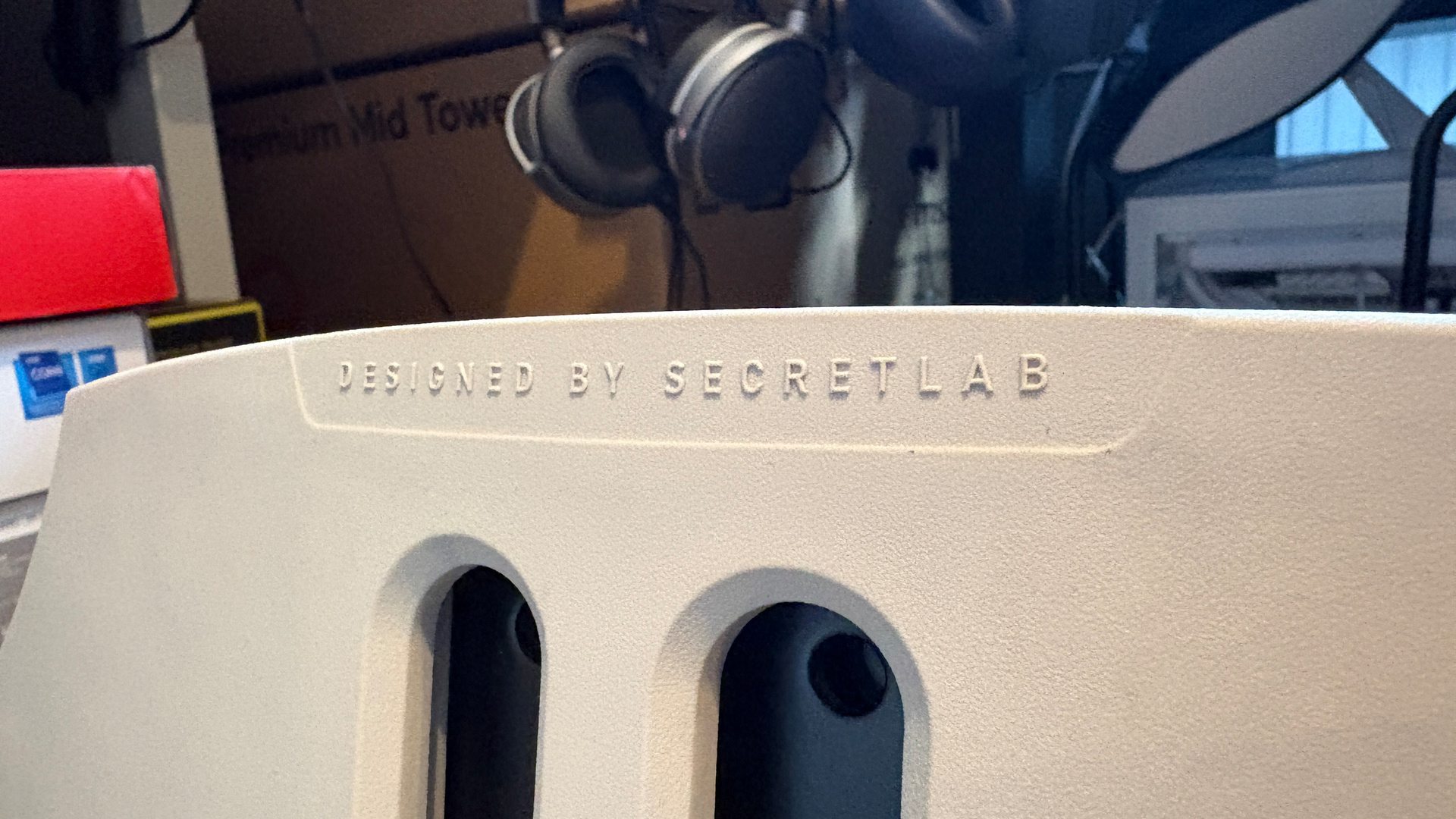
The premium version of the Atlas comes with colour-matched parts, from the magnetic head pillow down to the armrests, beneath the seat, wheelbase, and the castors. This is made possible through the use of a reinforced nylon construction, as opposed to the aluminium alloy found on the Titan Evo. My gut tells me that metal is best but I couldn’t point to any research to back that up. Just a hunch. The cheaper version is black except for the backrest.
The Secretlab Atlas is noticeably slimmer than the Titan Evo, Noblechairs Hero, and ThunderX3 Solo 360 that my colleagues are sat in close to my desk at PC Gamer Towers. It much more closely resembles the Fractal Design Refine used by our James, in terms of both the backrest and its more professional aesthetic, but the Atlas is a little more reserved. Unlike the Refine, however, the Secretlab has no adjustable lumbar support.
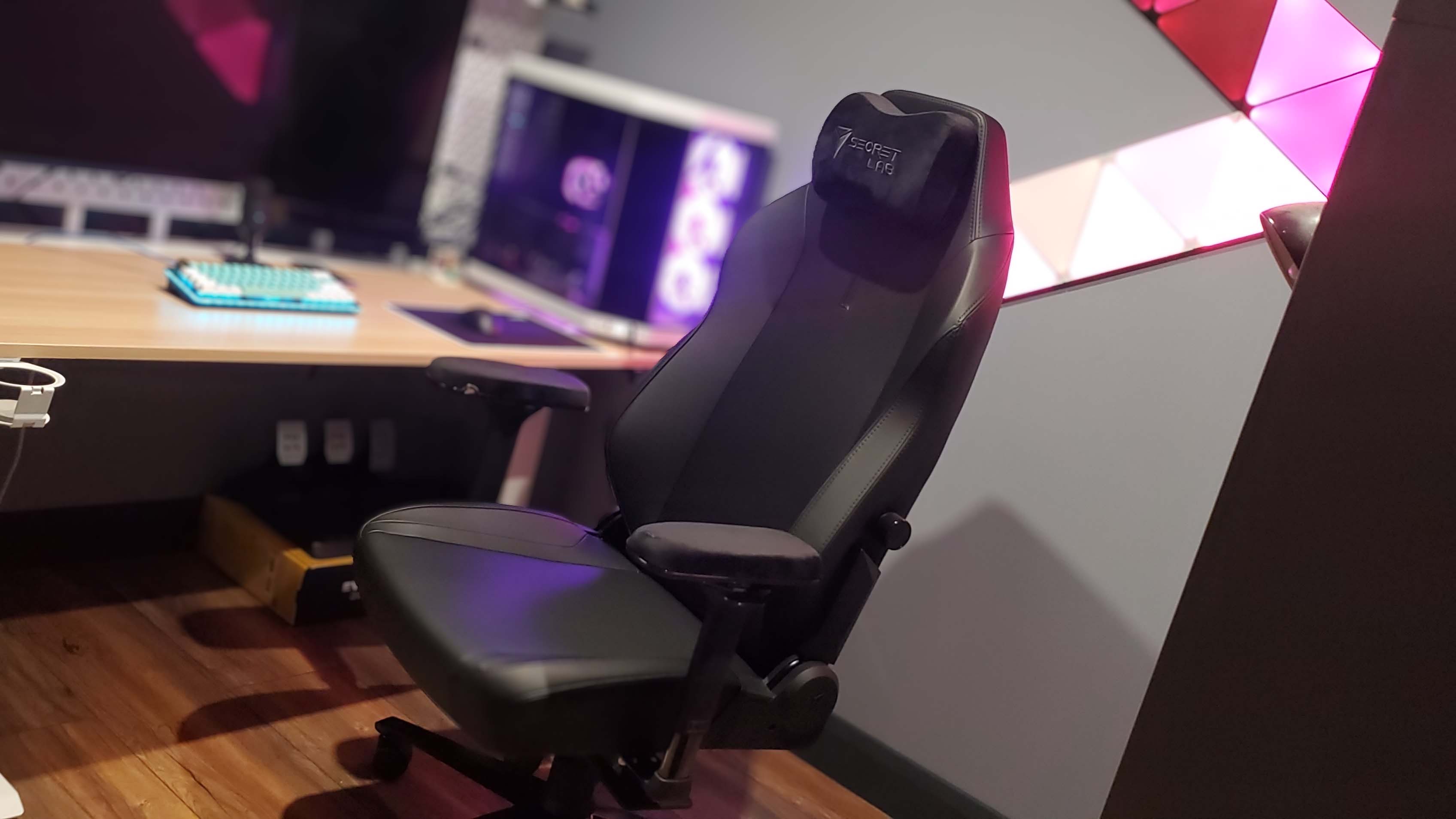
Secretlab claims the fixed backrest, called RE-CURVE, is “sculpted to support your entire back”. I find myself agreeing with that statement after a couple of months with the chair as my daily rollabout. That said, it does lack the flexibility that other chairs offer, including the Titan Evo, which offers an excellent 4-way lumbar system called L-ADAPT.
There are a number of possible adjustments on the Atlas. Besides the usual height adjustment—the seat is lower to the floor on the Atlas compared to the Titan Evo—the seat also slides forward and backward on a horizontal axis. I recently spoke with a physician about how to sit (and how I was doing it wrong) and they told me you should be able to get two or three fingers between the seat and the back of your knees for an ideal setup. Secretlab says that’s about 5 cm/2-inches in its promotional materials.
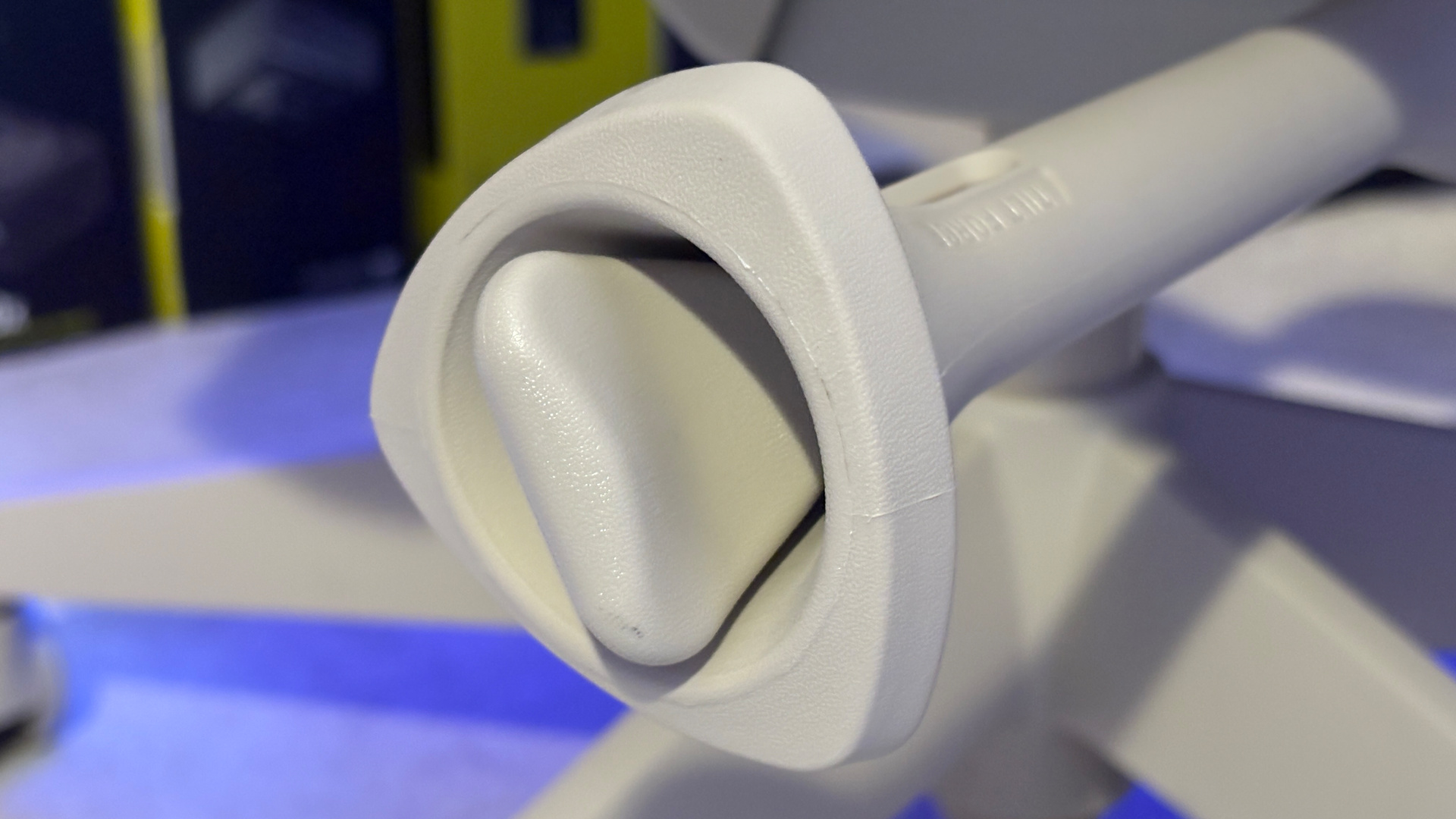
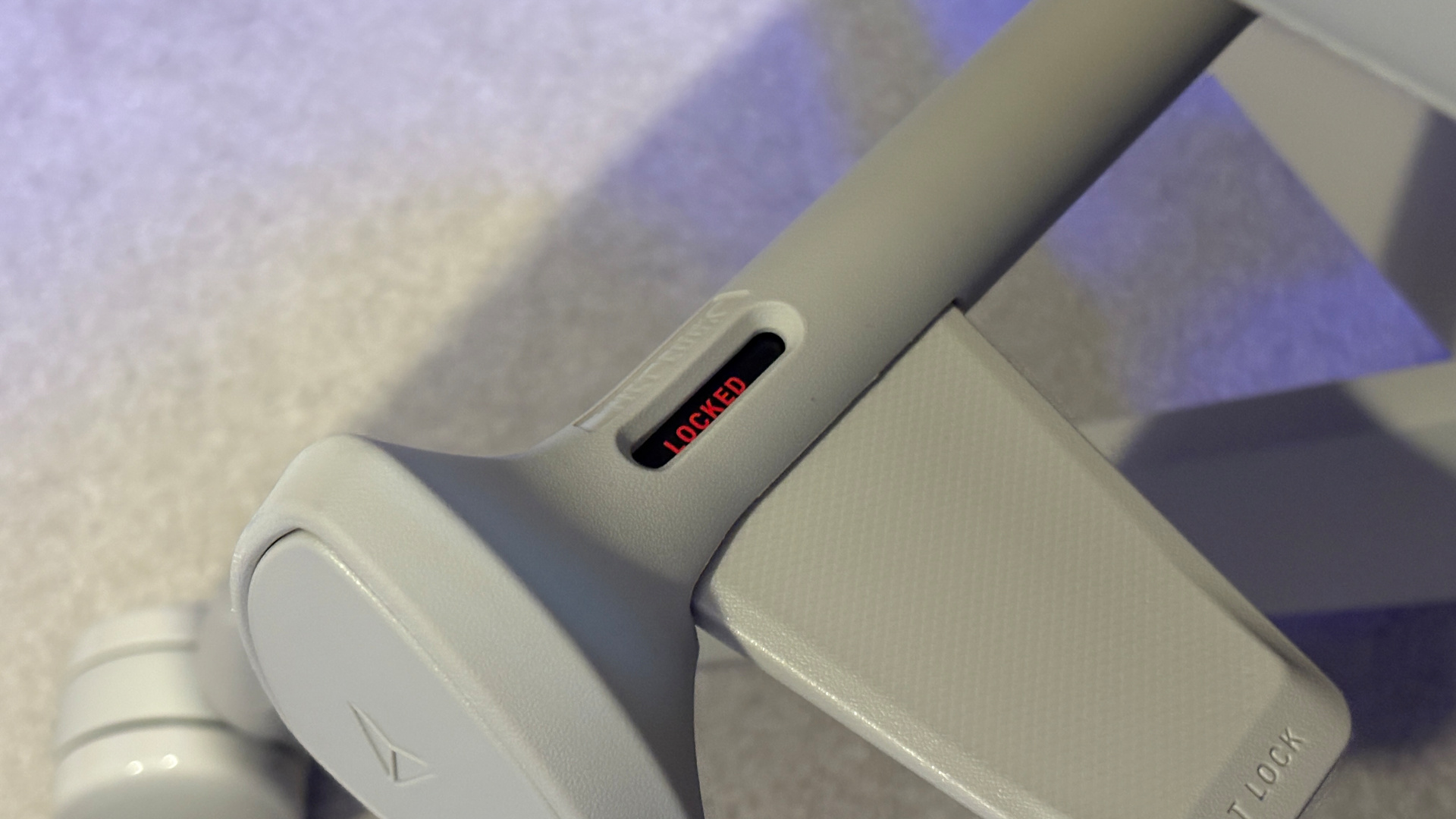
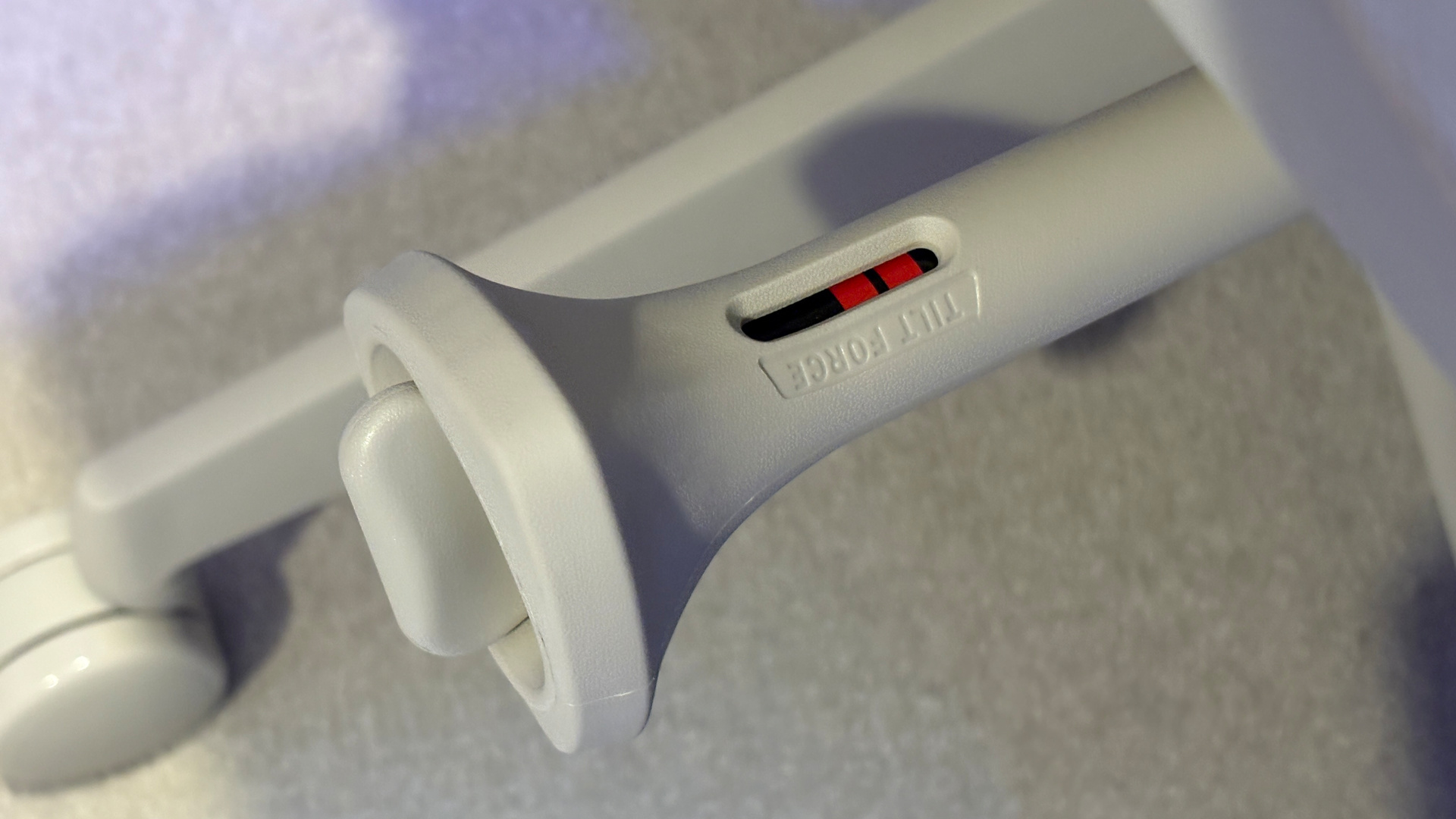
The Atlas will recline up to 120° once unlocked, using a lever with a handy visual indicator to show when the leaning mechanism is locked or unlocked. There are four levels to the tilt force, adjusted using a twisting selector on the chair height stalk. These levels range from leaning back with little to no resistance to having to actively push back on the chair to get it to recline even partway. I like to use a higher setting to bob in place a bit—hey, I’m just a bit wild like that. I’m one errant purchase away from a rocking chair, I swear to God.
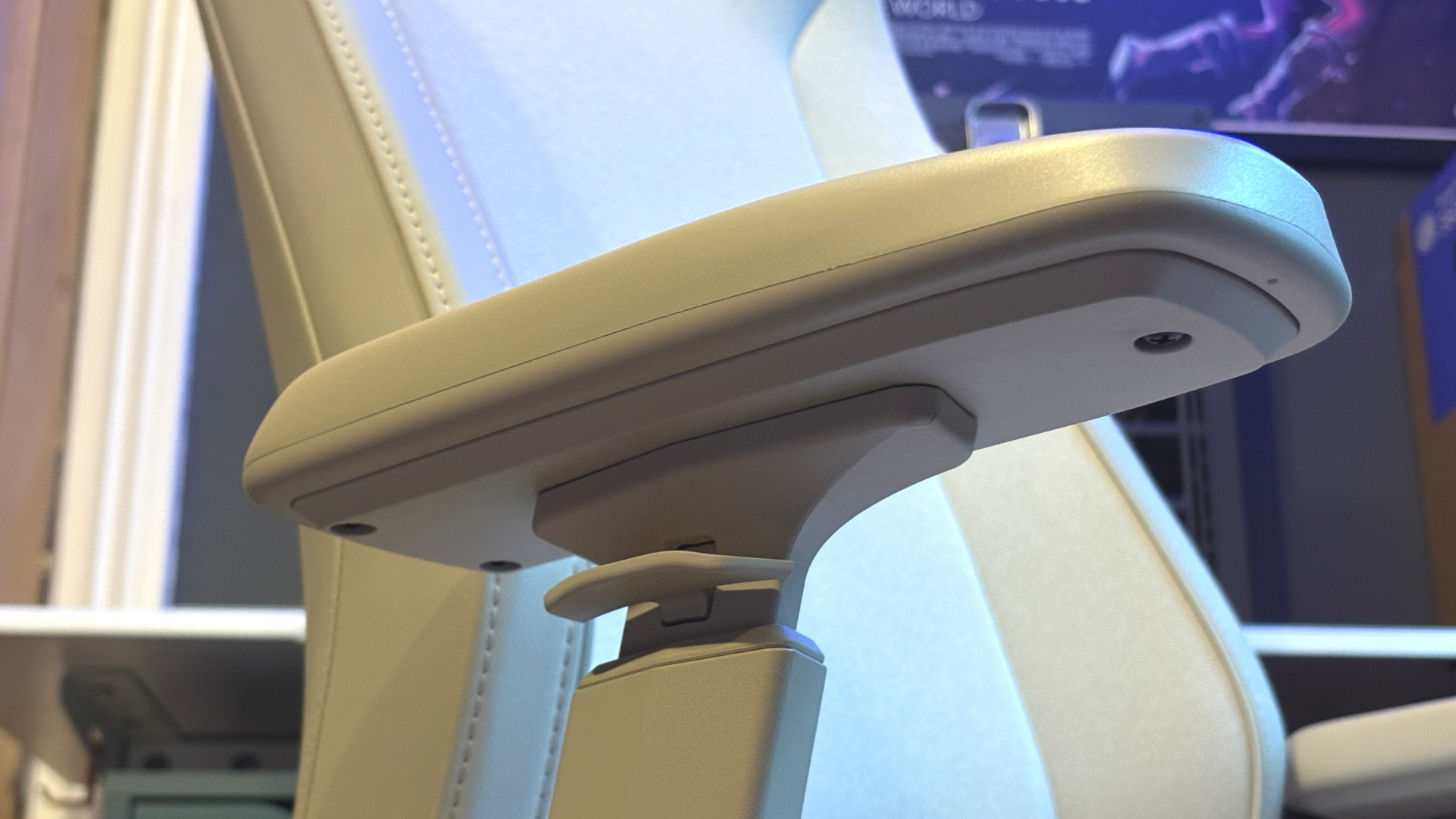
The armrests offer height adjustment, angle adjustment, and front to back adjustment. That makes them 3D, to the Titan Evo’s 4D ones. They will move forwards and backwards when only a moderate amount of pressure is applied, which is a bit of a pain for someone that shifts my chair around a lot while switching between sitting and standing, but otherwise, they’re good enough.
The top of the armrest is comfortable for long-term use. Though it does not feature the same CloudSwap Replacement System as the Titan Evo, which means you can’t switch these out as easily once worn.
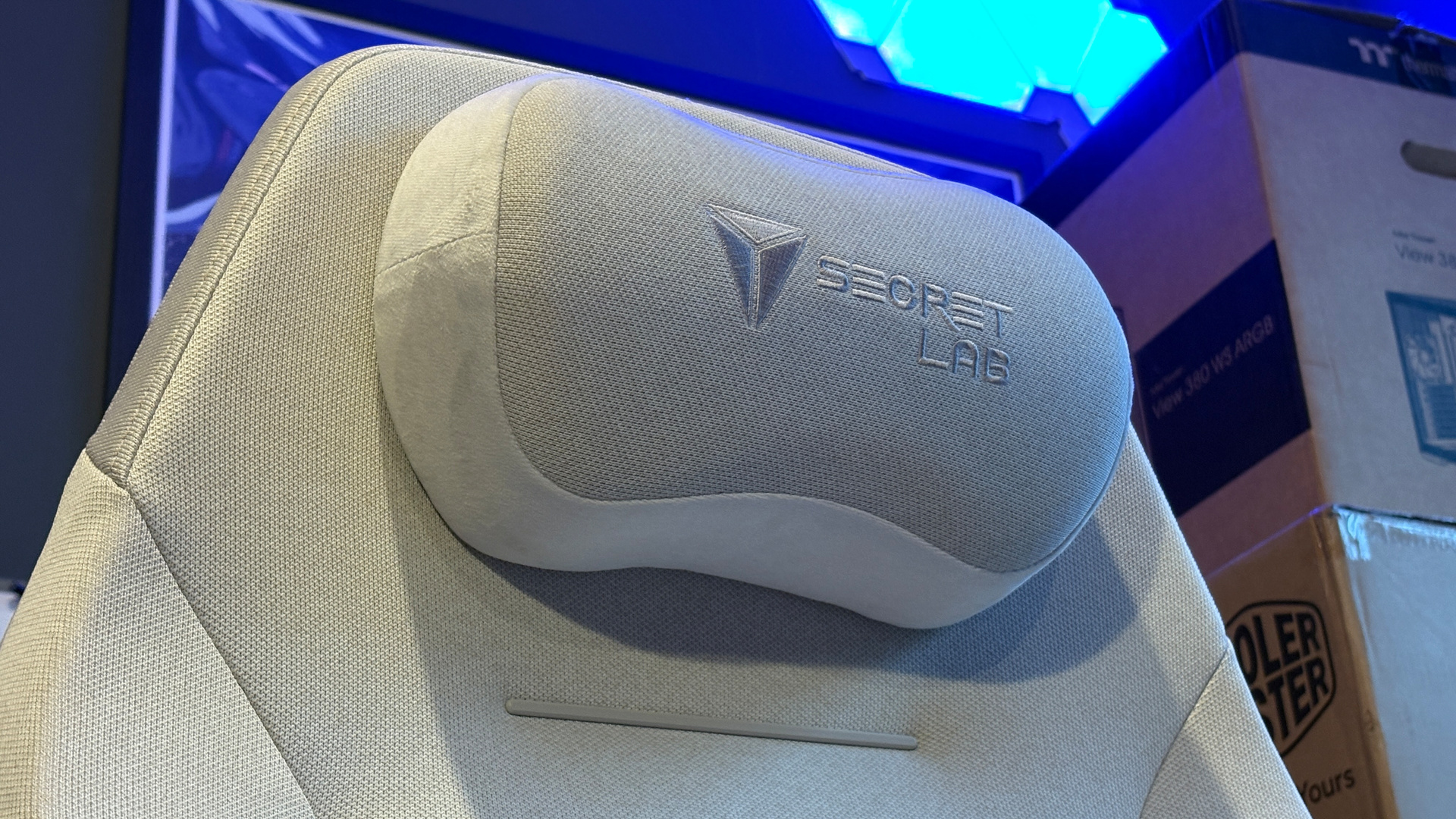
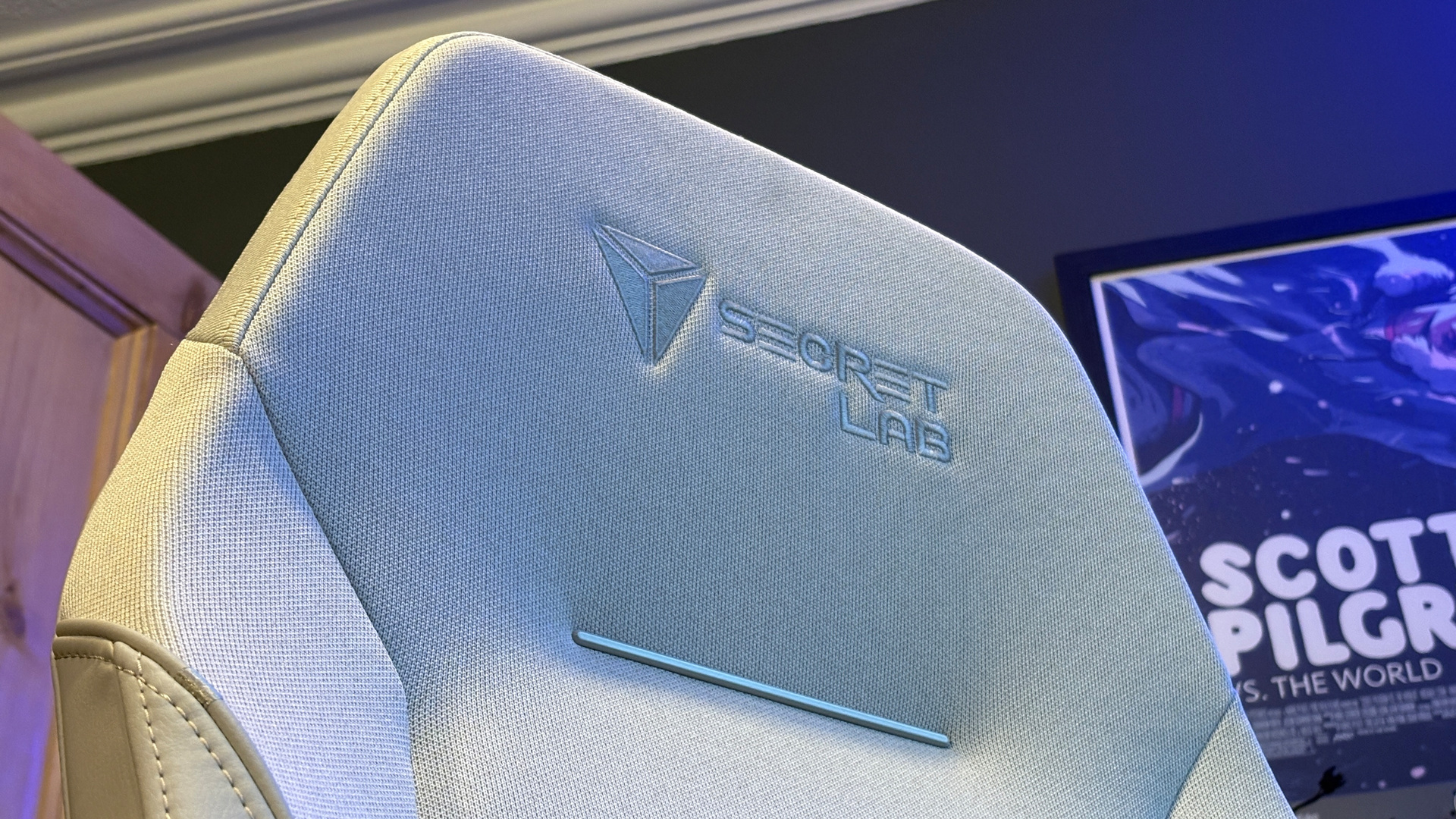
At least my favourite feature from the Titan Evo has made it over to the Atlas. The magnetic head pillow. This can be easily removed, replaced, and moved around without messing with straps. The Atlas actually improves on the design, too, with a more rounded shape that better fits my noggin.
Ergonomics
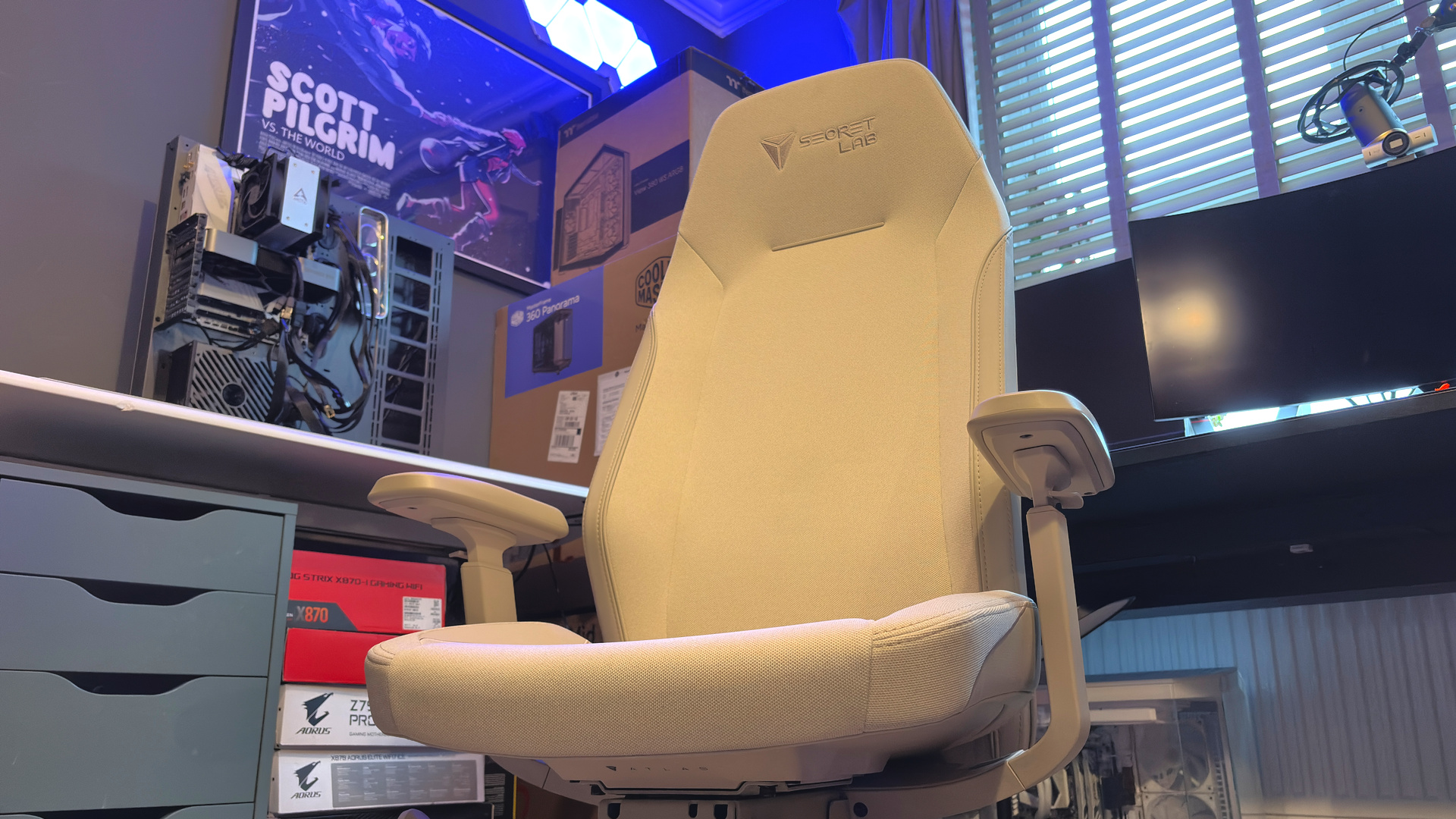
So far I’ve very much enjoyed my time with the Atlas. It’s a firmer seat than many I’ve tested, but that’s no bad thing. I’ve been putting it to the test in a range of seating positions: legs crossed, laying back, fully reclined, one leg under the other… you name it. It deals with the cornucopia of weird human sitting positions very well. After a frank meeting with that physician about how I sit, I’m trying to change things up more regularly throughout the day, and the Atlas allows for that variation.
My main points of comparison for the chair are the Herman Miller Embody (Logitech G), which I’ve used every day for roughly four years; the Razer Fujin Pro, which I’ve been using in PC Gamer Towers for a couple of years; and, of course, the Secretlab Titan Evo, which I used in the office for years and I still sit in every time I shoot a video for the YouTube channel. We must have eight or so of those around.
First off, the Atlas easily beats out the Razer Fujin Pro. I’m yet to find a mesh chair that I enjoy to rest on as much as any with foam. I used to sit in a Cooler Master mesh chair and felt about that much the same as I do the Fujin Pro: foam is just a little too stiff. Over the course of a day’s work, I’m aware of the pressure. That’s not true of the Atlas, nor is it the Herman Miller, to be fair.
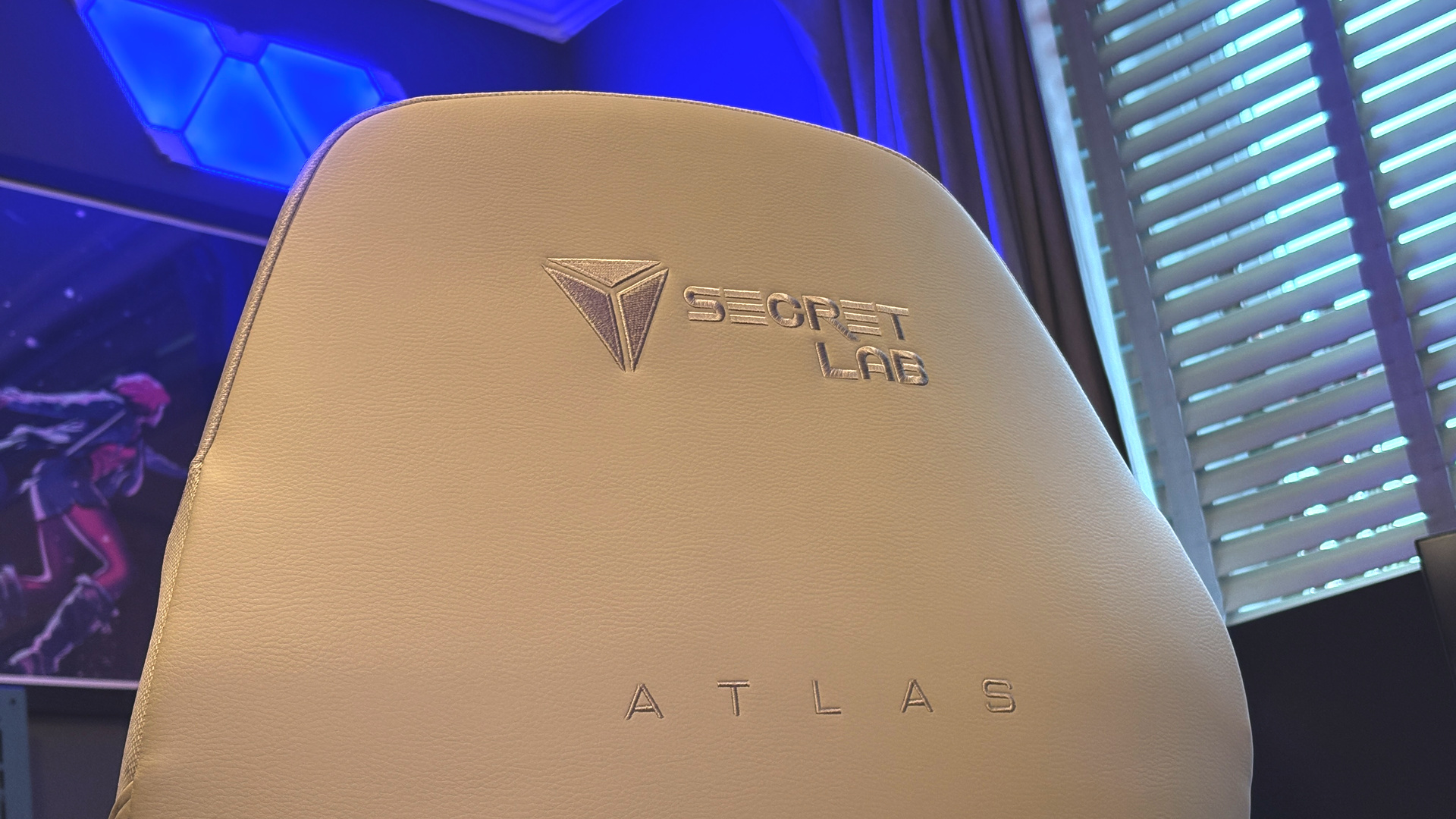
The Herman Miller is lovely to sit in. Though the backrest is stiffer on the Atlas, which I currently prefer, and I’m finding myself making more use of the recline on the Atlas. That is likely down to breaking out of old habits with a new chair. Though perhaps because I find the recline a touch more supportive on the Atlas. I definitely prefer a stiffer backrest over the flexible one on the Embody.
Looking around, there are anecdotal reports of larger users finding this chair uncomfortable. At 6’1″ and 80 kg, I haven’t run into any issues, but my thighs and back do sit close to the edge of the part of the backrest and seat where they shoot off at an angle—the racing seat sorta bit. Spare a thought for the sizing as even Secretlab notes the Atlas as more “form-fitted” to the Titan Evo’s “spacious” fit.
I’m sitting very comfortably in the Atlas. It’s in the Goldilocks zone for me, with firm yet comfortable materials, a stiff backrest, bouncy recline, and squishy head cushion. I’m not in any rush to swap back to the Embody.
Aesthetics
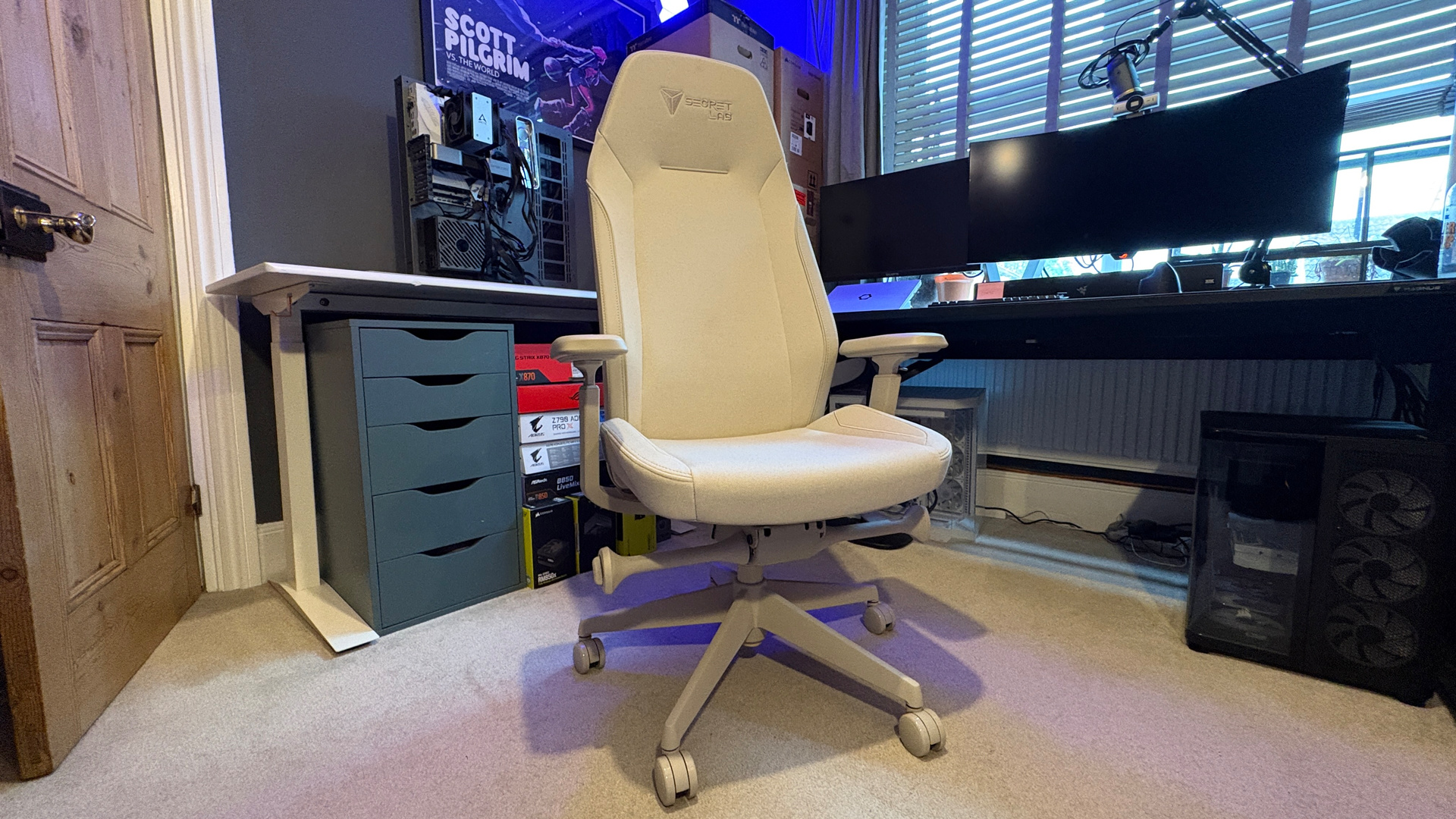
I had feared for the feng shui of my home office by dropping a sand-coloured gaming chair smack-bang in the middle of it. But, to my complete surprise, it makes my office look larger. And it’s not just me. My partner walked into the room after I built it, and without me mentioning a thing, said the chair makes the room feel bigger. Weird.
Hey, I’ll take it. I think it’s some sort of optical illusion with the bright chair, my dark grey walls, and the slim backrest. The chair does look pretty sweet in situ, too. There are other colours to choose from, including grey, black, and white/black leatherette. I’ve seen pretty much all of them in-person and I’d be happy with any, except perhaps the cheaper two-tone version without colour-matched parts.
Value
The Atlas is a cheaper alternative to the Titan Evo in the US, with prices starting at $519. That’s for the basic model in a regular size, the only one of which I’d actually purchase myself being the all-black model. The non-colour matched parts incidentally match the backrest.
The premium models look much nicer and the only ones I can recommend on comfort, as they are the only ones I’ve sat in long-term. These start at $699. The large model I’m using is $719. That’s not a low cost gaming chair, by any means, and the Atlas has stiff competition at this price. Not the least bit from Secretlab’s own Titan Evo, which starts at $579. The premium NanoGen model costs $799, and a large will set you back $849. That’s a $130 difference—not a trivial cost to upgrade from the Atlas to the Titan Evo, like-for-like. But maybe you don’t need to go like-for-like?
If I’m honest with myself about what I’d personally buy of the two, it’d be the Titan Evo. And not the NanoGen version. I would happily take the non-NanoGen Titan Evo for $629, which is $90 cheaper than the Atlas. Having sat on the standard leatherette Titan Evo for years in the office without issue, I’d be content with that. It’s more fully-featured than the Atlas with adjustable lumbar support, replaceable armrest cushions, and an aluminium wheelbase.
The Atlas does beat the Titan Evo in two key respects: style and size. I won’t discount the impact these have on purchasing decisions, as I’ve already had a friend tell me they’re considering buying the Atlas due to its shape alone.
Looking further afield, the Fractal Design Refine is not a chair we rated particularly high but it is a similar sorta thing with an adjustable backrest. That’s $600/£475. I think I’d stick with the Titan Evo. Though there is a budget alternative, and that’s the ThunderX3 Solo 360. This offers asynchronous tilt, adjustable 3D armrests, decent fabric, and it’s half the price of the cheapest Atlas. Except the Atlas doesn’t feel like a budget option. The Solo 360 still does: it doesn’t include lumbar support or a head pillow.
For larger bodies, we like the AndaSeat Kaiser 4 XL. It’s extremely cushioned and well-provisioned for lumbar support. For $579, it offers a lot compared to the large Atlas, though it loses out on that sleek appearance. It is huge.
So, the Secretlab Atlas does offer a high level of quality and attention to detail that see it clearly rise above many budget offerings. That said, at $519 for the very basic model, I’d liked to have seen it below $500. There’s been a lot of cuts here compared to the Titan Evo, such as the wheelbase, armrests, recline, and lumbar support. Presumably we’re only going to see the Atlas below that price once it hits the sale.
The Titan Evo often drops to around $529 during yearly sales events, like it did back in May. As I write this, in my native land of Britain, the Titan Evo is cheaper (£419) than the Atlas (£429) in the company’s Summer Sale. The Atlas is understandably yet to be discounted, but that’s a tough act to follow.
The premium models, especially in the large size, are really pushing the limits of what I’d pay for the Atlas. That’s a shame because that’s what I’m sitting on and I really like it. The Atlas Dune+ is comfortable, stylish, and I’m happy enough to sit and game in it all-day. It’s just the Titan Evo is tough to beat, even the cheaper standard model.