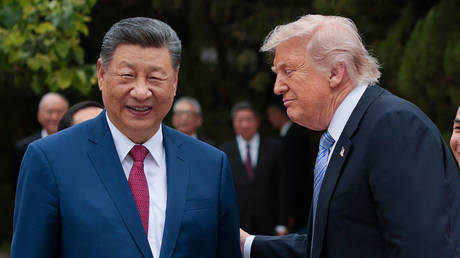
Пью судалгааны төвийн тайланд дурдсанаар, сүүлийн хорь орчим жилийн хугацаанд анх удаа дэлхийн ихэнх улс оронд БНХАУ болон дарга Ши Жиньпинийг АНУ болон Дональд Трампаас илүү эерэгээр үнэлэх хандлага ажиглагдаж байна.
Судалгаанд хамрагдсан 36 улс, нутаг дэвсгэрийн 25-д нь БНХАУ-ын нэр хүнд АНУ-аас илүү байгаа нь Ази-Номхон далайн бүс болон Ойрхи Дорнодод илүү тод илэрчээ. Харин АНУ-ын нэр хүнд Польш, Филиппин, Өмнөд Солонгос, Энэтхэг, Япон, Израйл зэрэг ердөө зургаан оронд л Хятадаас дээгүүр байна. Хоёрдугаар сарын 8-наас тавдугаар сарын 13-ны хооронд 42 мянга гаруй хүний дунд явуулсан энэхүү судалгаа нь АНУ-ын Ирантай эхлүүлсэн дайны үетэй давхцсан юм.
Харьцуулж болохуйц мэдээлэл бүхий 20 улсад хийсэн судалгаагаар өдгөө хүн амын 46 хувь нь БНХАУ-ыг эерэгээр харж байгаа бол АНУ-ыг 36 хувь нь дэмжиж байна. Гурван жилийн өмнөх үзүүлэлттэй харьцуулахад энэ нь эсрэгээрээ эргэсэн дүн бөгөөд тухайн үед АНУ-ыг 58 хувь, Хятадыг 32 хувь нь дэмжиж байжээ.
Судалгааны зохиогчдын тайлбарласнаар, АНУ-ын нэр хүнд түүхэн доод түвшиндээ хүрсэн нь тус улсыг энх тайван, тогтвортой байдлыг бэхжүүлэхэд хангалтгүй хувь нэмэр оруулж байна гэсэн ойлголттой холбоотой аж. Ялангуяа Канад, Франц, Герман, Итали зэрэг холбоотнууд нь АНУ-ын худалдааны тариф, НАТО-гийн гишүүн орнууд руу чиглэсэн батлан хамгаалах зардлын шаардлага зэрэг бодлогод шүүмжлэлтэй хандаж байна.
БНХАУ-ын зүгээс энэхүү судалгааны дүнг тус улсын засаглалын амжилт болон хөгжлийн дэвшлийг дэлхий нийтээр хүлээн зөвшөөрч буйн илрэл хэмээн мэдэгдсэн байна. АНУ-ын Цагаан ордон одоогоор энэ талаар ямар нэгэн албан ёсны тайлбар өгөөгүй байна.
Дэлгэрэнгүйг эх сурвалжаас харах
↓Эх сурвалжийг нээх ↓
Beijing and its president, Xi Jinping, are viewed more positively than Washington for the first time in nearly 20 years of tracking public opinion, Pew Research says
China and President Xi Jinping are now viewed more favorably than the US and Donald Trump across most of the world, a new Pew Research Center surveyspanning six continents has found.
Pew says China enjoys a more positive image than the US in 25 of the 36 countries and territories surveyed, including American neighbors Canada and Mexico. The trend is particularly pronounced across the Asia-Pacific and the Middle East.
The US leads in just six nations – Poland, Philippines, South Korea, India, Japan, and Israel – while views are roughly even in five others. The survey, released Wednesday, polled more than 42,000 people from February 8 to May 13, spanning the start of the US-led war on Iran.
Among the 20 countries with comparable data since 2023, 46% now view China favorably against 36% for the US. Three years ago, the figures were reversed, with 58% favoring the US and 32% China.
In 22 countries, respondents also expressed greater confidence in Xi than in Trump, although confidence in both leaders remained generally low. The only category in which the US outperformed China was respect for personal freedoms, although the gap was narrow.
“Some of the views that we see of the US are at or near historic lows,” said Laura Silver, Pew’s associate director and co-author of the report, noting that this is the first time in nearly two decades of the organization’s global polling that China has been viewed more positively than the US. She said China has benefited from being seen as a more “reliable partner,” attributing the shift to improving perceptions of the country following its post-pandemic recovery. She noted, however, that views of the US fell after Trump launched the war on Iran.
“There was just an actual relationship between the outbreak of the war and the sense that the US is just not contributing to peace and stability and that people have less confidence in Donald Trump,” she said.

Some of Washington’s closest allies recorded the sharpest shifts. In Canada, favorable views of the US fell from 57% in 2023 to 33%, while favorable views of China rose from 14% to 44%. The decline followed Trump’s tariffs on Canadian goods and his repeated suggestions that Canada should become America’s “51st state,” remarks widely criticized in Ottawa.
Major European countries, including France, Germany, Italy and Spain, also saw shifts toward China. The change follows deteriorating ties with Washington during Trump’s second term, marked by tariff disputes, pressure on NATO allies over defense spending, criticism of Europe’s refusal to back the US war on Iran, and repeated calls for Denmark to sell Greenland to the US.
Pew also found that views across Latin America now slightly favor China over the US. The shift comes after Trump effectively took over Venezuela, threatened military action against Mexico, Colombia and Cuba, and ordered the Pentagon to target vessels in the Caribbean under the guise of anti-drug operations.
Commenting on the findings, the Chinese Embassy in Washington told The Guardian that they “demonstrate that China’s governance achievements and development progress are widely recognized.” The White House did not immediately comment.

