Хотууд автомашингүй гудамж, явган хүний бүсийг нэмэгдүүлснээр агаарын бохирдол, дуу чимээг бууруулж, иргэдийн аюулгүй байдлыг хангах чухал ач холбогдолтой байна.
Дэлхийн олон хотод зуны улиралд автомашингүй өдрүүдийг зохион байгуулж, гудамжийг түр хугацаагаар явган зорчигчдын бүс болгох нь түгээмэл болжээ. Хойд Америкийн хотууд, тухайлбал Ванкувер хот FIFA World Cup тэмцээний үеэр Гранвил гудамжийг явган зорчигчдод зориулсан бүс болгосон бөгөөд үүнийг есдүгээр сар хүртэл үргэлжлүүлэхээр төлөвлөж байна. Европын хотуудад долоон арван жилийн өмнөөс хэрэгжүүлж эхэлсэн энэхүү туршлага нь орон нутгийн бизнесүүдийг дэмжиж, нийтийн эзэмшлийн талбайг иргэдэд эргүүлэн өгөх үр дүнтэй арга хэрэгсэл болох нь батлагджээ.
Карлтон их сургуулийн судлаачдын Оттава хотын Queen Elizabeth Driveway (QED) зам дээр хийсэн судалгаагаар автомашингүй үед агаарын бохирдол 70 хувиар, дуу чимээ 50 хувиар буурдаг болохыг тогтоожээ. Мөн Нью-Йорк хотын Highline төслийн жишээгээр агаарын бохирдол болон дуу чимээний түвшин 40 орчим хувиар бага байдаг нь тогтоогдсон. Цахилгаан автомашинууд дуу чимээ болон дугуйн тоосонцрын ялгаруулалтыг бүрэн шийдвэрлэж чадахгүй тул явган зорчигчдын бүсийг нэмэгдүүлэх нь нийгмийн эрүүл мэндийн хувьд илүү үр дүнтэй шийдэл юм.
Автомашингүй гудамж нь зам тээврийн ослын эрсдэлийг үгүй хийж, явган алхах болон дугуйгаар зорчих соёлыг дэмждэг. 2023 онд дэлхий даяар бүртгэгдсэн замын хөдөлгөөний 1.2 сая нас баралтын дөрөвний нэг нь явган зорчигч болон дугуйчид байсан нь энэ асуудлын ноцтой байдлыг харуулж байна. Иймд хот төлөвлөлтийн хүрээнд автомашинд суурилсан дэд бүтцийг явган зорчигчдод ээлтэй болгон өөрчлөх нь хотын ирээдүйн хөгжил болон иргэдийн эрүүл мэндэд нэн чухал алхам юм.
Дэлгэрэнгүйг эх сурвалжаас харах
↓Эх сурвалжийг нээх ↓
Every summer, cities around the world host car-free days and temporarily pedestrianize streets. Following their success elsewhere in the world, temporary pedestrianized streets are becoming more common in North America, such as for large sporting events, cultural festivals and farmers’ markets.
This year, as part of the FIFA World Cup, some cities in North America created pedestrianized fan zones for spectators and visitors. In Vancouver, the city pedestrianized a large stretch of Granville St. in the downtown core.
Doing so can help support local businesses, give public spaces back to people and retrieve them from cars. The City of Vancouver recently announced that Granville St. will remain pedestrianized until at least September.
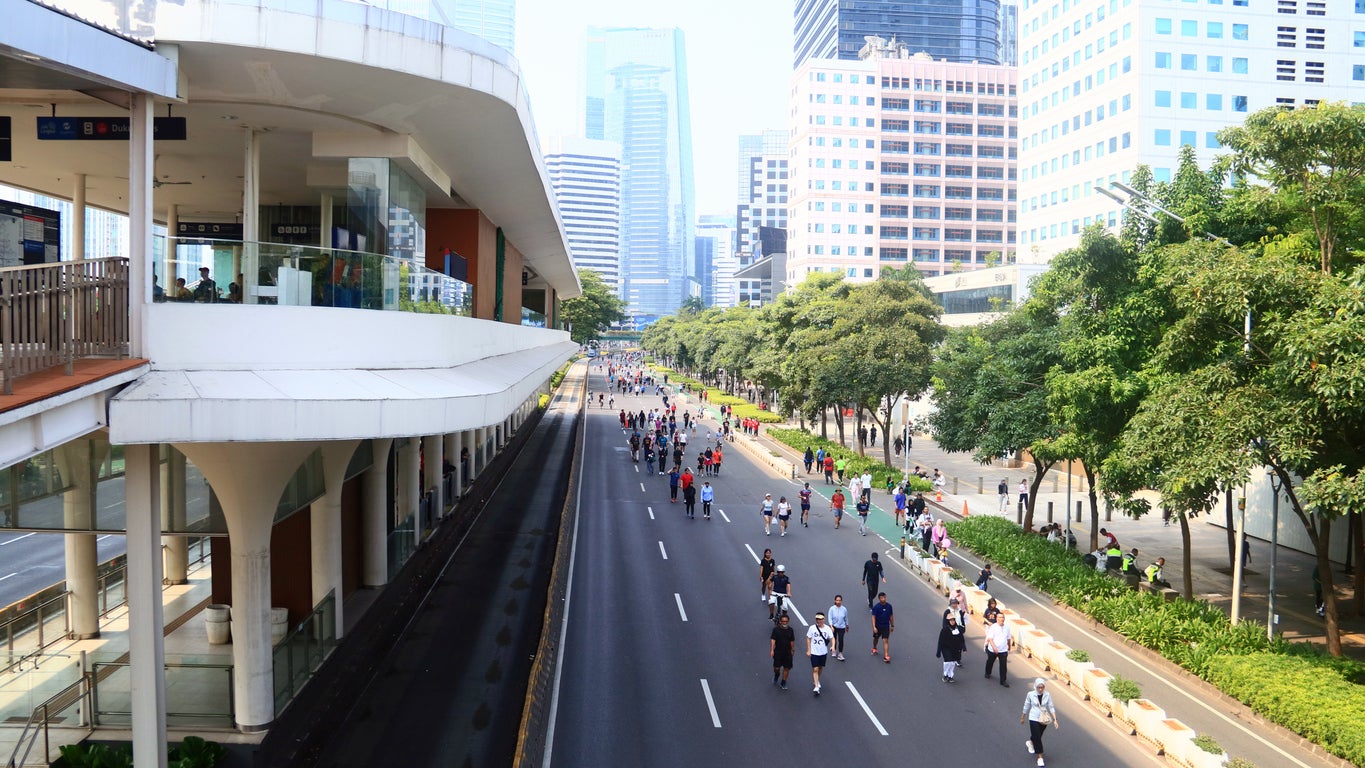
Pedestrianized streets emerged in Europe more than seven decades ago. The two most notable precedents are Lijnbaan in Rotterdam and Strøget in Copenhagen. Despite apprehension from some business owners and a minority of drivers, many success stories have put those concerns to rest while often exceeding expectations.
These streets have proven to be major draws for pedestrians and cyclists, yielding increased economic activity without needing to inefficiently devote public spaces to private vehicles. Critics often worry that pedestrianization simply shifts traffic elsewhere. While the effects depend on local design, many cities have found that some trips disappear altogether as people switch routes, travel modes or destinations.
Pedestrianized streets are often evaluated economically, but their health benefits receive far less attention. Our recent study at Carleton University measured air and noise pollution experienced by people walking and cycling along Ottawa’s Queen Elizabeth Driveway (QED), with and without the presence of vehicles.
What we found
The QED is part of the National Capital Commission’s Bikedays program, which temporarily provides long stretches of its scenic roads to people on foot and bike. The program dates back to 1970, making it a pioneer.
However, despite extended hours during the COVID-19 era when downtown residents otherwise lacked recreational space and the adjacent pathways were overcrowded, the hours have since become restricted to daylight hours on weekends.
The QED presents a particularly enticing research opportunity because the roadway is exclusively open to pedestrians and cyclists on certain weekend hours in the summer. Accordingly, a near-perfect natural experiment allows the impact of vehicles to be measured.
We measured particulate matter and ultrafine particles (both of which are produced by cars and have numerous health consequences) and noise at 12 measurement stations along the roadway.
Traffic noise is not just the most annoying source of noise in cities; it’s affecting long-term health. Measurements along the QED from a combination of weekdays and weekends and at three times per day showed that air pollution was typically about 70 per cent higher when cars are present, while perceptible noise was about 50 per cent higher.
The presence of this noise may make the difference between being able to have a comfortable conversation and having to shout and strain to listen. Similar results were found in other studies, such as New York City’s Highline, which is an above-ground railway that has been converted to a pedestrian pathway.
Researchers found noise and air pollution were almost 40 per cent lower on the Highline relative to the street level. The impact of pollution and noise is particularly acute for stationary road users, such as diners at patios, who cannot easily move out of harm’s way.
The future of pedestrianization
Some might think that new technologies like electric vehicles will absolve vehicles of noise pollution. However, EV noise can approach the level of gas-powered vehicles — especially above about 50 kilometres an hour — due to tire noise, air turbulence and horns. And while EVs eliminate tailpipe emissions, their heavier weight results in greater tire-related particulate emissions.
The health and safety benefits of pedestrianized streets extend well beyond air pollution and noise. Without vehicles, collisions with people are virtually eliminated.
In 2023, one-quarter of the 1.2 million global road traffic deaths were pedestrians and cyclists who died after being hit by drivers. Not only are those deaths tragic, but the perceived risks prevent people from taking up cycling.
Liam O’Brien is a Professor in Building Engineering, Carleton University. This article was first published by The Conversation and is republished under a Creative Commons licence. Read the original article.
There are numerous physical and mental health benefits to walking and cycling. Ensuring that our cities have ample, pleasant and safe spaces to do so, particularly with access to amenities, would be a critical step forward for public health.
As YouTuber Jason Slaughter of the channel Not Just Bikes once said: “Cities aren’t loud; cars are loud.”
While the implementation details of pedestrianization are important, uncertainty should not be feared. Pedestrianized streets benefit people, businesses and the planet. It’s time to rethink our cities, especially the most car-centric ones.
This article was co-authored by Kabir Patel, an undergraduate student at Carleton University’s Department of Civil and Environmental Engineering.