
Дэлхийн эрүүл мэндийн байгууллагаас Европ тивд хэт халалтын улмаас хүний амь нас эрсдэх аюултай долоо хоногууд үргэлжилж болзошгүйг анхаарууллаа.
Европ даяар нүүрлэсэн хэт халалт нь ургамлын бүрхэвчийг хатааж, улмаар Испанийн зүүн хойд хэсэгт томоохон хэмжээний түймэр дэгдээд байна. Арагоны бүс нутагт гарсан түймрийг унтраахаар 300 гаруй цэргийн алба хаагч болон нисдэг тэрэгнүүдийг дайчлан ажиллаж байгаа бөгөөд түймрийн талбай 12,000 га-д хүрчээ. Испанийн цаг уурын агентлаг ирэх долоо хоногт Андалусия болон Ла Манча бүс нутагт агаарын температур 42-44 хэм хүрэх төлөвтэй байгааг анхааруулж, түймрийн эрсдэл өндөр хэвээр байгааг мэдээлэв.
Франц болон Германд хэт халалтын дараа хүчтэй аадар бороо, аянга цахилгаантай “супер эсийн” шуурга дэгдэж, улмаар унасан мод болон аянгад цохиулсны улмаас хүний амь нас хохирсон тохиолдол гарлаа. Германы Мюриц үндэсний хүрээлэнгийн нутаг дэвсгэрт дэгдсэн түймрийг унтраахад хуучин цэргийн сургалтын талбайд үлдсэн тэсэрч дэлбэрэх бодисууд саад болж байна. Мөн хэт халалтаас үүдэн гол мөрний усны түвшин багассан нь Францын эрчим хүчний салбарт сөрөг нөлөө үзүүлж, усан замын тээврийн зардлыг нэмэгдүүлжээ.
Дэлхийн эрүүл мэндийн байгууллагын бүсийн захирал Ханс Анри П.Клюге засгийн газруудыг хэт халалтыг зөвхөн цаг агаарын үзэгдэл гэж үзэх бус, эрүүл мэндийн онцгой нөхцөл байдал хэмээн авч үзэхийг уриалав. Зөвхөн зургаадугаар сарын сүүлчээр тохиосон хэт халалтын улмаас Европ болон Британид олон мянган хүн нас барсан нь тогтоогдсон бөгөөд зуны улирал дуусаагүй байгаа тул хохирлын хэмжээ нэмэгдэх эрсдэлтэй байна.
Дэлгэрэнгүйг эх сурвалжаас харах
↓Эх сурвалжийг нээх ↓
Fires continue to rage across Europe this week and deadly storms battered other areas as experts warned of ‘deadly weeks ahead’ during high temperatures.
The recent heatwaves left vegetation tinder-dry and firefighters on Friday were struggling to battle a wildfire in northeastern Spain that has ripped through an area the size of San Francisco, forcing the evacuation of more than 1,000 people.
In France a ‘supercell’ thunderstorm brought strong winds and giants hailstorms.
Successive early summer heatwaves, which many scientists blame on climate change, have pushed temperatures to unprecedented levels in large swathes of the continent, causing water shortages, crop damage, wildfires, and thousands more deaths than normal.
cookie.trim() === ‘__DEBUG__=true’)) { console.log(‘Ad logs: “mpu1”, injectedAtParagraph: 3’); }]]>
According to the Reuters Climate Monitor, the average high across Western Europe on Friday was forecast to be 27.5 degrees Celsius (81.5 degrees Fahrenheit), which is 4.2 C above the normal high for July 17 from 1961-1990.
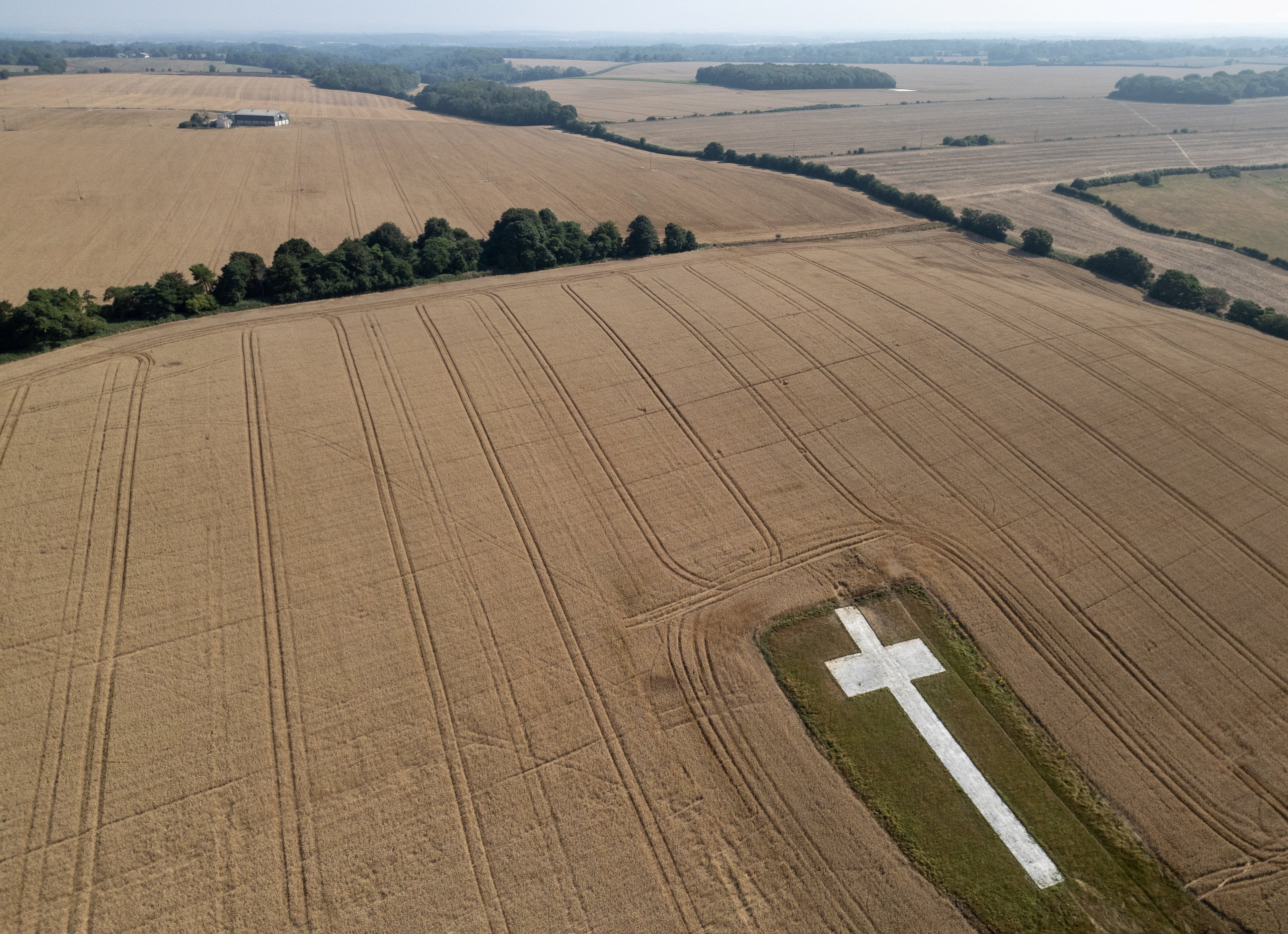
In France, a drought has worsened day after day since the end of May, even as the latest heatwave continued to recede, with high temperatures expected to be mostly confined to the southeast by the weekend, according to MeteoFrance. A gas-fired power plant in southern France was at risk of going offline as high temperatures in the Mediterranean Sea limited access to cooling water, piling further pressure on an energy system already facing reduced nuclear output due to warmer river waters.
In Germany, shallow water on the key Rhine River has hindered shipping, leading to rising transport costs, though rain has helped bump up levels, with more expected in the coming days.
More deaths to come
Last week, the World Health Organization warned that Europe could face “more deadly weeks ahead” from new heatwaves forming over the Atlantic. Scientists monitoring so-called excess deaths said there were thousands more fatalities recorded than normal during a heatwave that swept through Europe and Britain at the end of June.
cookie.trim() === ‘__DEBUG__=true’)) { console.log(‘Ad logs: “taboola-carousel-thumbnails”, injectedAtParagraph: 7’); }]]>
“Nearly 10,000 excess deaths, and the summer is not yet over,” said Dr Hans Henri P. Kluge, WHO Regional Director for Europe, criticising governments for “still treating heat as a weather event rather than a health emergency”, despite existing tools and WHO guidance to prevent most of these deaths.
Storms in France
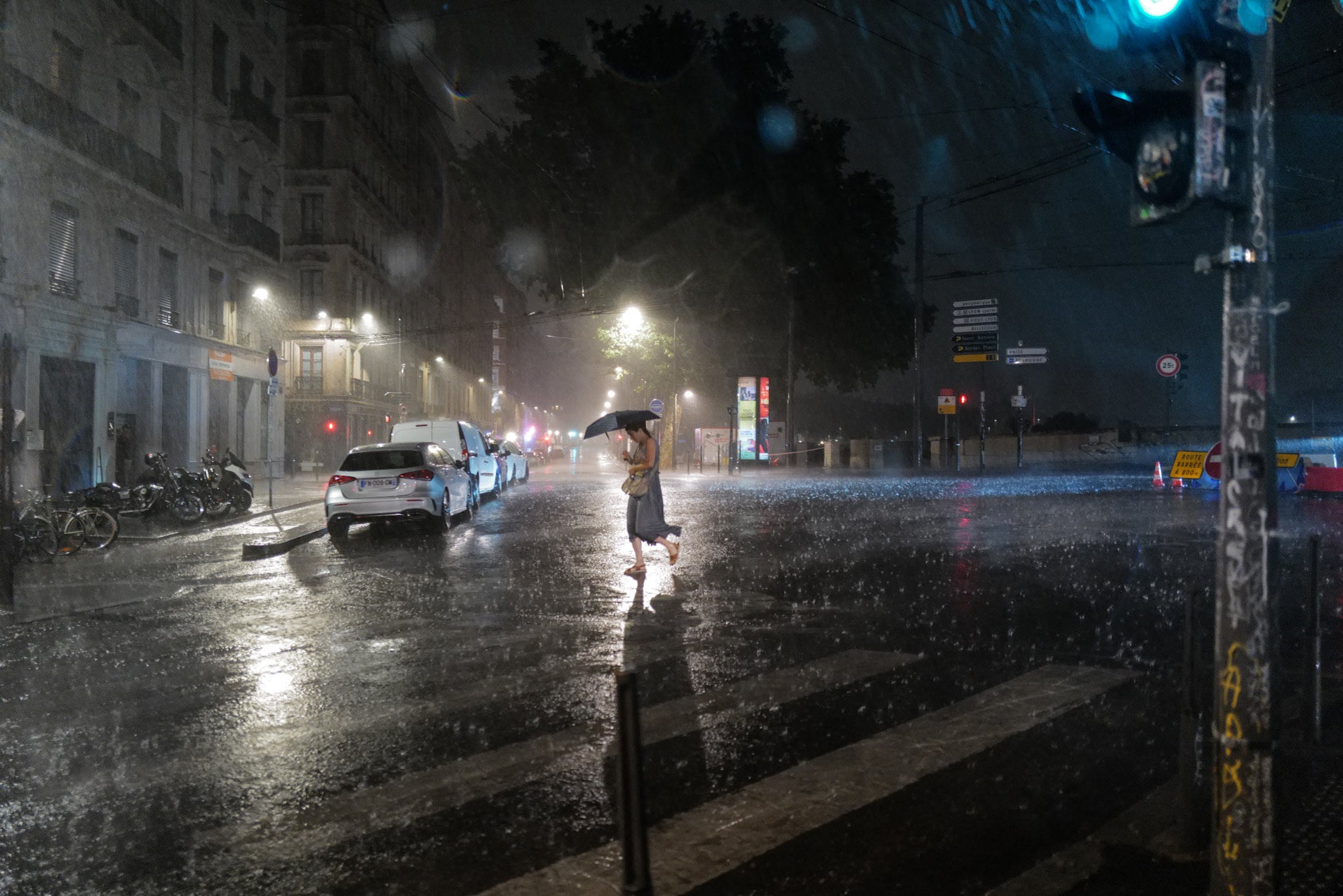
As the heat receded, giving way to violent storms in some places, two people died in central and eastern France and one in Germany’s southern state of Baden-Wuerttemberg as a result of falling trees or a lightning strike.
cookie.trim() === ‘__DEBUG__=true’)) { console.log(‘Ad logs: “mpu2”, injectedAtParagraph: 9’); }]]>
A “supercell” thunderstorm brought strong winds and hailstones measuring up to 5 cm (2 inches), with drivers seeking shelter under a motorway bridge outside Stuttgart due to the hail. Residents in the state were told to continue to expect severe weather on Friday.
In northeast Germany, firefighters were hoping for rain to help quell a wildfire at the Mueritz National Park that has been burning for nearly a week, their efforts hindered by unexploded ammunition at a former military training facility.
Fires in Spain
Spain’s weather agency AEMET warned temperatures would start rising again on Saturday, with highs potentially reaching 42-44 C in parts of the Andalusia and La Mancha regions next week. Forecasters also warned of an extreme wildfire risk as hot, dry air from North Africa advances across much of the country.
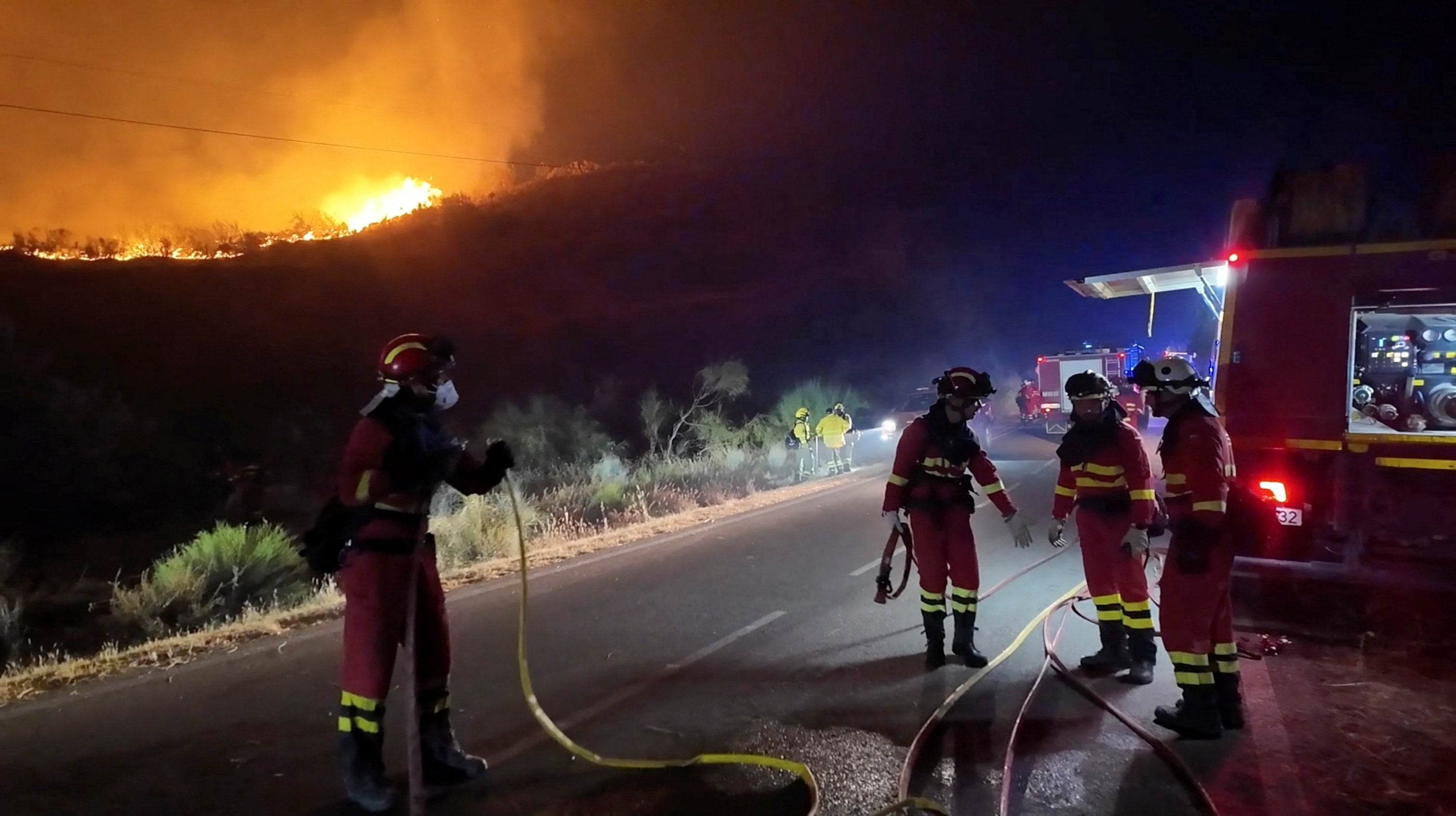
The wildfire near Ores in the northeastern region of Aragon expanded overnight to more than 12,000 hectares (46.33 square miles), with 300 military emergency responders deployed to contain the fire and helicopters operating in continuous rotations, at times with up to five aircraft loading water simultaneously.
cookie.trim() === ‘__DEBUG__=true’)) { console.log(‘Ad logs: “mpu3”, injectedAtParagraph: 13’); }]]>
Firefighters were also tackling wildfires near Madrid and in Guadalajara province, where around 1,500 hectares have burned and a summer camp was evacuated as a precaution. A week ago, one of Spain’s deadliest wildfires on record killed at least 13 people, mostly foreigners, in the southern province of Almeria.

