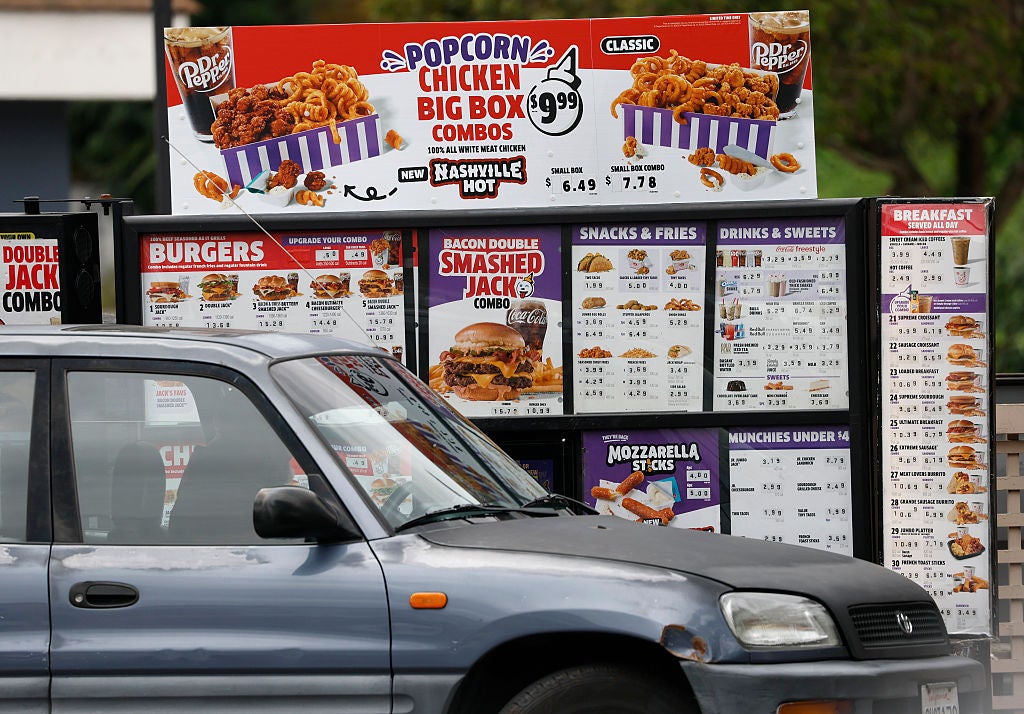
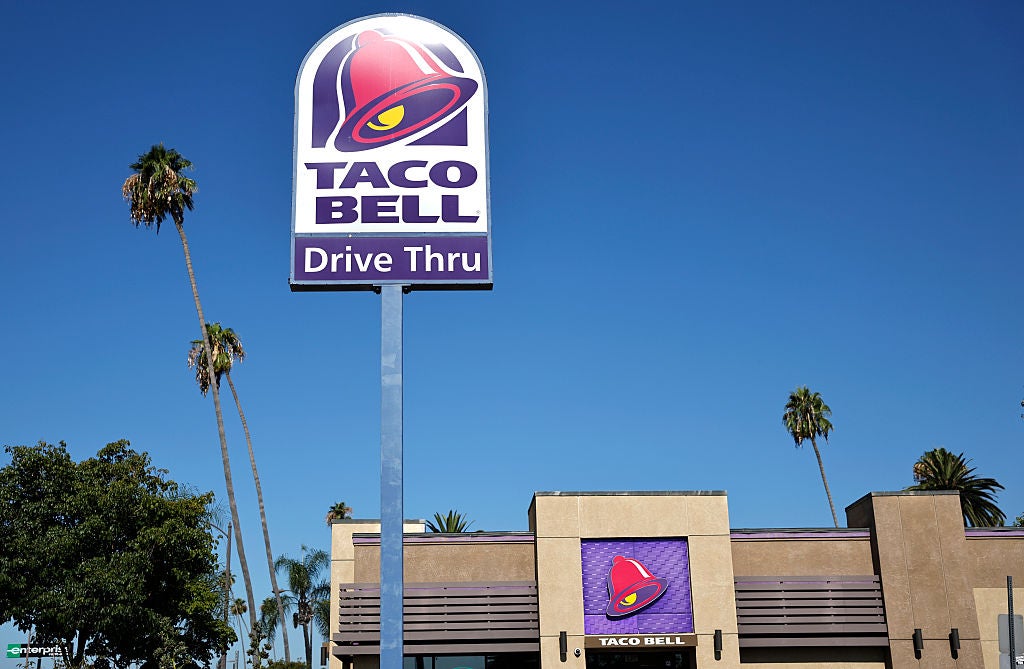
АНУ-ын томоохон түргэн хоолны сүлжээнд гарсан халдварын улмаас эрүүл мэндийн байгууллагууд шалгалт эхлүүлж, сэжигтэй хүнсний бүтээгдэхүүнийг татан авч байна.
АНУ-ын таван мужийн Taco Bell түргэн хоолны газруудад үйлчлүүлсэн хүмүүс суулгалт үүсгэдэг шимэгч хорхойгоор өвчилсөн тохиолдол гарчээ. АНУ-ын Хүнс, эмийн удирдах газар (FDA)-ын мөрдөн шалгалтаар уг халдвар нь Мексикээс нийлүүлэгдсэн шанцайны ургамалтай холбоотой болохыг тогтоосон байна. Taco Bell компани уг бүтээгдэхүүнийг нийлүүлэлтийн сүлжээнээсээ даруй хасаж, урьдчилан сэргийлэх арга хэмжээ авчээ. Хэдийгээр албаныхан нийлүүлэгчийн нэрийг албан ёсоор зарлаагүй ч уг бүтээгдэхүүнийг Калифорни мужийн Салинас хотод байрладаг Taylor Farms компани нийлүүлсэн гэх мэдээлэл байна.
Энэхүү үйл явдал нь АНУ-ын хүнсний томоохон сүлжээнүүдийн аюулгүй байдлын асуудлыг дахин хөндөж байна. Өмнө нь 2024 онд McDonald’s сүлжээнд гарсан E. coli бактерийн халдвар нь мөн л Taylor Farms-аас нийлүүлсэн сонгинотой холбоотой байсан бөгөөд уг хэрэгт 104 хүн өртөж, нэг хүн нас барсан харамсалтай тохиолдол гарч байв. Түүнчлэн 2022 онд Wendy’s сүлжээний шанцайны ургамлаас E. coli илэрсэн нь хүнсний аюулгүй байдлын хяналтыг чангатгах шаардлагатай байгааг харуулсан юм.
Хүнсний аюулгүй байдалтай холбоотой хамгийн томоохон дуулиануудын нэг нь 2015 оны Chipotle сүлжээний E. coli-ийн халдвар байв. Тус компани 2015-2018 оны хооронд 1,100 гаруй хүнийг хордуулсан хэргийн улмаас 2020 онд 25 сая ам.долларын торгууль төлсөн нь салбартаа рекорд тогтоосон үйл явдал болсон юм. Мөн 1992-1993 онд Jack in the Box сүлжээнд гарсан E. coli-ийн халдварын улмаас дөрвөн хүн амиа алдсаны дараа АНУ-ын хүнсний үйлдвэрлэлийн салбарт “Аюулын дүн шинжилгээ ба эгзэгтэй хяналтын цэг” (HACCP) системийг нэвтрүүлж, зохицуулалтын тогтолцоог бүрмөсөн өөрчилсөн түүхтэй.
Дэлгэрэнгүйг эх сурвалжаас харах
↓Эх сурвалжийг нээх ↓
A widespread cyclospora outbreak, linked to iceberg lettuce served at Taco Bell locations across five states, has prompted federal health officials to identify a single supplier as the source of the contamination. The diarrhea-causing parasite sickened customers, reigniting concerns about food safety within large U.S. restaurant chains.
The U.S. Food and Drug Administration’s investigation pinpointed the suspect lettuce as originating from Mexico. Taco Bell responded Thursday, stating that “the affected ingredient from our supplier is being indefinitely removed from our supply chain nationwide and will be replaced within 24 hours in select states.” The company described this as a precautionary measure.
While federal officials have not publicly named the supplier, an individual briefed on the investigation identified the company as Taylor Farms. The Salinas, California-based firm produces fresh vegetables for commercial use, meal kits, and bagged lettuce products for supermarkets.
Health authorities stressed that the ongoing investigation could yet identify other “brands, restaurants, retailers, or distribution channels” involved.
Here’s a brief history of some other recent outbreaks that roiled restaurant companies and sometimes changed how food safety is regulated in the U.S.
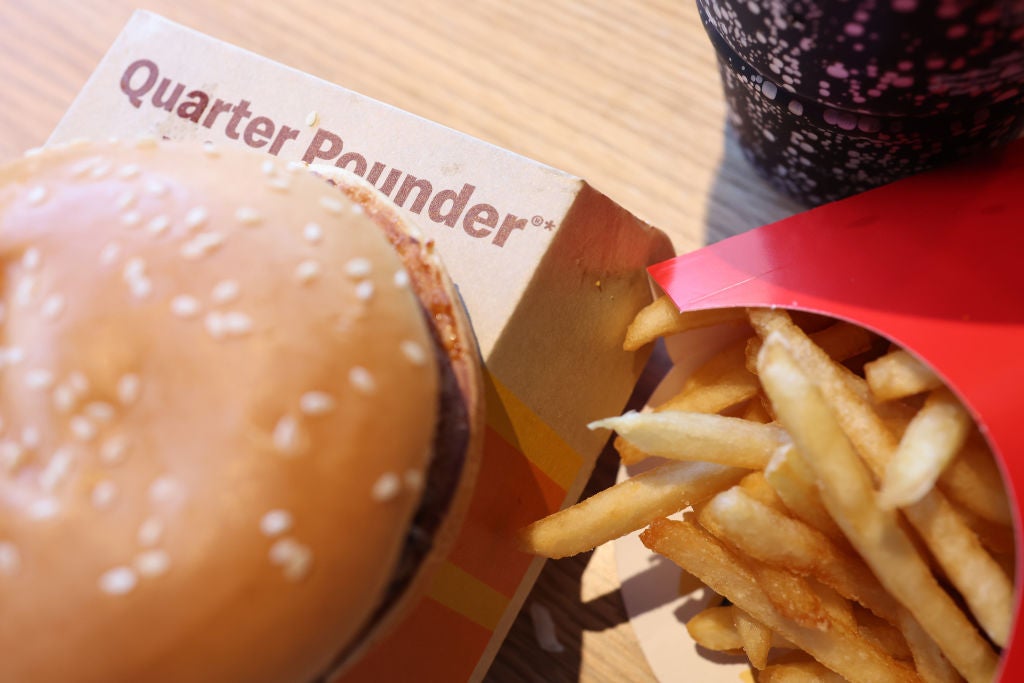
Taylor Farms provided onions implicated in an outbreak linked to McDonald’s hamburgers
E. coli bacteria caused a 2024 food poisoning outbreak tied to raw onions on McDonald’s Quarter Pounder hamburgers. The outbreak sickened at least 104 people in 14 states, including 34 who were hospitalized, according to the FDA. One person in Colorado died.
McDonald’s said the onions came from Taylor Farms and temporarily pulled the Quarter Pounder off its menu in the affected states. Other national restaurant chains temporarily stopped using fresh onions in some of their locations.
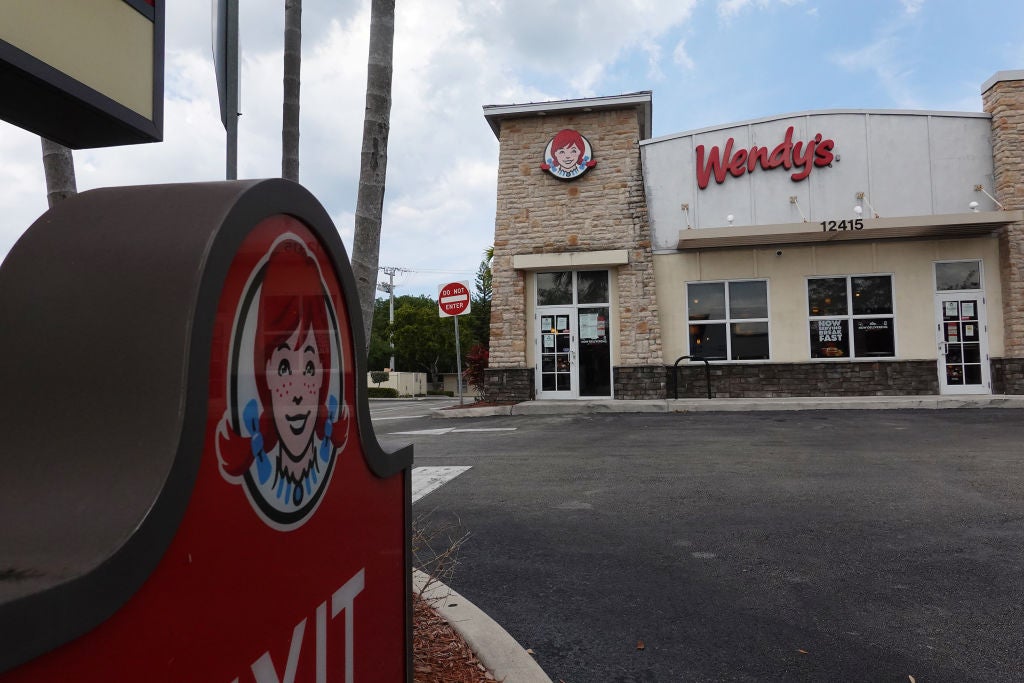
Likely E. coli contamination gets lettuce pulled from Wendy’s sandwiches
Wendy’s pulled lettuce from sandwiches in its restaurants in Michigan, Ohio and Pennsylvania in August 2022 after some people reported falling ill.
The Centers for Disease Control and Prevention said at the time that it was trying to determine whether romaine lettuce was the source of an E. coli outbreak that sickened at least 37 people and whether romaine used at Wendy’s was also served or sold at other businesses.
One person was also sickened in Indiana, according to the CDC.
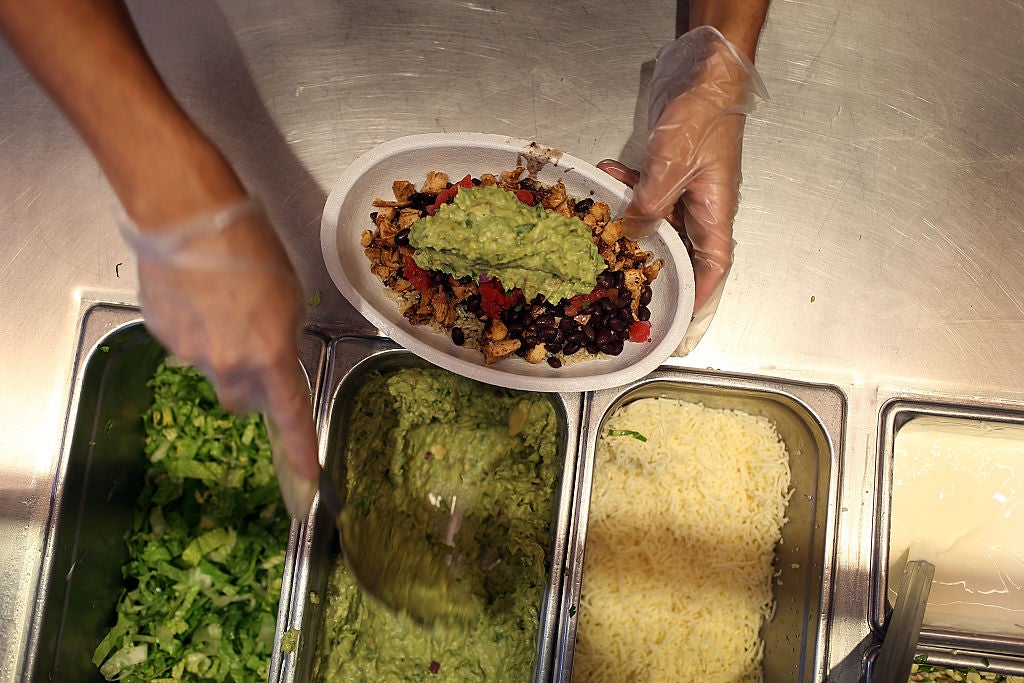
Extensive E. coli outbreak at Chipotle leads to criminal charges
In 2015, Chipotle was hit by an E. coli outbreak that sickened more than 50 people and it temporarily shut down dozens of restaurants on the West Coast, but that was just the beginning. A month later, 30 Boston College students, including at least eight members of the men’s basketball team, complained of gastrointestinal symptoms after eating at a Chipotle restaurant.
Federal officials declared the outbreak over by February 2016, but the chain shut down every one of its restaurants to retrain employees and allow them to regroup.
By the end of the year, however, Chipotle Co-CEO Montgomery Moran stepped down as sales plunged.
In 2020 Chipotle Mexican Grille agreed to pay a record $25 million fine to resolve criminal charges that it served tainted food that sickened more than 1,100 people in the U.S. between 2015 and 2018.
The company admitted that poor safety practices, such as not keeping food at proper temperatures to prevent pathogen growth, sickened customers in Los Angeles and nearby Simi Valley, as well as Boston, Sterling, Virginia, and Powell, Ohio.
Taco Bell removes green onions nationwide after an E. coli outbreak sickens dozens
In December 2006, Taco Bell ordered the removal of green onions from its 5,800 restaurants nationwide after samples taken by investigators appeared to contain a harsh strain of E. coli. The outbreak sickened at least 71 people in New Jersey, New York, Pennsylvania and Delaware, with most of them hospitalized, according to the CDC.
Eight people developed a type of kidney failure called hemolytic-uremic syndrome.
Eventually, it was determined that contaminated lettuce was the probable cause, with the vegetable used in numerous dishes on the menu.
Almost immediately, Taco Bell launched a newspaper ad blitz and sent its president on a string of media interviews to assure customers that its food was safe.
Deadly outbreak traced to Jack in the Box hamburgers leads to regulatory changes
Four deaths and more than 700 illnesses in Washington, Idaho, California, and Nevada between 1992 and 1993 eventually were traced to undercooked Jack in the Box restaurant hamburgers contaminated with E. coli.
The ensuing investigation by federal regulators changed regulatory practices in the U.S., experts say.
An investigation by the CDC identified five slaughter plants in the U.S. and one in Canada as the likely sources of animals used in the contaminated lots of meat and identified potential control points for reducing the likelihood of contamination. The animals slaughtered in domestic slaughter plants were traced to farms and auctions in six western states. No one slaughter plant or farm was identified as the source.
The U.S. Department of Agriculture mandated a Hazard Analysis and Critical Control Point system, which helps identify and control hazards within the system of food production. The system provided for more monitoring and controls to rapidly limit the spread of outbreaks.
Jack in the Box lost more than $44 million in 1993 and did not post another annual profit for another three years.