АНУ-ын Холбооны авто замын захиргааны мэдээллээр жилд дунджаар 14,000 миль туулдаг жолооч нарт зориулан Tesla Model Y, Toyota Prius болон Toyota Corolla загваруудын жилийн ашиглалтын зардлыг Калифорни болон Флорида мужийн жишээн дээр харьцуулан судалжээ.
Энэхүү судалгаанд автомашины элэгдэл, худалдан авах үнэ, засвар үйлчилгээ болон татварын зардлыг тооцолгүйгээр зөвхөн даатгал болон түлш, эрчим хүчний зардлыг авч үзсэн байна. Флорида мужид даатгалын хураамж өндөр байдаг бол Калифорнид цахилгаан автомашины засвар үйлчилгээний зардал илүү өндөр байгаа нь эцсийн дүн гаргахад нөлөөлжээ.
Судалгааны үр дүнгээс үзэхэд, Toyota Corolla загварын жилийн нийт зардал Калифорнид 4,180 ам.доллар, Флоридад 4,700 ам.доллар байна. Харин Toyota Prius загвар Калифорнид 3,500 ам.доллар, Флоридад 4,700 ам.долларын зардалтай байгаа бол Tesla Model Y загвар Калифорнид 4,900 ам.доллар, Флоридад 4,250 ам.доллар тус тус эзэлж байна.
Цахилгаан автомашин нь шатахууны зардлын хувьд харьцангуй хэмнэлттэй боловч даатгал болон бүс нутгийн онцлогоос хамааран ашиглалтын нийт зардал нь уламжлалт хөдөлгүүртэй автомашинаас ямагт бага байдаггүйг энэхүү тооцоолол харуулж байна. Иймд цахилгаан автомашины эдийн засгийн үр өгөөж нь олон хүчин зүйлээс хамаардаг болох нь тогтоогджээ.
Дэлгэрэнгүйг эх сурвалжаас харах
↓Эх сурвалжийг нээх ↓
We did the math and compared a plug-in hybrid, an electric car, and an internal combustion car over 14,000 miles.
That’s not a random number, by the way.
We chose that number because the average American drives around 14,000 miles every year.
The result wasn’t what we expected.
Here’s the method we used to compare a hybrid, an electric car, and a gas car
The first thing we ignored completely was depreciation.
It’s too theoretical and there are too many variables, and for the same reason we didn’t factor in the MSRP, maintenance costs, and taxes.
In a theoretical scenario where all three cars are new, 14,000 miles isn’t necessarily enough to generate significant maintenance costs.
We also decided to pick two states because otherwise the significant differences in energy and fuel costs would have made the test a bit too generic.
We chose California and Florida for a few reasons.
Both states are large, densely populated, and wealthy.
At the same time, they famously have a completely different approach to electric cars.
Also, Florida has famously high insurance rates, which counterbalances things like taxes that are higher in California.
Lastly, we figured we’d stick to the national average yearly mileage: $14,000 according to the Federal Highway Administration.
Insuring a hybrid in Florida costs a fortune
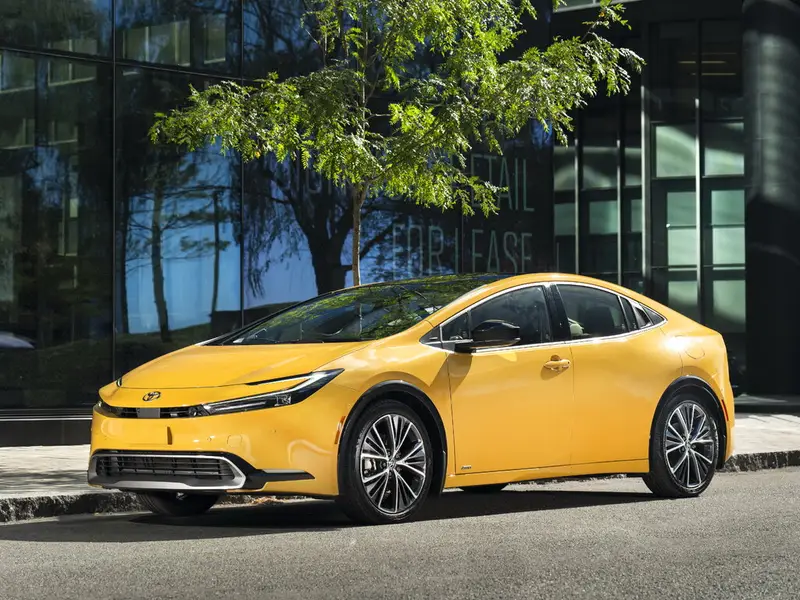
The cars we picked are the Tesla Model Y, Toyota Prius, and Toyota Corolla.
Florida’s high rate of uninsured motorists and extreme weather risks will cost a Toyota Corolla owner $3,000 a year, the Toyota Prius owner $3,420 a year, and a Tesla Model Y buyer $3,650 per year.
California isn’t exactly cheap, but its insurance market is friendlier to traditional cars, with the Corolla costing about $1,800 to insure and the Prius averaging $2,060.
However, California’s exceptionally high EV repair costs and specialized labor rates push the Model Y’s annual premium to $3,600, nearly matching Florida’s inflated pricing.
When it comes to fuel, there’s no comparison
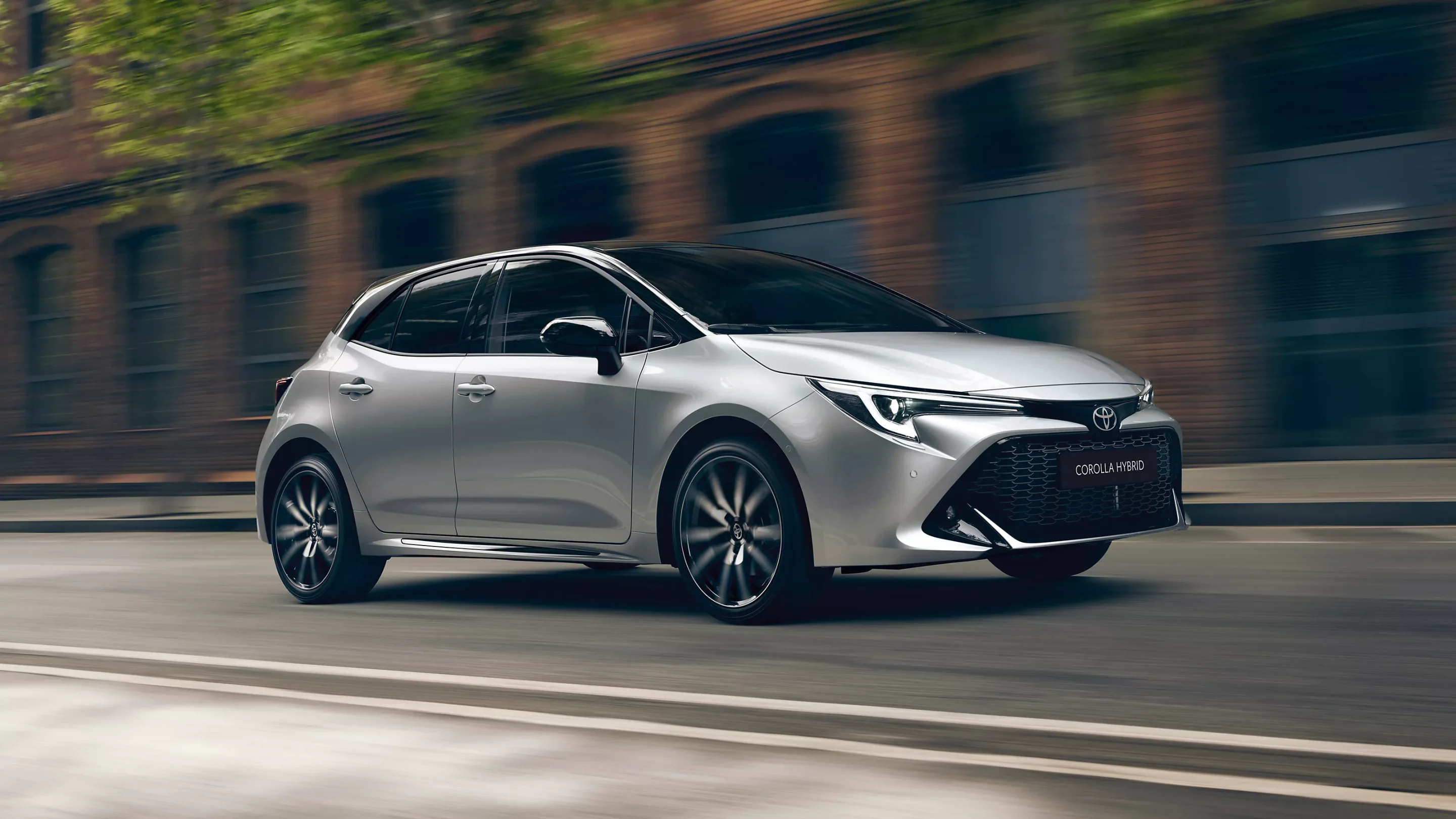
The Corolla will need around 400 gallons of fuel to cover 14,000 miles, which will result in a fuel bill of around $2,380 in California but only $1,750 in Florida.
Upgrading to the more efficient Prius will drop the fuel requirement to 250 gallons, which will cost $1,488 in California and $1,100 in Florida.
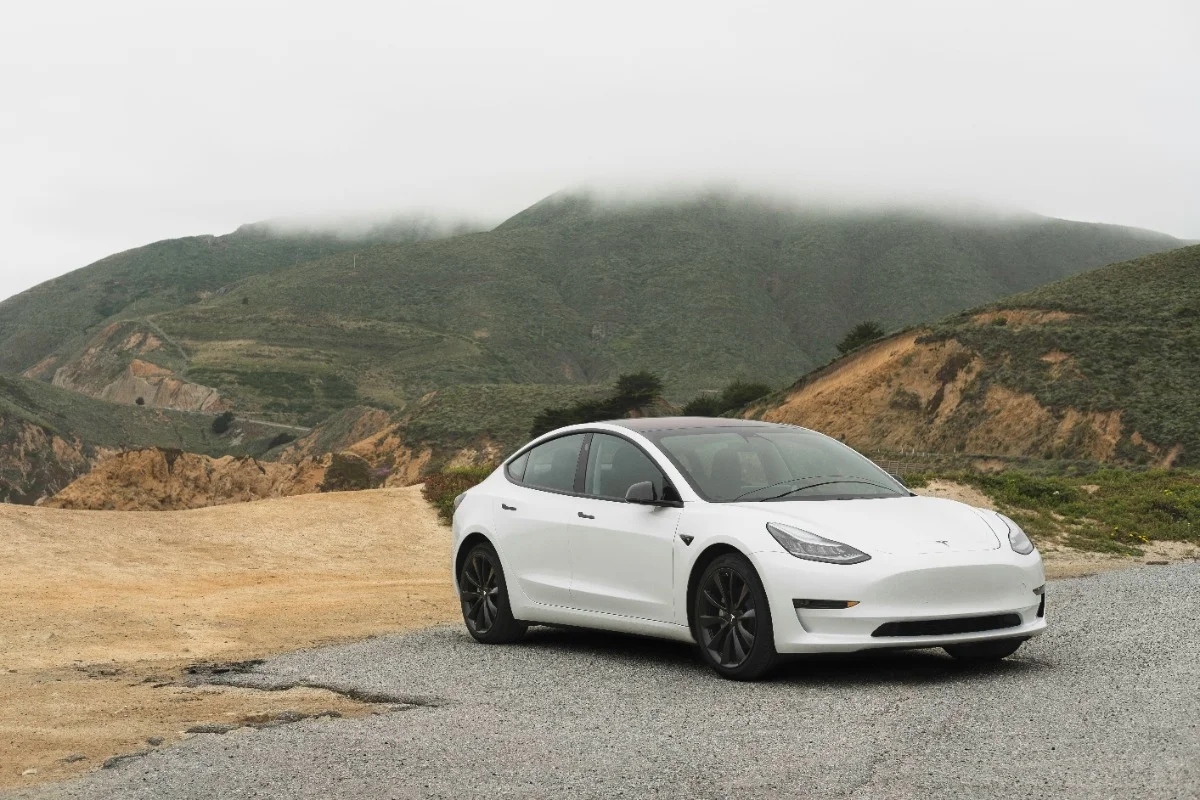
The Model Y will cost $1,380 in California, assuming home-charging is possible, and only $600 in Florida.
Ironically, owning an EV in the most EV-friendly state costs more.
The verdict
The traditional gas Corolla requires a combined $4,180 annually in California and $4,700 in Florida.
The Prius will cost $3,500 in California and $4,700 in Florida.
Lastly, the Model Y costs $4,900 in California and $4,250 in Florida.
Obviously, things would change significantly if we compared other states or countries, but it is also probably further proof of something a lot of people have maintaining for years.
EVs can be cheaper than gas cars, but there a lot of ifs and buts.