АНУ-ын Төлөөлөгчдийн танхим зуны цагийн хуваарийг жилийн турш мөрдөх тухай хуулийн төслийг өнгөрсөн долоо хоногт олонхын саналаар дэмжсэн ч Сенатад эсэргүүцэлтэй тулгарч байна.
“Sunshine Protection Act” нэртэй уг хуулийн төсөл нь цаг солих уламжлалыг халах зорилготой бөгөөд Ерөнхийлөгч Дональд Трампын дэмжлэгийг авчээ. Гэвч Сенатын олонхын бүлгийн дарга Жон Түүн энэ асуудал нь бүс нутгийн байр сууринаас хамааран улс оронд ихээхэн санал зөрөлдөөн үүсгэж байгааг онцлов.
Хуулийн төслийг эсэргүүцэгчид ялангуяа өвлийн улиралд сургуулийн хүүхдүүд харанхуйд хичээлдээ явах эрсдэлтэйг анхааруулж байна. Тухайлбал, Индиана зэрэг мужид нар маш орой мандах тул аюулгүй байдлын асуудал үүснэ хэмээн Сенатын гишүүн Рожер Уикер болгоомжилж байгаагаа илэрхийлжээ.
Мөн уг хуулийн төсөлд муж улсууд өөрийн хүслээр цагийн хуваариа сонгох эрхийг хязгаарласан заалт байгаа нь шүүмжлэл дагуулж байна. Сенат дахь хэлэлцүүлгийн хуваарь шахуу байгаа нь уг асуудлыг шийдвэрлэхэд хүндрэл учруулж байгаа бөгөөд АНУ-ын иргэдийн дунд одоогийн цаг тооллын системийг халах хүсэлт их байгаа ч хууль тогтоох байгууллагын түвшинд нэгдсэн шийдэлд хүрэхэд төвөгтэй байна.
Дэлгэрэнгүйг эх сурвалжаас харах
↓Эх сурвалжийг нээх ↓
Last week, the House overwhelmingly approved a measure to make daylight saving time permanent, the latest push in a long-running campaign to abolish the biannual changing of the clocks.
But despite broad bipartisan support for the “Sunshine Protection Act” — which passed 308 to 117 — and an endorsement from President Donald Trump, the bill’s path to becoming law remains uncertain.
In the Senate, signs of resistance are already surfacing, NOTUS reported.
“Have you ever seen any issue that people are more passionate about and that divides the country more by region than that one?” Senate Majority Leader John Thune told the outlet. “It’s got a lot of opposition.”
Unlike many policy fights in Washington, the divisions here are less partisan than geographic. States on the coasts stand to benefit from extended evening daylight year-round, but parts of the Midwest and Mountain West could face more downsides.
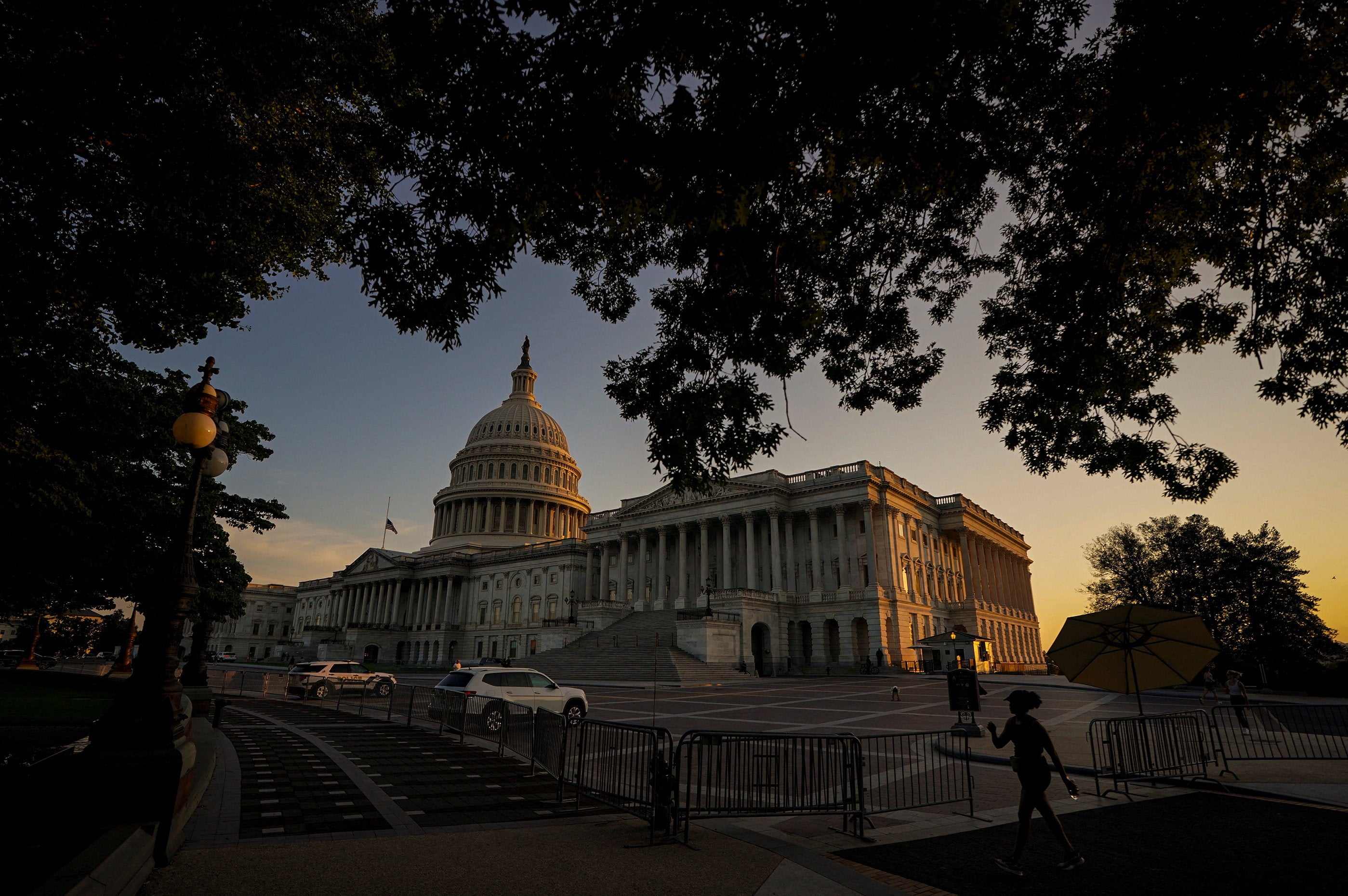
The prospect of children heading to school in darkness has emerged as a central concern. Under year-round daylight saving time, some cities in the Central and Mountain time zones would see winter sunrises pushed into late morning. In South Bend, Indiana, for example, the sun would not rise until after 9 a.m. on certain days — well after many students have already left for school.
“In Minnesota, Michigan and the Dakotas, you’re going to have schoolchildren getting mowed over waiting for the school bus in the dark,” Sen. Roger Wicker, a Mississippi Republican, told NOTUS. “I’m surprised the House passed it by such an overwhelming majority.”
Sen. Tom Cotton, an Arkansas Republican, is spearheading the opposition. He made plain that he would oppose any effort to pass the House bill by a procedural shortcut known as unanimous consent.
The Sunshine Protection Act also carries a provision that may further dim its prospects: it bars states from opting out of permanent daylight saving time. Under the bill, only states that have already enacted laws to stay on permanent standard time — currently just Arizona and Hawaii — would be allowed to do so.
“I just don’t think we want a mandate,” Thune, a South Dakota Republican, told NOTUS.


Complicating matters further, the Senate’s already packed calendar leaves little room to take up the legislation. Before breaking for the August recess, the chamber is slated to tackle a series of high-stakes votes, including on the nomination of acting Attorney General Todd Blanche.
The modern “spring forward, fall back” ritual dates to the Uniform Time Act of 1966, which put the country on a standardized twice‑year system for changing the clocks. Nearly ever since, lawmakers have been trying to kill it.
In the 1970s, Congress briefly made daylight saving time permanent, only to repeal the experiment within a year. More recently, in 2022, a GOP-backed bill to lock in daylight saving time sailed through the Senate by unanimous consent but never cleared the House.
Public opinion has shifted sharply against the status quo. Nearly half of Americans — 47 percent — oppose the current time‑keeping system, while just 12 percent support it, according to an AP‑NORC poll conducted in October.
Trump himself is among the critics.
“The Republican Party will use its best efforts to eliminate Daylight Saving Time, which has a small but strong constituency, but shouldn’t,” he wrote on Truth Social in December 2024. “Daylight Saving Time is inconvenient, and very costly to our Nation.”