
АНУ болон БНХАУ-ын удирдагчдын уулзалтын үр дүнд хиймэл оюун ухааны салбарт үүсэж буй эрсдэл, зохицуулалтын асуудлаар есдүгээр сард дээд түвшний хэлэлцээ хийхээр тохиролцжээ.
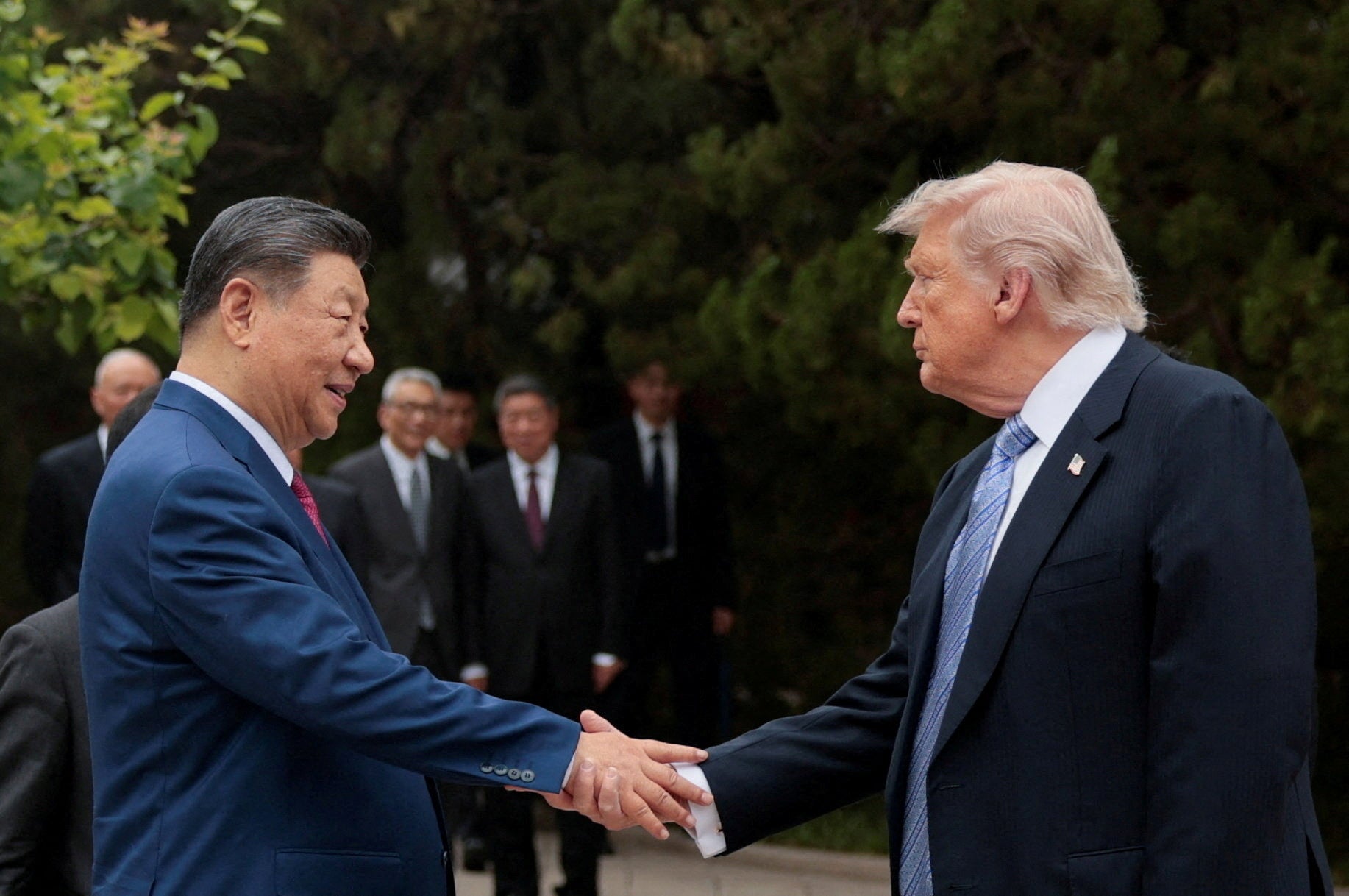
АНУ-ын Ерөнхийлөгч Дональд Трамп болон БНХАУ-ын дарга Ши Жиньпин нарын тавдугаар сард хийсэн дээд хэмжээний уулзалтын хүрээнд уг яриа хэлэлцээг зохион байгуулахаар болсон байна. Хэлэлцээг есдүгээр сарын 24-нд товлогдсон БНХАУ-ын дарга Ши Жиньпиний АНУ-д хийх айлчлалаас өмнө багтаан явуулахаар төлөвлөж байгаа ч яг тодорхой хугацааг хараахан эцэслээгүй байна. АНУ-ын талыг Сангийн сайд Скотт Бессент ахлах бөгөөд энэ нь Ерөнхийлөгч Дональд Трампын засаг захиргааны үед хийгдэж буй хиймэл оюун ухааны асуудлаарх анхны албан ёсны яриа хэлэлцээ болох юм.
Хоёр улс дэвшилтэт технологийн хөгжлөөр дэлхийд тэргүүлэх өрсөлдөөнд оролцож байгаа бөгөөд цэргийн хүчин чадлыг нэмэгдүүлэх, кибер халдлага үйлдэх, хөдөлмөрийн зах зээлд сөрөг нөлөө үзүүлэх эрсдэл бүхий хиймэл оюун ухааны загваруудыг хэрхэн зохицуулах нь гол асуудал болоод байна. АНУ-ын зүгээс өөрийн том хэлний загваруудын стандарт, оюуны өмчийн эрхийг хамгаалах асуудлыг чухалчилж байна. Сангийн сайд Скотт Бессент Америкийн технологийн загварууд Хятадын системүүдэд ашиглагдаж буйг хүлээн зөвшөөрөх боломжгүй гэж мэдэгдсэн бол Худалдааны төлөөлөгч Жэймисон Грир өрсөлдөөний ижил тэгш нөхцөлийг бүрдүүлэхэд анхаарч байгаагаа илэрхийлжээ.
Хятадын тал уг хэлэлцээгээр улс төржсөн ярианаас илүүтэй технологийн асуудлаар бодит хамтын ажиллагааг эрэлхийлж байна. Бээжингийн зүгээс Anthropic компанийн Mythos зэрэг дэвшилтэт загваруудын аюулгүй байдал, АНУ-ын ирээдүйн технологийн бодлого болон хиймэл оюун ухааны загваруудад тавьж буй хязгаарлалтын асуудлыг хэлэлцэх сонирхолтой байгаа аж. Шинжээчдийн үзэж буйгаар эхний уулзалтаар талууд “тэргүүний хиймэл оюун ухааны загвар” гэж юуг тодорхойлох зэрэг суурь зарчмууд дээр харилцан ойлголцолд хүрэхийг хичээх төлөвтэй байна.
Дэлгэрэнгүйг эх сурвалжаас харах
↓Эх сурвалжийг нээх ↓
The United States and China are set to hold crucial talks on artificial intelligence in September, as the rival superpowers confront the escalating risks posed by their increasingly powerful frontier models.
The discussions, a significant outcome of the May summit between President Donald Trump and Chinese President Xi Jinping, are expected to take place before President Xi’s planned visit to the U.S. on September 24, according to five individuals familiar with the matter who spoke to Reuters.
However, the exact dates remain unfinalized.
Both Beijing and Washington have expressed growing anxiety over each other’s AI capabilities amid a global race to develop advanced technologies.
The two nations are grappling with how to regulate sophisticated AI models that could enhance military power, facilitate cyberattacks on critical infrastructure, and disrupt labor markets.
Treasury Secretary Scott Bessent is slated to lead the U.S. delegation for the September talks, which Reuters first reported on Tuesday.
While the identities of other participants from both countries, along with the agenda and location, are still under deliberation as preparations are in their initial stages, the discussions mark the first official U.S.-China dialogue on AI under President Trump.
Concerns over intellectual property are high on the U.S. agenda. Secretary Bessent, when asked about the talks on Fox Business Network, did not directly confirm the meeting but highlighted issues with AI model standards.
“We are finding watermarks of our U.S. large language models on many of the Chinese models, and that that’s unacceptable,” he stated. “We’re going to be looking at that in the coming days or weeks.”
U.S. Trade Representative Jamieson Greer echoed these sentiments, telling CNBC, “We’re taking a very close look at how China is propagating its AI development to make sure that our companies compete … on a level playing field.”
The U.S. has already restricted exports of some advanced AI chips to China but has refrained from blacklisting certain Chinese AI companies, including DeepSeek and CXMT, to avoid escalating tensions.
Meanwhile, Chinese authorities are considering curbs on overseas access to their most powerful AI models, partly due to concerns about the hacking potential of Anthropic’s Mythos.
China is reportedly seeking genuine engagement and technical discussions on AI issues rather than political talks.
Analysts suggest Beijing’s priorities for the discussions include Mythos, how the U.S. will manage the release of future advanced frontier models, and potential U.S. restrictions on Chinese open-weight models.
Paul Triolo, a partner at DGA-Albright Stonebridge Group, believes the initial meeting will focus on foundational agreements.
“This is the first meeting; they’re unlikely to solve any major problems. I think they will try to agree to some basic terms, like what defines a frontier AI model,” he commented.



