
Европын өмнөд бүс нутгуудад агаарын температур 44 хэмээс давж, ойн түймэр газар авснаар Итали, Испани, Францын олон мянган оршин суугчийг нүүлгэн шилжүүлэхэд хүрээд байна.
Францын баруун өмнөд хэсэгт орших Бордо хотын ойролцоо 20 мянга гаруй хүнийг аюулгүй газар шилжүүлж, 700 гаруй гал сөнөөгч түймрийг унтраахаар ажиллаж байна. Энэ үйл явцын үеэр хоёр гал сөнөөгч амиа алдсан харамсалтай тохиолдол гарчээ. Испанид мөн хэт халалтын улмаас олон газарт түймэр дэгдэж, Мадрид болон Барселоныг холбосон хурдны галт тэрэгний үйлчилгээ болон бусад тээврийн коридорт саатал үүсээд байна.
Италийн Сицили арал дээр нөхцөл байдал хүндэрч, Палермо хотод цахилгаан тасарч, олон тооны түймэр газар тариалангийн бүс болон суурин газруудад заналхийлж байна. Орон нутгийн эрх баригчид эмнэлэг болон орон сууцны хорооллуудыг нүүлгэн шилжүүлж, телефон утас болон дэд бүтцийн шугамууд гэмтсэнийг мэдээллээ. Сицилид ажиллаж байсан 59 настай нэгэн гал сөнөөгч үүргээ гүйцэтгэх явцдаа амиа алджээ.
Уур амьсгалын өөрчлөлтөөс үүдэлтэй хэт халалт нь Европын хөрс, гол мөрний чийгшлийг сорж, ойн түймэр гарах эрсдэлийг улам нэмэгдүүлж байна. Уэльс бүс нутаг Их Британид анх удаа ган гачиг болсныг албан ёсоор зарлаад байгаа бөгөөд Европын орнуудад агаарын температур бусад тивээс хоёр дахин хурдан өсөж байгаа нь ажиглагджээ.
Дэлгэрэнгүйг эх сурвалжаас харах
↓Эх сурвалжийг нээх ↓
Tens of thousands of people have been forced to evacuate as another extreme heatwave moves across Sicily, Spain, France and other parts of southern Europe, igniting wildfires as temperatures exceed 44C.
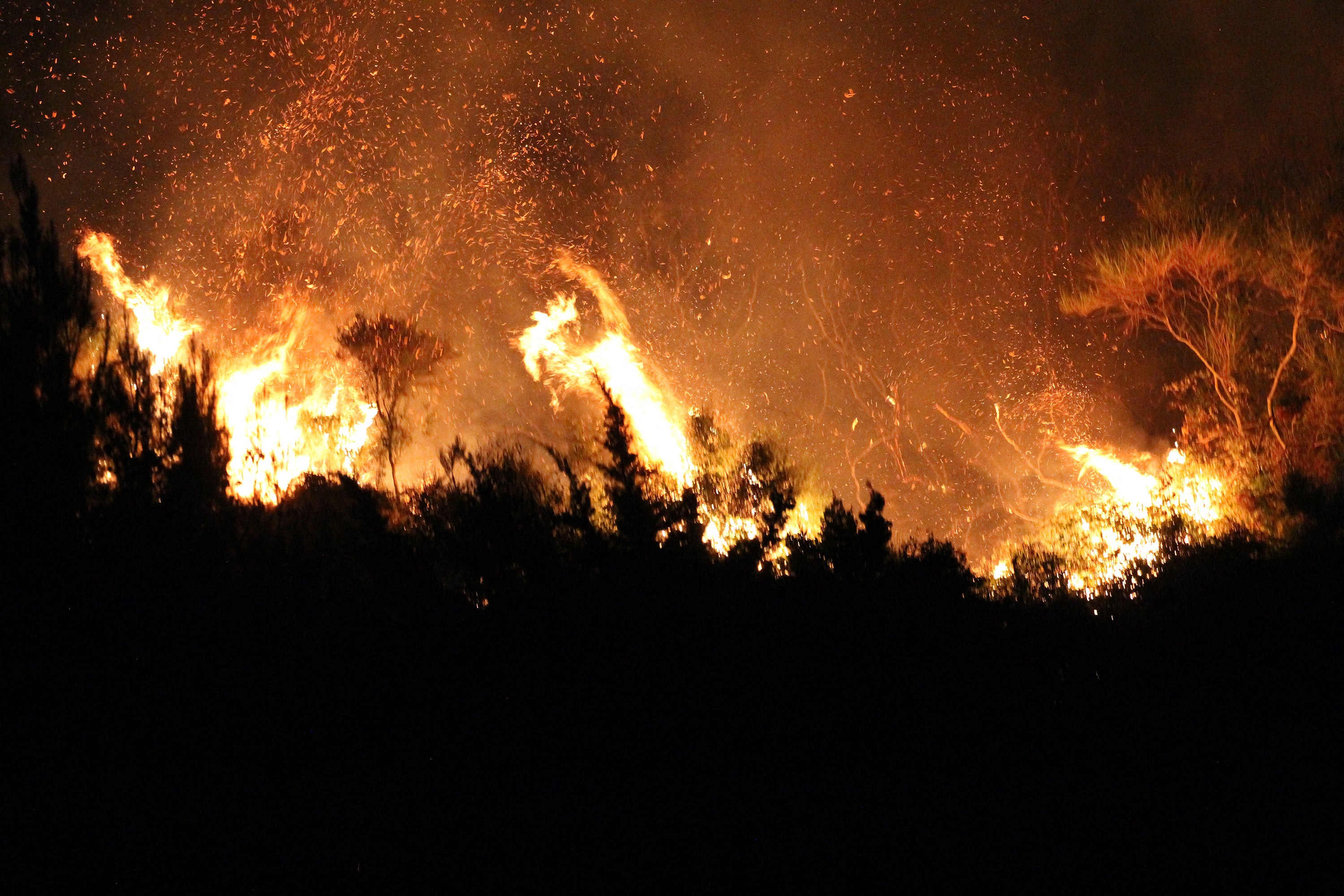
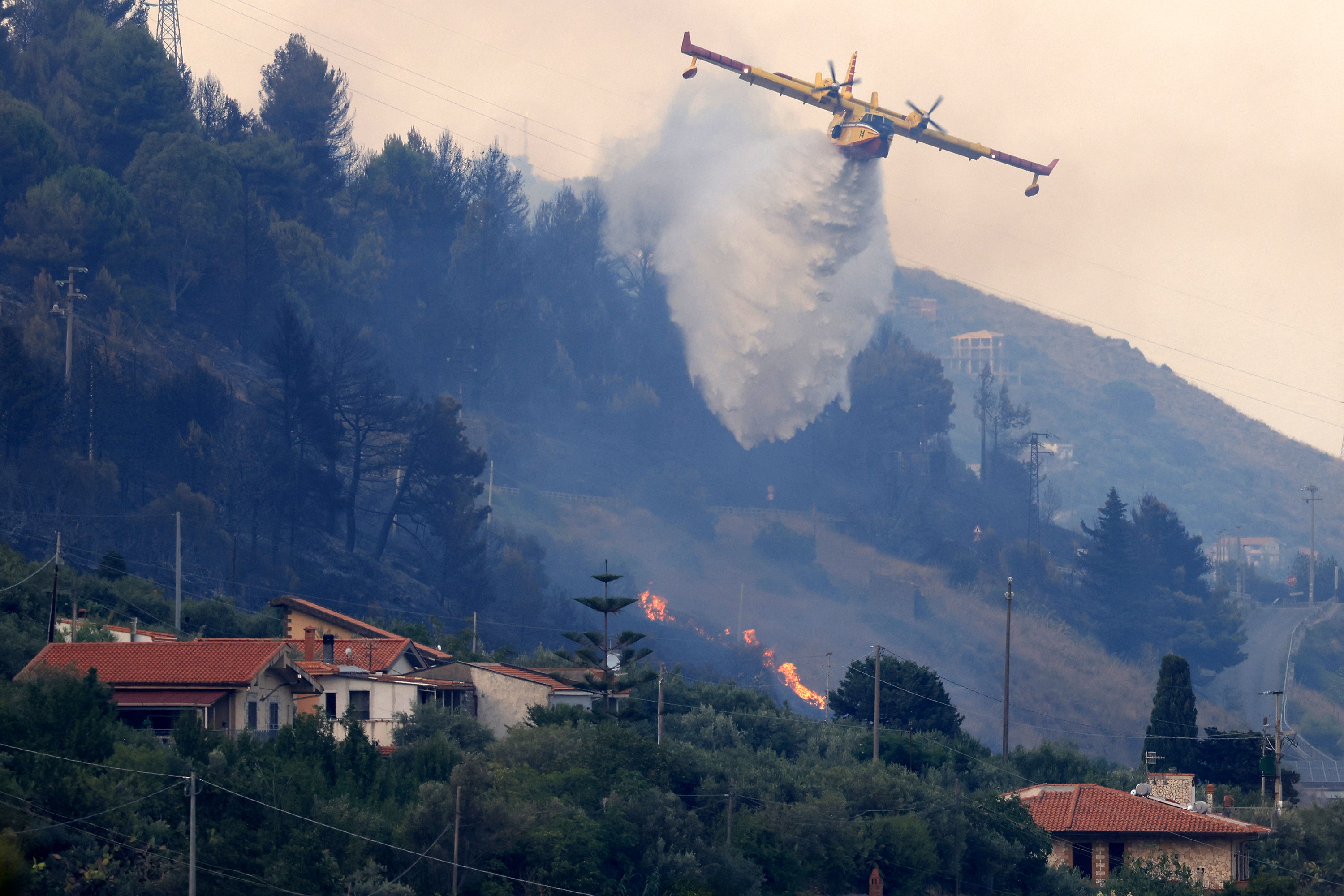
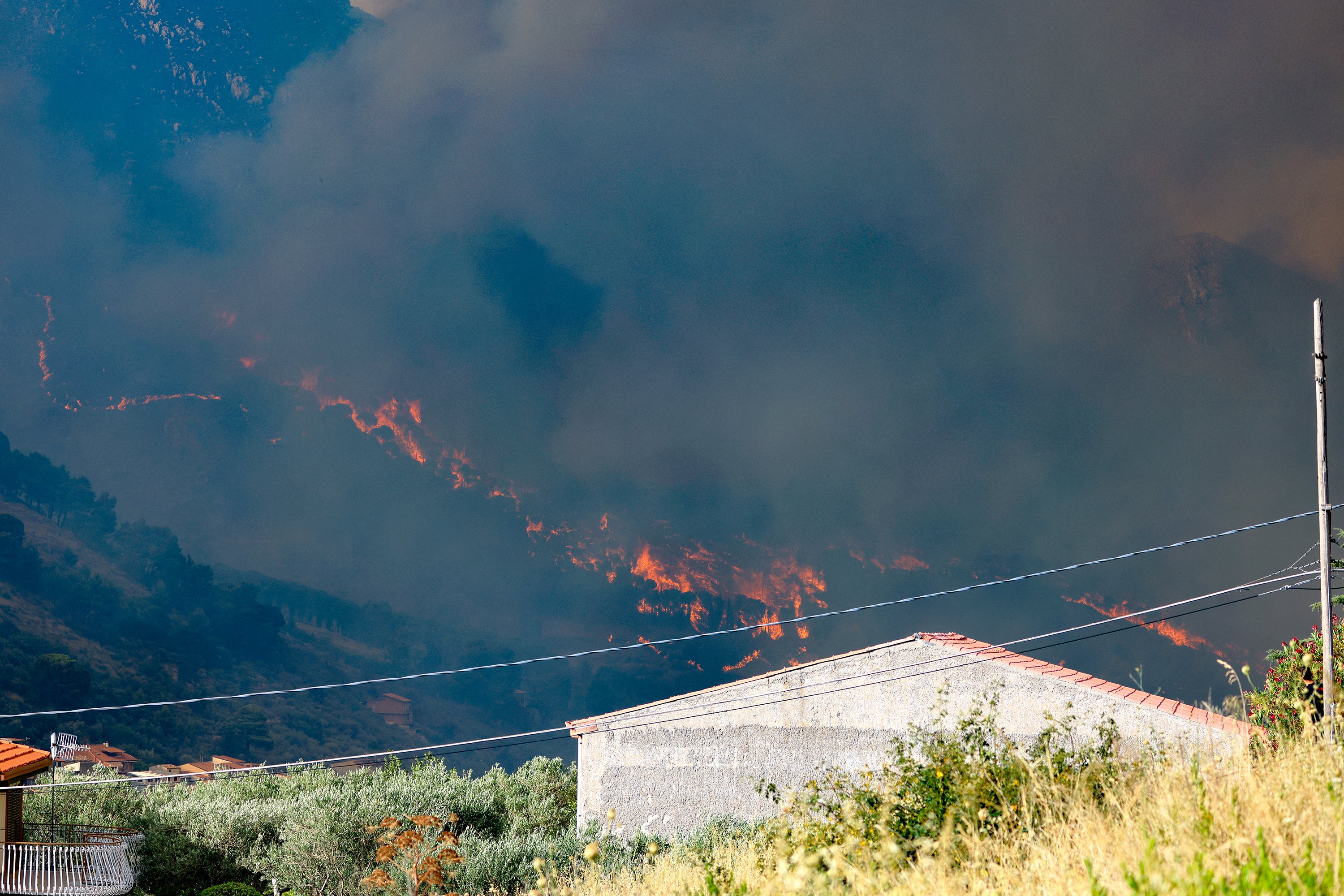
Footage shows vast infernos sweeping through the island as dramatic fires scorched the Sicilian hills around Bivona in the central Agrigento province on Wednesday, while the capital of Palermo suffered blackouts.
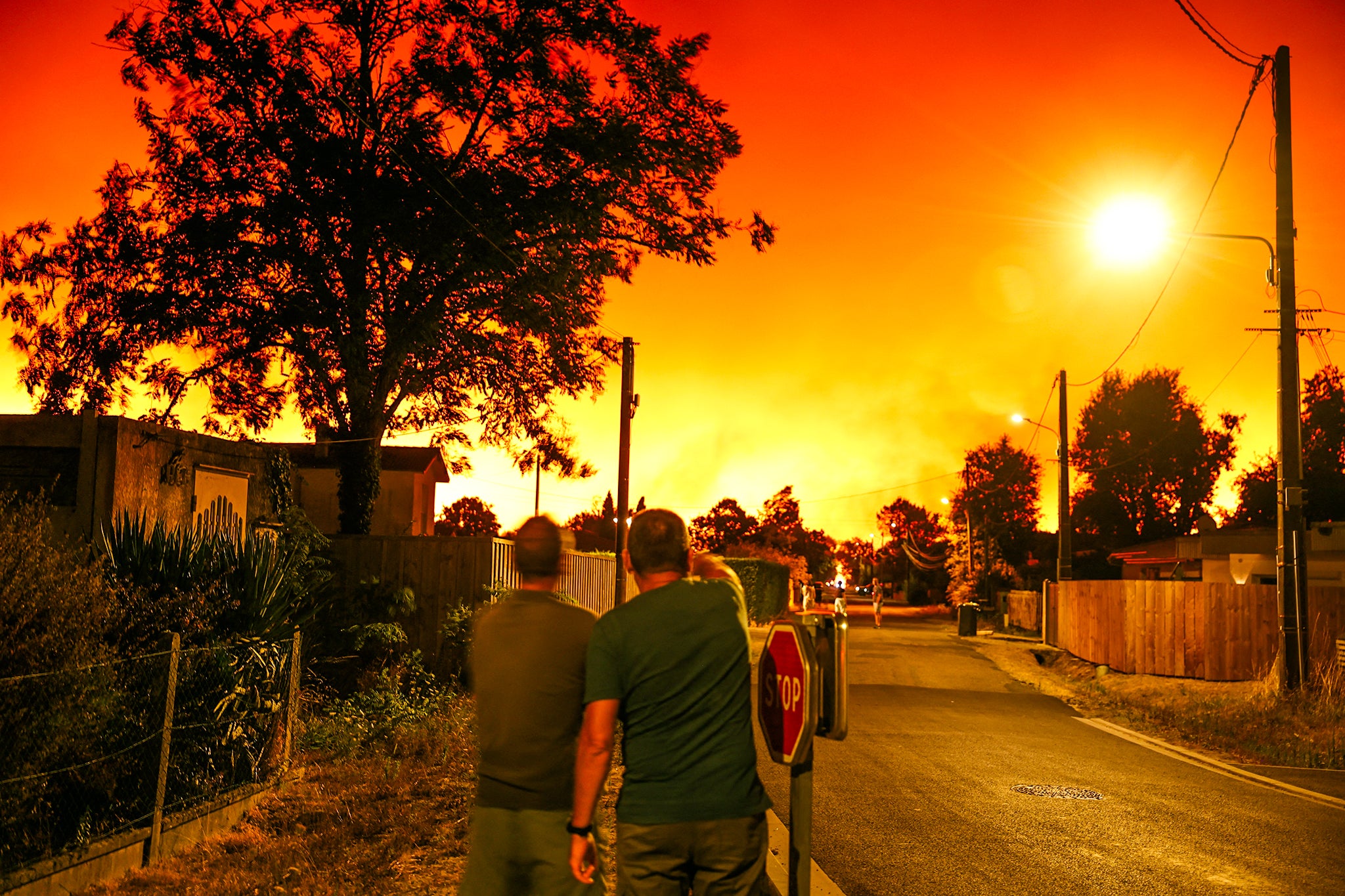
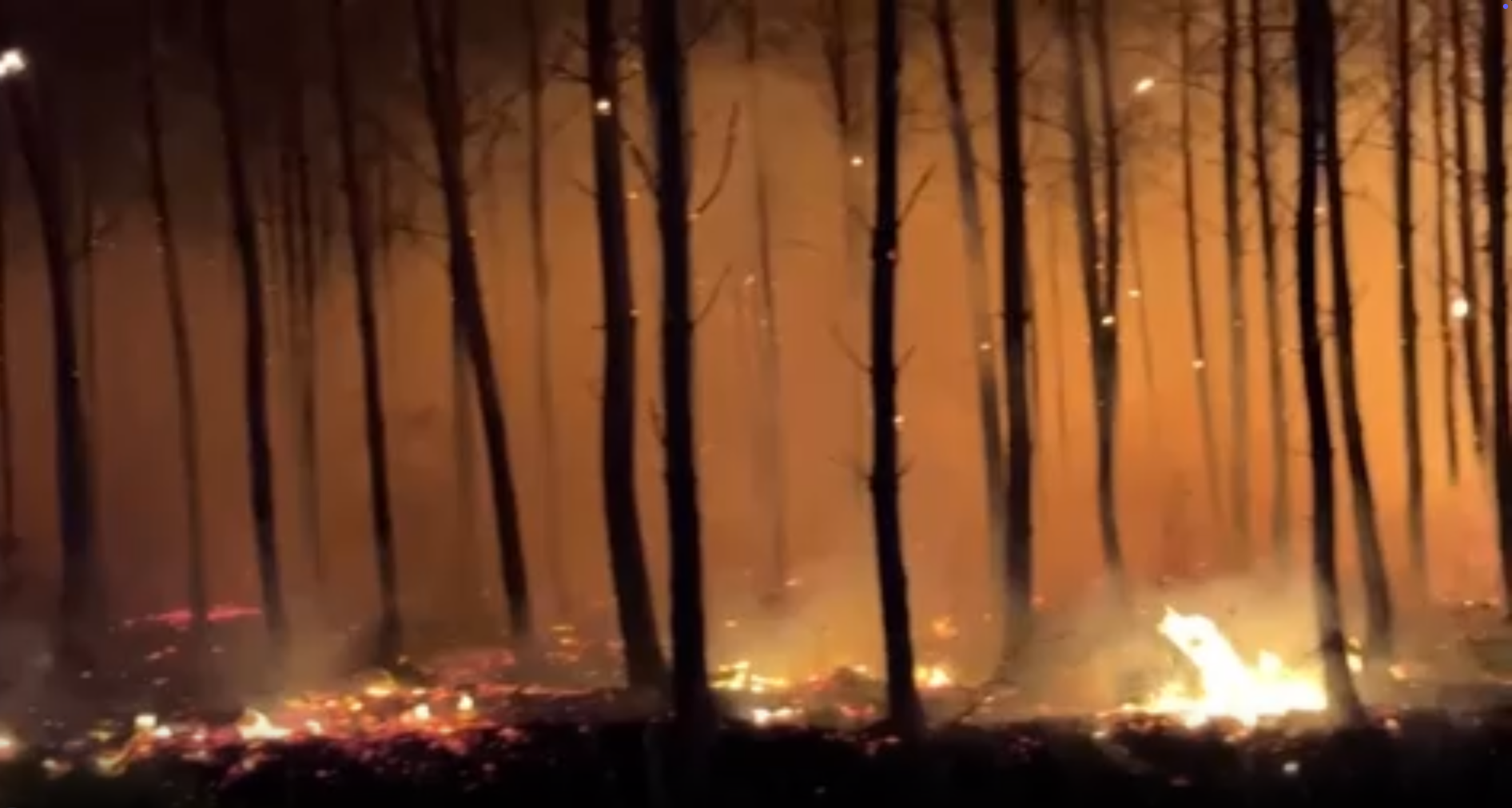
In southwest France, more than 20,000 people have been evacuated near Bordeaux, officials said, as some 700 firefighters were called out to tackle the blaze near the popular coastal town of Lege Cap-Ferret.
It comes as Wales is the first UK region to officially declare a drought amid record dry conditions, intense heatwaves, wildfires and dwindling rivers. Across Europe, extreme heat supercharged by climate change has been sucking European soils dry, as warmer air pulls moisture from soil and rivers.
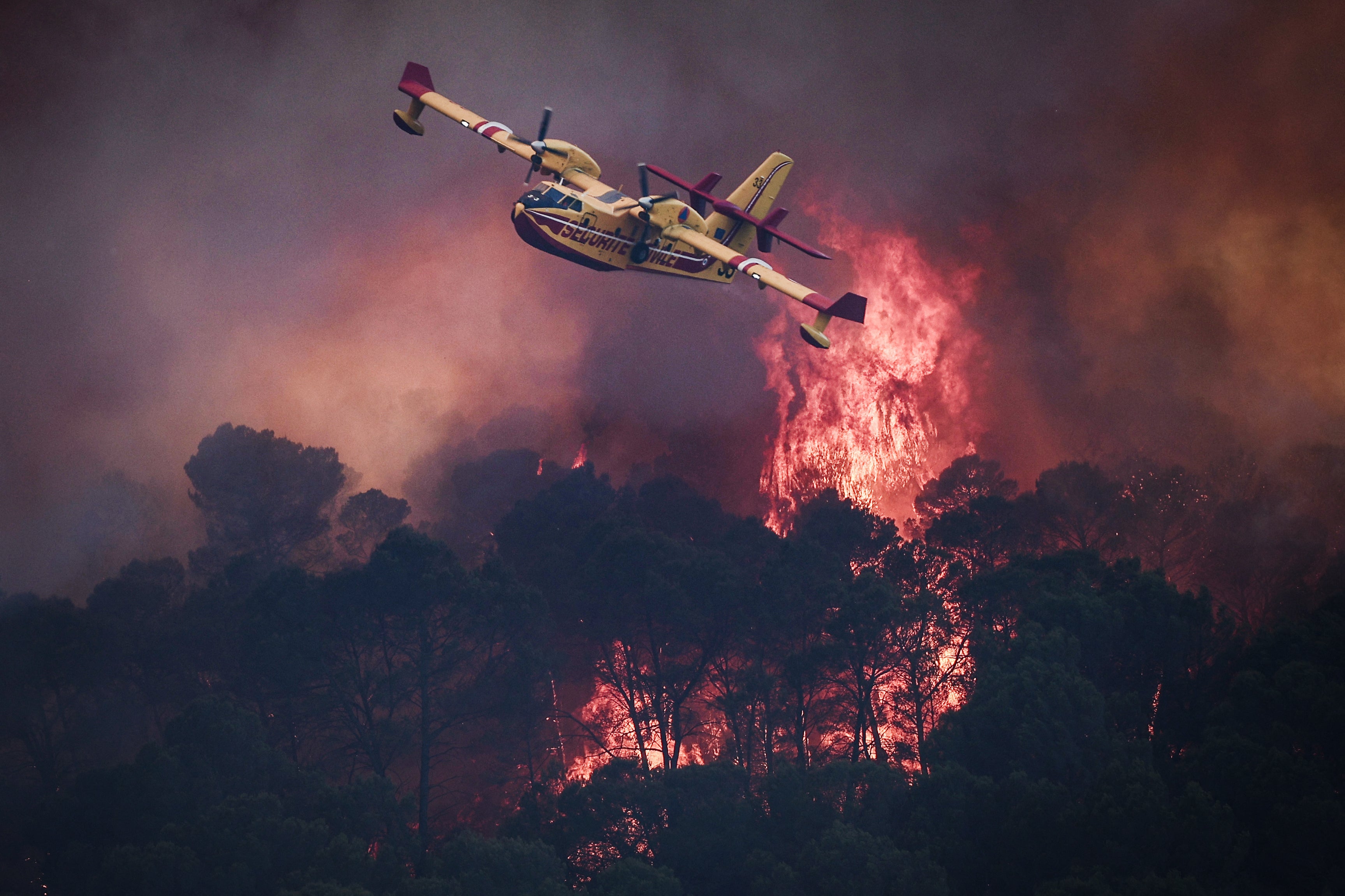
Near Bordeaux, two firefighters were killed earlier this week while battling a blaze near the city’s airport.
“Overnight, the fire spread more quickly than we had imagined,” acknowledged Philippe de Gonneville, the mayor of Lège-Cap Ferret. Authorities said 12,000 have already been evacuated, while around 8,800 are being moved.
In neighbouring Spain, authorities were still working to put out fires which have raged for several days. Spain’s railway infrastructure operator ADIF said train traffic between Mejorada del Campo and Alcalá de Henares, near Madrid, had been suspended due to a wildfire close to the tracks.
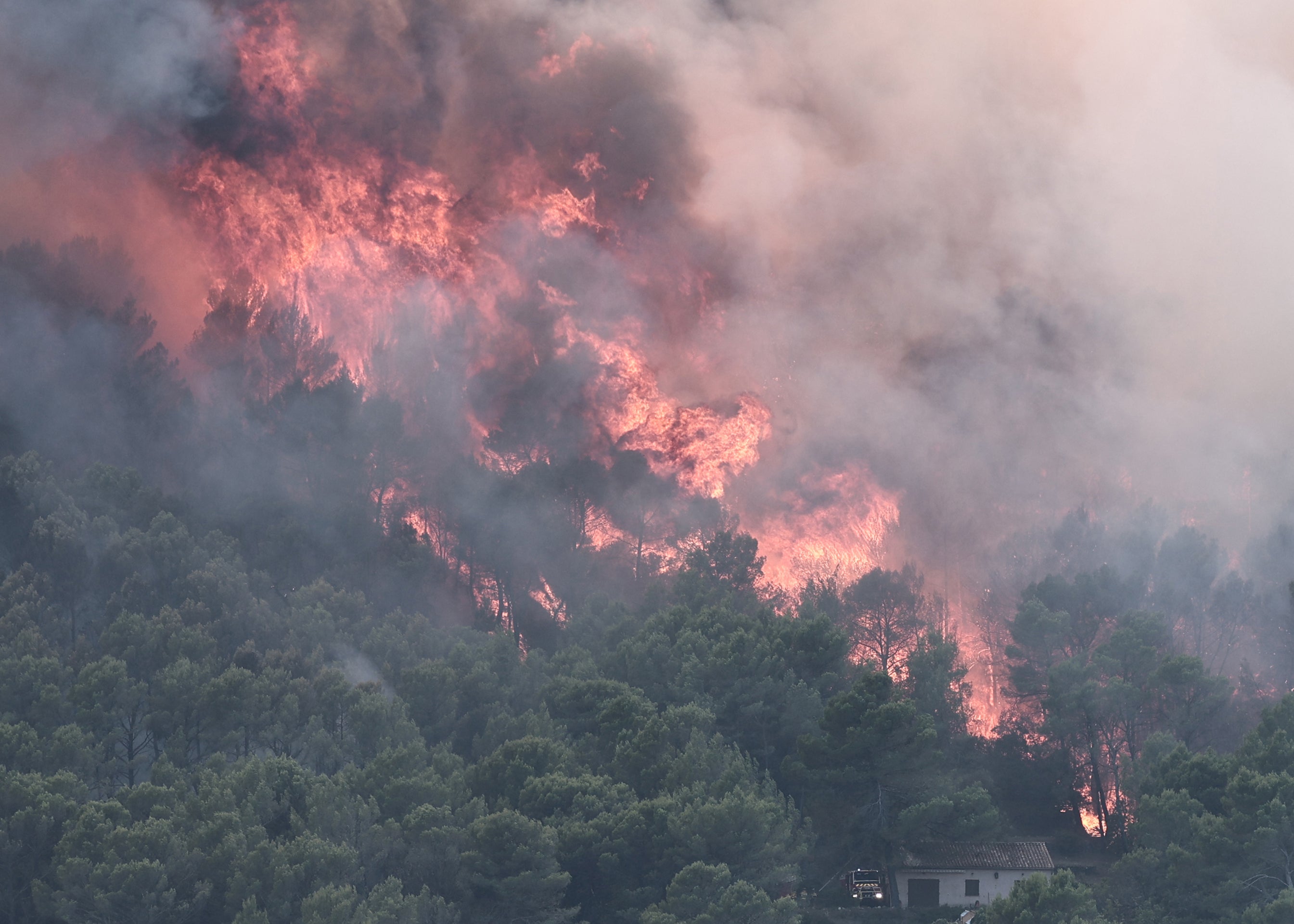
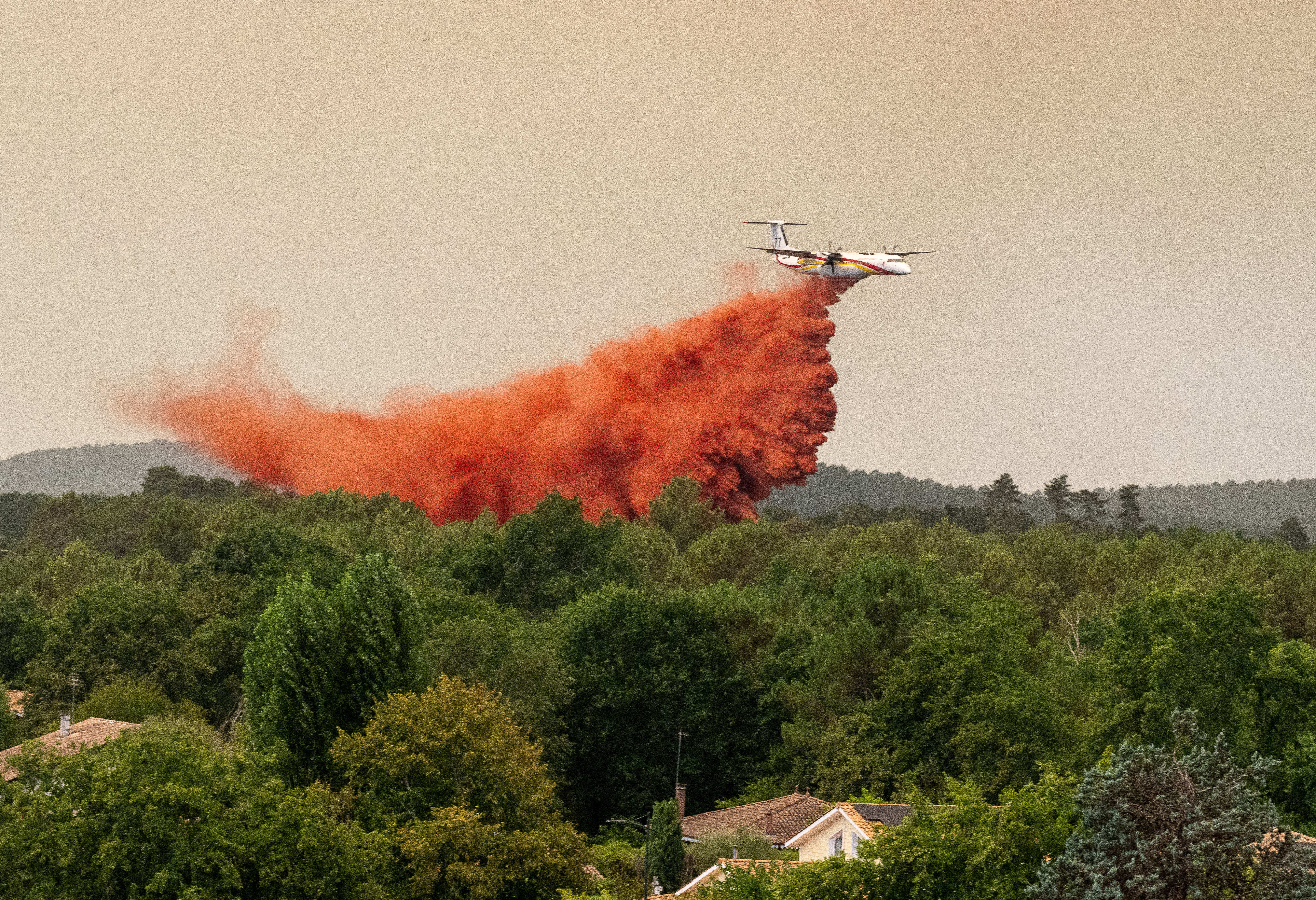
Across central Spain, firefighters, emergency personnel and military units remained deployed as authorities monitored multiple active fires, including blazes in Guadalajara, Toledo, Ciudad Real and Albacete.
Spain’s meteorological agency warned of “extraordinary danger” with temperatures of up to 44C on Thursday in some regions. Popular Spanish tourist spots, including the areas around Malaga, Valencia and Alicante, could see temperatures reach as high as 42C.
The disruption affected services on the high-speed rail line linking Madrid and Barcelona, one of the country’s busiest transport corridors.
More than 100,000 hectares have burned nationwide so far this year.
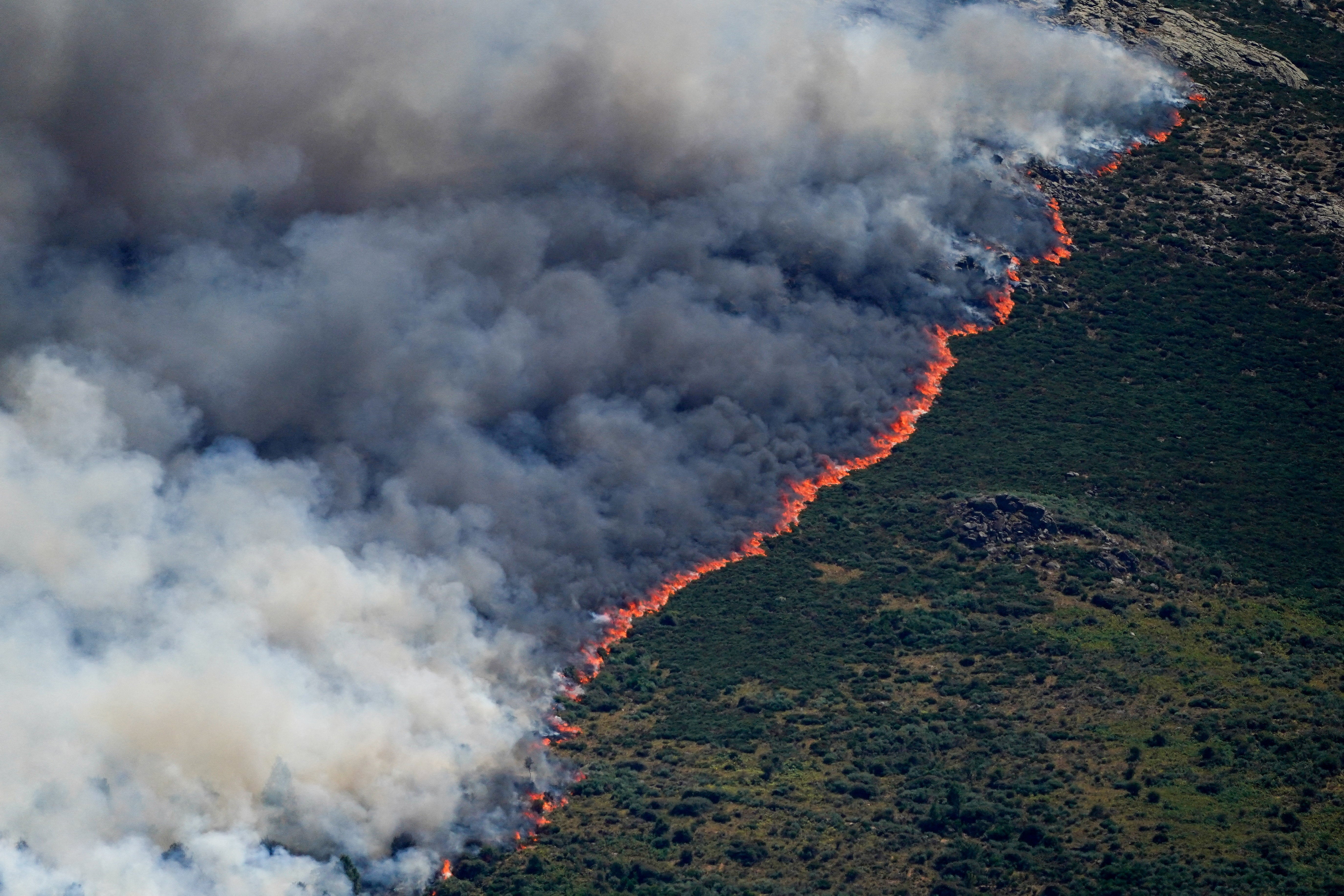
Meanwhile in Italy, a 59-year-old firefighter died after falling ill while battling a large wildfire near San Cataldo in Sicily.
The central areas of Cammarata, Santo Stefana Quisquina and Bivona suffered some of the worst impact of the islands huge wildfires, with health clinics evacuated, phone lines down, roads closed and farmland destroyed as residents helped authorities battle the flames.
More than 100 people were forced to evacuate from homes and clinics on the island, according to local media, as dozens of wildfires strained emergency services battling against fires that threatened rural areas, residential districts, and major public roads.
Temperatures in inland Sicily exceeded 40C on Wednesday for the second day running, reaching 43 C according to forecaster Ventusky.
On Thursday, the mercury dropped into the mid-30C across most of the island, with some central-northern areas reaching the high 30C. On Friday, the warmest temperatures will move southwards, before the entire island cools down to the low 30C on the weekend.
Farmer Marco Barbaccia told how a wind-fuelled wildfire destroyed olive groves, wiping out this year’s crop and damaging trees needed for future harvests.
“We were unable to save anything. We lost both this year’s harvest and the trees themselves, which means losing future production of Sicilian extra-virgin olive oil as well,” Mr Barbaccia said.
Italian newspaper La Repubblica reported that families had barricaded themselves in their homes to keep the smoke out.
“The heat was so intense that railings and doorknobs became red-hot,” the paper wrote. “Smoke engulfed several neighbourhoods, and by 4am temperatures in the city exceeded 40C.”
Elsewhere in Europe, firefighters struggled on Tuesday to contain Spain’s largest wildfire of the year, while two firefighters were killed battling a fire in southwestern France, as an extreme heatwave continued to fuel dangerous conditions across Europe, bringing drought and forecasts of severe hailstorms.
In mainland Italy, temperatures have remained in the high 20C and low 30C, while on the island of Sardinia, they neared 40C on Wednesday. Sardinia will remain in the low-to-mid 30C for the rest of the week, with temperatures in mainland Italy around average for this time of year for the rest of the week.
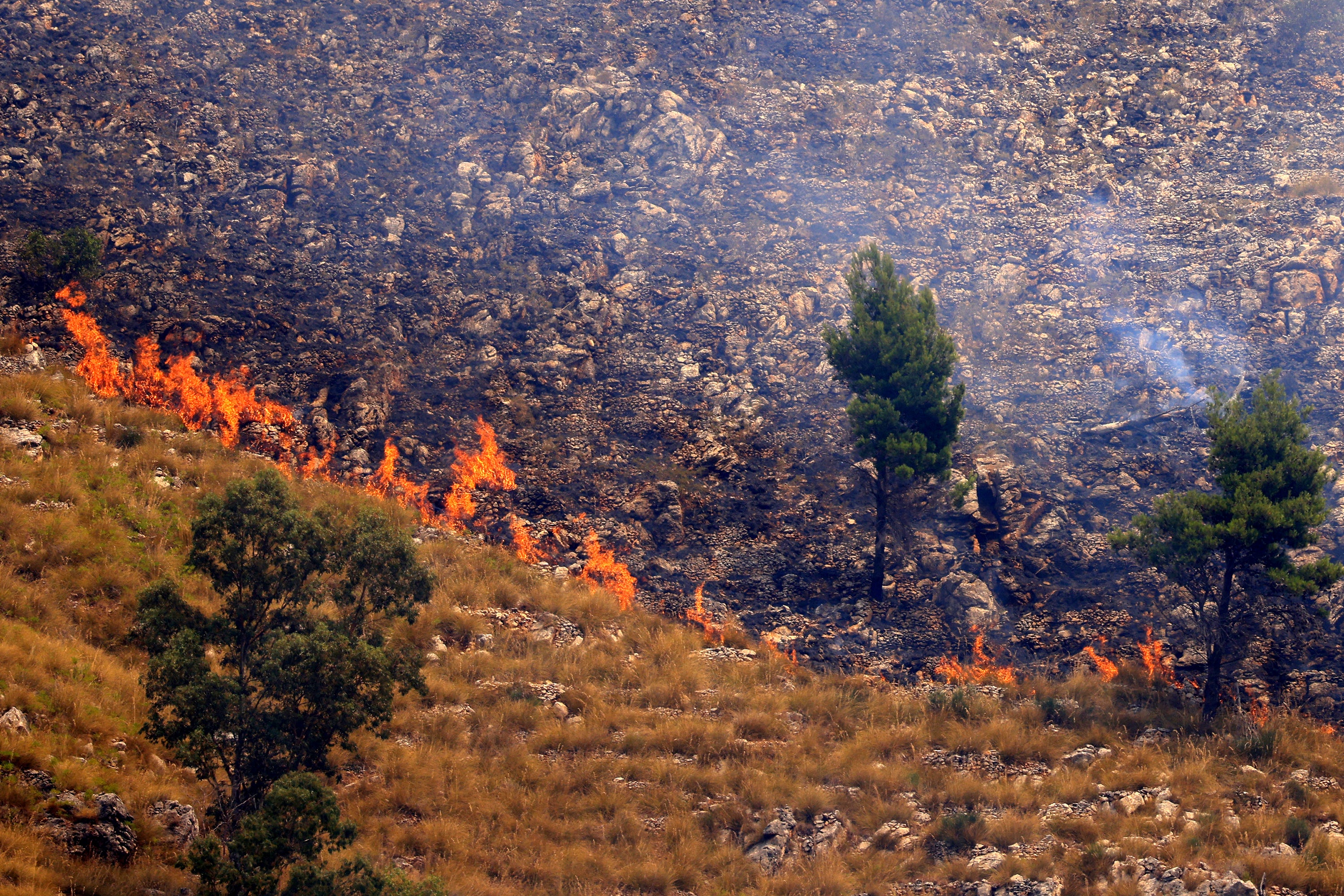
The fires in Sicily, which were fueled by strong sirocco winds – those blowing northward from the Sahara into southern Europe – reached the western-central town of Santo Stefano Quisquina in the Agrigento province overnight into Wednesday.
The province of Palermo, Sicily’s capital, also battled dozens of fires damaging rural homes and businesses, forcing the temporary closure of the SS186 state road, and disrupting traffic on the Palermo-Catania motorway.
A health clinic, oxygen depot, fuel station and fireworks factory are all under surveillance by firefighters and other authorities, according to local media. Some 22 patients were evacuated from the Ignazio Attardi clinic as a precaution.
In Bivona, a wildfire emergency has caused damage to the water pipes, with emergency systems kicking into response, Mayor Milko Cina said. The TIM telephone line was also put out of service in the area.
He added that the situation is “improving” after authorities had to “evacuate all the houses along the state road between Bivona and Santo Stefano”.
Residents of the area helped put out fires since the early hours of Wednesday, Mr Cina said.
“Heartfelt thanks in particular to the many farmers who, with their excavators, shovels, tractors and their water-filled barrels, are still on site helping the population,” Mr Cina said. Farms and livestock farms have been damaged by the fires.
But he added that the situation is “improving” after authorities had to “evacuate all the houses along the state road between Bivona and Santo Stefano”
Although wildfires are not new to the region, scientists say they are becoming more frequent and intense as a result of stronger and longer heatwaves and droughts, due to the climate crisis.

