Шүүгчийн зүгээс хууль зүйн хувьд хангалтгүй ажиллагаа явуулсныг шүүмжилсний дараа АНУ-ын Засгийн газар “The New York Times” сонины сэтгүүлчдийг гэрчээр дуудах шийдвэрээ татан авчээ.
АНУ-ын Холбооны дүүргийн шүүхэд болсон сонсголын үеэр шүүгч Арун Субраманиан Засгийн газрын хуульчдын үйлдлийг хурцаар шүүмжлэв. Тэрээр сэтгүүлчдийг гэрчээр дуудах нь хамгийн сүүлчийн арга хэмжээ байх ёстой бөгөөд Засгийн газар хууль тогтоомж, сэтгүүлчийн эрхийг хамгаалах зарчмыг үл ойшоосон гэж мэдэгджээ. Шүүгч уг асуудлыг иргэний хэрэг гэж үзвэл хуулийн байгууллагад хариуцлага тооцох үндэслэлтэй байсныг онцолсон байна.
Уг маргаан нь Катар улсаас бэлэглэсэн, 400 сая ам.доллароор шинэчилсэн “Air Force One” онгоцны талаарх мэдээлэлтэй холбоотой юм. “The New York Times” сонин эх сурвалжаа дурдаж, шинэ онгоц нь пуужингаас хамгаалах систем зэрэг аюулгүй байдлын дэвшилтэт тоног төхөөрөмж дутагдалтай байгаагаас үүдэн Ерөнхийлөгч Дональд Трамп НАТО-гийн дээд хэмжээний уулзалтад хуучин загварын онгоцыг ашигласан тухай мэдээлж байв.
Хууль зүйн яам сэтгүүлчдийг биш, харин нууц мэдээлэл задруулсан этгээдүүдийг хайж байгаа гэж тайлбарласан ч шүүхээс сэтгүүлчдийн болон тэдний гэр бүлийн гишүүдийн утасны дуудлагын бүртгэлийг авахыг оролдсон нь хэт өргөн хүрээтэй, үндэслэлгүй гэж үзжээ. Үүний өмнө АНУ-ын Хууль зүйн яам “The Washington Post” болон “The Wall Street Journal”-ын сэтгүүлчдийн эсрэг гаргасан ижил төстэй дуудлагуудаа мөн татан авсан байна.
Дэлгэрэнгүйг эх сурвалжаас харах
↓Эх сурвалжийг нээх ↓
The U.S. government has withdrawn subpoenas compelling three New York Times reporters to testify about their sources, following sharp criticism from a federal judge regarding its “sloppy legal work.”
The subpoenas, issued in connection with articles concerning President Donald Trump’s Qatari-gifted Air Force One jet, were retracted in U.S. District Court.
This development unfolds amidst a broader effort by the Trump administration to target news organizations whose reporting it dislikes and to curb internal government leaks.
Judge Arun Subramanian presided over a contentious hearing, visibly irritated by government attorneys.
He stated he would have otherwise granted the newspaper’s request to quash the subpoenas, emphasizing that legal precedents and regulations dictate that such demands on journalists should be a measure of last resort.
“Subpoenas are the last step, not the first step, but the last step,” the judge declared, referencing rules designed to safeguard First Amendment rights. He accused the government of turning the law and regulations “on its head.”
Subramanian underscored that, given the protections afforded to journalists, the government was obligated to exhaust all other avenues for information before issuing subpoenas.
He reiterated, “Subpoenas are not the first thing you do; they are the last thing you do,” during a proceeding where his questioning of government lawyers became increasingly heated regarding their investigative steps.
The judge even remarked, “When you see something like this, if this were a civil proceeding, what I would normally do is ask the parties to show causes why sanctions should not be issued.”
This public hearing occurred despite the Trump administration’s attempts to keep secret the litigation stemming from its subpoenas.
The Justice Department’s retreat marks another instance of it backing down from aggressive attempts to force journalists to reveal sources before a grand jury, having recently withdrawn similar subpoenas targeting journalists from The Washington Post and The Wall Street Journal in Virginia.
Lawyers for The New York Times had challenged the validity of the grand jury subpoenas, alongside requests for phone records belonging to several Times journalists and some of their relatives. Senior Times officials, including the managing editor and general counsel, observed the proceedings.
The extensive nature of the phone record requests, which included a reporter’s mother and two journalists’ spouses (one a mental health professional with confidential clients, the other a law firm general counsel), raised concerns about the scope of the Justice Department’s investigation.
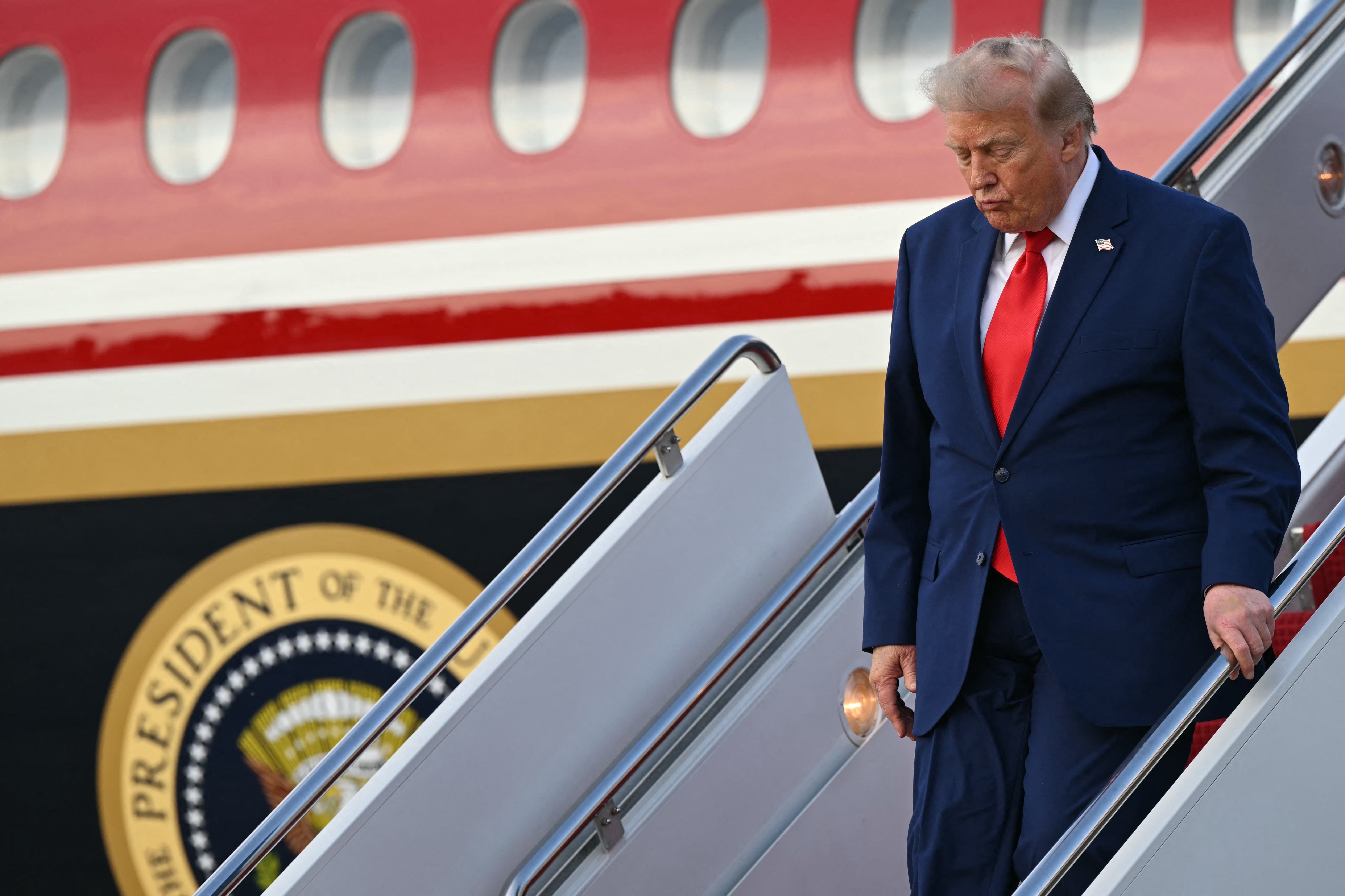
The subpoenas were linked to Times reporting on a new Air Force One jet, a gift from Qatar that the Trump administration spent $400 million to retrofit.
The Times, citing anonymous sources, reported that the jet’s recent entry into service was followed by President Trump using an older model for a NATO summit, reportedly due to Secret Service concerns over the newer plane’s lack of advanced security features, including anti-missile capabilities.
President Trump had publicly dismissed these security claims on social media.
In a letter to the judge, The Times highlighted that two subpoenas sought records dating back to January 1, significantly predating the July 8 and 9 articles that formed the basis for the grand jury subpoenas.
The newspaper argued this broad timeframe suggested the subpoenas’ purpose might have been “to forage for information about the Journalists’ source relationships more broadly.”
The Times contended that the phone record subpoenas should be disallowed, alleging the government acted in “bad faith” by ignoring its own protocols, failing to give advance notice, and demanding information “without first conducting any serious investigation.”
The Justice Department justified the grand jury subpoenas by stating that “reporters are not the targets, those leaking classified information are.”
It also asserted compliance with its own regulations and claimed to have taken investigative steps before seeking the subpoenas, choosing to alert the journalists’ lawyers to allow for a challenge, despite being authorized to delay disclosure.

