Израйлын эсэргүүцлийг үл харгалзан ЮНЕСКО Баруун эрэг болон Ливан дахь түүхэн дурсгалт газруудыг Дэлхийн өвд бүртгэж, яаралтай хамгаалах шаардлагатай жагсаалтад орууллаа.
Өмнөд Солонгосын Пусан хотноо болсон ЮНЕСКО-гийн хорооны хурлаар Баруун эргийн Себастия хот болон Ливаны Амел уулын бүсэд байрлах таван цайзыг Дэлхийн өвийн жагсаалтад нэмэх шийдвэр гаргажээ. Израйлын Гадаад хэргийн яам энэхүү шийдвэрийг соёлын өвийг улс төрийн зорилгоор ашиглаж буй үйлдэл хэмээн буруушааж, тус газруудыг еврей болон христийн шашны түүхэн ач холбогдлыг бүдгэрүүлэх оролдлого гэж мэдэгдсэн байна.
Наблус хотын ойролцоо орших Себастия нь эртний Самари хотын суурин бөгөөд төмрийн үеэс эхлээд исламын үеийг хамарсан түүхэн олдвор бүхий цогцолбор юм. Палестины тал 2012 онд тус газрыг хамгаалалтад авах хүсэлт гаргаж байсан бөгөөд одоогийн байдлаар Израйлын хяналт дор буй тус бүс нутагт нэмэлт хамгаалалт зайлшгүй шаардлагатай байгааг онцолжээ.
Үүний зэрэгцээ, Ливан дахь таван цайз, тэр дундаа Бофорт цайзыг жагсаалтад оруулсныг Израйл эсэргүүцсэн байна. Израйлын тал “Хезболла” бүлэглэл Бофорт цайзыг цэргийн бэхлэлт болгон ашиглаж, газар доорх хонгил ухах болон пуужин харвах талбар болгосон хэмээн буруутгаж байгаа юм. ЮНЕСКО болон Ливаны элчин сайдын яам энэ талаар тайлбар өгөхөөс татгалзлаа.
Түүнчлэн, ЮНЕСКО-гийн хороо Ливаны эртний Финикийн хот болох Тир хотыг нэмэлтээр Дэлхийн өвийн жагсаалтад бүртгэж, аюулд өртсөн өвд тооцов. Израйл улс 2019 онд ЮНЕСКО-г өөрийнх нь эсрэг чиглэсэн улс төрийн байр суурьтай хэмээн үзэж, тус байгууллагаас гарч байсан түүхтэй.
Дэлгэрэнгүйг эх сурвалжаас харах
↓Эх сурвалжийг нээх ↓
A major archaeological site in the West Bank and a set of castles in southern Lebanon will be listed as World Heritage sites, despite objections from Israel.
The decision at a U.N. Educational, Scientific and Cultural Organization meeting in South Korea came days after Israel’s Foreign Ministry urged the committee to reject efforts to designate the small West Bank town of Sebastia and the Lebanese castles, calling the nominations a “weaponization of cultural heritage.”
At their meeting in Busan, members of the UNESCO committee decided to place Sebastia and five castles in Lebanon’s Mount Amel area on both the World Heritage List and the List of World Heritage in Danger after reviewing the nominations on an emergency basis.
Sebastia, a hilltop town about 10 kilometers (6 miles) northwest of Nablus in the Israeli-occupied West Bank, is identified by scholars as ancient Samara, capital of the biblical Kingdom of Israel. The area’s archaeological remains span the Iron Age, Roman, Byzantine and Islamic periods. Christian and Islamic tradition holds that John the Baptist was buried there, according to a UNESCO website.
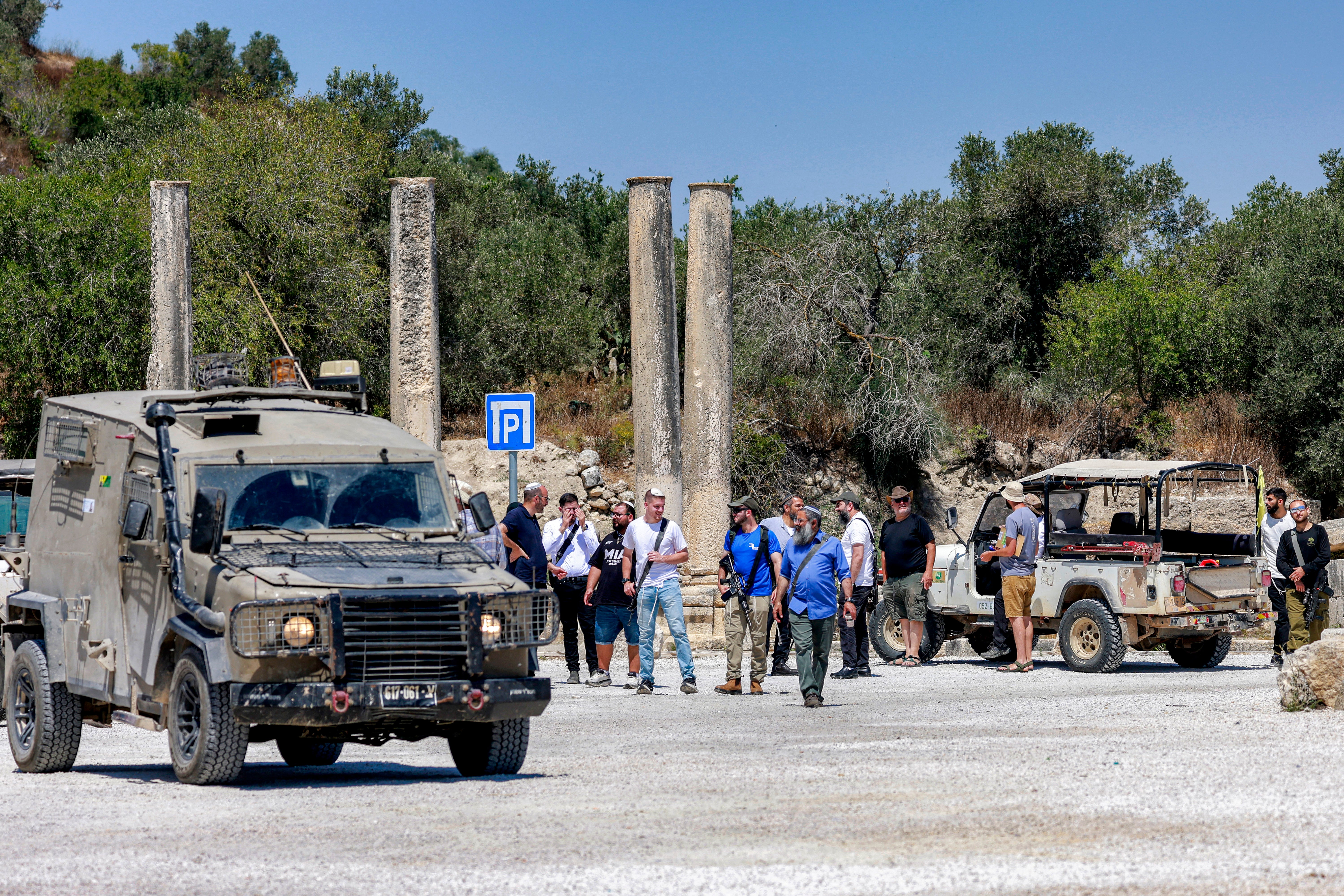
Sebastia’s nomination, first submitted by the Palestinian delegation to UNESCO in 2012, argued that World Heritage status was needed to help preserve the site, saying it remains largely undeveloped under Israeli control and requires additional conservation despite attracting tourists.
The designation comes as Israel, which does not recognize a Palestinian state, moves to expropriate large swaths of land around the site, even as it faces pressure to crack down on violence by Israeli settlers in the Palestinian territory.
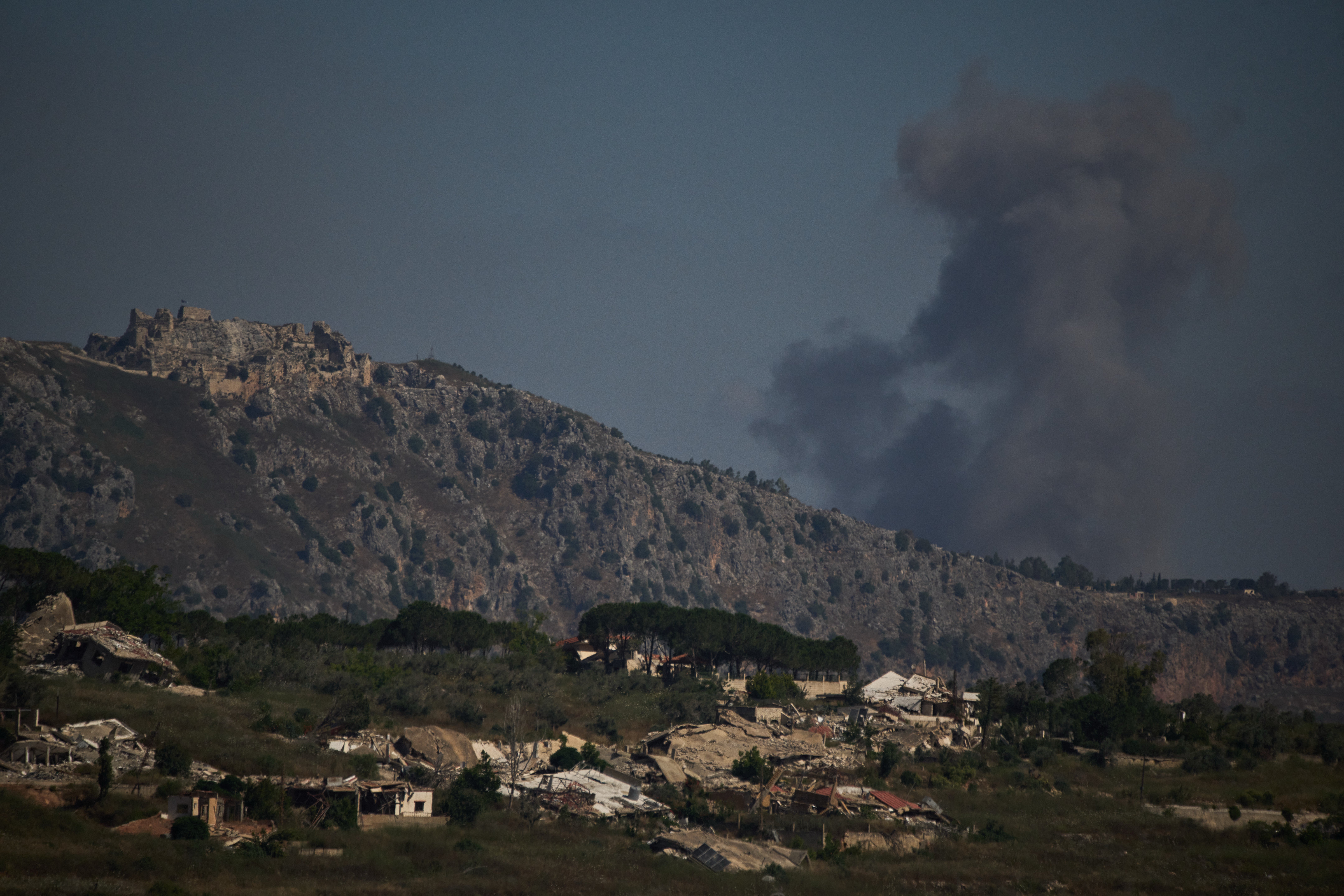
The five castles in the Mount Amel region are recognized for their layered architectural heritage, combining Crusader, Ayyubid, Mamluk and local influences, reflecting the evolution of fortified architecture over nearly nine centuries, according to a UNESCO description.
In Tuesday’s statement, Israel’s Foreign Ministry accused the Palestinian delegation of waging a “hostile, one-sided campaign” at UNESCO by falsely portraying Sebastia as an area facing an emergency, calling the effort a political attempt to “erase the site’s profound, well-documented Jewish and Christian history.”
Israel withdrew from UNESCO in 2019, accusing the organization of being biased against it and of downplaying its historical ties to the Holy Land.
Israel’s Foreign Ministry also took objection to efforts to list Beaufort Castle in southern Lebanon as a World Heritage site. The castle was part of the nomination covering five castles in the Mount Amel area.
The ministry said Hezbollah, an Iran-backed militant group, has turned Beaufort Castle into a military stronghold by building tunnels beneath the site and launching rockets from the area, and accused UNESCO of ignoring those developments.
UNESCO and the Lebanese embassy in South Korea declined to comment on the Israeli claims about Hezbollah.
The UNESCO committee on Wednesday placed another Lebanese site, Tyre, an ancient Phoenician city in the southern part of the country, on the list of world heritage sites in danger.