Цахилгаан болон устөрөгчөөр ажилладаг автомашины түлшний зардлыг харьцуулж, Toyota Mirai загварын хоёр үеийн үр ашгийг шинжиллээ.
Цахилгаан автомашины (BEV) гол давуу тал нь цэнэглэх станцын хүртээмж бөгөөд гэрийн нөхцөлд ч цэнэглэх боломжтой юм. Харин устөрөгчийн түлшээр ажилладаг (FCEV) автомашины хувьд цэнэглэх станцын дэд бүтэц хангалтгүй, ялангуяа Калифорни мужаас гадна станц олох нь нэн хүндрэлтэй байна. Гэсэн хэдий ч устөрөгчөөр ажилладаг автомашиныг ердийн шатахуун түгээгч шиг богино хугацаанд цэнэглэдэг нь давуу тал болдог.
Жилийн 15,000 миль буюу ойролцоогоор 24,000 км замыг туулдаг гэж тооцоход Tesla Model Y-ийн цахилгааны зардал гэртээ цэнэглэхэд 750–800 ам.доллар, Supercharger ашиглахад 1,500–1,600 ам.доллар болдог байна. Үүнтэй ижил замыг Toyota Mirai загвараар туулахад шаардагдах устөрөгчийн зардал 7,000–7,200 ам.долларт хүрдэг нь зардлын хувьд эрс ялгаатай байгааг харууллаа.
Toyota Mirai загварын хувьд хоёр дахь үеийн загвар нь өмнөх үеэ бодвол илүү үр ашигтай болсон ч зөрүү нь төдийлөн их биш юм. Анхны үеийн Mirai 66 MPGe үзүүлэлттэй байсан бол хоёр дахь үе нь 70 MPGe болж сайжирчээ. Энэхүү үр ашгийн ялгаанаас шалтгаалан 15,000 миль туулахад хуучин загвар нь 7,700 ам.долларын устөрөгч зарцуулдаг байсан бол шинэ загвар нь 7,000–7,200 ам.долларын зардалтай байна.
Дэлгэрэнгүйг эх сурвалжаас харах
↓Эх сурвалжийг нээх ↓
We did the math and tried to answer a question people have been asking about the Toyota Mirai and the Tesla Model Y.
Not only that, while we were at it, we also tried answering another question.
How much better is the second-gen Mirai compared to the first-gen Mirai?
The answer surprised us.
Here’s what we didn’t consider
There are so many differences in terms of MSRP, taxes, tax breaks, and maintenance that we decided to skip all of those factors.
Instead, we considered only one thing: fuel.
Assuming 15,000 miles a year and using the national average in the US, we tried comparing the costs of running a Tesla Model Y and a Toyota Mirai.
Then, we decided to compare the new Mirai to the old one.
It didn’t go as expected.
Tesla versus a hydrogen car: which is cheaper?
The key advantage that BEVs (battery electric vehicles) have over FCEV (fuel cell electric vehicle) is the availability of charging points.
Even in the most remote parts of America, you don’t have to go that far to find a charging station.
And of course, if all else fails, you can always charge it at home.
By contrast, installing a specialized hydrogen refueling stations isn’t as easy, and finding a public one might be even harder if not impossible, especially outside of California.
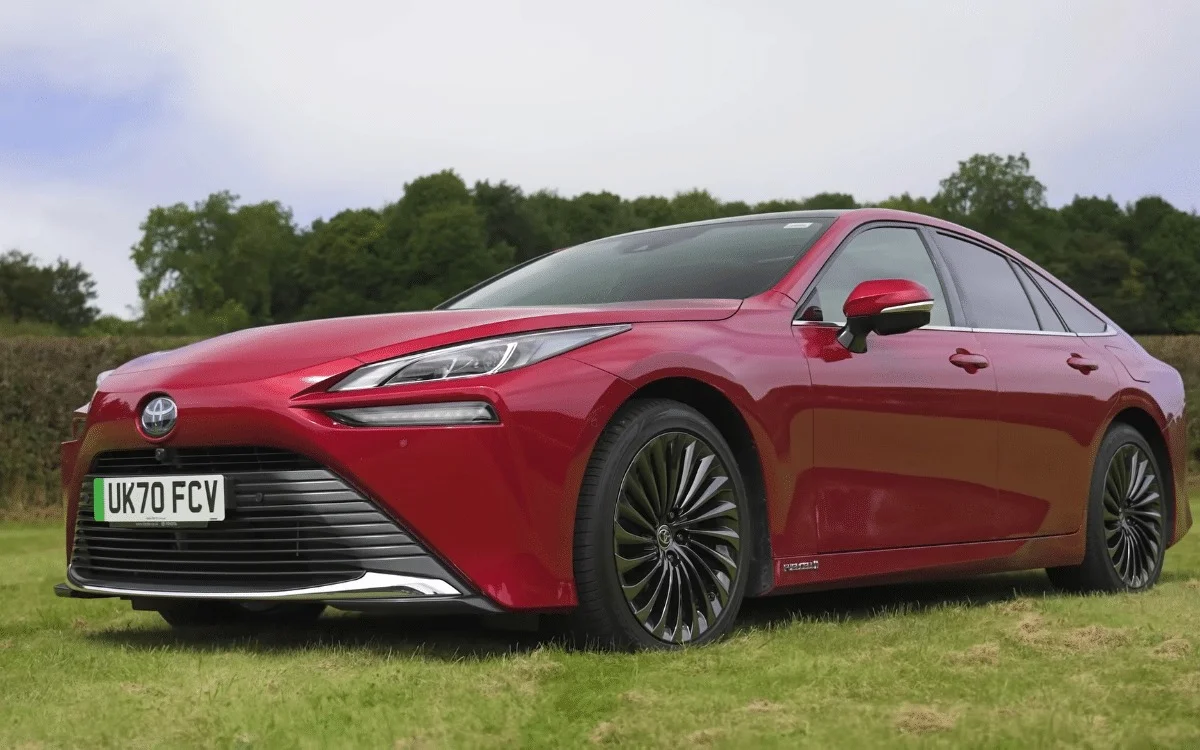
The main advantage of FCEVs, conversely, is the refueling time, which is basically equivalent to filling up a car with gas.
When it comes to costs, the situation is clear.
If you bought a Tesla Model Y exactly a year ago and drove it for 15,000 miles, you’d have spent – on average – around $750-800 in electricity costs charging at home, or $1,500-$1,600 charging at Supercharger.
This is the national average, mind you, so that number may be lower or higher depending on the state.
If you did exactly the same thing with a Toyota Mirai, it’d have cost you around $7,000-$7,200.
It’s not even close.
The new Mirai is more efficient than the old one, but not as much as we think
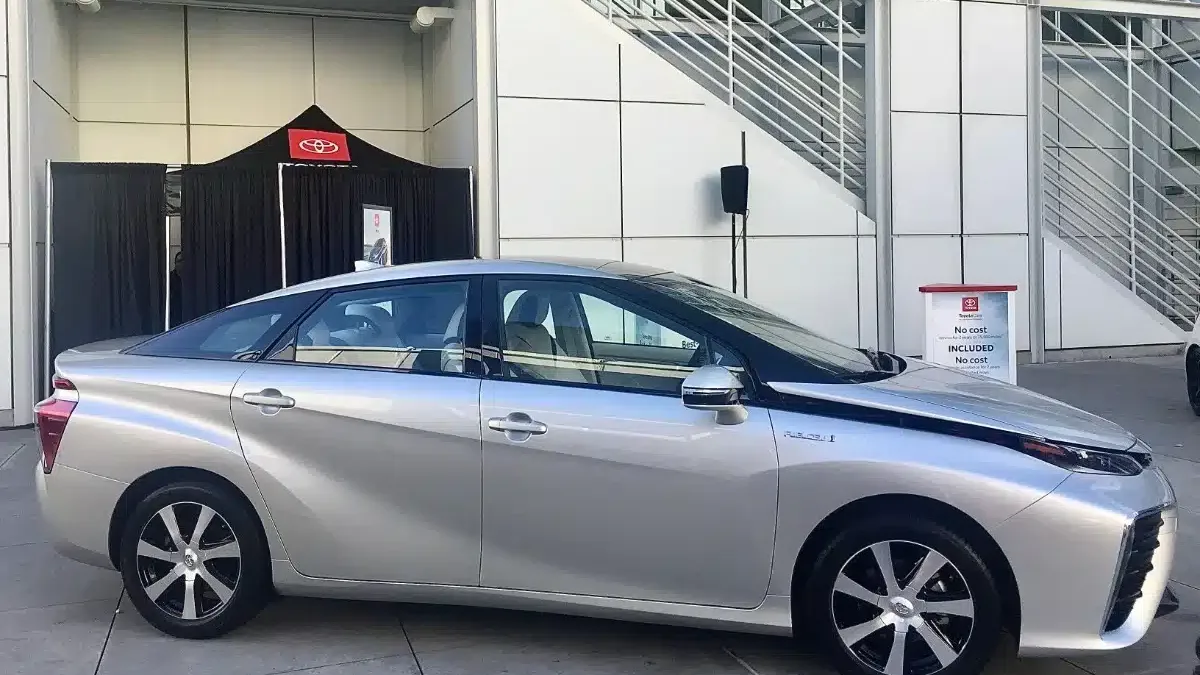
That number is for the new Mirai, the second generation.
The first-generation Mirai was a little more inefficient – 66 MPGe versus 70MPGe – which means it would’ve required around 227 kilograms of hydrogen to cover 15,000 miles instead of 214 kilograms.
As a consequence, covering the same distance in the old Mirai would’ve cost around $7,700.
Ouch.