АНУ-ын ерөнхийлөгч Дональд Трамп Саудын Арабтай цөмийн эрчим хүчний хэлэлцээр байгуулснаа зарласан нь Ойрхи Дорнод дахь зэвсэглэлээр хөөцөлдөх өрсөлдөөнийг улам өдөөж болзошгүй байна.
АНУ-ын засгийн газар Саудын Арабт уран баяжуулах боломж олгож, НҮБ-ын Олон улсын атомын энергийн агентлагийн (IAEA) хяналтын хатуу шаардлагыг сулруулсан гэрээнд гарын үсэг зуржээ. Шинжээчид энэхүү алхам нь Саудын Арабыг цөмийн зэвсэгтэй болох зам руу хөтөлж болзошгүй хэмээн анхааруулж байна. Өмнө нь АНУ Арабын Нэгдсэн Эмират улстай байгуулсан цөмийн гэрээг “алтан стандарт” хэмээн үздэг байсан бол шинэ хэлэлцээр нь олон улсын хяналтын тогтолцоог сулруулсан жишиг тогтоож байна.
Иран улсын цөмийн хөтөлбөрийг хязгаарлах нэрээр дайны ажиллагааг өргөжүүлж буй АНУ-ын бодлого нь бүс нутгийн тогтворгүй байдлыг гүнзгийрүүлж байна. АНУ-ын арми Иран руу 13 өдрийн турш цохилт өгснийхөө дараа өнгөрсөн амралтын өдрүүдэд ажиллагаагаа түр зогсоосон ч мөргөлдөөн дуусах шинжгүй байна. НҮБ-ын Ерөнхий нарийн бичгийн дарга Антониу Гутерриш бүс нутаг дахь хямрал нэг нэгээ өдөөж, төсөөлшгүй аюулын ирмэгт ирээд байгааг анхааруулав.
Израйл улс Катар дахь ХАМАС-ын удирдагчдын эсрэг цэргийн ажиллагаа явуулсан нь АНУ-ын хамгаалалтад найддаг байсан Персийн булангийн орнуудын итгэлийг алдагдууллаа. Түүнчлэн АНУ-ын ерөнхийлөгч уг цөмийн хэлэлцээрийг Саудын Араб улс Израйлыг хүлээн зөвшөөрөх нөхцөлтэйгээр хэрэгжинэ хэмээн мэдэгдсэн нь нөхцөл байдлыг улам ээдрээтэй болгов. Газын зурвас дахь мөргөлдөөн үргэлжилж буй энэ үед Палестины асуудлыг шийдвэрлэхгүйгээр Саудын Араб улс Израйлыг хүлээн зөвшөөрөх боломжгүй гэсэн байр суурьтай байна.
Олон улсын хэмжээнд цөмийн зэвсгийн хяналтын тогтолцоо суларч, ОХУ болон АНУ-ын гэрээ хугацаа нь дуусч, БНХАУ зэвсэглэлээ эрчимтэй нэмэгдүүлж байна. Дональд Трампын олон улсын байгууллагууд болон хэлэлцээрүүдийг үл тоомсорлох бодлого нь дэлхий дахинд цөмийн зэвсэг дэлгэрэх шинэ эринийг эхлүүлж болзошгүй байгааг шинжээчид шүүмжилж байна.
Дэлгэрэнгүйг эх сурвалжаас харах
↓Эх сурвалжийг нээх ↓
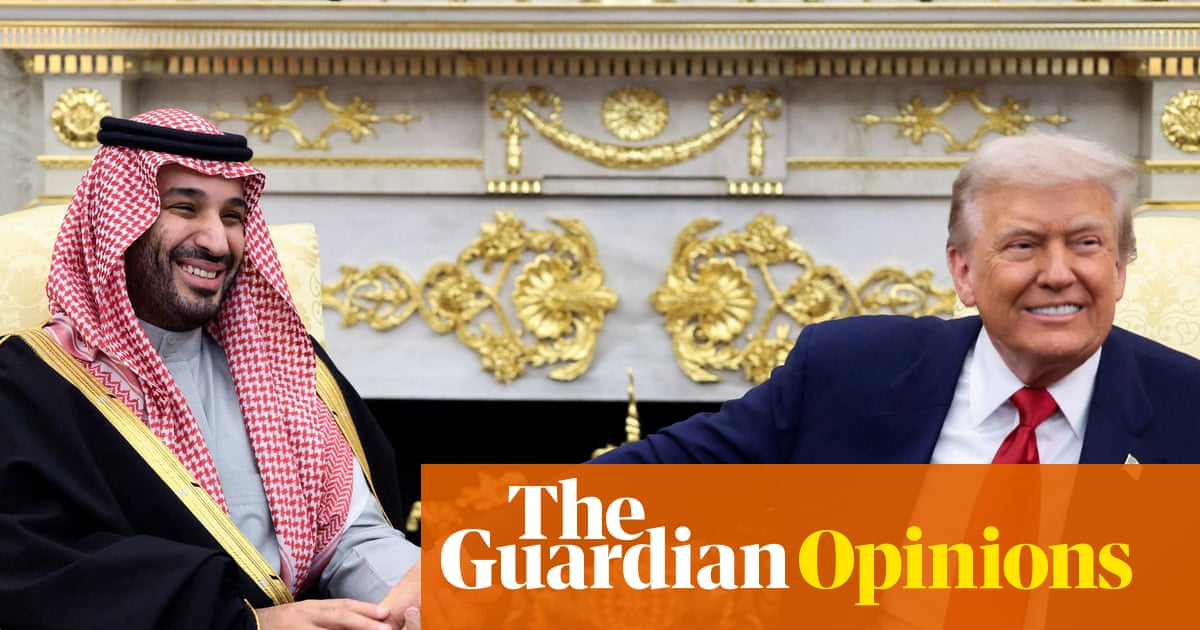
Even as he threatened to escalate an unlawful war sold in part as preventing Iran from gaining a nuclear weapon, Donald Trump opened the door to proliferation in the region on Wednesday. The US announced that it had signed a deal with Saudi Arabia which would potentially allow the kingdom to enrich uranium in future and to avoid the fullest inspection rights for the international watchdog.
Experts have long warned that a civilian nuclear programme could create a path towards a nuclear-armed Riyadh. Mohammed bin Salman, the Saudi crown prince and de facto leader, has said that if Tehran gets a nuclear weapon, “we will have to get one”. Concerns are magnified by the agreement’s terms. Washington previously argued that the “gold standard” was the United Arab Emirates’ agreement to permanently forgo enrichment and accept full monitoring by the UN’s International Atomic Energy Agency. Weakening it sets a precedent that Russia or China could also cite in nuclear deals in future.
The turmoil that Mr Trump has created in the Middle East is encouraging governments both to hedge their bets and to tool up. The US paused attacks on Iran at the weekend, after 13 successive days of strikes, amid reports that it is concerned about declining interceptor stockpiles, but no exit is in sight. As António Guterres, the UN secretary general, said on Thursday, the region “is teetering on the edge of [the] unimaginable … One crisis feeds another. One escalation triggers the next.”
Gulf states premised their security on American-guaranteed order. But Benjamin Netanyahu’s strike on Hamas leaders in Qatar last year showed that the US shield would not protect them from Israel (itself an undeclared nuclear power). The reckless war on Iran has made US military presence an invitation to damage. Washington may be looking to bind Riyadh closer with a reactor deal, though the billions of dollars involved is probably a bigger incentive for Mr Trump. The crumbling of the region’s internal architecture – most visibly with the UAE’s departure from Opec – adds to the dangers of proliferation. Players are acting less predictably.
The US president threw the Saudi deal into doubt within hours by declaring it contingent on Riyadh recognising Israel. That had long been a precondition for an agreement, but Israel’s war of annihilation in Gaza has shored up the Saudi position that recognition cannot happen without a Palestinian state. Yet even if no reactors are built, the announcement itself acts as legitimation of and encouragement for the pursuit of nuclear capabilities by others. Negotiations produced an Obama-era nuclear deal with which Tehran complied – until Mr Trump trashed the agreement. His war appears to have produced a more aggressive, risk-taking Iranian regime, as foretold; further military action is more likely to spur than end nuclear threat. The prospect of Riyadh acquiring a bomb is further encouragement.
Look further afield. The last US-Russia nuclear arms control treaty expired in February. China is rapidly expanding its arsenal. Asian and European states which counted on the US nuclear umbrella prior to Mr Trump are discussing acquiring or enhancing their own capabilities. Most of them at least understand that diplomacy, multilateralism and global standards are a better choice than a race for the bomb. Mr Trump does not believe in international institutions. But upholding existing nuclear safeguards would be in US interests too as we enter a new age of proliferation.