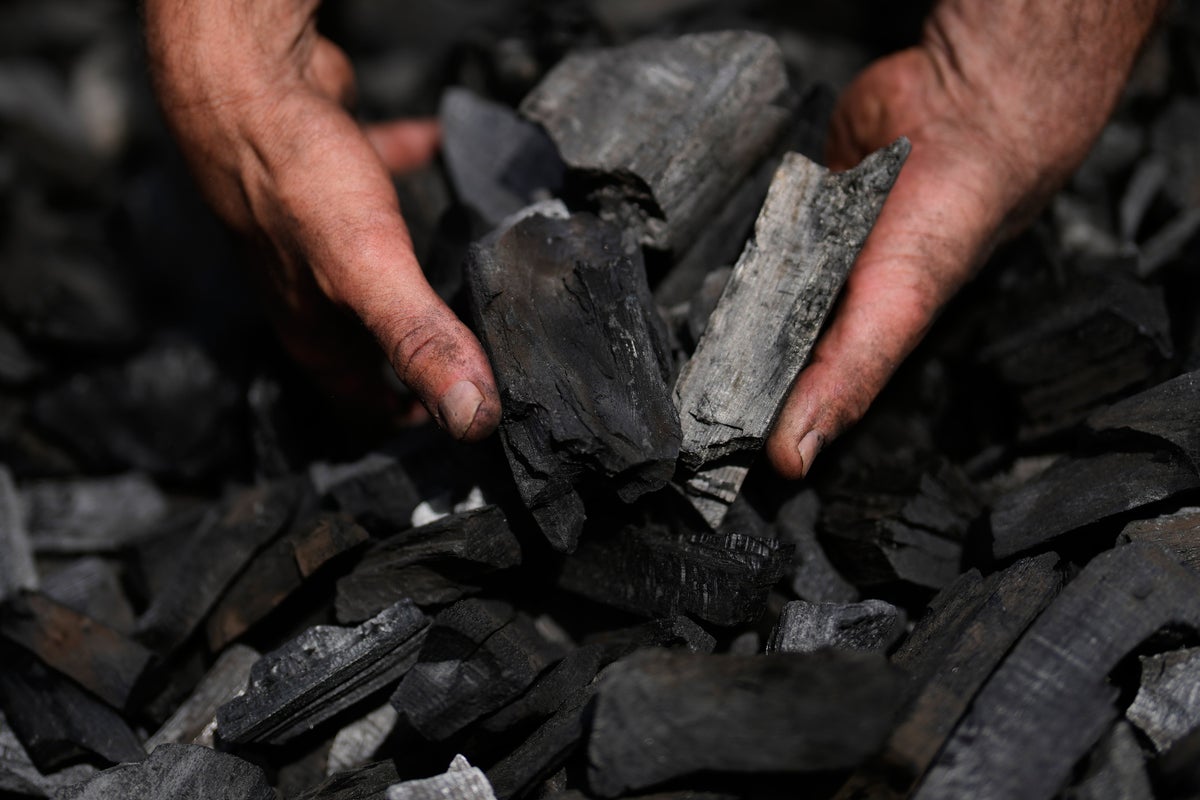
Германы Харц уулын бүс нутагт зуу гаруй жилийн түүхтэй нүүрс шатаах уламжлалт арга барил өнөөг хүртэл хадгалагдан үлджээ.
Харц уулын бүс нутагт Иммo болон Саша Фелмер ах дүүс эцгээсээ өвлөн авсан “Harzköhlerei Stemberghaus” компанийг удирдаж, нарс болон бусад модыг хөрсөөр хучиж, удаан хугацаанд шатаах замаар өндөр чанарын нүүрс үйлдвэрлэж байна. Энэхүү нарийн төвөгтэй процесс нь модны нягтыг хадгалахын зэрэгцээ өндөр хэмд шатах нүүрсийг гаргаж авахад чиглэдэг бөгөөд ажилчид нүүрсийг үнс болгохгүйн тулд өдөр шөнөгүй хяналт тавьж ажилладаг байна.
Түүхийн хувьд нүүрс нь Харц уулын бүс нутагт мөнгө, хар тугалга, зэс, цайр зэрэг металл хайлуулах үйлдвэрлэлд нэн чухал түүхий эд болж байжээ. Өнөө үед тус бүс нутагт уул уурхайн үйл ажиллагаа зогссон тул Фелмерийн гэр бүлийн үйлдвэрлэсэн нүүрсийг голчлон ахуйн хэрэглээний грилл болон шарсан махны зориулалтаар ашиглаж байна.
Фелмер хэлэхдээ, зах зээлд зарагдаж буй ихэнх нүүрс нь чанар муутай, холимог модны хог хаягдлаар үйлдвэрлэгддэг бол тэдний бүтээгдэхүүн нь цэвэр beech модоор хийгддэг гэдгээрээ ялгардаг гэв. Жилд дунджаар 40 тонн нүүрс үйлдвэрлэдэг тус бизнес нь дангаараа ашиг авчрах боломжгүй тул тэд нүүрс үйлдвэрлэлийн түүхийн музей, жижиг дэлгүүр, ресторан ажиллуулах замаар үйл ажиллагаагаа өргөжүүлжээ.
Германд энэхүү гар урлал бараг устаж үгүй болсон ч Фелмер гэр бүлийн уламжлалаа үр хүүхдүүддээ өвлүүлэн үлдээж, түүхэн өвийг хадгалан авч үлдэхийг зорьж байна.
Дэлгэрэнгүйг эх сурвалжаас харах
↓Эх сурвалжийг нээх ↓
Immo Feldmer carefully tipped smouldering charcoal into a tall mound of earth, initiating an ancient tradition of coal burning that has endured for centuries in Germany’s Harz mountain region.
This meticulous process sees tightly packed beech wood smoulder for weeks within the mound, slowly transforming into the valuable charcoal – a craft that has defined this eastern German landscape for hundreds of years.
“We are making charcoal in traditional earthen kilns, just as it was done here in the Harz Mountains over 1,000 years ago,” Mr Feldmer explained during a recent interview, standing amidst the mounds in the Harz forest near Hasselfelde.
He and his brother Sascha inherited the Harzköhlerei Stemberghaus charcoal business from their father.
The process demands constant vigilance, with a small team of workers attending to the smouldering wood day and night to prevent it from igniting and reducing to useless ash.
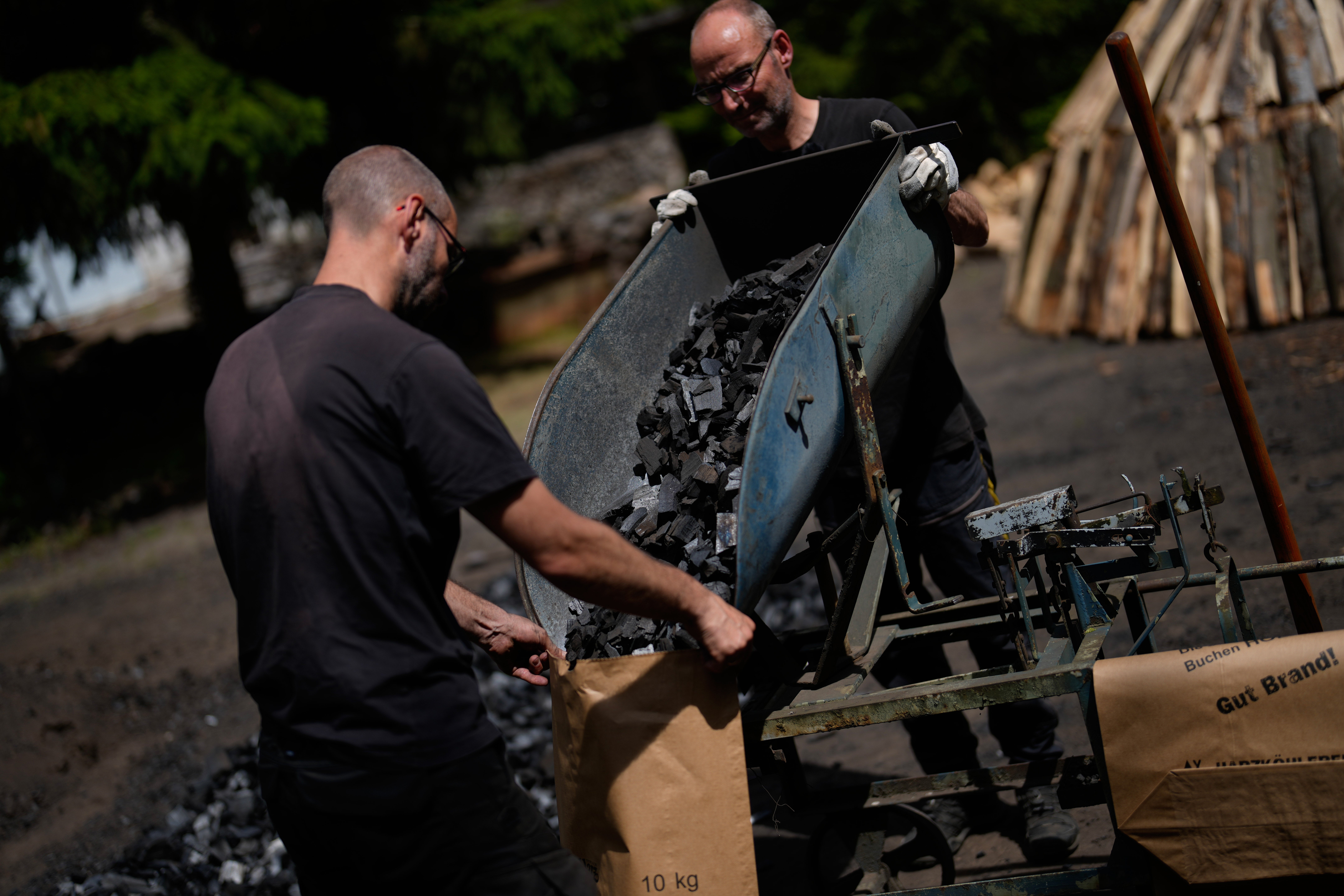
Once covered in earth, the beech wood — which is known for its high density and the high temperatures it creates once it’s been turned into charcoal — burns from top to bottom with the help of air holes. The charcoal is then swept clean of soil, and when it has cooled down, it’s packed into 10-kilogram (22-pound) bags for sale.
Charcoal production was essential for mining ore in the Harz Mountains. To extract valuable metals such as silver, lead, copper, and zinc from the hard rock, the ore was crushed and then smelted in a furnace using intense heat. The extremely high temperatures required could only be achieved using charcoal.
Over the centuries, hundreds of families in the Harz region earned their living as charcoal burners. These days ore is no longer mined there and only a few coal burners are left in Germany. The Feldmers mostly sell their charcoal to people using it for barbecues at home.
“Our charcoal is, first and foremost, made from pure beech wood,” Feldmer said, adding that most of the charcoal sold at hardware stores in the country is imported and made of “mixed woods, scrap wood, and waste wood so it can be produced cheaply.”
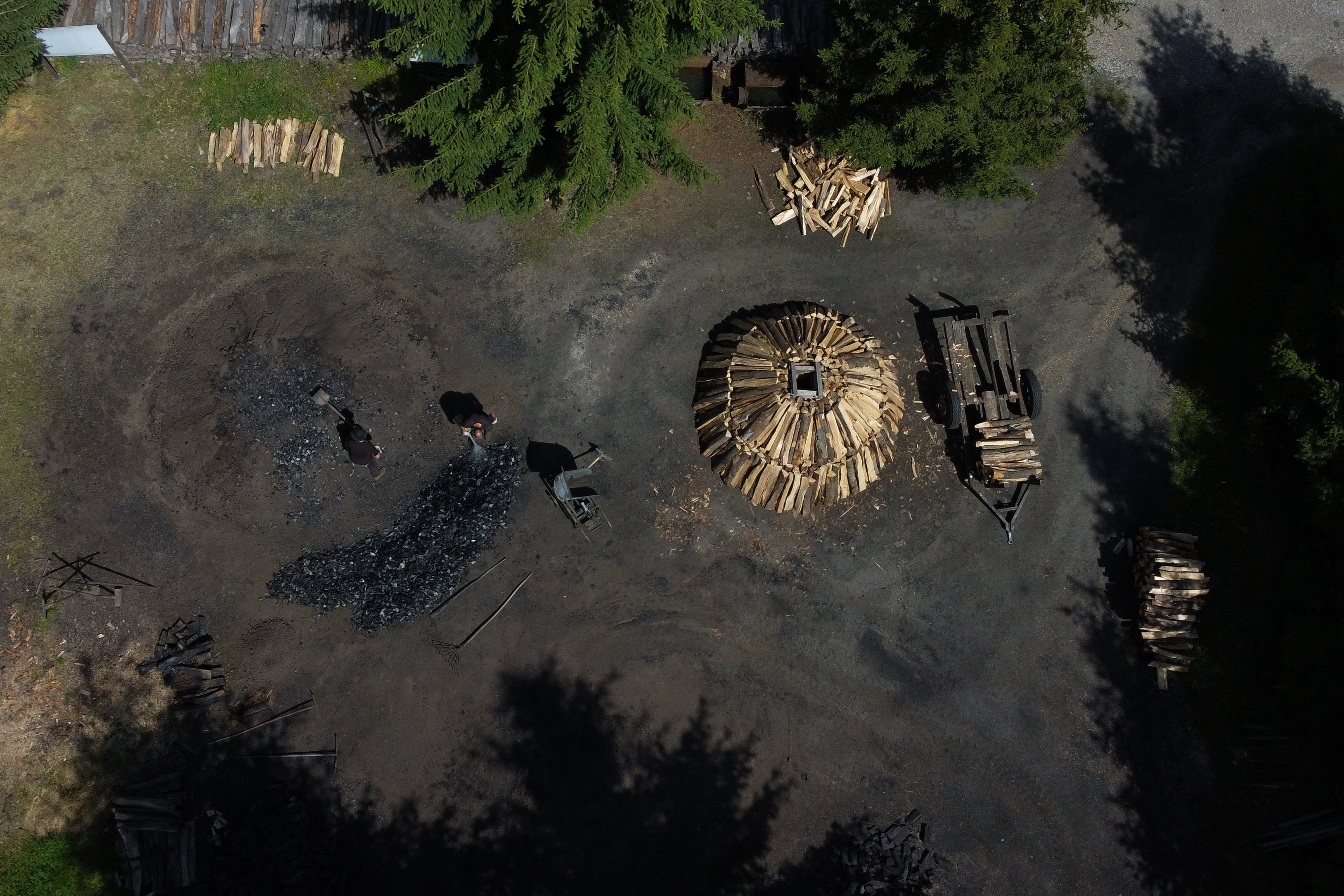
As Feldmer and his brother would not be able to live from the coal burning business alone — they produce around 40 tons annually — they’ve also opened a museum about the history of coal burning, a small store and a restaurant where guests can get local specialties including steaks grilled over homemade birch charcoal.
Though the craft of char burning has essentially died out in Germany, Feldmer hopes that his family will keep the tradition alive.
“Of course, we hope … that our business here will be taken over by our children, that it will continue to operate, and that the traditional craft of charcoal burning will be preserved here,” he said.

