АНУ-ын Ерөнхийлөгч Дональд Трамп Ойрхи Дорнодын хямралыг дипломат аргаар шийдвэрлэхэд хангалттай хугацаа үлдээгүй гэж мэдэгдээд, хэлэлцээ үр дүнд хүрэхгүй бол Ираны эсрэг хүчтэй цэргийн ажиллагаа явуулахад бэлэн байгаагаа илэрхийлжээ.
Ираны Гадаад хэргийн яамны хэвлэлийн төлөөлөгч Эсмаил Багаеи одоогоор АНУ-тай ямар нэгэн шууд хэлэлцээ хийгээгүй байгааг мэдэгдсэн байна. Тэрээр Иран болон Оманы хооронд Ормузын хоолойг удирдах асуудлаар техникийн хэлэлцээ үргэлжилж байгааг онцолсон ч үүнийг АНУ-тай хийж буй яриа хэлэлцээтэй холбоогүй болохыг тодотгов.
АНУ-ын зэвсэгт хүчин сүүлийн хоёр долоо хоногт Ираны эсрэг агаарын цохилт өгөхөө түр зогсоосон нь Оман, Хятад, Катар, Пакистаны оролцоотойгоор хийгдэж буй дипломат яриа хэлэлцээний үр дүн гэж үзэж байна. Ойрхи Дорнод дахь АНУ-ын цэргийн командлагч, адмирал Брэд Купер агаарын бөмбөгдөлтийн үр нөлөө буурсан тул цэргийн ажиллагааг зогсоох зөвлөмж өгсөн гэх мэдээлэл байна.
Одоогоор талууд Ормузын хоолойгоор дамжин өнгөрөх тээврийн хөлөг онгоцнуудаас хураамж авах асуудлаар санал зөрөлдөж байна. Иран улс өөрийн нутаг дэвсгэрийн болон хүрээлэн буй орчны аюулгүй байдлыг хангах үүднээс хураамж авах төлөвлөгөө боловсруулсан бол Оман улс үүнийг Олон улсын далайн эрх зүйд нийцүүлэн сайн дурын үндсэн дээр хэрэгжүүлэх Малаккын хоолойн загварыг санал болгож байна.
НҮБ-ын мэдээлснээр, Ормузын хоолойгоор дамжин өнгөрөх хөлөг онгоцны тоо дайн эхлэхээс өмнөх үетэй харьцуулахад өдөрт дунджаар 130-аас тав хүртэл буурчээ. АНУ Ираны газрын тосны экспортын эсрэг хориг арга хэмжээгээ чангатгаж, тус бүс нутагт хөлөг онгоцны хөдөлгөөнийг хязгаарлах оролдлогуудыг эсэргүүцсээр байна.
Дэлгэрэнгүйг эх сурвалжаас харах
↓Эх сурвалжийг нээх ↓
Donald Trump once again warned the US will return to “strong military action” against Iran if diplomatic efforts do not bring a rapid resolution to the crisis in the Middle East.
“We are in very deep talks with Iran. If they don’t work out, we will go back to very strong military action,” the US president told Axios on Monday. Asked how long he would allow the talks to proceed, he answered: “Not much time. Either it goes fast or not at all.”
Earlier, Tehran said there were no direct talks with the US to end the conflict, which began in late February with a wave of US-Israeli strikes and has rocked the region and the global economy.
“Mediators may convey messages from the American side to us regarding current developments in the region. But at present, we are not engaged in any negotiations with the United States,” said Iranian foreign ministry spokesperson Esmaeil Baqaei.
The diplomatic back and forth came as Oman and Iran drew closer to an agreement in principle on the future management of the strait of Hormuz, but remain unable to resolve Tehran’s demand that all ships passing through the strategic waterway must pay some type of transit fee or toll to a consortium led by the two countries.
Oman and Iran met for technical talks in Tehran on Friday and Saturday that may hold the key to tpreventing a further round of fighting.
Perceived progress in the talks – backed by China, Qatar and Pakistan – was understood to have fed into the US decision to pause its attacks on Iran after nearly two weeks.
Senior US officials are also reported to have warned Trump over dwindling US munitions stockpiles and the impact of Iranian reprisals on US bases in the region, including Kuwait, and Jordan.
The top US military commander in the Middle East, Adm Brad Cooper, reportedly recommended stopping the bombing campaign around the strait because it has reached the limit of its effectiveness.
The US attacks have been described by Washington as a response to repeated Iranian breaches of the memorandum of understanding signed in June, including by trying to prevent commercial shipping transiting the strait through a southern route overseen by the US.
Iran argues the southern route breaks the ceasefire agreement, which it insists left the country in sole charge of how the strait was reopened.
“The aim of the Tehran talks is to marry the Iran and Oman proposals so what emerges is clearly compliant with the law of the sea, and internationally acceptable,” a diplomat said.
At a Tehran press conference, Baghaei denied the pause in US fighting amounted to an informal ceasefire.
Oman has been trying since May to persuade Tehran that any plan for charging fees in the strait must be voluntary, to comply with the law of the sea. It has proposed a model similar to that which governs the strait of Malacca since countries that use that it voluntarily contribute to a fund that provides environmental and safety services to shipping.
Oman argues that a similar entity could be set up in the strait of Hormuz with the agreement of the UN and the International Maritime Organisation. The IMO secretary general, Arsenio Dominguez, has told the Guardian the Malacca strait model is worth considering for the strait of Hormuz.
Iran’s Department of Environment has drafted its own plan, under which “the annual passage of over 50,000 ships and oil tankers through the strait of Hormuz and their role in polluting the Persian Gulf” must be compensated. Under the plan, Iran would be able to collect “fees” from passing vessels proportional to the type of ship, cargo volume, navigation history and history of pollution.
The comparison between the straits of Malacca and Hormuz is imperfect since – unlike in Hormuz, fewer ships see ports in the Malacca strait as a destination point.
But the Iranian media appears increasingly drawn to the Malacca model. Khabaronline news agency argued such an agreement would be “a win-win situation for Iran”.
Baghaei described the talks with Oman as useful and constructive, but said they had nothing to do with the United States. “The goal is for Iran and Oman, as two coastal states, to develop mechanisms to ensure safe shipping in the strait of Hormuz, while respecting the sovereign rights of the two coastal states and also preserving Iran’s security and national interests,” he said.
Oman is in a tight spot since it knows the US is opposed to the introduction of tolls, but might accept a very clearly delineated system of fees for specific services.
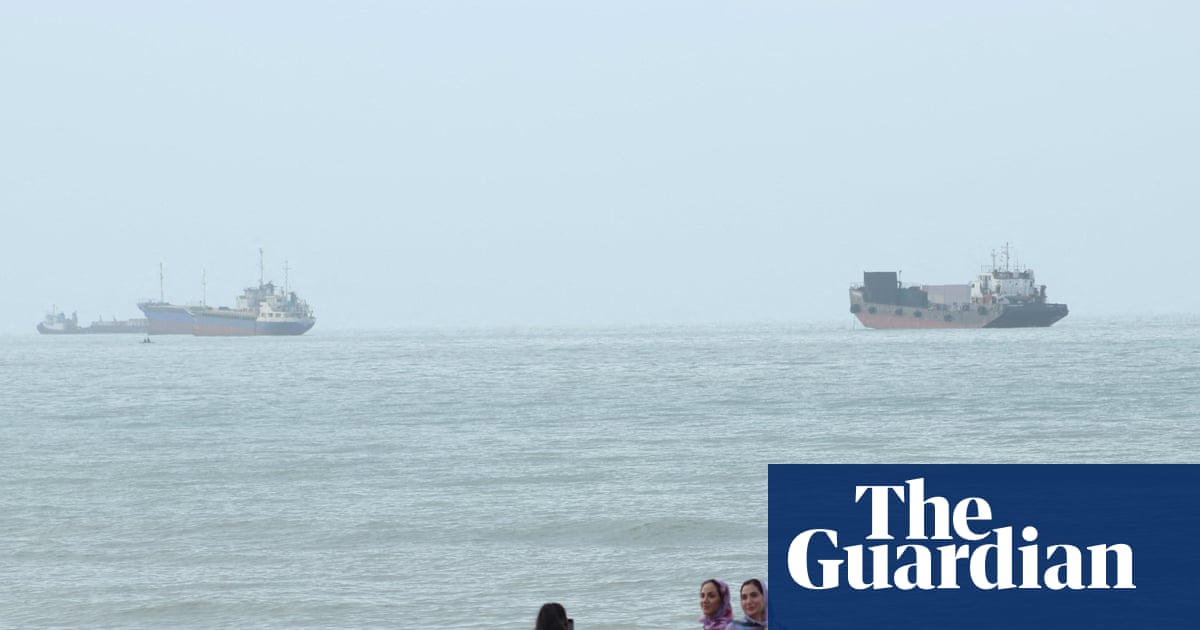
The talks come as the US continues to encourage commercial shipping to test the strength of the Iranian blockade of the strait.
Iranian officials reported that six vessels with their navigation systems switched off attempted to pass through the southern route of the strait of Hormuz on Sunday. One of them was fired upon and the others were turned back to the Persian Gulf. The US has reimposed a blockade of Iranian oil exports, and ended a sanctions waiver on its oil exports.
The United Nations Office for Project Services on Monday said transits through the strait of Hormuz have fallen to an average of approximately five ships a day over the past week, compared with nearly 130 a day before the war.