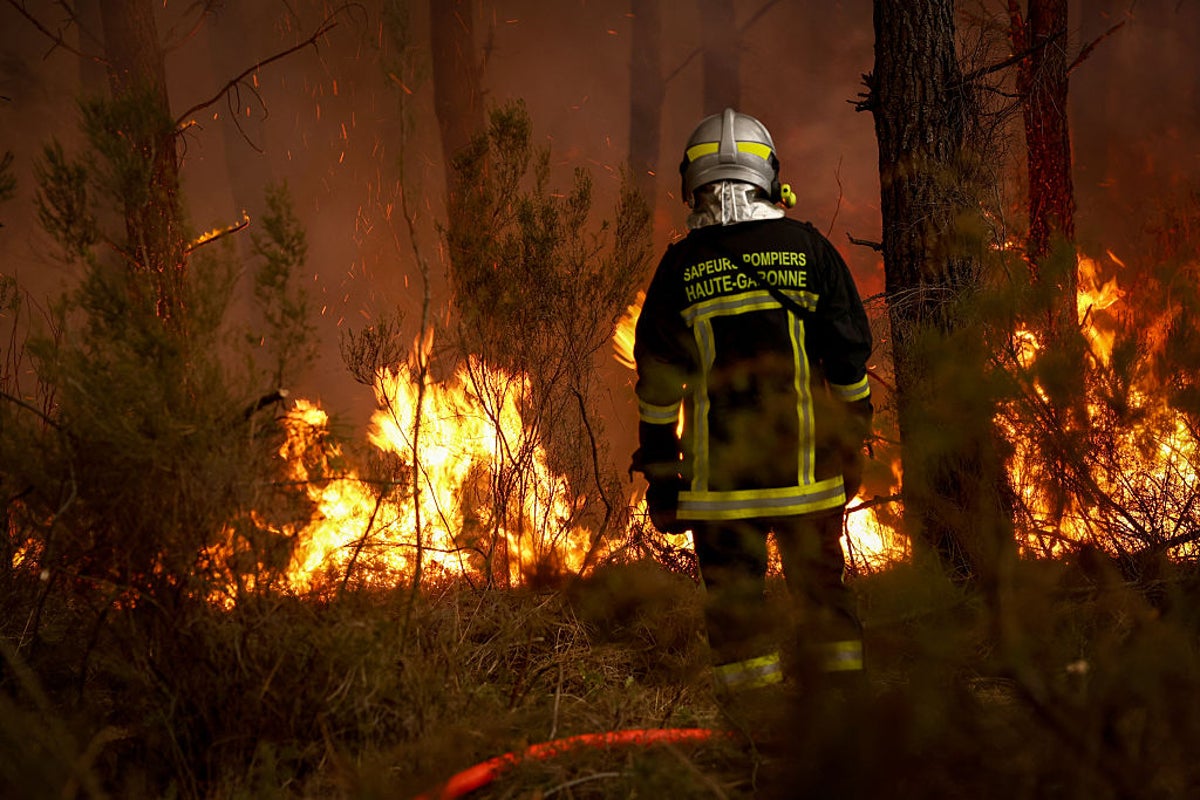
Францын алдартай усан үзмийн тариалангийн бүс нутагт нүүрлэсэн ойн түймэр болон удаан үргэлжилсэн ган гачиг нь тус салбарын ирээдүйд ноцтой сорилт болж байна.
Бордо орчмын бүс нутагт хоёр сар шахам үргэлжилсэн хуурайшилт, хэт халалт нь усан үзмийн ургацад дарамт учруулж, ургац хураалтыг түүхэнд байгаагүй эрт эхлүүлэхэд хүргэжээ. “Chateau Palmer”-ийн ерөнхий захирал Томас Дюругийн мэдэгдснээр, одоогийн байдлаар усан үзмийн чанарт ноцтой хохирол учраагүй ч урт хугацааны нөөц бололцоо, ялангуяа усны нөөцийн хомсдол нь тариалан эрхлэгчдэд томоохон дохио болж байна. Уг хүндрэлээс үүдэн зарим тариаланчид усан үзмийн талбайг услах онцгой зөвшөөрөл хүссэн нь уламжлалт тариалангийн арга барилыг өөрчлөх шаардлагатай байгааг харуулж байна.
Уур амьсгалын өөрчлөлтөөс гадна Бордогийн дарсны салбар эдийн засгийн хүндрэлтэй тулгарч байна. Дарсны хэрэглээ буурч, экспортын эрэлт суларснаас үүдэн зах зээлийн үнэлгээ сүүлийн таван жилийн хугацаанд бараг тавны нэгээр буурчээ. Үүнтэй холбоотойгоор үйлдвэрлэлийг зохицуулах, зах зээлийг тэнцвэржүүлэх зорилгоор усан үзмийн талбайг цөөлөх арга хэмжээг хэрэгжүүлж байгаа юм.
Салбарын мэргэжилтнүүд усан үзмийн тариаланг цаг уурын өөрчлөлтөд дасан зохицох чадвартай болгох, усны нөөцийг хамгаалах нь нэн тэргүүний зорилт гэдгийг онцолж байна. Хэрэв ойрын хугацаанд хур тунадас орохгүй бол усан үзмийн мод өөрийгөө хамгаалахын тулд ургалтын явцаа зогсоож, үр жимс нь хатах эрсдэлтэй байгааг тариаланчид анхааруулж байна.
Дэлгэрэнгүйг эх сурвалжаас харах
↓Эх сурвалжийг нээх ↓
Wildfires raging near Bordeaux are starkly illuminating the profound climate challenges confronting France’s premier wine region, where producers are battling severe drought, escalating temperatures, and a downturn in wine consumption.
While growers assert that the blazes pose no immediate threat to Bordeaux’s renowned vineyards, nearly two months of relentless drought and successive heatwaves have intensified stress on the vines, precipitating one of the earliest harvests on record.
Thomas Duroux, director general of Chateau Palmer, noted that while the vines in Margaux, a prestigious appellation, remain intact and wine quality is not expected to suffer from the fires, the “warning signs are everywhere.” France’s scorching summer has exacerbated drought conditions, strained water supplies, and left vegetation dangerously dry, fueling wildfires and imperiling crops nationwide.
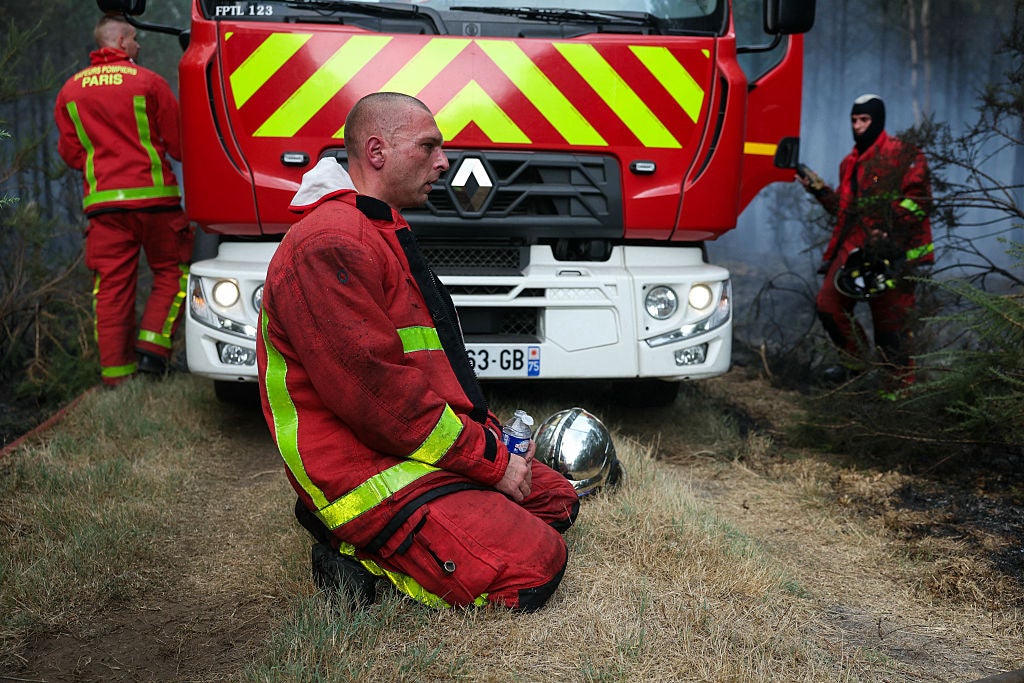
This year’s events serve as a critical “wake-up call,” according to Duroux. “We are facing something we have never seen before. We not only have to limit the damage, but also look to the future,” he stated. He emphasized that immediate priorities include securing “water resources — because without water we will no longer be able to plant vines in conditions like these — and adapting our vineyard so it becomes more resilient to these climatic conditions.” Young vines, with their shallower root systems, have been the first to succumb to the lack of underground moisture.
Some local wine authorities have sought special exemptions this year to permit irrigation of producing vines, an extraordinary measure in a region where watering has historically been restricted to young and fragile plants.
However, many chateaux lack sufficient water to irrigate their entire vineyards, Duroux explained. While climate change has, in some instances, yielded benefits like riper grapes and richer wines, even producing exceptional quality in hot years such as 2020, 2022, and 2025, growers warn that without rain in the coming weeks, vines could shut down to protect themselves, causing grapes to shrivel.
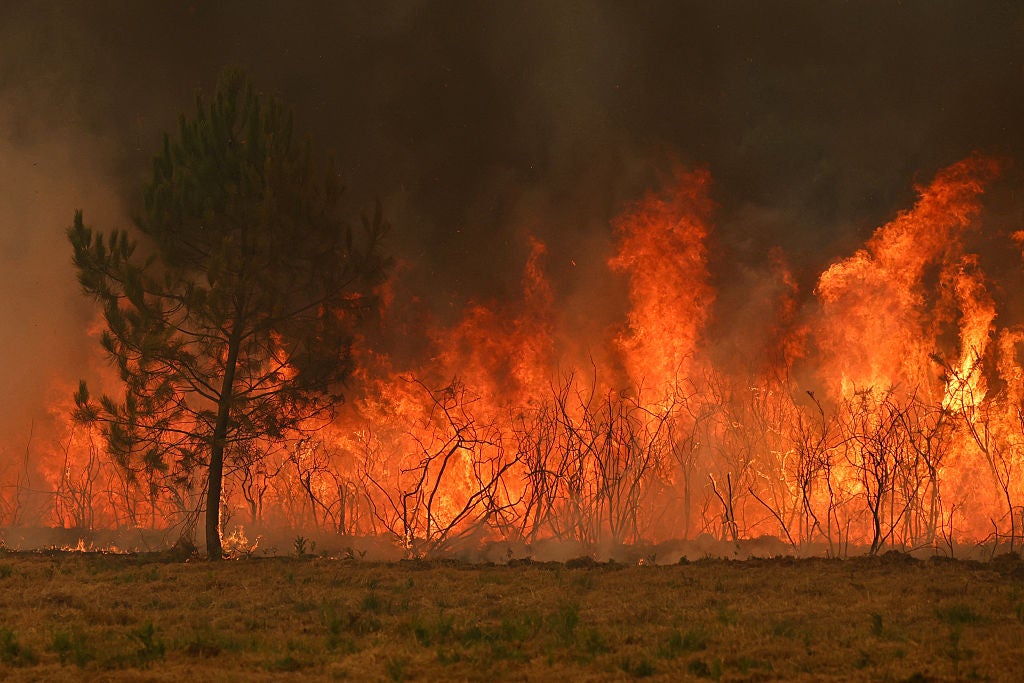
Such an outcome would jeopardize both yields and quality, pushing harvest dates to unprecedented early periods. Yet, climate change is not the sole adversary facing the industry. Many French producers have grappled for years with depressed prices, a consequence of declining consumption, weaker export demand, and oversupply, forcing some to sell wine at a loss.
This crisis prompted a vine-pull scheme, compensating producers to uproot vineyards to reduce production and help rebalance the market. Even prestigious wines have not been immune to the downturn. The Bordeaux fine wine market has shed nearly a fifth of its value over the past five years, as indicated by the Liv-ex Bordeaux 500 Index. The region’s once-thriving en primeur market, where buyers purchase wines still aging in barrels, has also lost momentum, leading several chateaux to reduce prices.

