Тус улсын газрын тос боловсруулах гол төвүүдийн үйл ажиллагаа доголдож, хөрөнгө оруулалт татах боломж хязгаарлагдмал хэвээр байна.
Венесуэлийн Парагуана боловсруулах төв, тэр дундаа Амуй болон Кардон үйлдвэрүүдийн хүчин чадал олон жилийн турш үргэлжилсэн хөрөнгө оруулалтын дутагдал, тоног төхөөрөмжийн эвдрэлийн улмаас эрс буурчээ. Тус улсад саяхан болсон хүчтэй газар хөдлөлт нь дэд бүтцийн нөхцөл байдлыг улам хүндрүүлсэн бөгөөд шинжээчид газрын тос боловсруулах салбарыг сэргээхэд дор хаяж 20 тэрбум ам.доллар шаардлагатай гэж үзэж байна. Одоогийн байдлаар засгийн газрын тэргүүлэх зорилт нь газар хөдлөлтийн дараах сэргээн босголт болоод байгаа тул томоохон хөрөнгө оруулалтыг 2027 он хүртэл хойшлуулах төлөвтэй байна.
АНУ-ын дэмжлэгтэйгээр ерөнхийлөгч асан Николас Мадурог албан тушаалаас нь зайлуулсны дараа олон улсын томоохон компаниуд Венесуэлийн эрчим хүчний салбарыг сонирхож эхэлсэн ч боловсруулах үйлдвэрүүдэд хөрөнгө оруулах сонирхол сул байна. АНУ өөрийн улсын боловсруулах үйлдвэрүүддээ Венесуэлийн хүнд, хүхэр ихтэй газрын тосыг боловсруулах чадавхтай тул тус улсын дотоодын үйлдвэрүүдийг шинэчлэхэд төдийлөн анхаарахгүй байгаа юм. Мөн шинээр батлагдсан хууль тогтоомж, татварын бодлого нь гадны хөрөнгө оруулагчдын хувьд тийм ч таатай нөхцөлийг бүрдүүлж чадахгүй байна.
Венесуэлийн төрийн өмчит PDVSA компани нь дотоодын түлшний хэрэгцээг хангахад ихээхэн хүндрэлтэй тулгарч байгаа бөгөөд улс төрийн нөхцөл байдлаас шалтгаалан шатахууны үнийг хямд түвшинд барьж байгаа нь компанийн санхүүгийн чадавхийг сулруулж байна. Хэдийгээр АНУ-ын зүгээс тавьсан хориг арга хэмжээний улмаас ОХУ, БНХАУ, Иран зэрэг улсын компаниудын оролцоо хязгаарлагдмал байгаа ч АНУ-ын зүгээс Венесуэлийн түүхий газрын тосны экспортыг нэмэгдүүлэхэд түлхүү анхаарч байна. Иймд тус улсын газрын тос боловсруулах салбарын ирээдүй тодорхойгүй хэвээр үлдэж, эдийн засгийн тогтвортой байдал болон хөрөнгө оруулалтын орчин сайжрах хүртэл томоохон өөрчлөлт гарах магадлал бага байна.
Дэлгэрэнгүйг эх сурвалжаас харах
↓Эх сурвалжийг нээх ↓
Venezuela’s Paraguana Refining Center, once a proud emblem of the nation’s vast oil wealth and its ambition to convert crude reserves into fuel and export revenue, now stands as a stark symbol of decay.
The 955,000-barrel-per-day complex in Falcon state operates at a mere fraction of its capacity, a decline that has unfolded over decades and is unrelated to the powerful earthquakes that recently struck the country.
Months before the seismic events, Reuters visited the area surrounding the Amuay and Cardon refineries, which form the Paraguana complex, alongside one of Venezuela’s other two active refineries.
Interviews with four dozen workers, contractors, residents, and experts painted a grim picture. One worker at the 645,000-barrel-per-day Amuay refinery described everything as “ugly and rusty,” with open-air waste pits nearly full and residue seeping across pipelines and valve stations.
Workers attribute the dire state to years of underinvestment, equipment failures, and shortages, leaving Paraguana struggling to produce the fuel Venezuelans desperately need.
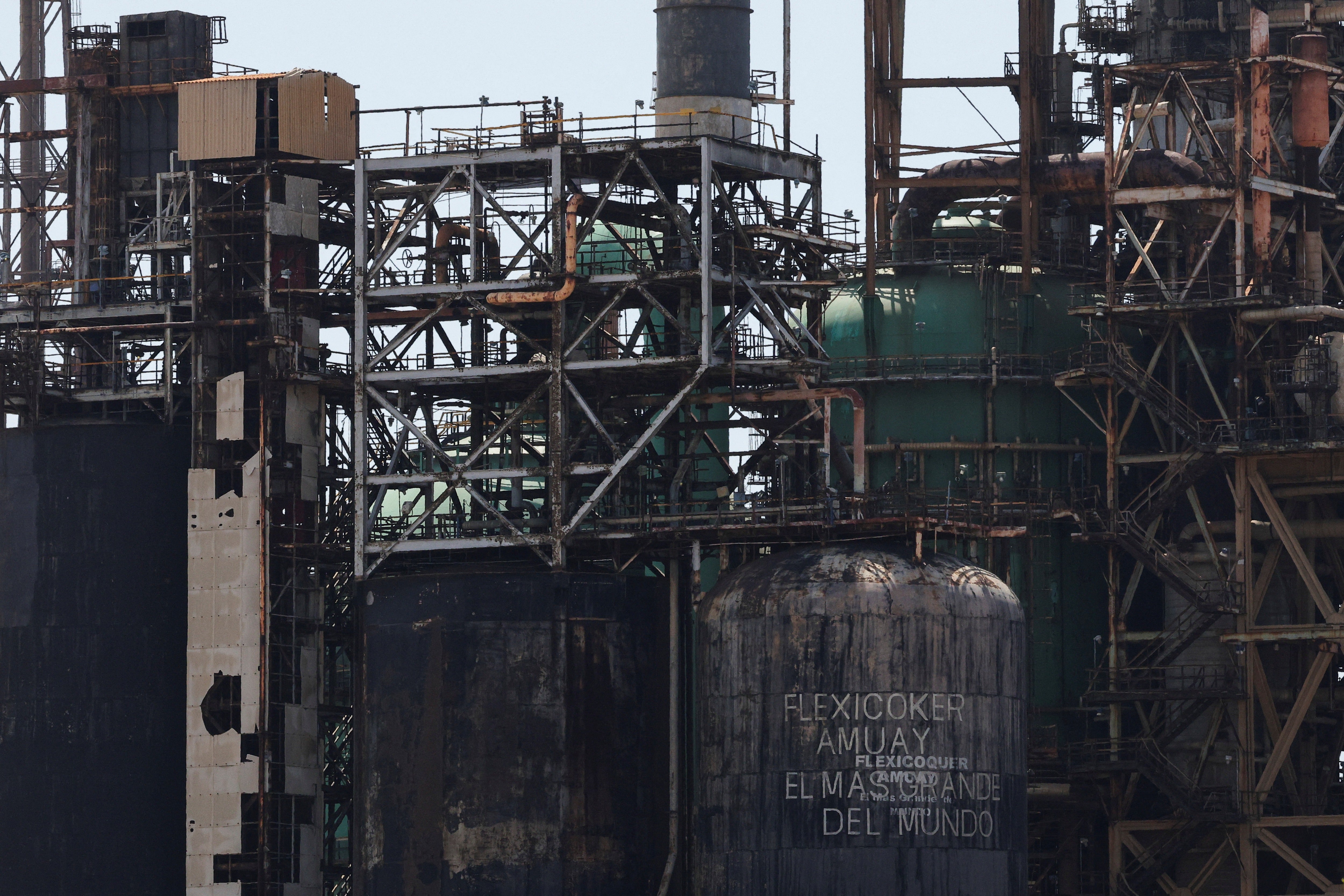
The investigation revealed widespread deterioration and minimal ongoing maintenance across all three facilities, underscoring the immense challenges Venezuela faces in revitalizing its oil infrastructure for its citizens. This comes even as President Donald Trump promises $100 billion in investments from foreign oil companies.
Venezuela’s refineries are simultaneously among its most dilapidated assets and most crucial for domestic consumers. Yet, industry executives and analysts told Reuters these facilities are among the least likely to attract foreign investment in the near future. The recovery efforts following the two earthquakes, which claimed over 5,000 lives and caused extensive destruction, have further complicated the refineries’ outlook.
Oswaldo Felizzola, a Venezuelan energy analyst, stated, “Right now, the priority clearly seems to be rebuilding and dealing with all the devastation the earthquakes caused across the country.”
He anticipates that any significant investments in refining will likely be postponed until 2027 and beyond, as the government prioritizes oil production. Fully restoring refining capacity would require at least $20 billion, an estimate echoed by other industry experts interviewed by Reuters.
Newfound interest in Venezuela
Some U.S. and multinational oil companies have expressed interest in Venezuela this year, following the U.S.-backed ousting of socialist President Nicolas Maduro in a January 3 raid. However, these companies have little incentive to rehabilitate local refineries when the U.S. possesses its own facilities capable of processing Venezuela’s challenging heavy sour crude grades.
This situation leaves the government of interim President Delcy Rodriguez with scant hope of securing funds from foreign oil companies or from the refineries themselves, which supply the domestic market at prices well below operating cost due to long-standing policies deepened by socialist administrations.
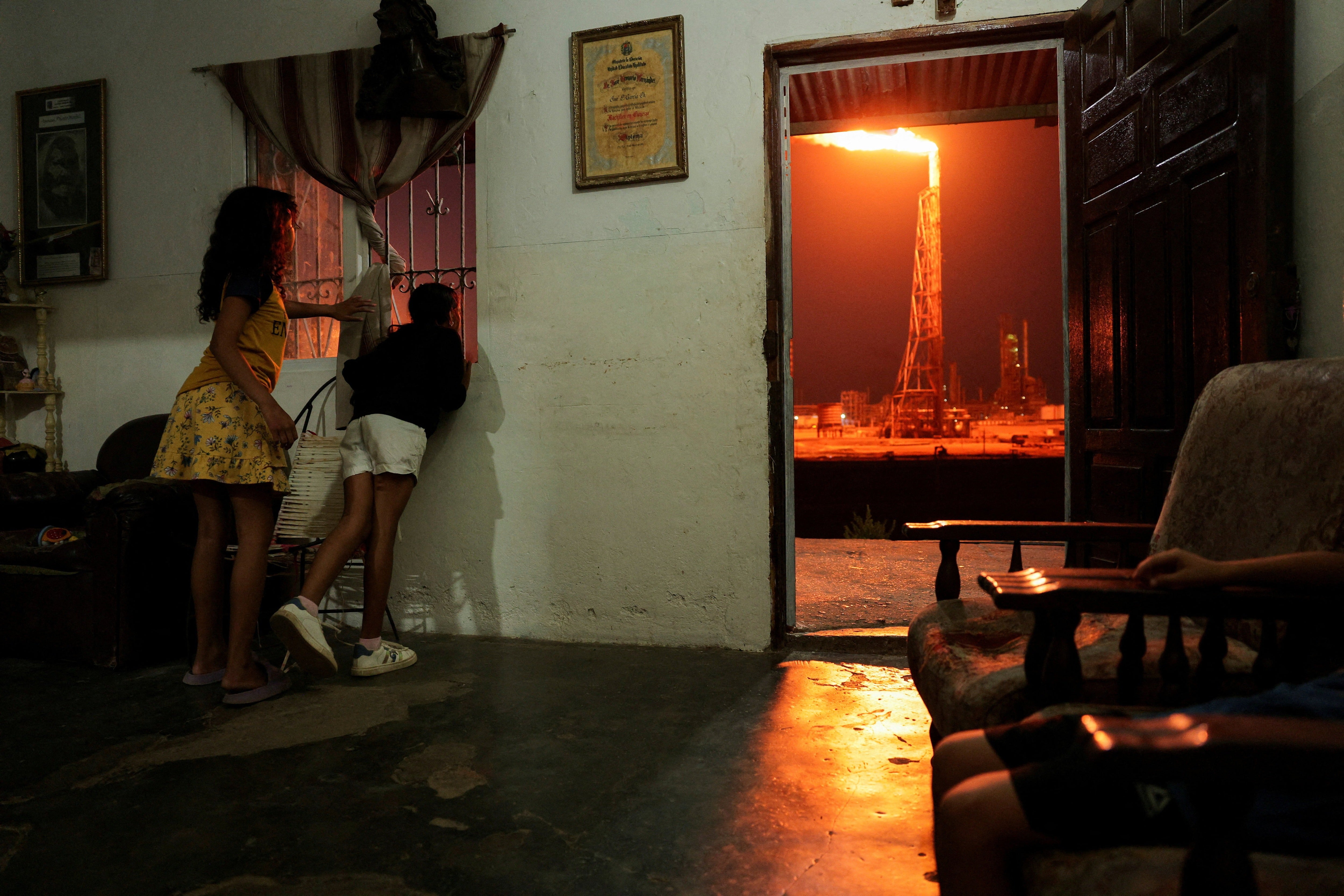
Conditions on the ground are dire. At the Amuay refinery, for instance, a flexicoking unit that once converted heavy, low-value residue into higher-quality low-sulfur fuel is now idled and blackened, according to workers and a recently retired engineer. The engineer lamented that the plant had been stripped for parts and was unsalvageable, stating, “If we needed a pump, we looked for it there; if we needed a pipe or an instrument, we looked there.”
Large oil companies remain wary of investing even in more attractive sectors like crude and natural gas production. Exxon Mobil and ConocoPhillips both departed Venezuela in 2007 after then-president Hugo Chavez expropriated their projects. While many foreign oil companies have signed memoranda of understanding for exploration and production projects, negotiations with the government for final contracts are progressing slowly following a reform of energy legislation.
A White House spokesperson, when asked about Venezuela’s refineries, stated that the U.S. is not involved in their rebuilding and noted that Venezuela’s oil exports recently reached a seven-year high.
Legislation approved this month, building on the country’s recently reformed hydrocarbons law, established a licensing system allowing private companies to operate refineries – previously the sole domain of state-run PDVSA – and sell the fuel they produce. However, analysts contend the model is not attractive enough to investors, partly due to a new tax of up to 5% on refiners’ gross income.
Despite possessing some of the world’s largest crude reserves, PDVSA has struggled over the past decade to produce enough fuel to meet domestic demand, which currently stands at approximately 250,000 barrels per day. The Paraguana complex has seen no major repairs this year, refinery workers and contractors reported, after China’s Jiazhan Shaelion reduced its operations there.
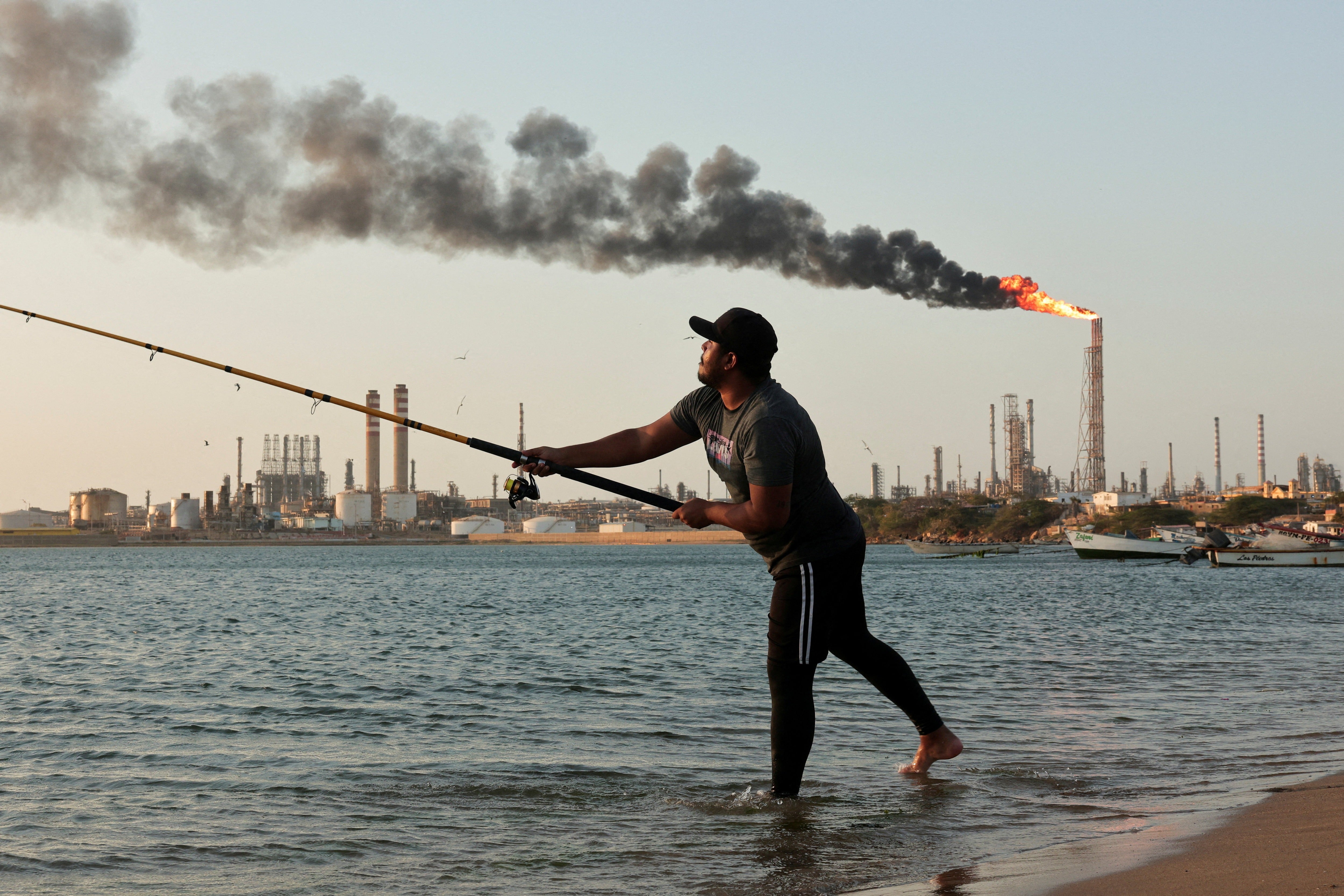
The company, a key PDVSA refining contractor, is completing one pending project but has been unable to agree on a new contract with PDVSA, according to a Jiazhan employee. As it extended U.S. licenses this year to foreign firms aiming to expand or return to Venezuela, the Trump administration excluded companies from nations it considers adversaries, including Russia, China, Iran, North Korea, and Cuba. Officials from PDVSA, the Venezuelan government, and Jiazhan Shaelion’s Venezuela offices did not respond to requests for comment.
At PDVSA’s smaller refineries, the 187,000-bpd Puerto La Cruz and the 146,000-bpd El Palito, local contractors have repeatedly repaired a poorly operating catalytic cracker and power supply since last year, according to five separate employees. The last major repair at El Palito was executed through early 2024 by Iranian state firms.
Subsequent work to secure enough power for the refinery to operate independently from the grid proved insufficient to withstand an emergency when the quakes hit in June. A critical power transmission line to the refinery failed, leading to its shutdown for about two weeks. The refinery restarted in mid-July but is slated for major maintenance in the coming weeks, including post-quake inspections. Some smaller repair projects had previously allowed El Palito and Amuay refineries to recover about 20,000 bpd of processing capacity each, PDVSA Refining Vice President Jovanny Martinez said at an April conference.
The refining problems stand in stark contrast to gains in crude output. Since January, U.S. control of oil sales proceeds has allowed crude production to rebound and exports to rise to approximately 1.2 million bpd from less than 800,000 bpd. However, there has been minimal focus on refining.
Eric Smith, associate director of Tulane University’s Energy Institute, noted, “In the current political environment, the U.S. administration is going to be interested in seeing that oil exported.”
He added that only when Venezuela becomes “stable and creditworthy” will larger projects, including refinery upgrades, receive attention. U.S. Energy Secretary Chris Wright, speaking to reporters in June, highlighted the capacity of U.S. refineries to process Venezuelan crude.
“A large amount of that Venezuelan oil is floating into U.S. refineries,” he said. “When these refineries were built, Venezuela was the largest exporter of crude in the world. Our refineries are tuned to use that Venezuelan oil.”
A significant obstacle to refinery repairs remains the deeply subsidized gasoline. Venezuela’s state-owned refineries supply state-controlled gas stations at prices set by its socialist government, resulting in some of the lowest gasoline prices globally.
Revenue from domestic fuel sales could offer a lifeline for Rodriguez’s government, but only if she takes the unpopular step of raising prices. This is unlikely to happen anytime soon, with social tensions already at a boiling point due to what many perceive as an inadequate response to the recent earthquakes.