Бразилын эрчим хүчний салбарынхан “Эль-Ниньо” үзэгдлийн улмаас тохиолдох аадар бороо, үерийн эрсдэлийг харгалзан усан цахилгаан станцуудын үйл ажиллагаанд бэлэн байдал зарлалаа.
Бразил улс цахилгаан эрчим хүчнийхээ гуравны хоёрыг усан цахилгаан станцуудаас гарган авдаг бөгөөд энэ нь тус улсын эрчим хүчний системийн гол тулгуур болдог. Гэвч цаг уурын өөрчлөлт, ялангуяа Номхон далайн усны температурыг нэмэгдүүлдэг “Эль-Ниньо” үзэгдэл нь тус улсын өмнөд хэсэгт их хэмжээний хур тунадас авчирч, Амазоны бүс нутагт ган гачгийн эрсдэлийг нэмэгдүүлэх төлөвтэй байна. Энэ нь эрчим хүчний аюулгүй байдалд сорилт болж байгаа юм.
China Three Gorges (CTG) болон Engie зэрэг томоохон оператор компаниуд далангийн аюулгүй байдлыг шалгах, ус зайлуулах сувгийн туршилт хийх, гол дагуух суурин газруудын иргэдэд анхааруулга хүргэх зэрэг урьдчилан сэргийлэх арга хэмжээг авч эхэлжээ. Сүүлийн үед өмнөд бүс нутгийн усан сангуудын түвшин 88 хувьд хүрсэн нь дөрөвдүгээр сард ажиглагдсан 30 хувийн эгзэгтэй түвшинтэй харьцуулахад нэмэгдсэн үзүүлэлт юм.
Өмнөх 2024 онд тохиолдсон “Эль-Ниньо” үзэгдлийн үеэр Амазоны бүсийн станцуудын хүчин чадал буурч, өмнөд хэсгийн зарим станцууд үерийн улмаас үйл ажиллагаагаа зогсооход хүрсэн. Иймд эрх баригчид болон эрчим хүч үйлдвэрлэгчид энэ удаагийн цаг агаарын эрс тэс өөрчлөлтөд илүү анхааралтай хандаж, урт болон богино хугацааны хяналтын системийг чангатгаж байна.
Дэлгэрэнгүйг эх сурвалжаас харах
↓Эх сурвалжийг нээх ↓
Hydropower plants in Brazil are in a race to get ready for a severe El Niño that is set to test the dams with heavy rain.
Scientists believe the region face a severe El Niño in the coming months, with generators reviewing plans to handle large volumes of water that may need to be discharged.
Brazil has one of the world’s cleanest electricity grids, which relies on hydro dams for around two-thirds of total generation.
Brazilian units of China Three Gorges (CTG) and French Engie , two of the country’s largest dam operators, said that their preparations include actions such as spillway tests to ensure dams can operate safely and engagement with riverside communities that could be affected by water releases from dams.
While these plants provide flexibility to meet power consumption during peak hours, unlike other clean energy sources, they are also vulnerable to changes to rain patterns associated with the El Niño and climate change.
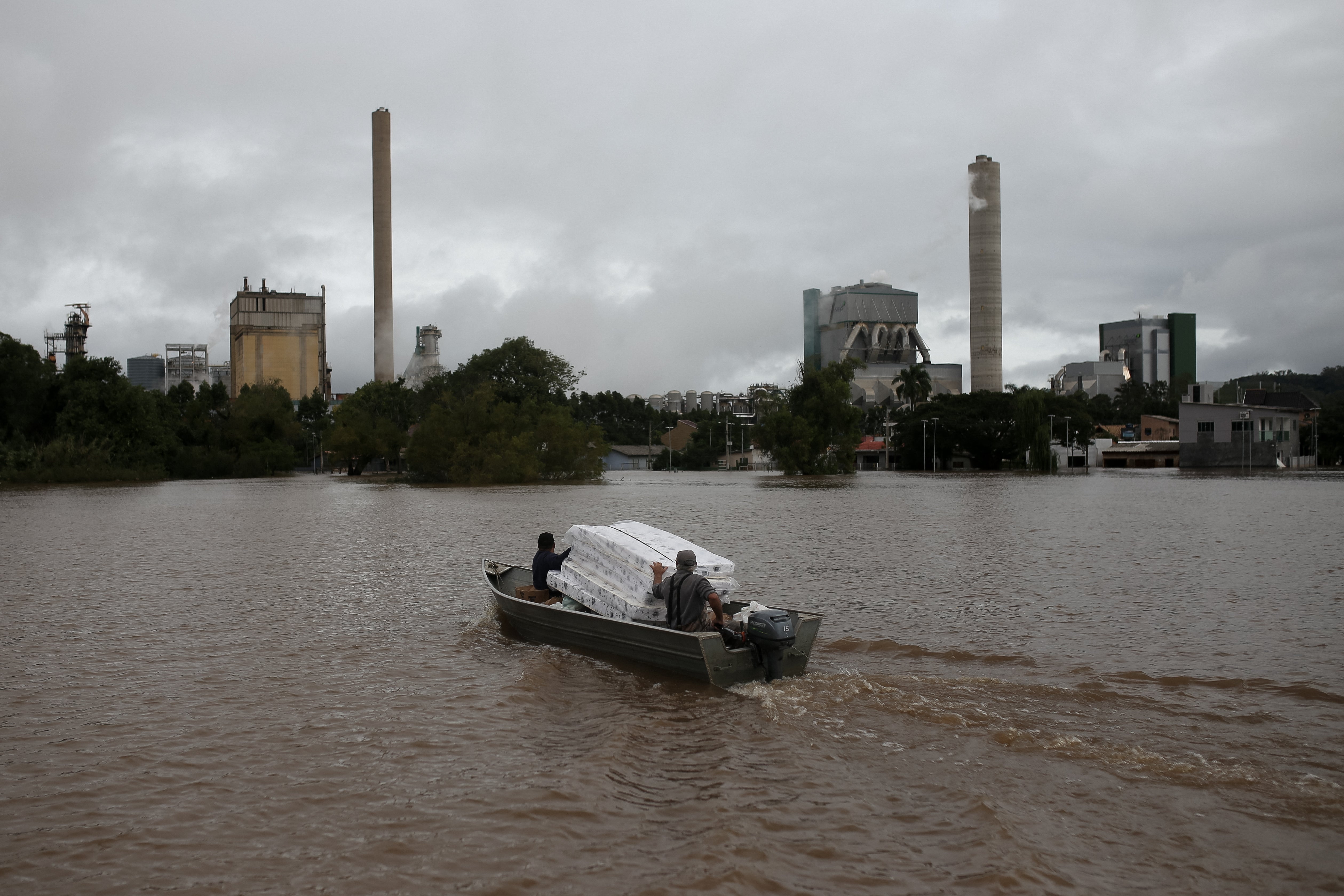
Scientists expect the severe El Niño, a weather pattern that warms sea surface temperatures in the Pacific Ocean, to bring heavy rainfall to southern Brazil while increasing the risk of drought in the Amazon region.
The last El Niño, in 2024, severely reduced the output of plants in the Amazon and forced several others to halt operations in the south because of widespread flooding, pushing Brazil to turn to dirtier sources of energy.
El Niño high alert
The likely implications of this El Niño for energy security have put authorities and power generators on alert.
Rainfall has already increased in hydroelectric basins across southern Brazil in July, reaching 256% of the long-term average, according to data from grid operator ONS.
Local hydro reservoirs climbed to 88% of the capacity, up from the critical levels of 30% hit in April after months of unfavorable weather conditions.
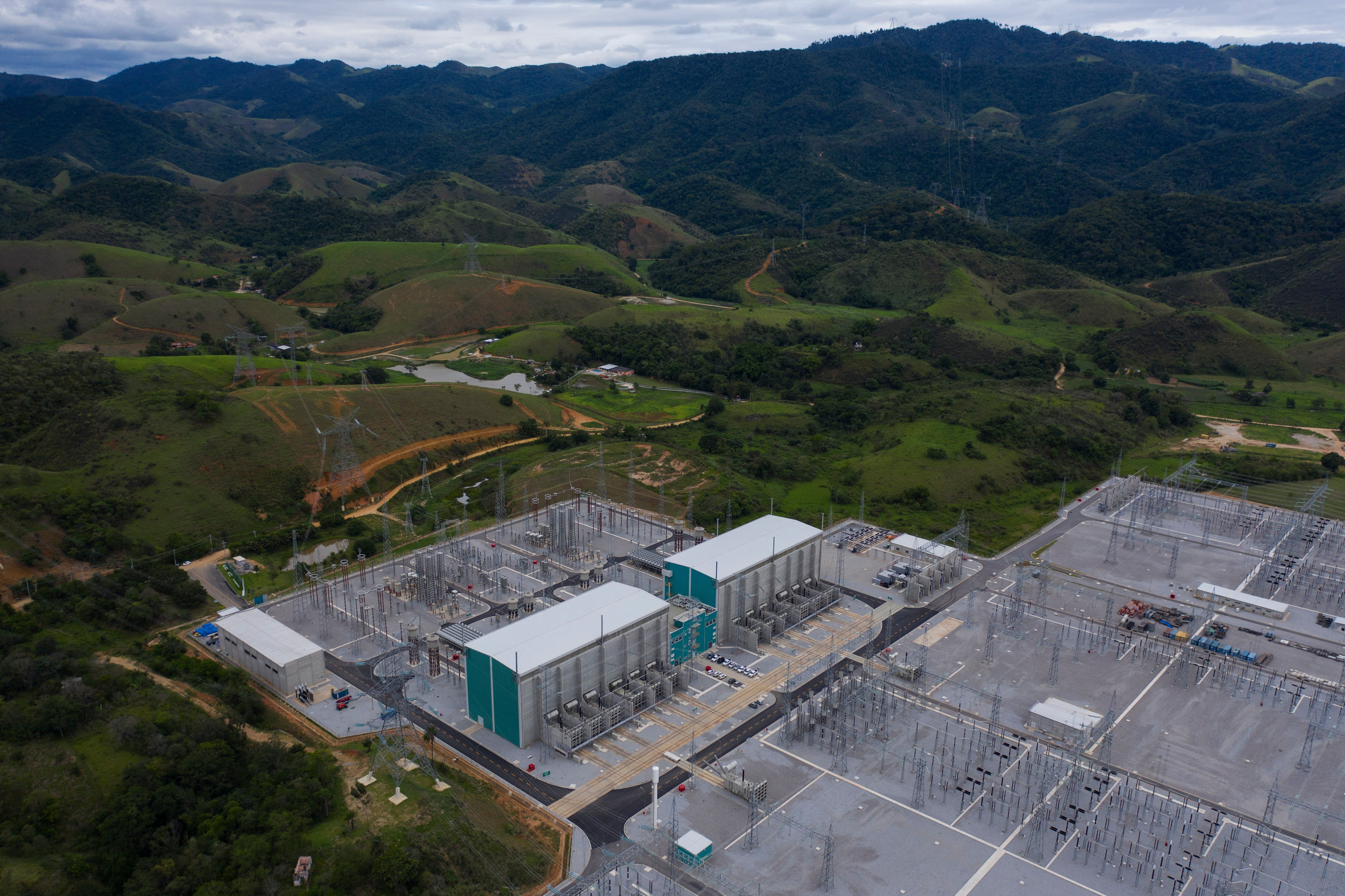
The recent rains are not a direct consequence of the El Niño, but the phenomenon is expected to start influencing the region in the coming weeks, said Gilvan Sampaio, a meteorologist at Brazilian space agency INPE.
The severity of a drought in northern Brazil should become clearer by the end of this year, as it will also depend on Atlantic Ocean temperatures, he added.
CTG, which owns a large hydropower portfolio in the South and Southeast regions, began implementing risk management measures and protocols in June, earlier than its usual September schedule ahead of the rainy season, due to concerns about El Niño, said Marcio Peres, the company’s director in Brazil.
The efforts include spillway tests, the acquisition of barriers and equipment to prevent flooding at powerhouses, and organizing safety and emergency protocols for communities living downstream from its 14 plants.
Engie Brasil, whose hydropower portfolio spans the country, said it also has contingency and emergency response plans in place to adapt to the El Niño.
“Given the possibility of a more intense weather event, the company’s edge lies in enhanced short- and long-term weather monitoring and the strengthening of preventive measures across its assets and surrounding communities,” said Guilherme Ferrari, the firm’s director of renewable energy and storage.