
Их Британийн шинэ Ерөнхий сайд Энди Бернам АНУ-ын Ерөнхийлөгч Дональд Трамптай утсаар ярьж, Хойд тэнгисийн газрын тосны салбарыг нээлттэй болгох асуудлыг хэлэлцсэн нь хоёр улсын харилцааны эхлэл боллоо.
2026 оны долдугаар сарын 20-нд үүрэгт ажилдаа орсон Энди Бернам АНУ-Их Британийн “онцгой харилцаа”-г удирдах хүндхэн сорилттой тулгарч байна. Түүний танхимын Гадаад хэргийн сайд Эд Милибанд өмнө нь Дональд Трампыг шүүмжилж байсан нь дипломат харилцаанд саад учруулж болзошгүй юм. Түүнчлэн, Их Британийн улс төрийн тогтворгүй байдал болон Брекзитийн дараах эдийн засгийн хүндрэлүүд нь тус улсын олон улсын тавцан дахь байр суурийг тодорхойлоход бэрхшээл учруулж байна.
2016 оноос хойш Их Британид Ерөнхий сайд болон өндөр албан тушаалтнууд ойр ойрхон солигдсон нь гадаад бодлогын залгамж чанарыг сулруулж байна. Сүүлийн арван жилд зургаан Ерөнхий сайд солигдсон нь 1820-иод оноос хойших хамгийн өндөр үзүүлэлт болоод байна. Энэхүү тогтворгүй байдал нь Их Британийг АНУ-тай стратегийн түншлэлээ үргэлжлүүлэхэд хүндрэл учруулж, олон улсын тавцанд тодорхой бодлого боловсруулахад саад болж байна.
Британийн дотоод улс төр дэх хуваагдал, Брекзитийн эдийн засагт үзүүлсэн сөрөг нөлөө нь Засгийн газрын бодлогыг урт хугацаанд төлөвлөхөд хүндрэлтэй болгожээ. АНУ-ын улс төрийн орчин ч мөн адил тогтворгүй байгаа нь хоёр улсын удирдагчдын хамтын ажиллагааны үр нөлөөг бууруулж байна. Энди Бернам өмнөх удирдагчдынхаа нэгэн адил Брекзитийн сорилтуудыг даван туулж, Их Британийн гадаад бодлогыг шинээр тодорхойлох шаардлагатай байна.
Дэлгэрэнгүйг эх сурвалжаас харах
↓Эх сурвалжийг нээх ↓
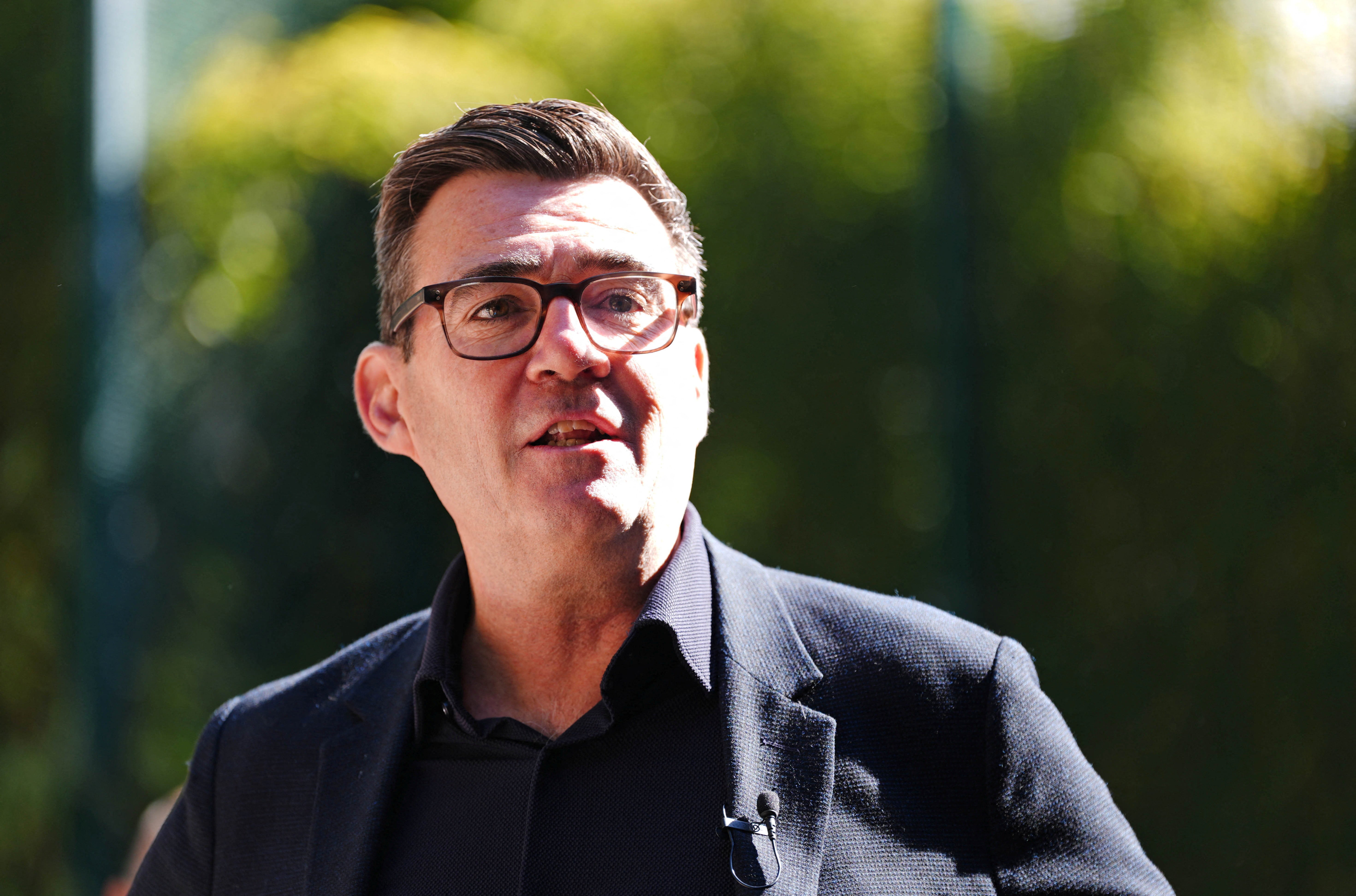
One of the first things Andy Burnham did on July 20, 2026, after assuming the role of Britain’s prime minister was make a long-distance call to Donald Trump.
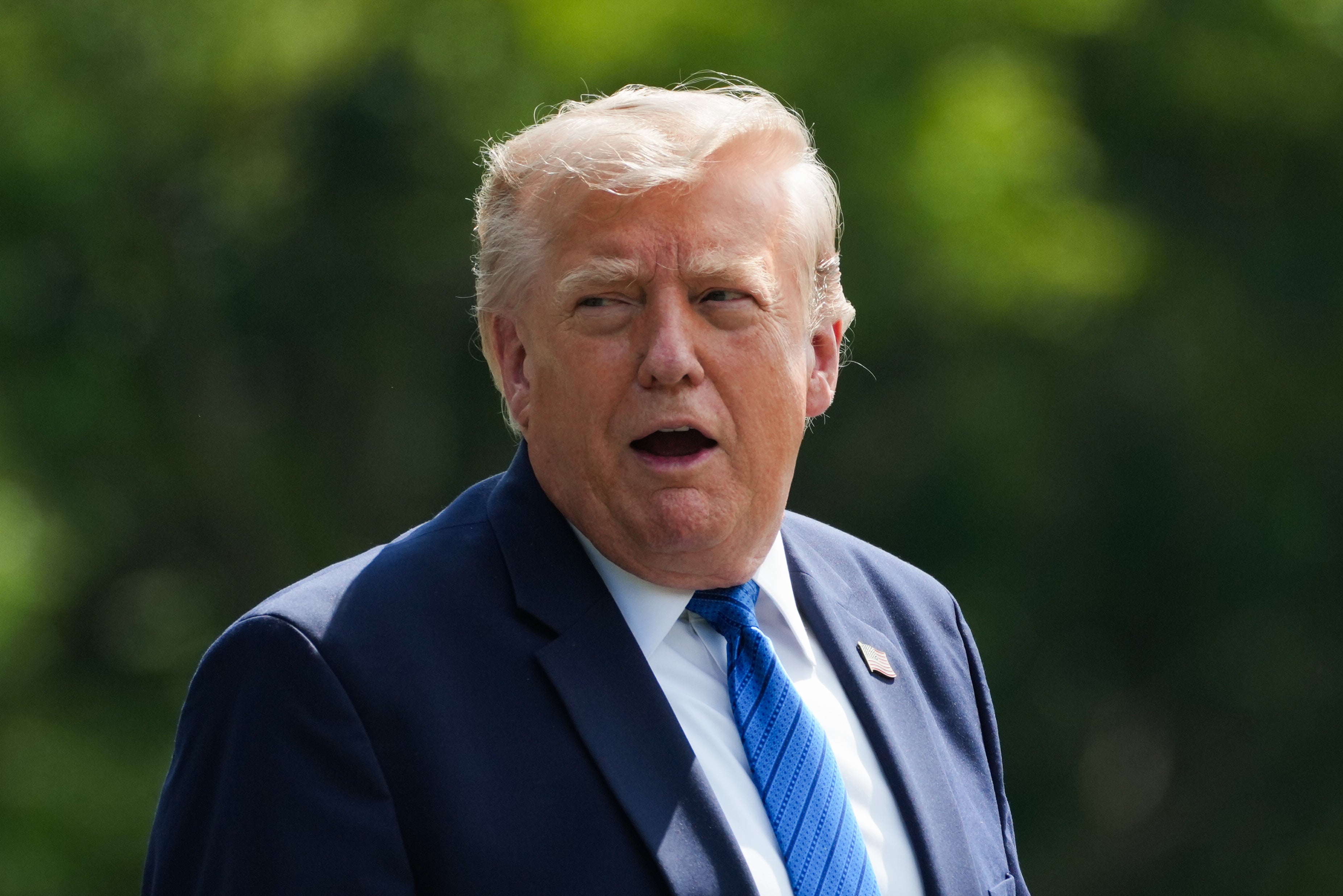
The U.S. president later revealed some of the details of his conversation with “the new gentleman,” noting that they discussed “opening up North Sea oil” – a topic seemingly close to Trump’s heart.
But there have as yet been few clues on how Burnham intends to manage the “special relationship” between the U.S. and U.K. Certainly, that task will not have been made easier by the Labour Party leader’s past comments about Trump or those of his foreign secretary, Ed Miliband – a “racist, misogynistic self-confessed groper,” was Britain’s now top diplomat’s assessment of the U.S. leader back in 2016.
cookie.trim() === ‘__DEBUG__=true’)) { console.log(‘Ad logs: “mpu1”, injectedAtParagraph: 3’); }]]>
As an expert in U.K. politics and trans-Atlantic relations, I know that dealing with Trump will be a foreign policy priority for Burnham.
However, the challenges for the special relationship go beyond navigating personalities. Indeed, the enduring political instability in the U.K. since 2016 and the Brexit referendum that saw the U.K. exit the European Union is spilling over into foreign policy. Leadership turnover is hindering important reforms at home, but it is also preventing the U.K. from developing a clear strategy on the international stage.
Instability here to stay?
The U.K. has experienced a striking leadership carousel in the past decade.
Burnham is the sixth prime minister since David Cameron resigned in the aftermath of the Brexit referendum in June 2016. And the turnover has also applied to other senior government positions. Miliband has become the the ninth foreign secretary over that period.
cookie.trim() === ‘__DEBUG__=true’)) { console.log(‘Ad logs: “taboola-carousel-thumbnails”, injectedAtParagraph: 6’); }]]>
This pattern of instability is highly unusual from a historical standpoint. Not since the 1820s has there been as many different prime ministers within the span of 10 years. And this past decade also marks a significant deviation from the rest of the post-World War II era – the period in which the special relationship navigated the reconstruction of Europe, the Cold War, the rise of China and threats from international terrorism.
Between 1945 and 2016, U.K. prime ministers averaged five years in power; since then it has dropped to just 24 months.
cookie.trim() === ‘__DEBUG__=true’)) { console.log(‘Ad logs: “mpu2”, injectedAtParagraph: 8’); }]]>
Post-2016 prime ministers have been ultimately brought down for different reasons, including repeated scandals, poor choices and lost elections.
But in all cases, their leadership was eroded by deep structural forces, especially the impact of Brexit.
cookie.trim() === ‘__DEBUG__=true’)) { console.log(‘Ad logs: “mpu3”, injectedAtParagraph: 10’); }]]>
Like prime ministers before him, Burnham is inheriting a sluggish economy, in part due to the significant economic costs of exiting the European market. He is also in charge of an economy that is more exposed to Trump’s attacks against the rules-based trading order, while unable to benefit from the shock absorbers provided by the EU’s large internal market.
Domestically, Brexit has deeply polarized the British electorate into new identities – leavers and remainers – who are less loyal to existing political parties. This has led to increased electoral volatility, which has helped to accelerate the fragmentation of British politics. For the first time in a century, there is a strong chance that the next prime minister will not be from one of the two main established parties, Labour and the Conservatives.
Garret Martin is Hurst Senior Professorial Lecturer, Co-Director Transatlantic Policy Center, American University School of International Service. This article was first published by The Conversation and is republished under a Creative Commons licence. Read the original article .
The shift to a more multiparty system has led to more competitive local elections, with more vulnerable seats and members of Parliament elected thanks to very small majorities in their constituencies. This shift has moved in tandem with the growing dynamic of parliamentarians becoming more rebellious and less loyal to their leadership.
In other words, Burnham faces a tall order if he is to put a wedge in the revolving door at No. 10 Downing St., the residence of Britain’s prime minister.
Short-lived tandems
The impact of the prime minister carousel has not been confined to domestic politics – it is difficult to maintain a consistent and coherent foreign policy when those dictating it keep changing. This is particularly meaningful for the special relationship, as Brexit has made the U.K. more dependent on the U.S. Granted, much of the present attention will center on how Burnham manages, or not, his ties with Trump.
But leadership instability has and will continue to present additional challenges for the U.K.-U.S. partnership.
First, while not as drastic as in the U.K., U.S. politics are also experiencing more turnover than usual since 2016. Faith in the U.S. government plummeted to 17% in 2025, with voters increasingly irritable and impatient. This is also translating into greater volatility. At least one chamber of Congress has changed hands every two years since 2018, with the streak likely to continue in the midterms in November. And the succession of three one-term presidents has not happened in over a hundred years.
As a result, leadership ties between the U.S. and the U.K. have failed to build any momentum. In the past decade, the average tandem has barely lasted more than a year. At best, Burnham could coexist with Trump for a little over two years, with much of that including the latter’s lame-duck period.
Unclear post-Brexit strategy
Meanwhile, U.S. statesman Dean Acheson’s famous 1962 quip that “Great Britain has lost an empire and has not yet found a role” still rings true.
Exiting from the EU presented a profound challenge for the U.K. and what role it should play on the international stage. Brexit, after all, undermined Britain’s ability to play the role of bridge between America and Europe.
Yet, Burnham hardly inherited a clear path to follow for a post-Brexit Britain. This is not surprising considering that divided societies are less equipped to maintain a long-term strategy.
Successive leaders after 2016 failed to develop a clear post-Brexit doctrine, relying instead on an ad hoc balancing act between an Atlantic path, more cooperation with European partners and strategic autonomy. That does not bode well for the special relationship, at a time when the U.K. is grappling, like others, with the key dilemma of how to defend Europe without the U.S.
Strong headwinds
If Burnham does want to preserve and bolster the special relationship, he will need time in office to counter the current strong headwinds.
Historically, the partnership between the U.S. and the U.K. has endured testing times and similarly politically mismatched leaders. Burnham is seen as to the left of predecessor Keir Starmer in the center-left Labour Party – some way off Trump’s brand of conservatism. But Tony Blair and George W. Bush overcame divergent political ideologies a generation ago to forge a close relationship.
But back then, the special relationship relied on deeper institutional ties, whether cultural, diplomatic, military or in the field of intelligence. Yet, the impact has been somewhat blunted of late by Trump’s very personalized diplomacy. Trump’s mistrust of the bureaucracy has limited Britain’s ability to benefit from its deep ties with the American foreign policy establishment.
Moreover, Trump’s deep unpopularity in the U.K. – just 13% had a favorable opinion of Trump, compared to 83% who held an unfavorable opinion – is spilling over into perceptions of the special relationship. Increasingly, Britons are viewing the U.S. as a necessary partner, as opposed to an ally with which it shares close values. Such growing disaffection is not a one-way street, with American approval of Britain dropping by 15% in the past five years. It also builds on part of the MAGA base that views the U.K. as in decline and having lost its way.
As such, Burnham has inherited a tall task domestically and internationally. He will have to tackle the same challenges of Brexit that toppled his predecessors while shaping a more coherent post-Brexit future for the U.K. Confronting both would go a long way toward stabilizing the special relationship.


