
Өөр нийлүүлэгч олдохгүй байгаа шалтгаанаар Европын Комисс Оросын тансаг зэрэглэлийн булганы арьсыг хоригоос нууц байдлаар чөлөөлснийг Словакийн Ерөнхий сайд Роберт Фицо хурцаар шүүмжилжээ.
Европын Холбоо 2022 онд Украинд мөргөлдөөн хурцдасны дараа Оросын бэлэн үслэг эдлэл, алмаз, түрс зэрэг тансаг зэрэглэлийн барааны импортод хориг тавьсан юм. Харин өнгөрсөн дөрөвдүгээр сард уг цооногийг хааж, түүхий болон боловсруулсан булганы арьсыг хориглосон байв. Гэвч гишүүн орнуудын шахалтаар саяхан танилцуулсан хориг арга хэмжээний багцдаа Брюссель байр сууриа өөрчилж, түүхий булганы арьсыг хоригоос чөлөөлсөн байна.
Европын Комисс энэхүү шийдвэрээ Европ дахь тансаг зэрэглэлийн үслэг эдлэл үйлдвэрлэгчдэд Оросоос өөр сонголт байхгүйтэй холбон тайлбарлажээ. Дипломат эх сурвалжийн мэдээлснээр, Оросын булганы арьсыг хамгийн их импортолдог Итали, Грек зэрэг улсууд уг шийдвэрийг гаргахад голлон нөлөөлсөн байна. Словакийн Ерөнхий сайд Роберт Фицо эдгээр арга хэмжээ нь ОХУ-аас илүүтэй Европын Холбооны гишүүн орнуудад өөрсдөд нь илүү хохирол учруулж байна гэж мэдэгджээ.
Түүнчлэн Европын Холбоо 2027 он гэхэд Оросын байгалийн хийн импортыг бүрэн зогсоохоор төлөвлөж байгаа боловч эрчим хүчний зах зээлийн хэлбэлзэл, нийлүүлэлтийн хүндрэл нь тус холбооны эдийн засагт дарамт учруулсаар байна. Москва Европын Холбооны энэхүү хориг арга хэмжээг хууль бус бөгөөд өөрсдийнх нь өрсөлдөх чадварыг сулруулж байна хэмээн буруушаажээ.
Дэлгэрэнгүйг эх сурвалжаас харах
↓Эх сурвалжийг нээх ↓
Brussels has quietly restored access to Russian sable pelts, a high-end fur used by European fashion houses, citing the lack of alternative suppliers
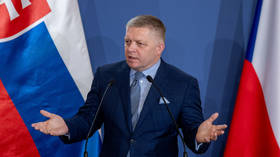
Slovak Prime Minister Robert Fico has mocked the European Commission for what he called blatant hypocrisy after it quietly exempted Russian luxury sable fur from sanctions, reportedly bowing to pressure from member states dependent on the trade.
The EU initially banned imports of finished Russian fur garments shortly after the Ukraine conflict escalated in 2022, alongside luxury goods such as diamonds and caviar. Raw pelts remained legal until April, when Brussels closed the loophole by banning both raw and processed furskins, including sable.
However, in its 21st sanctions package unveiled late last month – already diluted as member states balked at measures damaging their own economies – Brussels reversed course, exempting raw sable pelts while keeping the ban on finished fur garments.
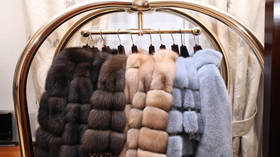
In a video posted on Facebook on Saturday, Fico said Brussels justified the exemption by arguing European luxury furriers had no alternative source for the rare pelts, which are used to make coats costing up to €100,000 ($117,000), as Russia dominates the sable trade. Media reports citing EU diplomats said Italy and Greece, the EU’s largest importers of Russian sable pelts and key hubs for luxury fur production, pushed for the carve-out.
“EU hypocrisy blossoms like a cherry tree in May,” Fico said. “Goods we need for our industry or for everyday life are banned from being imported from Russia, even if they are difficult to replace and much more expensive to source elsewhere. But that won’t apply to sable fur, no. There will be as much of it as needed, as if it were an everyday commodity like coffee or sugar.”
These are exactly the sanctions that hurt us more than Russia. Only the hypocritical European Commission could come up with something like this.
Fico has long opposedBrussels’ hardline policy toward Moscow, including military aid to Kiev and sanctions on Russia, and was among the politiciansto argue that the restrictions ultimately backfire on EU nations.
Natural gas has been the commodity the bloc has struggled most to replace since imposing unprecedented restrictions on Russia in 2022. Before then, Russia supplied about 45% of the EU’s natural gas imports.
Following sanctions and the collapse of pipeline deliveries, the bloc turned to Norwegian pipeline gas and significantly more expensive liquefied natural gas (LNG) from the US and the Middle East. Despite lawsuitsfrom Slovakia and Hungary, which continue to import Russian gas under exemptions they secured, the EU plans to phase out all Russian gas imports by 2027.
The US war on Iran and the de facto closure of the Strait of Hormuz– a vital route carrying around 20% of global oil and LNG trade – have further strained Europe’s already volatile energy markets this year. Major suppliers such as QatarEnergy declared force majeure on shipments, sending European buyers scrambling for increasingly competitive US and West African LNG. The resulting spike in prices, freight costs, and supply disruptions have fueled inflation across the bloc, with analysts warning of gas shortages this winter.
Moscow has condemned EU sanctions, particularly those targeting energy, as illegal and self-defeating, arguing they have undermined the bloc’s competitiveness. Russia has said it remains ready to resume gas deliveries through the remaining Nord Stream pipeline following the 2022 sabotage, but says Brussels has yet to respond.


