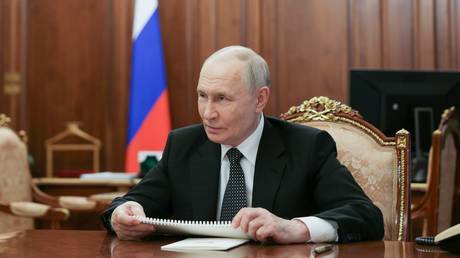
ОХУ-ын Ерөнхийлөгч Владимир Путин криптовалютын арилжааг тус улсын санхүүгийн системд зохицуулалтаар оруулах тухай хуульд гарын үсэг зуржээ.
Лхагва гарагт албан ёсоор нийтлэгдсэн Дижитал валют болон дижитал эрхийн тухай хууль нь хэдийнэ өргөжсөн зах зээлийг албан ёсны болгож буй юм. Блөчкчэйн аналитикийн Chainalysis фирмийн мэдээгээр ОХУ нь гүйлгээний хэмжээгээрээ Европ дахь хамгийн том криптовалютын зах зээлд тооцогддог бол Сангийн яам дотоодын арилжааны хэмжээ өдөрт дунджаар 50 тэрбум рубльд хүрдэг гэж тооцоолжээ. Энэхүү хууль тогтоомж нь Украйнтай холбоотой хориг арга хэмжээний улмаас Барууны орнуудын ам евронд суурилсан санхүүгийн системд хандах эрх хязгаарлагдсаны дараа хил дамнасан худалдааг хөнгөвчлөх, крипто үйл ажиллагааг далд эдийн засгаас гаргах зорилготой засгийн газрын өргөн хүрээтэй бодлогын нэг хэсэг юм.
Шинэ хуулийн дагуу 2026 оны есдүгээр сарын 1-нээс эхлэн ОХУ-ын иргэд Төв банкны хяналт дор үйл ажиллагаа явуулах тусгай зөвшөөрөлтэй платформ дамжуулан зөвшөөрөгдсөн криптовалютыг худалдан авах, худалдах боломжтой болох бөгөөд уламжлалт санхүүгийн хөрөнгийн нэгэн адил дижитал сан хөмрөгүүд эзэмшигчдийн бүртгэлийг хөтлөх юм. Гэсэн хэдий ч криптовалют нь ОХУ-д хууль ёсны төлбөрийн хэрэгсэл хэвээр үлдэж байгаа тул тус улсын дотор бараа, үйлчилгээний төлбөр тооцоонд ашиглахыг хориглосон хэвээр байна. Арилжаанд оролцохдоо жижиглэнгийн хөрөнгө оруулагчид суурь мэдлэгийн шалгалт өгч, платформоор дамжуулан жилд 300,000 рубль хүртэлх хязгаарлалттайгаар худалдан авалт хийх бол мэргэжлийн хөрөнгө оруулагчид хязгаарлалтад өртөхгүй байхаар зохицуулжээ. Одоогоор зах зээлийн үнэлгээ болон өдрийн гүйлгээний хэмжээгээр тавигдах шалгуурыг хангасан Bitcoin, Ether болон USDT стейблкоиныг эхний ээлжинд зөвшөөрөхөөр Төв банкнаас мэдэгдсэн байна.
ОХУ-д криптовалют олборлолт (майнинг) өмнө нь хууль ёсны байсан хэдий ч шинэ журмаар үйлдвэрлэлийн зориулалттай олборлогчид эрх бүхий байгууллагад бүртгүүлж, олсон орлогоо тайланан татвар төлөх үүрэгтэй бол хувь хүмүүс засгийн газрын тогтоосон цахилгааны хязгаарт багтаан гэртээ олборлолт хийх боломжтой хэвээр үлджээ. Гэсэн хэдий ч эрчим хүчний хомсдолоос урьдчилан сэргийлэх зорилгоор эрчим хүчний хангамж хүндрэлтэй зарим бүс нутагт олборлолтыг хамгийн багадаа 2031 он хүртэл хориглох эсвэл улирлын чанартай хязгаарлалт тогтоосон байна. Түүнчлэн дотооддоо өдөр тутмын төлбөр тооцоонд ашиглахыг хориглосон хэдий ч ОХU-ын бизнес эрхлэгчид болон импортлогч, экспортогчид хил дамнасан худалдааны төлбөр тооцоонд крипто хэтэвч эсвэл зуучлагч ашиглан гүйлгээ хийх боломжтой ажээ. Энэ нь барууны орнуудын хориг арга хэмжээний улмаас SWIFT систем болон доллар, еврогийн гүйлгээний хязгаарлалтад орсон ОХУ-ын хувьд төлбөр тооцооны өөр сувгийг бий болгох алхам болж байна.
Дэлгэрэнгүйг эх сурвалжаас харах
↓Эх сурвалжийг нээх ↓
Russia has kicked off a regulated digital currency market while keeping a ban on domestic payments
Russian President Vladimir Putin has signed a landmark law legalizing cryptocurrency trading, which will be regulated as part of the country’s financial system.
The Law on Digital Currencies and Digital Rights, signed and published on Tuesday, formalizes an already booming market. According to blockchain analytics firm Chainalysis, Russia ranks as Europe’s largest crypto market by transaction volume according to the latest available data, while the Finance Ministry estimates domestic crypto trading totals around 50 billion rubles (roughly $650 million) per day.
The legislation is part of the government’s broader effort to bring crypto activity out of the shadow economy while facilitating cross-border trade after Ukraine-related sanctions severely restricted Russia’s access to the West’s dollar- and euro-based financial system.
Here are the practical implications of the legislation.
What has changed under the new law?
Until now, Russians could legally own cryptocurrencies, but trading largely took place on foreign platforms or through services operating outside Russia’s regulatory framework.
The new law creates the country’s first regulated cryptocurrency market. From September 1, 2026, Russians will be able to buy and sell approved cryptocurrencies through licensed platforms supervised by the Central Bank. New digital repositories will keep records of who owns crypto assets, similar to the way traditional financial assets are recorded.
At the same time, some things will remain unchanged. Cryptocurrencies are still not legal tender in Russia, meaning they cannot be used to pay for goods and services inside the country.
Who can buy cryptocurrencies under the new law?
Both ordinary Russians and investment professionals will be able to buy cryptocurrencies, although investors will face stricter rules.
Retail investors will first have to pass a basic knowledge test and will be limited to buying up to 300,000 rubles (about $3,800) worth of crypto per year through each platform. Professional, or “qualified,” investors will also have to pass the test but will not face investment limits.
Which cryptocurrencies are approved?
At first, only the world’s largest and most actively traded cryptocurrencies will be available on Russia’s regulated market. To qualify automatically, a cryptocurrency must have had an average market capitalization of more than 5 trillion rubles (about $64 billion) and average daily trading volumes above 1 trillion rubles (about $12.8 billion) over the previous two years.

According to Central Bank First Deputy Governor Vladimir Chistyukhin, Bitcoin, Ether (Ethereum) and the USDT stablecoin currently meet those requirements. The Central Bank will be able to approve additional cryptocurrencies in the future if they meet the criteria.
What about crypto mining?
Crypto mining is already legal in Russia, but it is subject to strict rules. Industrial miners must register with the authorities, report the cryptocurrency they produce and pay taxes on their earnings. Individuals can still mine crypto at home without registering, provided their electricity use stays below government limits.
Mining is also restricted in parts of the country where electricity supplies are under strain. The government has banned or seasonally limited mining in several regions until at least 2031 to prevent power shortages. The new legislation leaves the existing mining framework largely unchanged.
What does the new law mean for Russia’s foreign trade?
While cryptocurrencies remain banned for everyday payments inside Russia, businesses can continue using them for cross-border settlements. Exporters and importers may settle transactions directly using crypto wallets or through licensed intermediaries.
The move is intended to give Russian businesses more options for paying foreign partners at a time when Western sanctions have disrupted access to parts of the traditional international financial system. Since 2022, many Russian banks have been cut off from SWIFT and faced restrictions on transactions in dollars and euros, prompting Moscow to look for alternative payment channels.
Russia has increasingly settled transactions in rubles and the national currencies of its trading partners, such as the Chinese yuan and the Indian rupee.
The crypto law also follows EU sanctions packages targeting Russia’s digital currency market.
In April, the EU’s 20th sanctions package banned transactions involving the RUBx stablecoin and the planned digital ruble, citing concerns they could be used to circumvent sanctions. Last month, the 21st package expanded crypto-related restrictions by banning transactions with additional crypto platforms and service providers.

