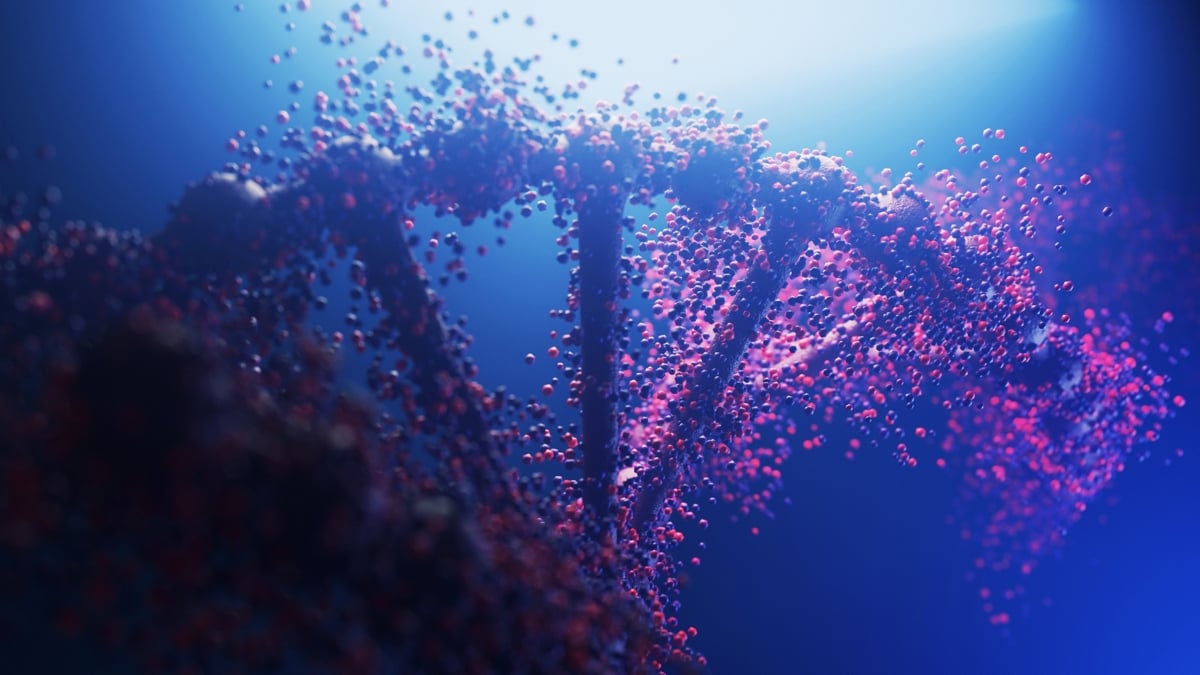
Эрдэмтэд ДНХ-ийн бидний сайн мэдэх давхар спираль хэлбэрээс өөр бүтцийг хүний болон бусад сармагчны геномоос илрүүлсэн нь удамшлын судалгаанд шинэ хуудас нээж байна.
Биологийн шинжлэх ухаанд ДНХ-ийн молекулын хэлбэрийг тодорхойлдог мушгирсан давхар шат буюу давхар спираль нь хамгийн танил дүрслэл юм. Гэсэн хэдий ч бүх ДНХ энэ хэлбэрийг дагадаггүй бөгөөд “В бус” хэмээх өөр бүтцүүд оршдог болохыг шинэ технологиуд ил болгож байна. Тухайлбал, Пенсильванийн их сургуулийн биологич Катерина Макова тэргүүтэй судлаачид хүн болон зургаан зүйлийн сармагчны геном дахь ийм ДНХ-ийн хэлбэрүүд хаана үүсдэгийг нарийвчлан тогтоожээ.
2001 онд хүний геномыг анх нийтлэхэд түүний ердөө 8 орчим хувь буюу ихэнх давтагдсан хэсэг нь дутуу үлдсэн байв. Сүүлийн жилүүдэд Telomere-to-Telomere консорциум зэрэг судалгааны багууд энэхүү дутуу өгөгдлийг нөхөж, 2022 онд хүний геномын лавлагааг хамгийн бүрэн хэлбэрээр нь гаргасан бол 2023 онд хамгийн сүүлийн хэсэг болох Y хромосомыг гүйцээж тайлсан юм. Үүний дараа эрдэмтэд шимпанзе, бонобо, горилла, болон орангутан зэрэг зургаан зүйлийн сармагчны геномын лавлагааг бүрэн гаргажээ.
Урт уншлагатай гером дарааллын шинэ технологийн тусламжтайгаар судлаачид геномын өмнө нь судлагдаагүй байсан нууцлаг хэсгүүдийг ил илрүүлж чадсан байна. Шинжилгээгээр хүний геномын шинээр нэмэгдсэн хэсгүүдэд В бус ДНХ-ийн сэдэл хэт олон болохыг тогтоожээ. Эдгээр өөр хэлбэрүүд нь хүний геномын 13 хувийг эзэлдэг бөгөөд нугаларсан, гогцоо болон бусад олон хэлбэрээр оршдог байна.
Эдгээр хувилбарууд нь эсийн хэвийн үйл ажиллагаанд эерэг нөлөө үзүүлж, геномын хувьслыг жолоодож болох ч мөн хор хөнөөл учруулах эрсдэлтэй аж. Тодруулбал, ДНХ-ийн хуулбарлалтад саад учруулж, мутаци болон геномын тогтворгүй байдлыг нэмэгдүүлснээр хорт хавдар, мэдрэлийн дегенератив өвчин, Вернерийн хам шинж зэрэг генетикийн эмгэг үүсгэхэд нөлөөлдөг байна. Энэхүү судалгаа нь эрдэмтэд геномын функцийг зөвхөн дарааллаар нь бус, бүтцийн хувьд авч үзэх шинэ хандлагад шилжих суурь болж байна.
Дэлгэрэнгүйг эх сурвалжаас харах
↓Эх сурвалжийг нээх ↓
One of the most iconic visual representations in biological science is the double helix – the twisting, twin-stranded ladder that defines the shape of DNA molecules.
But not all DNA follows this same recognizable pattern. Alternative kinds of DNA structures do exist, and new technologies are helping to reveal them.
In a study last year, scientists identified where these “non-canonical” forms of DNA (aka non-B DNA) emerge in human and other primate genomes.
The analysis, published in Nucleic Acids Research, helps to complete our understanding of the location and diversity of DNA formations inside our genome.
“When the human genome was first published in 2001, it actually wasn’t complete,” said biologist Kateryna Makova from Pennsylvania State University.
“About 8 percent of the genome, largely repetitive DNA, was left undetermined.”
A huge research effort in the years since, culminating in a project called the Telomere-to-Telomere (T2T) consortium, worked to fill in more of the data, assembling the most complete reference human genome in 2022, before finally sequencing the last missing piece in 2023.
In 2025, T2T scientists took it a step further, completing the reference genomes for six ape species: chimpanzee, bonobo, gorilla, Bornean orangutan, Sumatran orangutan, and siamang.
In their new study, Makova’s team analyzed the T2T reference genomes for humans and the six ape species, looking for patterns in the genetic code that indicated non-B DNA sequences.
“We now have a complete picture of the motifs that are prone to non-B DNA formation for these genomes,” said Penn State biologist Linnéa Smeds, the first author of the study.
The new findings – and the T2F datasets themselves – were made possible by newer long-read sequencing technologies, which are able to sequence genomes in fewer, longer segments (rather than short snippets that are difficult to assemble).
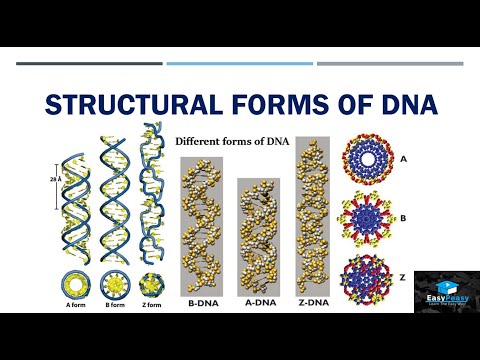
The ability to effectively zoom out and parse more genetic code at a time enables scientists to better detect functional elements in the genome, including sequences of non-B DNA that had previously been missed, and which have been understudied as a result.
When the team analyzed the human reference genome, the long-read data revealed more non-canonical DNA signatures than the previous short-read sequencing information had suggested.
“We found an overrepresentation of most types of non-B DNA motifs in the newly added sequences of the human T2T genome,” the researchers write in their paper.
“The ability to analyze previously inaccessible regions of the genomes, which are rich in non-B DNA motifs, allowed us to uncover the complete genome-wide repertoire of such motifs in humans, as well as non-human apes whose T2T genomes are available to date.”

Overall, the researchers found many non-B DNA motifs in the human genome were located in satellite DNA – repeating sections of non-coding DNA, and often involved in chromosome organization and stability. In ape genomes, non-B motifs were unevenly distributed.
Non-canonical DNA formations can take numerous shapes, including bent DNA, hairpins, G-quadruplexes (G4s), and Z-DNA.
Evidence suggests these alternative forms – estimated to occupy 13 percent of the human genome – could have multiple effects in mammalian cells, affecting DNA replication, chromosome protection, DNA transcription regulation, and methylation processes.
While some evidence suggests non-B DNA can have positive effects, driving genome evolution, for example, there’s also research indicating that non-canonical DNA forms might have harmful potential.
Related: Scientists Sequence Last Piece of The Human Genome: The Y Chromosome
“Non-B structures may impede replication and elevate mutagenesis and genome instability,” the team writes, noting the alternative shapes are thought to contribute to cancers, neurodegenerative diseases, and genetic disorders like Werner syndrome.
In time, the hope is that our growing knowledge of non-B DNA and where it emerges in the human genome will ultimately help us better understand how these non-canonical shapes might be affecting our health.
“There has been a recent shift in how we think about the function of the genome to go beyond sequence to include structure,” Makova says.
“We hope our study will serve as a springboard for additional studies of the function of these novel structural characteristics in the genome.”
The findings are reported in Nucleic Acids Research.
This article was fact-checked by Clare Watson and edited by Clare Watson. While we pride ourselves on our process, we are only human. If you spot a mistake, please let us know.

