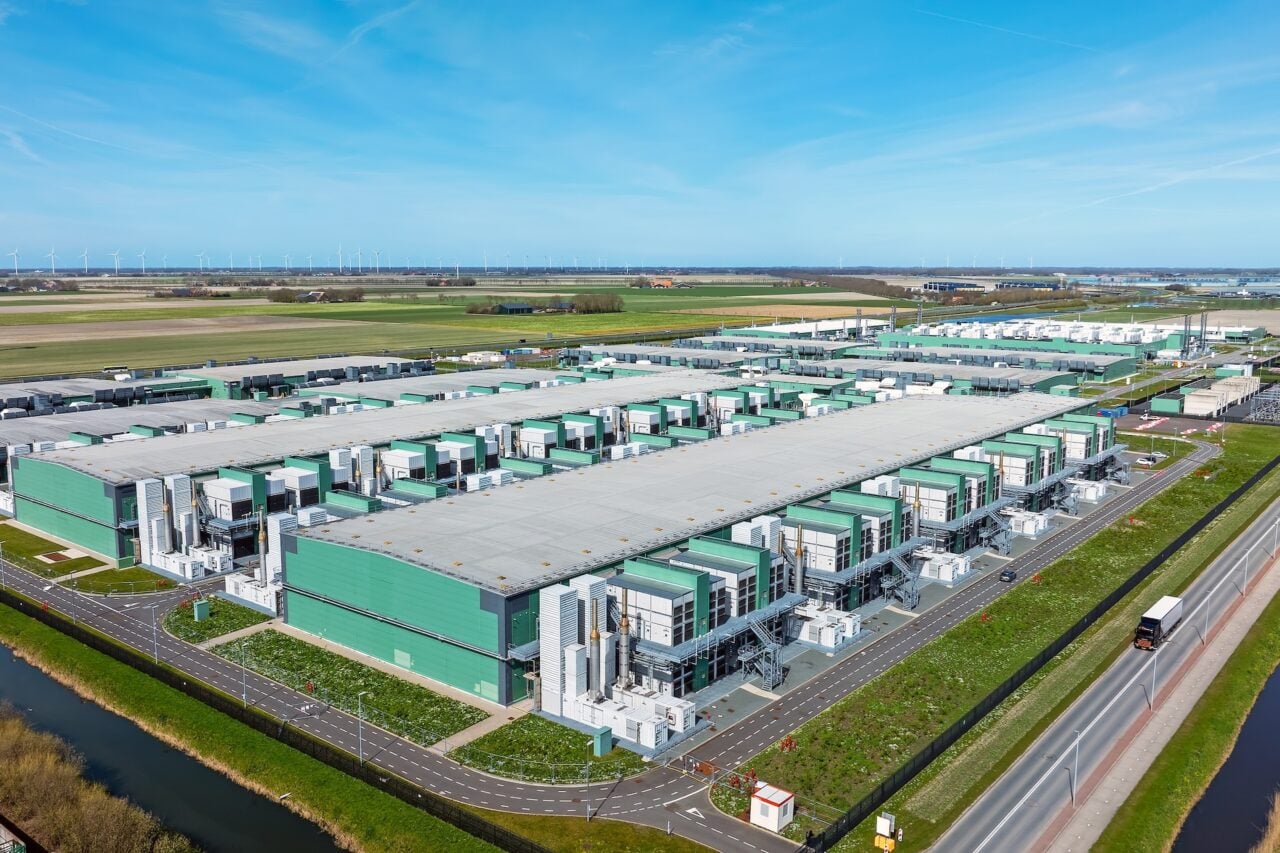
Хиймэл оюун ухааны технологийн өсөлттэй холбоотойгоор дата төв байгуулах газрын эрэлт нэмэгдэж байгаа ч Кентакки мужийн нэгэн гэр бүл газраа худалдах саналаас эрс татгалзлаа.
Хиймэл оюун ухааны (AI) загваруудыг сургах, ажиллуулахад асар их хэмжээний дэд бүтэц шаардлагатай байгаа тул технологийн томоохон компаниуд орон даяар дата төвүүдийг олноор байгуулж байна. Энэ хүрээнд Кентакки мужийн Мэйсвилл хотын ойролцоох 1,200 акр эзэмшил газрынхаа талыг дата төвийн төсөлд зориулан худалдах 26 сая долларын саналыг 82 настай фермер Ида Хаддлстон болон түүний гэр бүл хүлээн авахаас татгалзжээ. Тэд газраа худалдах гэрээнд гарын үсэг зурсан ч удалгүй цуцалж, тус төслийн эсрэг шүүхийн маргаанд нэгдсэн байна.
Фермерүүдийн зүгээс дата төвүүд нь усны нөөцийг шавхаж, хүрээлэн буй орчныг бохирдуулж болзошгүй гэсэн болгоомжлолтой байгаагаа илэрхийлжээ. Ида Хаддлстоны хэлснээр, хүнс, ус болон амьсгалах агааргүй болсон нөхцөлд мөнгө үнэ цэнэгүй болох бөгөөд дата төвөөс хүнс гаргаж авах боломжгүй гэдгийг онцолсон байна. Түүний охин Делсиа Бэрэгийн ярьснаар, тэдний гэр бүл олон үеэрээ энэ газрыг эзэмшиж ирсэн бөгөөд Их хямралын жилүүдэд ч хүнс үйлдвэрлэн тусалж байсан түүхтэй аж.
Хэдийгээр тус гэр бүл татгалзсан ч Мэйсон дүүргийн захиргаа тавдугаар сард 2,080 акр газрыг дата төвийн зориулалтаар ашиглахыг зөвшөөрч, бүсчлэлийг өөрчилсөн байна. Одоогоор энэхүү бүтээн байгуулалтын эсрэг орон нутгийн иргэд болон зарим мужийн засаг захиргаа нэгдэж, Нью-Йорк муж улс дата төвийн шинэ төслүүдэд түр хугацаагаар хориг тавьсан анхны муж болжээ. Техас муж улс хүртэл эрчим хүчний сүлжээнд холбогдох томоохон дата төвийн төслүүдэд аудит хийх шийдвэр гаргаад байна.
АНУ-ын Ерөнхийлөгч Дональд Трампын засаг захиргаа хиймэл оюун ухааны хөгжлийг үндэсний аюулгүй байдалд чухал гэж үзэн дата төвийн бүтээн байгуулалтад хөндлөнгөөс оролцохгүй байх байр суурь баримталж байна. Гэсэн хэдий ч Сиэтл, Миннеаполис зэрэг хотууд болон бусад орон нутгийн засаг захиргаа дата төвийн хөгжилд хязгаарлалт тогтоох эсвэл түр зогсоох арга хэмжээг авч хэрэгжүүлж эхэлжээ. Энэхүү үйл явц нь технологийн хөгжил болон орон нутгийн иргэдийн эрх ашиг, нөөцийн ашиглалтын хоорондын зөрчлийг улам бүр тодотгож байна.
Дэлгэрэнгүйг эх сурвалжаас харах
↓Эх сурвалжийг нээх ↓
Tech companies are spending many billions of dollars on massive data center projects across the country amid the ongoing AI boom, but not everyone is willing to sell.
An 82-year-old Kentucky farmer and her family rejected an offer of more than $26 million to give over roughly half of their 1,200-acre family farm to an unnamed company planning a massive data center project.
“They call us old stupid farmers, you know, but we’re not,” Ida Huddleston told the local news outlet WKRC earlier this year. “We know whenever our food is disappearing, our lands are disappearing, and we don’t have any water—and that poison. Well, we know we’ve had it.”
Family farm fed the hungry during Great Depression
Huddleston’s daughter, Delsia Bare, told WKRC that the family has owned the land outside Maysville, Kentucky, for generations and even grew wheat used to help supply bread lines during the Great Depression. Beyond their personal connection to the property, the family has concerns about the project’s water use and potential pollution.
Farmland in Mason County is worth roughly $6,000 an acre, according to Fortune. However, Huddleston was offered about $60,000 an acre for 71 acres, while Bare was offered $48,000 an acre for 463 acres. Together, the offers came to $26 million.
Bare told People Magazine that the family initially signed a contract to sell, fearing that the company would lobby the county government to invoke eminent domain and force them to sell for far less. They regretted the decision almost immediately and ultimately backed out of the deal. Bare has since joined a lawsuit challenging the project.
“Money don’t mean anything if you don’t have food, water and can’t breathe. And they’re not making any more land,” Huddleston told People. “You can’t get food out of a data center.”
For some, the money is too good to pass up
Still, other nearby landowners agreed to sell and in May Data Center Dynamics reported that the Mason County Fiscal Court approved the rezoning of 28 properties totaling roughly 2,080 acres for a proposed data center development.
The project arrives as major tech companies like Meta, Amazon, Microsoft, Google, and OpenAI are pouring billions of dollars into the infrastructure needed to train and run increasingly powerful AI models.But these projects have also sparked a growing backlash, especially from local residents worried about the strain these massive facilities could place on water supplies, power grids, and their communities.
In some cases, that opposition has already helped defeat some proposeddata centerprojects.
‘You can’t fight it. You have to go with it,’ Trump says
While some lawmakers have called for anational moratorium on the construction or expansion of new AI data center projects, President Donald Trump’s administration has taken a largely hands-off approach to regulating data center construction, arguing that unfettered AI development is important for national security.
“You have to convince your communities how great these things are,” Trump recently told an audiencewhen discussing data centers. “You can’t fight it. You have to go with it.”
On the local level, severa local governments have already adopted or explored temporary restrictionson new data center development includingSeattle, Minneapolis and several communities in New Jersey
Last month, New York became the first state in the country to impose a statewide moratorium on data center projects. Even famously pro-business Texas has ordered regulators to audit every large data center project seeking to connect to the state’s main power grid.
Supporters of these projects often point to the jobs, tax revenue, and other investment these projects can bring to communities.
Huddleston, however, remains unconvinced.
“I say they’re a liar, and the truth isn’t in them,” Huddleston told WKRC. “That’s what I say. It’s a scam.”


