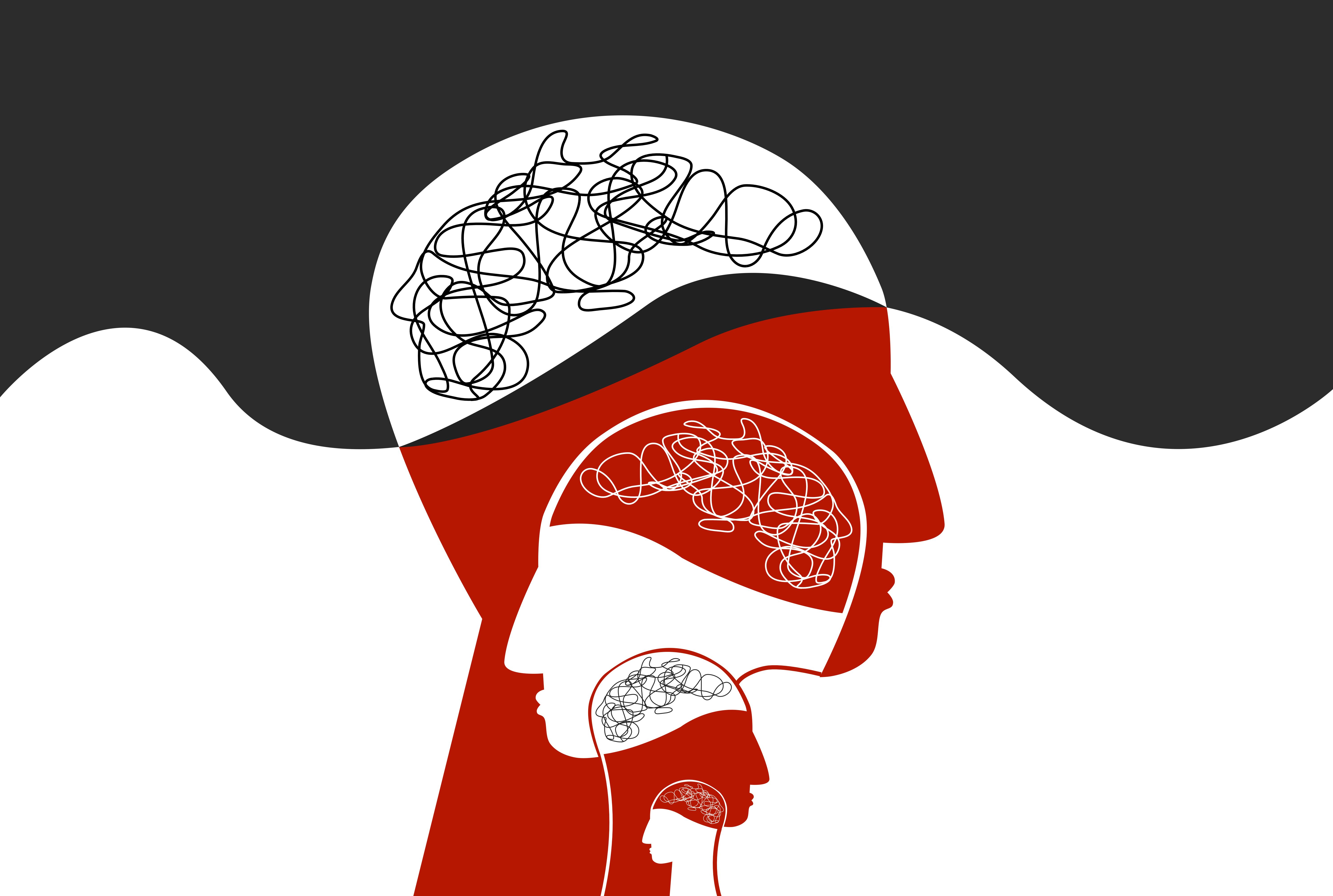
Судлаачид хиймэл оюун ухааны загвар ашиглан шизофрени өвчлөлд нөлөөлдөг 766 генийн харилцан хамаарал бүхий сүлжээг илрүүлжээ.
Орчин үеийн генетикийн салбарын томоохон сорилтуудын нэг болох шизофрени нь ганц мутациас бус, харин олон зуун генийн хувилбаруудын нэгдлээс үүсдэг нарийн төвөгтэй өвчин юм. Эдгээр ген нь тархины хөгжил, мэдрэлийн эсүүдийн хоорондох холбоо болон дохио дамжуулах үйл явцад бага хэмжээгээр нөлөөлж, өвчлөх эрсдэлийг бүрдүүлдэг. Энэхүү нарийн бүтцийг ойлгохын тулд эрдэмтэд хүний тархин дахь мянга мянган генийн зохицсон үйл ажиллагааг дахин бүтээх хиймэл оюун ухаанд суурилсан тооцооллын загваруудыг ашиглаж байна.
Nature Genetics сэтгүүлд нийтлэгдсэн шинэ судалгаагаар шизофрени өвчтэй холбоотой 766 генийг тодорхойлсны 641 нь өмнөх судалгаануудад огт бүртгэгдээгүй байжээ. Судлаачид эдгээр гентэй холбоотой урт зайн зохицуулалтын дохионуудыг илрүүлсэн нь тус өвчинд нөлөөлөгч генүүд нь тусгаарлагдсан бус, харин хоорондоо уялдаа холбоотой сүлжээ болон ажилладаг болохыг баталж байна. Энэхүү ололт нь өвчний генетик зураглалын томоохон хэсгийг нээж өгснөөр эмчилгээний шинэ арга замыг эрэлхийлэх боломжийг бүрдүүлж байна.
Тус судалгаанд 102,000 гаруй хүний генетикийн өгөгдөл болон олон зуун донорын тархины эдийн дээжийг ашиглан шинжилгээ хийжээ. Lieber Institute for Brain Development, Баригийн их сургууль болон олон улсын сэтгэцийн эрүүл мэндийн төвүүдийн эрдэмтэд хамтран ажилласан энэхүү төсөл нь өвчний биологийн механизмын нарийн төвөгтэй байдлыг харуулж байна.
Дэлхийн эрүүл мэндийн байгууллагын мэдээллээр дэлхий даяар 23 сая орчим хүн шизофрени өвчнөөр өвчилж байна. Удамшлын хүчин зүйл эрсдэлийг нэмэгдүүлдэг хэдий ч энэ нь цорын ганц шалтгаан биш бөгөөд олон биологийн хүчин зүйлс хэрхэн харилцан үйлчилдэг нь одоогоор бүрэн тайлагдаагүй байна. Шизофрени нь бодит байдлыг мэдрэх чадварыг өөрчилж, хий үзэгдэл, төөрөгдөл болон танин мэдэхүйн хямралаар илэрдэг тул энэхүү генетик сүлжээг ойлгох нь өвчнийг эмчлэхэд чухал ач холбогдолтой юм.
Дэлгэрэнгүйг эх сурвалжаас харах
↓Эх сурвалжийг нээх ↓
One of the greatest challenges in modern genetics is schizophrenia. Unlike diseases caused by a single mutation, this disorder appears to arise from a combination of hundreds of genetic variants, each with small effects on different brain processes. Some influence neural development, while others alter communication between neurons or the organization of brain connections. Together, they contribute to the risk of developing the disease.
Understanding this complex genetic architecture requires more than just identifying a single root cause of the problem. Scientists also need to understand how genes interact with one another and whether they form biological networks capable of amplifying the risk. To answer that question, they must use AI-based computational models to reconstruct the coordinated activity of thousands of genes within the human brain.
Now, a study published in Nature Genetics provides one of the most detailed pictures to date. The team identified 766 genes associated with schizophrenia, including 641 that had not appeared in previous transcriptomic analyses. Many of these genes were identified thanks to long-range genetic regulatory signals—evidence that reinforces the idea that the genes involved in the disease function as an interconnected network rather than as isolated elements.
The researchers compare the finding to turning on the lights in an entire neighborhood. Until now, they could only observe a few lit houses, but now they can make out a much larger portion of the disease’s genetic map. Rather than acting separately, the variants appear to coordinate and collectively contribute to the risk of developing schizophrenia. With part of the foundation now revealed, scientists can more precisely investigate the behavior of the disease and its potential treatments.
The study analyzed genetic data from more than 102,000 people, as well as brain tissue samples from six brain regions obtained from hundreds of donors. Researchers from the Lieber Institute for Brain Development, the University of Bari, and dozens of psychiatric centers in various countries participated in the project.
The World Health Organization estimates that schizophrenia affects about 23 million people worldwide—approximately one in every 345. Although specialists have long recognized the importance of genetics, they still do not know how the numerous biological factors that contribute to the disorder interact. Having a family history increases the risk, but does not determine it. Some people with close relatives who have the condition never develop the disease, while others are diagnosed without any known family history.
The disease alters one’s perception of reality and typically manifests through hallucinations and delusions. It can also lead to social isolation, lack of motivation, attention problems, memory difficulties, and thought disorders. For many researchers, this diversity of symptoms precisely reflects the complexity of the biological mechanisms underlying the disorder. There does not appear to be a single gene responsible, but rather an extensive network of interacting processes.
This story originally appeared on WIRED en Español and has been translated from Spanish.


