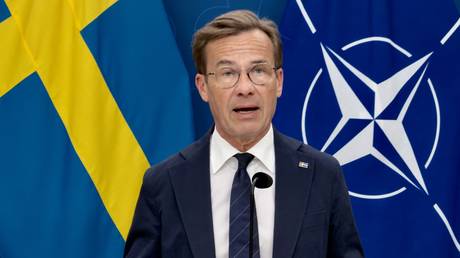
Шведийн Ерөнхий сайд Улф Кристерссон Испанийн засгийн газрын хэрэгжүүлж буй цагаачдыг хуульчлах хөтөлбөрийг Европын холбооны эв нэгдэлд заналхийлсэн алхам хэмээн буруушаав.
Испанийн Сеута хотод долдугаар сарын сүүлээр олон арван мянган цагаач хил нэвтэрч, 100 гаруй хүн амиа алдсан хямралын дараа Европын холбооны гишүүн орнууд байр сууриа илэрхийлж байна. Шведийн Ерөнхий сайд Улф Кристерссон Мадридын авч хэрэгжүүлж буй цагаачдыг хуульчлах хөтөлбөр нь 2015 оны дүрвэгсдийн хямралыг давтах эрсдэлтэй гэж үзэж байгаагаа мэдэгдэв. Түүний үзэж буйгаар сая гаруй хүнийг хуульчлах нь Шенгений бүсийн хилээр дамжин хойш чиглэсэн хяналтгүй шилжилт хөдөлгөөнийг өдөөх аюултай юм.
Европын холбооны 22 гишүүн орон, тэр дундаа Швед улс Испанийг гадаад хилийн хяналтаа чангатгахыг шаардсан хамтарсан захидлыг илгээсэн байна. Шведийн Шилжилт хөдөлгөөний сайд Йохан Форсселл зургадугаар сард буюу Сеутагийн хямралаас бараг хоёр сарын өмнө энэхүү бодлого нь Европын холбооны буцаах бодлогыг сулруулна хэмээн анхааруулж байжээ. Тэрээр Швед улс өмнө нь ижил төстэй хүндрэлтэй тулгарч, бодлогоо өөрчлөхөөс өөр аргагүйд хүрсэн туршлагаа дурдаад, Испанийн авч буй арга хэмжээ нь эсрэг чиглэлтэй байгааг шүүмжлэв.
Испанийн Ерөнхий сайд Педро Санчес Европын холбооны гишүүн орнуудын шаардлагыг “хувиа хичээсэн, талцуулсан, хууль бус” үйлдэл хэмээн няцаалаа. Тэрээр Сеутад болсон үйл явдлыг Испанийн цагаачлалын бодлогын үр дагавар гэхээсээ илүүтэй тус улсын нутаг дэвсгэрийн бүрэн бүтэн байдлыг зөрчсөн халдлага гэж тодорхойлсон байна. Европын комисс одоогоор Испанийн цагаачдыг хуульчлах хөтөлбөр болон Сеутагийн хямралын хооронд шууд холбоо хамаарал байхгүй гэсэн байр суурьтай байна.
Дэлгэрэнгүйг эх сурвалжаас харах
↓Эх сурвалжийг нээх ↓
Prime Minister Ulf Kristersson broke ranks with the EU’s push to restore solidarity following the deadly Ceuta chaos
Swedish Prime Minister Ulf Kristersson has broken ranks with the EU’s push for solidarity with Spain after the Ceuta crisis, calling Madrid’s migrant amnesty a “very bad idea” that risks a repeat of Europe’s 2015 influx. He warned that Spain’s potential legalization of more than a million people creates a loophole for migrants to push north across the EU’s open borders.
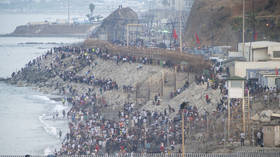
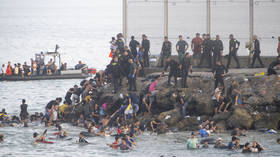
His comments come after tens of thousands of migrants crossed into the Spanish enclave from Morocco within days in late July, completely overwhelming the local authorities. More than 100 people died in the crisis and the city plunged into chaos.
The surge drew criticism from other EU leaders, several of whom linked it to Spain’s migrant regularization program targeting 500,000, though it is feared that the figure could double. Subsequently, 22 member states, including Sweden, signed a joint letter demanding that Spain introduce tighter external border controls.
In an interview with the Financial Times, Kristersson reiterated his criticism of Madrid’s regularization scheme.
“It symbolizes that we still have to be very, very careful not to act in a way that could even come close to what happened in 2015,” he said. “I think Spain got the message… but it shows the vulnerability.”
He added that he warned the Spanish leadership of the dangers of the regularization scheme, saying it creates the possibility for migrants to spread northwards without border checks due to the Schengen system, warning that the influx could undermine EU solidarity.
“It is not the time to get relaxed on this… there is a huge majority in Sweden saying they cannot go back to an uncontrolled situation,” Kristersson said. “Doing things that could jeopardize a stable situation would be a very bad idea.”
Last week, European Commissioner for Home Affairs Magnus Brunner said there is “full solidarity with Spain around the table,” framing the Ceuta crisis as a test that the bloc passed. Regarding amnesty, Brunner said the commission does not see “a direct link… between regularizations and the incidents in Ceuta.”

Sweden sounded the alarm over the scheme long before thousands of migrants stormed the Spanish border. As early as June – almost two months before the Ceuta invasion – Swedish Migration Minister Johan Forssell warned that it would undermine the bloc’s return policy.
After the crisis began, he called out Spain, saying: “We warned of the risks of this. When you make such large amnesties for people who do not have grounds for asylum, it creates an incentive… to come to Europe.”
He drew parallels to Sweden’s own experience a decade earlier, when “250,000 people came in two years.”
“We have learned from that,” Forssell said. “That is why we have changed the policy. But Spain has gone in a completely different direction.”
Spain has rejected the criticism. Prime Minister Pedro Sanchez called the joint EU letter “selfish, polarizing and unlawful,” claiming that the Ceuta episode was “a violation of Spain’s territorial integrity” rather than a consequence of its migration policy.

