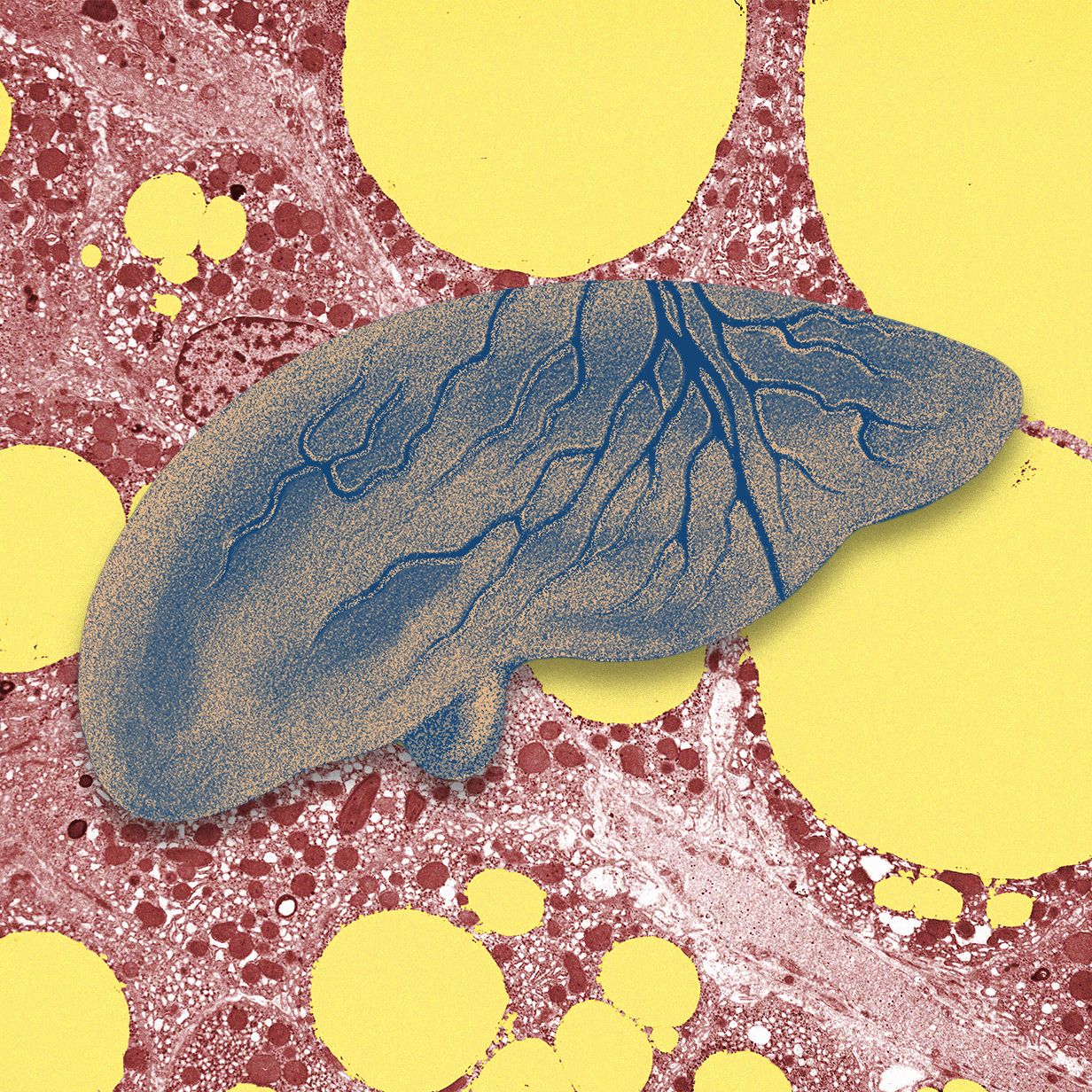
Дэлхий даяар тархаад буй элэгний өөхжилтийн өвчнийг эрт илрүүлж, эмчлэхэд хиймэл оюун ухааныг ашиглах судалгааны ажил эхэллээ.
Дэлхийн насанд хүрсэн хүн амын 30 орчим хувьд тохиолдож буй элэгний өөхжилт нь өвчний эхний шатанд шинж тэмдэг илэрдэггүй тул ихэнх тохиолдолд амь насанд аюултай болсон хойноо оношлогддог. Элэгний эд эсэд өөх тос хуримтлагдах нь үрэвсэл, эсийн гэмтэл болон сорвижилтыг (фиброз) үүсгэж, улмаар элэгний дутагдал, зүрх судасны өвчин, хорт хавдар үүсэх эрсдэлийг нэмэгдүүлдэг байна.
CUNY-ийн Нийгмийн эрүүл мэнд, бодлогын сургуулийн профессор Жэффри Лазарус болон бусад мэргэжилтнүүд хиймэл оюун ухааныг ашиглан цахим эрүүл мэндийн бүртгэлүүдэд дүн шинжилгээ хийх замаар өндөр эрсдэлтэй өвчтөнүүдийг эрт илрүүлэх боломжтой гэж үзэж байна. Энэхүү технологи нь эмнэлгийн олон тооны үзлэг болон лабораторийн шинжилгээний дүнг нэгтгэн, эрсдэлтэй бүлгийг эрэмбэлэхэд туслах юм.
Элэгний өөхжилтийг эрт үе шатанд нь илрүүлбэл амьдралын хэв маягийг өөрчлөх, хоолны дэглэм барих, дасгал хөдөлгөөн хийх зэргээр сорвижилт болон үрэвслийг бүрэн эмчлэх боломжтой. Мөн сүүлийн үед семаглутид (semaglutide) болон ресметиром (resmetirom) зэрэг эмчилгээний аргууд нь элэгний сорвижилттой өвчтөнүүдэд өндөр үр дүнтэй болох нь тогтоогджээ.
Одоогийн байдлаар Fib-4 индекс болон элэгний фиброзыг тодорхойлох нэмэлт шинжилгээний аргууд байгаа хэдий ч эмч нарын ажлын ачаалал ихэссэнээс үүдэн эдгээрийг тогтмол ашиглах нь хүндрэлтэй байна. Йелийн их сургуулийн профессор Жонатан Драноффын тэмдэглэснээр, эмч нарын ажлын урсгалд саад болохгүйгээр цаана нь автоматаар ажиллах боломжтой хиймэл оюун ухааны шийдлүүд нь энэ салбарт нэн чухал ач холбогдолтой юм.
Дэлгэрэнгүйг эх сурвалжаас харах
↓Эх сурвалжийг нээх ↓
All over the world, a slow, insidious change is taking place in the composition of the livers of more than a billion people.
While the presence of fat in a normal, healthy liver is negligible, many adults and even children have livers where fat exceeds 5 percent or even 10 percent of the organ’s total weight. Its unnatural presence causes inflammation, cell damage, and the formation of scar tissue known as fibrosis, all hallmarks of fatty liver disease, a condition that now impacts approximately 30 percent of adults worldwide.
If left to linger, progressive fat accumulation can ultimately lead to liver failure, and it has been linked to an increased risk of cardiovascular disease and various cancers. But the condition typically develops without noticeable symptoms, so it is rarely detected at an early and treatable stage. Even in cases of cirrhosis or advanced scarring of the liver, three-quarters of people are only diagnosed once their condition has become life-threatening.
As a result, growing numbers of specialists are investigating how AI might help. Jeffrey Lazarus, a professor at the CUNY Graduate School of Public Health and Health Policy, suggests that AI tools could be used to comb through vast numbers of electronic health records and pinpoint the people most likely to have accrued worrying amounts of liver fat.
“AI can retrospectively go through massive numbers of hospital visits and lab reports,” says Lazarus. “You can use that to really prioritize who’s at most risk.”
If fatty liver disease can be identified early, much of the damage is highly reversible. In the initial stages, lifestyle changes such as reducing alcohol intake, losing weight through dietary improvements and exercise, and even drinking more coffee have all been shown to be capable of reversing scarring and inflammation. Even for people with moderate to advanced liver scarring, novel treatments such as the GLP-1 medication semaglutide and a drug called resmetirom have been shown to be highly effective therapeutics.
“The liver is a very versatile and interesting organ because it can regenerate, fibrosis can be reversed, and you can be completely healthy again,” says Lazarus. “But traditionally, we’ve focused more on late-stage care and trying to see how long we can keep a patient alive rather than finding them early and preventing the condition from advancing.”
One of the frustrations for Lazarus and others is that while simple, noninvasive means of assessing liver health exist, they are rarely used, even in people known to be at a much higher risk of the consequences of fatty liver disease, such as those with obesity and type 2 diabetes.
The Fib-4 index, for example, rates a person’s risk of advanced liver fibrosis through computing a score of between 0 and 6, based on their age, their levels of two liver enzymes, and their blood-clotting ability. This requires physicians to run a liver blood test, something which is often carried out as part of an annual medical checkup in the US. Doctors also have access to a more accurate, second-line blood test known as the enhanced liver fibrosis test, which measures the levels of two proteins involved in creating scar tissue and an enzyme which inhibits the clearance of scars in the liver.
Using both of these tests in patients with worrying amounts of liver fat has been shown to improve the diagnosis of those with advanced fibrosis by four-fold. But for physicians facing a growing workload and administrative burden, simply adding more testing to the workflow is not felt to be a sustainable option.
“You have to have something that can run in the background or it’s easy to just hit a button and do it,” says Jonathan Dranoff, a professor of medicine at Yale University.

