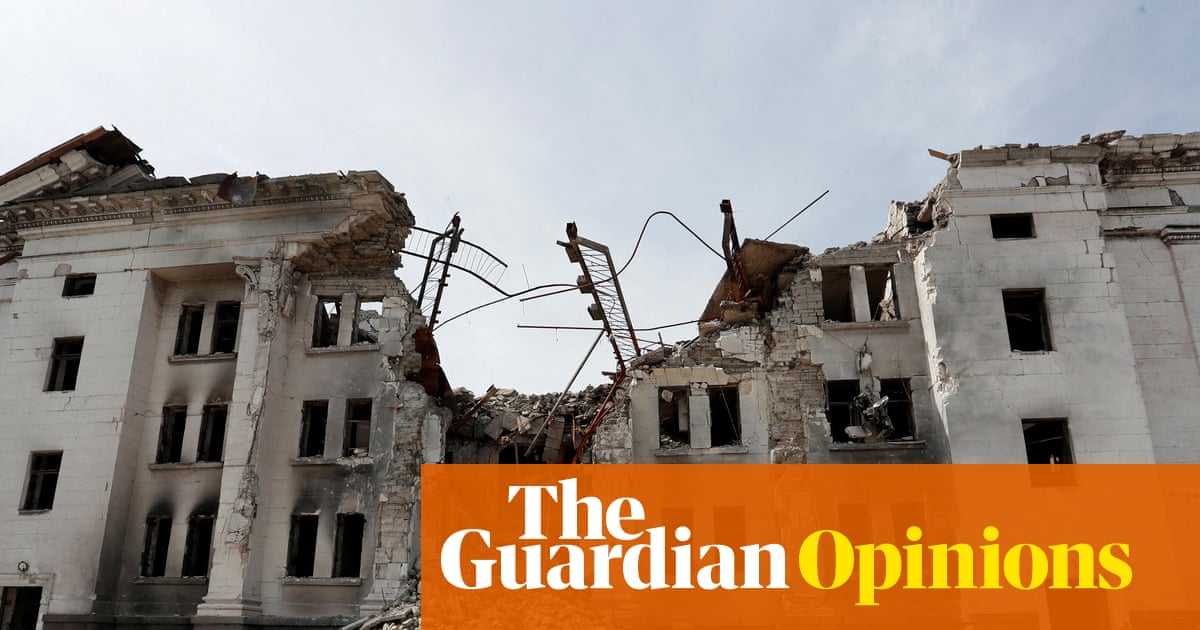
Украйн, Ойрхи Дорнод дахь дайны ажиллагааны улмаас түүхэн дурсгалт барилга байгууламж, соёлын үнэт өвүүд ноцтой хохирол амсаж, олон улсын конвенцууд үр дүнгээ алдаж байна.
ЮНЕСКО-гийн мэдээлснээр Украйн дахь 545 түүхэн дурсгалт барилга, тэр дундаа 156 шашны байгууламж болон 43 музей ОХУ-ын агаарын цохилт болон байлдааны ажиллагааны улмаас сүйдсэн буюу гэмтсэн байна. Үүнд Киевийн Печерск Лавра, Гэгээн Софийн сүм болон Мариуполь дахь театрын барилгууд багтаж байгаа нь тус улсын түүхэн иргэншлийг устгах оролдлого гэж үзэж байна. Олон улсын түвшинд эдгээр дурсгалыг хамгаалах хүчин чармайлт суларч, 1954 оны Гаагийн конвенц болон бусад гэрээ хэлэлцээрүүд бодит нөлөө үзүүлэхээ больжээ.
Ойрхи Дорнодын бүс нутагт ч ижил дүр зураг ажиглагдаж, Газын зурвас дахь барилгуудын 80 гаруй хувь нь сүйдэж, эртний түүхэн архивын баримтууд болон сүмүүд үгүй болжээ. Ираны Исфахан хот дахь Нагш-э Жахан талбай, Жаме сүм болон бусад түүхэн орднууд, мөн Ливаны Тир боомт дахь эртний Ромын үеийн байгууламжууд агаарын цохилтын улмаас ихээхэн гэмтсэн байна. Эдгээр үйл явдал нь орчин үеийн агаарын дайны ажиллагаанууд газар нутгийг хянах бус, дайсныхаа түүхэн дурсамж, соёлын дархлааг устгахыг зорьж буйг илтгэж байна.
Олон улсын байгууллагууд соёлын өвийг бүртгэн авч байгаа боловч бодит хамгаалалт хангалтгүй хэвээр байна. Дэлхийн дурсгалт газруудын сан (World Monuments Fund) зэрэг байгууллагууд мөргөлдөөний бүсэд яаралтай тусламж, зөвлөгөө хүргүүлж, сүйдсэн барилгуудыг тогтворжуулах төслүүдийг хэрэгжүүлж байна. Гэсэн хэдий ч хүн төрөлхтний түүхэн өвийг хамгаалах үүрэг нь үндэстэн дамнасан асуудал болон үлдэж байгааг шинжээчид онцолж байна.
Дэлгэрэнгүйг эх сурвалжаас харах
↓Эх сурвалжийг нээх ↓
Wars may not take summer holidays, but they do sometimes see exhaustion. As drones race back and forth across Ukraine and the strait of Hormuz, a grim stalemate seems to have invaded the earth beneath. Aerial bombardment knows limited resistance and even less victory or defeat. Ukraine, Russia, Israel, Iran and their allies seem able to defy diplomacy and drop bombs on each other for ever.
At which point the outside world can merely count some of the costs. Vladimir Putin’s known desire to eliminate Ukraine’s historical identity has led to its cultural devastation. Two weeks ago Unesco reported the destruction or dereliction of 545 of its historic buildings, including 156 religious sites and 43 museums. The attempted eradication of what Putin himself claims to be an intrinsic part of Russia’s own history is sickening.
Russia’s bombing of Kyiv’s Pechersk Lavra complex and the Dormition cathedral, coupled with shattering the magnificent St Sophia cathedral, are comparable to Ukraine bombing the Kremlin. So, too, is the attack on a cathedral and a museum in Odesa, and the destruction of a theatre in Mariupol. These are defining monuments of Ukraine’s past. Yet their dereliction has received little publicity in the west.
Meanwhile in Iran the beautiful city of Isfahan might surely have been spared Donald Trump’s egotistic bomb-fest. Not so. A Reuters survey in June found the historic Naqsh-e Jahan Square, the Jameh mosque and the governor’s palace partially destroyed. In Tehran, the Persian royal palace of Golestan has been badly damaged. Unesco reports of an attack on an 1,800-year-old fortress that embraced a prehistoric settlement reputedly 63,000 years old.
The most savage consequence of the collapse of order in the Middle East is the reported damage or destruction of over 80% of the buildings in Gaza. The ancient city of Gaza itself is now largely rubble. Bombed by Israel are the medieval Great Omari mosque and the church of St Porphyrius, dating from the fifth century and one of Christianity’s most ancient sites.
Gaza’s archives have been destroyed. The Omari mosque’s library and the adjacent cultural centre, whose thousands of ancient documents had survived the Crusades, have reportedly been lost. The Al Qarara museum was bombed from the air and then bulldozed to the ground. A people’s entire past has been deliberately eradicated.
As for Israel’s war on Lebanon, it culminated in June in what appeared to be the gratuitous bombing of the ancient port of Tyre. This included an attack on the site of the Roman hippodrome. The 1,000-year-old fortress of Beaufort was also damaged. The past is clearly without privilege.
Aerial wars are unlike ground ones. Soldiers with guns have targets. So, we are constantly told, do modern missiles, but that does not explain the US bombing of an Iranian girls’ school in February. The reality is that bombers are casual because they are near invulnerable, while their victims appear small and anonymous. Bombers do not conquer territory or secure surrender. They are manifestations of leadership machismo.
In the allied invasion of Italy in 1943-45, individual British and American officers were known to take steps to protect its monuments from destruction. As a result Italy’s ancient cities survived to a degree that Germany’s did not. In the aftermath, sincere efforts were made to evolve rules of war, including respect for cultural and historic monuments. War was still seen as a contest of professionals, not of cultures.
The result was The Hague Convention of 1954 and the Convention for the Protection of Cultural Property in 1972. But recent years, in which we’ve seen a collapse of global governance, have left The Hague convention a paper tiger, like that other supposed discipline, the UN’s International Court of Justice. Victory today appears to lie in destroying an enemy’s identity and morale as much as in killing its people. When the Islamic State ruined much of the Iraqi city of Mosul in 2014, it set about eliminating all traces of its past. Trump’s threat to Iran, that “a whole civilisation will die tonight”, showed an equally primitive approach to conflict. It hardly warned his bombers to spare the mosques of Isfahan.
Of international bodies, Unesco is active in keeping a record of the fate of cultural heritage worldwide, but a record is just a record. Its listing of Russia’s and Israel’s devastation of their hated foes is like watching a historic tragedy unfold in real time. We might almost prefer it to happen behind our backs.
after newsletter promotion
One thing the outside world can do is help those seeking to help themselves. Thus the World Monuments Fund’s Crisis Response Program is invaluable. It sends aid, advice and materials to war zones, almost before the bombs have stopped falling. It was present in Mosul and its Ukraine Response Fund has many projects (26 of which are completed) helping to protect and stabilise bombed buildings, one day perhaps to restore them.
As the west continues to meddle in foreign wars, perhaps this is the least that some of us can do. One of humanity’s deepest obligations is to its past. That past knows no national boundaries.

