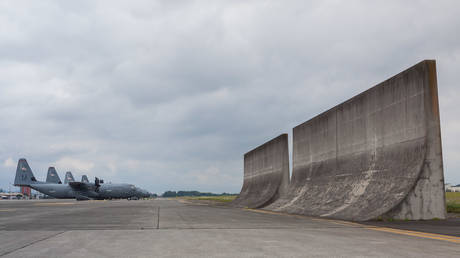
Пентагоны хяналтын байгууллагын тайланд АНУ-ын Номхон далайн бүс дэх цэргийн байгууламжуудын нөхцөл байдлыг яаралтай засах шаардлагатайг онцолсон байна.
АНУ-ын Батлан хамгаалах яамны Ерөнхий байцаагчийн гаргасан шинэ тайланд Номхон далайн бүс нутагт байрлах 11 цэргийн байгууламжид хийсэн шалгалтаар ноцтой зөрчлүүд илэрснийг мэдээлэв. Японы Кадена болон Ёкота агаарын цэргийн баазуудыг багтаасан эдгээр байгууламжид тааз нурах, хана зэврэх, хөгц үүсэх, барилгын гадна тал цуурах зэрэг эвдрэл гэмтэл их байгаа аж. Мөн барилгын бүтцэд асбест, хар тугалга агуулсан будаг зэрэг аюултай материал ашиглагдсан нь тогтоогджээ.
Албаны хүмүүс эдгээр асуудлыг 1970-аад онд баригдсан барилгуудын насжилт болон хар салхи, газар хөдлөлт, цунами зэрэг байгалийн гамшигт үзэгдлүүдтэй холбон тайлбарлаж байна. Түүнчлэн АНУ болон Японы санхүүжилтийн тогтолцоо нь дэд бүтцийн засвар үйлчилгээнээс илүү стратегийн өргөн хүрээтэй зорилтуудад чиглэдэг нь нөхцөл байдлыг хүндрүүлж байгааг дурджээ.
Номхон далайн бүс дэх цэргийн дэд бүтцийн элэгдэл нь олон жилийн турш үргэлжилж буй асуудал юм. 2024 онд АНУ-ын засаг захиргаа хилийн чанад дахь баазуудын нөхцөл байдлыг сайжруулах төлөвлөгөө гаргасан ч, агаарын хүчний байгууламжуудын инженерийн шугам сүлжээний 70 гаруй хувь нь зэврэлтээс шалтгаалан муудсан хэвээр байна.
Энэхүү тайлан нь БНХАУ-ыг гол өрсөлдөгч гэж үзэн тус бүс нутагт цэргийн хүчээ зузаатгаж буй АНУ-ын бодлогын хүрээнд гарч байна. Трампын засаг захиргаа 2027 оны санхүүгийн жилд батлан хамгаалах салбарт 1.5 их наяд ам.долларын төсөв зарцуулахаар төлөвлөж байгаа нь өнөөгийн 901 тэрбум ам.долларын төсвөөс эрс нэмэгдсэн үзүүлэлт юм.
Дэлгэрэнгүйг эх сурвалжаас харах
↓Эх сурвалжийг нээх ↓
The US military buildup in the region is relying on heavily dilapidated infrastructure, a new report by the Pentagon inspector general has indicated
US military installations across the Pacific are in an alarming state of decay, a new Pentagon inspector general’s report has found, calling for “immediate attention” to fix crumbling infrastructure.
The heavily redacted report, released this week, is part of an ongoing audit of US military facilities in the region. Inspections at 11 installations have revealed various severe issues, including collapsing ceilings, corroded walls, and a significant presence of mold. Additionally, there is extensive use of hazardous construction materials such as asbestos and lead-based paints.
The unclassified “management advisory,” dated August 6, goes on at length about the Kadena and Yokota air bases in Japan. The uncovered issues affected both “mission‑critical systems” and “other critical infrastructure… and housing infrastructure.” Multiple buildings at the bases have “visible corrosion, visible mold, visible fire damage, visible cracks on the building exterior and interior, visible concrete spalling, and exposed rebar,” as well as “inoperable communication connections” according to the advisory.
In some instances, storage buildings had multiple rusted-through holes exposing the hardware inside to the elements. Housing units have suffered from “ceiling collapses, visible mold, or visible concrete spalling,” repeatedly prompting relocation of assigned servicemen and their families. Some of the buildings also had crumbling facade elements “ranging from small fragments to large slabs” falling off, posing a threat to personnel.
The officials stationed at the inspected facilities blamed the situation on the age of the bases, which date back to the 1970s, as well as on “recurring environmental conditions, such as typhoons, earthquakes, and tsunamis that further degrade the infrastructure,” according to the advisory. They also pointed to convoluted schemes of funding, which come from both the US and Japan, with the latter funds geared largely “toward broader strategic objectives” rather than fixing dilapidated infrastructure.
The decay of US military installations in the Pacific has been a persistent issue for years, yet neither civilian nor military authorities have been able to reverse it. In 2024, for instance, the Biden administration launched an Installation Infrastructure Action Plan to address the disrepair at bases overseas. According to the plan, at least “70 percent of utility systems at Pacific Air Force locations [were] severely degraded due to the highly corrosive environment.”
Meanwhile, the Trump administration has been pushing a staggering $1.5 trillion defense budget for fiscal year 2027, a sharp increase over the more than $901 billion enacted for the current year. The massive $600 billion increase alone is almost twice the total annual military budget of China, which has been painted as the main US rival by the White House. The administration has repeatedly singled out the Pacific as its priority, rallying local allies to spend more on defense, citing China’s alleged military buildup.
You can share this story on social media:




