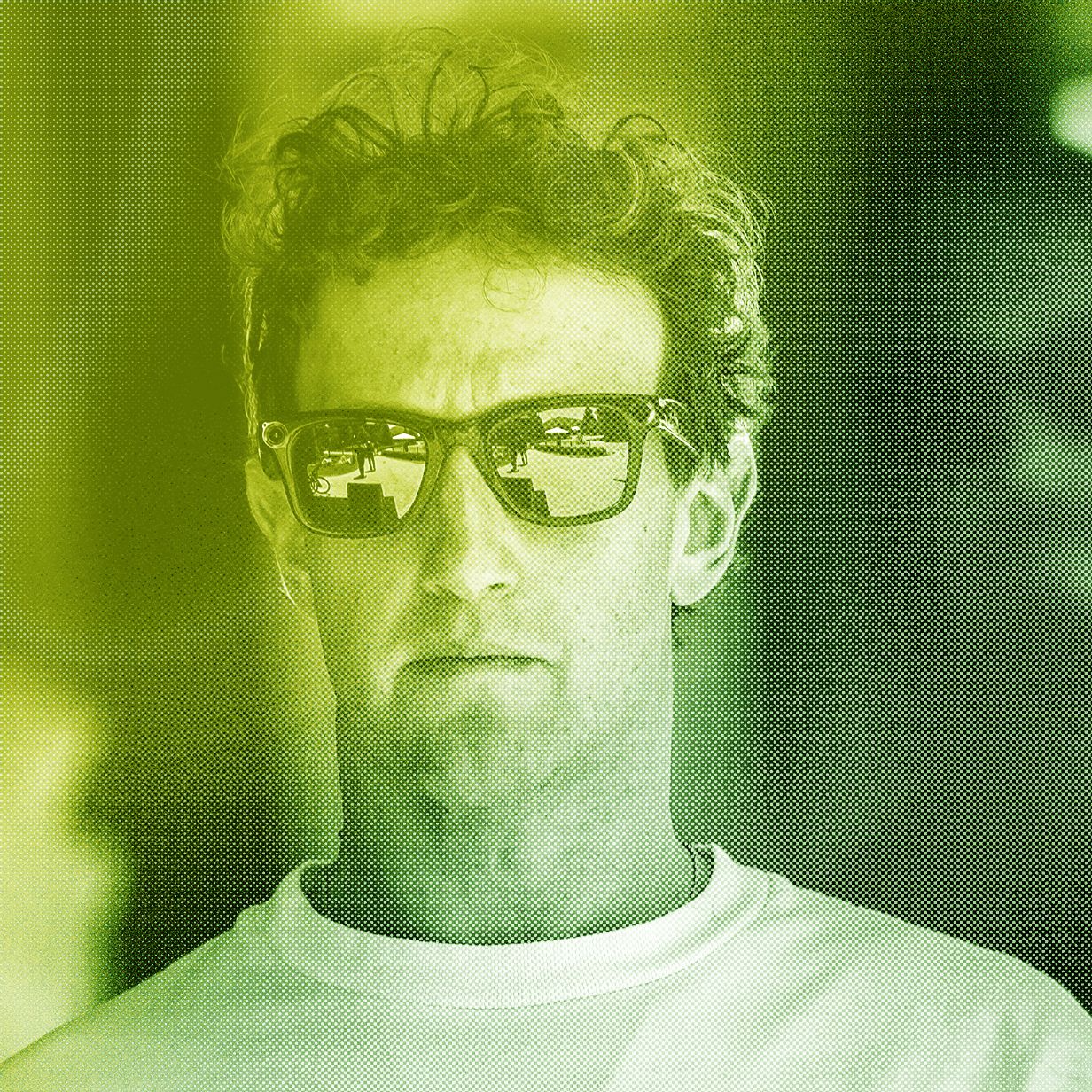
Технологийн салбарын гол тоглогчдын үзэл баримтлал бодит үр дүн авчрахгүй байгаа ч хиймэл оюун ухаан нь ажилд зуучлах ярилцлагыг шөнийн цагаар хийх боломжийг олгож, хөдөлмөрийн зах зээлд өөрчлөлт оруулж байна.
Марк Закербергийн 6500 үгтэй хиймэл оюун ухааны тухай илтгэл нь агуулгын хувьд тодорхой шийдэл дэвшүүлээгүй гэж шүүмжлэгчид үзэж байна. “Pangram” хэмээх хиймэл оюун ухаан илрүүлэгч хэрэгслээр шалгахад уг эссег хүн бичсэн нь тогтоогдсон бөгөөд энэ нь технологийн салбарын удирдагчдын хиймэл оюун ухааныг ашиглах хүрээ хязгаарлагдмал байгааг харуулж байна. АНУ-ын Засгийн газрын түвшинд ч хиймэл оюун ухааныг зохицуулах бодлого тодорхойгүй, үндэсний аюулгүй байдал болон кибер аюул заналхийллийн эсрэг чиглэсэн сул бүтэцтэй хэвээр байна.
Үүний зэрэгцээ, WIRED сэтгүүлийн сурвалжлагч Кейт Тэйлорын мэдээлснээр, ажилд орох ярилцлагын эхний шатыг хиймэл оюун ухаан буюу програмчлагдсан системээр дамжуулан явуулах нь түгээмэл болжээ. Хүний оролцоогүйгээр хийгдэж буй эдгээр ярилцлагыг ажил горилогчид өөрийн цагийн хуваарьт тохируулан шөнийн 01:00 цаг хүртэлх хугацаанд хийх боломжтой болсон байна. Энэ нь гэр бүл, ажил, хувийн амьдралын цагийн зөрчлийг шийдвэрлэхэд тус дөхөмтэй байгаа ч хүний харилцааны нарийн ширийн зүйлийг чатбот орлох боломжгүй гэсэн шүүмжлэл дагуулж байна.
Хиймэл оюун ухаанаар дамжуулан ажилд зуучлах үйл явцыг уян хатан байдал талаас нь эерэгээр үнэлэх хандлага байгаа ч энэ нь нийгмийн харилцааны салшгүй хэсэг болох хүний туршлагыг бүрэн орлох эсэх нь эргэлзээтэй хэвээр байна. Технологийн дэвшил нь хүний амьдралын хэв маягийг өөрчилж буй ч хиймэл оюун ухааныг бүх асуудлыг шийдвэрлэх хэрэгсэл гэж үзэх нь өрөөсгөл юм.
Дэлгэрэнгүйг эх сурвалжаас харах
↓Эх сурвалжийг нээх ↓
Leah Feiger: I mean, from the Trump White House, which has historically been so anti-AI regulation that its very own AI czar for the first year of the Trump presidency, David Sacks was like, “We’re not regulating,” to now where the White House has a slightly toothless, but still there, policy of sorts, especially in response to all these national security threats, hacking threats, et cetera. Clearly no one, no matter how AI celebratory or positive you are, can’t even remotely pretend right now that you don’t have to take these things seriously and it’s not just going to solve child care or what have you and teach your kid how to cook. That’s not it anymore.
Brian Barrett: And if it were, would you even want it to be? Last note of this is that we did run this essay, whatever you want to call it, through Pangram, which is an AI detection tool that we trust for the most part. Human written, Leah.
Leah Feiger: I love that.
Brian Barrett: AI is good enough for recipes with his daughter, but not good enough to crank out a manifesto.
Leah Feiger: I think that’s beautiful.
Brian Barrett: Yeah. OK. In other news, in other news, a delightful and maybe dystopian story from WIRED senior writer Kate Taylor. She published a story on the strange pattern that has been increasingly emerging. So here’s the deal. So many first round job interviews these days are done by AI. You sit down in front of a screen and an AI interviewer asks you questions or prompts, or if it’s not AI, it is a series of prompts that are programmed into a software. And you just sort of answer that way and not get screened. Because you can do that literally anytime because there’s no human on the other end of it, people who are looking for jobs are increasingly scheduling those interviews late at night as late as one in the morning sometimes, Kate found, to get around any family calendar conflicts, any work conflicts, the hassle of making up a dentist appointment when you’re doing a job interview. Now people just sort of do it after the kids are in bed, sitting down in their living room, talking to an AI agent who’s going to determine their livelihood.
Leah Feiger: I think you’re going to be shocked by my take.
Brian Barrett: OK, I’m ready.
Leah Feiger: I like it.
Brian Barrett: Wah.
Leah Feiger: I like that this is flexible.
Brian Barrett: Which part of it?
Leah Feiger: OK. Historically, I’m that person who was honestly really, really bad at doctor’s appointments and dentist appointments, not because I was not interested in my health, but because I just couldn’t figure out how to schedule it during my day. No, I did not want to go at noon. I’m busy. I have work. I have a life. The idea that things like this that perhaps you have to do, job interview, doctor’s appointment, whatever this is, the idea that you can do it on your schedule, to me, I’m like, that’s positive. That is one positive thing that I see coming out of all of this. And I get it. Look, do I think that automation for job interviews is really what I’m looking for right now? Absolutely not. I think that there’s a lot of beautiful intricacies of the human experience and what people can bring to a workplace that cannot be captured adequately by a chatbot. However, if that is where society is right now, let it happen.


